
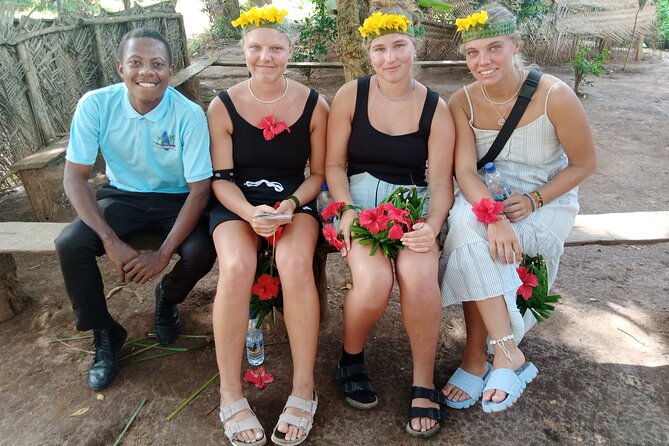
Reviewed · SPICE FARM TOURS
Private Zanzibar Spice Farm Tour
Zanzibar’s spice story comes alive when you see cinnamon bark, cardamom, vanilla, pepper, and nutmeg growing rather than meeting them as anonymous jars in a shop. At Jambo Spice Farm, your guide explains each plant from root to branch, then turns the visit into a tasting game with fresh spices and fruit.
I like the private format, since Alfa, Abdul, Khalfan, or another guide can adjust the pace and answer questions for your group. I also like the practical Stone Town pickup, bottled water, entrance fee, and transport included in the $65 price.
The main catch is location. The round-trip taxi from a beach hotel costs an extra $45, and lunch is not included. The farm visit itself takes about two hours, so this is a focused half-day outing rather than a full-day Zanzibar excursion.
Key points to know before booking

- Fresh spice tasting: Smell and taste cinnamon, cardamom, nutmeg, vanilla, black pepper, and seasonal fruit at the farm.
- Private guiding: Only your group takes part, with guides including Alfa, Abdul, Khalfan, and Watermelon named in the tour information.
- Stone Town pickup included: Hotel transport, private driving, waiting time, water, and entrance fees are covered for hotels in the Stone Town area.
- Village life included: The visit can include traditional houses where local residents still live.
- Beach hotel surcharge: Hotels outside Stone Town pay $45 for a two-way taxi transfer.
- Simple cancellation terms: Cancel at least 24 hours before the start time for a full refund.
Why Zanzibar is called the Spice Island
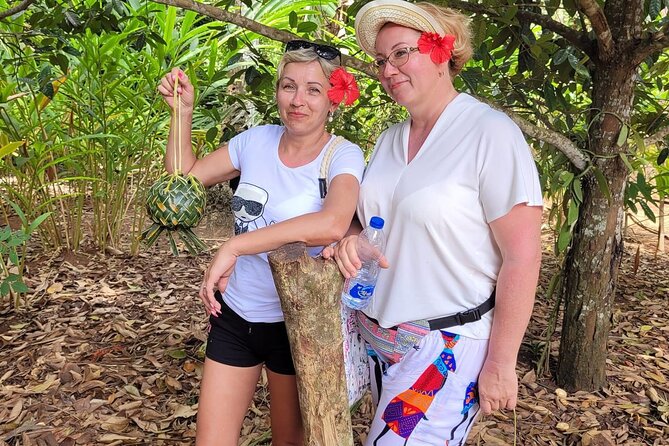
Zanzibar’s connection with spices reaches back to the 18th century, when the Omani sultanate controlled the island. Cloves, cinnamon, nutmeg, peppers, and other crops became part of trade, farming, cooking, and daily life.
That background gives the tour more weight than a simple walk through a garden. You are not only learning plant names. You are seeing how familiar kitchen ingredients begin as roots, stems, bark, leaves, pods, or fruit.
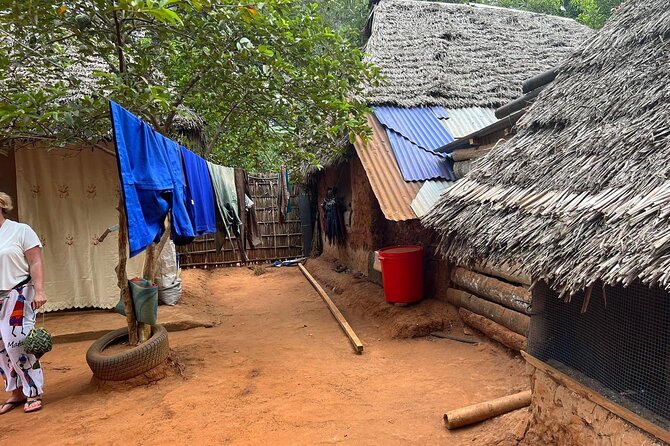
The tour description points to Zanzibar’s village plantations and the role of spices in everyday Zanzibari life. That matters because the experience connects agriculture with local culture. You can also visit traditional homes in a village, giving you a look at older forms of local housing rather than only a polished tourist attraction.
The farm is called Jambo Spice Farm, and the scheduled stop lasts about two hours. Allow extra time for hotel pickup, driving, and the return trip, especially if you are fitting this around a Stone Town walk or another activity.
More Private Tours in Zanzibar
- Stone Town Private Walking Tour
★ 5.0 · 371 reviews - Zanzibar: 3 Hours Private Stone Town walking Tour with Guide
★ 4.6 · 301 reviews - Full-Day Private Stone Town +Spice Farm and Prison Island Tour
★ 4.5 · 216 reviews
Walking through Jambo Spice Farm
The main part of the outing is a guided walk through the farm. Your guide points out plants and explains where each spice comes from. Expect to see cinnamon, cardamom, nutmeg, Indian almonds, vanilla, black pepper, and other crops listed as available on the farm.
This is the kind of place where a good guide makes a real difference. A spice can be easy to recognize in a kitchen and surprisingly difficult to identify on a tree. The guides use smell, touch, and tasting to make the lesson memorable.
Alfa is described as tailoring the visit to the interests of a family group and speaking clear English. Abdul is associated with a fun guess that spice activity. Khalfan is named in connection with explanations of Zanzibar’s spice trade during the Omani period. Watermelon is noted as a friendly guide who speaks French well.
Guide assignments can vary, so you should not assume one specific person will lead your tour. Still, the available information suggests that the guiding style is informal and interactive, not a stiff lecture.
Seeing cinnamon, vanilla, pepper, and nutmeg up close
Cinnamon is especially useful to see in person because the familiar spice comes from bark. The farm visit gives your guide a chance to explain that process at the plant rather than leaving you with a ground powder and a label.
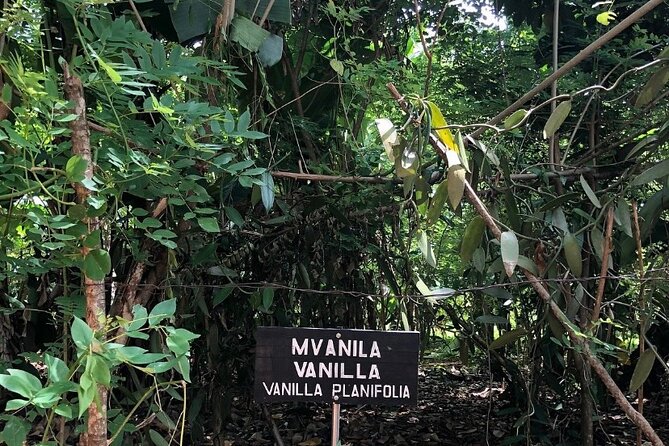
Vanilla also becomes more interesting when you see the plant and learn about its origin. Cardamom, nutmeg, and black pepper offer their own differences in scent, shape, and growing habit. The stated focus is on explaining the plants from their soil and roots through their stems and branches.
You may taste several spices directly at the farm. The exact selection can depend on what is growing and available during your visit, so do not expect every listed spice to be ready for tasting on every day.
Seasonal fruit is another part of the walk. The tour offers the chance to taste fruit directly from the tree if you are interested. That small detail gives the outing a more hands-on feel and breaks up the plant explanations.
Bring an open mind about flavors. Freshly handled spices can smell and taste quite different from the dried versions in your kitchen cupboard. You also get time for photographs, so have your camera ready when the guide points out an unusual plant or fruit.
Local life beyond the farm path
The experience is not limited to crops. The description includes a visit to old and traditional houses in a village where people still live.
This part is valuable because it places the farm within ordinary local life. Zanzibar’s spice trade can sound distant and romantic when presented only as a historical story. Seeing village homes helps bring that story back to the present.
The information does not promise a formal home tour or a long visit inside private residences. You should treat this as a chance to see traditional houses and village surroundings, not as a guaranteed staged cultural performance.
You may also find spice shops operated by villagers near the farm. These are useful for buying cinnamon, cloves, pepper, or other products if you want to take a small reminder home. Personal purchases are not included in the tour price, so carry extra money if shopping interests you.
More spice farm tours in Zanzibar:
- Zanzibar: Stone Town, Spice Tour, Prison Island with Lunch
★ 4.4 · 1,219 reviews - Zanzibar: Prison Island, Stone Town, & Spice Farm Tour
★ 4.5 · 579 reviews - Zanzibar: Stone Town, Spice tour & Prison Island with Lunch
★ 4.6 · 453 reviews - Spice Tour + Stone Town Tour + Prison Island
★ 4.5 · 130 reviews
What the private format changes
This is a private activity, meaning only your group takes part. That is a practical advantage for families, couples, and small groups with different interests.
If one person wants to spend more time identifying plants and another prefers photographs or fruit tasting, a private guide can often adjust the rhythm. The available information specifically describes Alfa tailoring the tour to a family of five.
A private tour also avoids the awkwardness of joining a large group at a fixed pace. You can ask basic questions without worrying about slowing down strangers. Guides named in the information are praised for humor, clear explanations, and flexibility.
There is one limit: the tour does not state the maximum group size or promise a particular guide. If your group is large, confirm the arrangements before booking.
How much value you get for $65
At $65 per person, the price includes more than entry to a farm. For a hotel in the Stone Town area, you receive round-trip taxi transfer, private transport, waiting time, bottled water, entrance fees, and a certified spice plantation guide.
That package makes the price fairly easy to understand. You are paying for a private half-day service, not just a ticket. The included pickup is especially useful if you do not want to arrange a local taxi on your own.
The value is less clear for a beach hotel because the extra round-trip taxi costs $45. The tour price remains $65 per person, but the transfer charge changes the total. You are told to message in advance if you need beach hotel transport.
Lunch is another optional cost. Local Zanzibar food with soft drinks costs $12 per person in cash, and you need to request it ahead of time. If you only want the farm, skip lunch and keep the outing shorter. If you want to make a relaxed half-day of it, the meal is a simple add-on.
Spices and souvenirs are separate purchases. Tips are optional, and medical insurance is not included.
Timing, pickup, and practical planning
The farm portion takes about two hours, while the overall experience is listed as roughly two to three hours. Your actual schedule will depend on hotel pickup and driving time.
Stone Town hotels receive round-trip pickup as part of the package. The hotel must be in the Stone Town area, so check your address rather than relying only on the name of your hotel.
The activity offers a mobile ticket, and confirmation is received at booking. Instructions for meeting the guide are described as clear, but you should still read the pickup details carefully and keep your phone available on the day.
The tour can be booked close to the date, and one account describes an arrangement made late in the evening and confirmed the next morning. That flexibility may help if you are planning around weather or a changing Zanzibar itinerary. I would still book ahead if the spice farm is a priority, since the tour is often reserved about 13 days in advance.
Wear comfortable clothing suitable for a farm walk. The supplied information does not specify a dress code or walking difficulty, so ask the operator if you have mobility concerns or need special arrangements.
Food, shopping, and small extras
The farm visit includes bottled water, which is welcome in Zanzibar’s warm conditions. Lunch is not automatic, and the optional local meal costs $12 per person with soft drinks.
You can buy spices from village-operated shops if you want to bring home cinnamon, pepper, or another local product. Personal spending is your responsibility, so do not assume shopping is covered by the $65 fee.
One account also describes fresh coconut and banana decorations offered at extra cost. These are not listed as a standard inclusion, so consider them optional extras rather than part of the core experience.
The best souvenirs here are likely to be small and useful. A packet of spice takes little room in your luggage and carries more connection to the island than a generic gift-shop item. Check your own customs rules before bringing food products home.
Who will enjoy this tour most
I would choose this outing if you want an easy cultural activity from Stone Town, especially if you like food, farming, photography, or local history.
Families should find the tasting and guessing elements easy to enjoy. The private setup also helps if children need a quicker pace or frequent breaks. Couples can combine the farm with other Stone Town plans without committing to a full day.
It suits first-time visitors who want context for Zanzibar’s nickname, Spice Island. It also works for people who already cook with spices but have never seen how those ingredients grow.
The tour is less suitable if you want a long agricultural workshop, a full meal included in the price, or a full-day trip with several major sights. It is a compact farm visit with cultural touches, not an all-purpose Zanzibar sightseeing day.
What the strong feedback tells you
The tour has a listed rating of 4.9, with 100 percent recommendation and 11 reviews shown in the supplied details. The strongest praise centers on the guides rather than on grand facilities.
That distinction matters. People value Alfa’s clear English and ability to shape the visit around a family. Abdul’s playful spice-guessing activity makes the lesson easier to remember. Khalfan is associated with useful context about the Omani period, while Watermelon is noted for French-language guiding.
The repeated message is that the guides explain, demonstrate, and keep the morning moving. You should book this for the human side of the experience: the questions, smells, stories, and direct contact with plants.
The practical side also earns credit. Hotel pickup works smoothly for Stone Town accommodations, meeting instructions are clear, and the private format keeps the outing simple.
Cancellation and booking details
You can cancel up to 24 hours before the local start time for a full refund. Cancellations or changes made within 24 hours are not refunded or accepted.
Most people can participate, and the experience is private. If you need beach hotel transport, request it in advance and budget the additional $45. Request lunch in advance as well, since the $12 local meal is not automatically provided.
Should you book the Zanzibar Spice Farm Tour?
Book it if you want a short, personal introduction to Zanzibar’s spice culture and you are staying in Stone Town. The included transport, private guide, water, entrance fee, and hands-on tasting make $65 a reasonable package for the right location.
I would be more cautious if you are staying on the beach and only have a tight budget. The extra $45 taxi charge can change the calculation, though it may still be worthwhile if you would otherwise need to arrange transport separately.
For the best experience, ask about your guide, confirm the pickup point, request lunch if wanted, and leave room for spice shopping. If you enjoy learning through smells, tastes, and stories rather than simply looking at sights, this is a useful half-day addition to a Zanzibar visit.
FAQ
Where does the Zanzibar Spice Farm Tour take place?
The tour visits Jambo Spice Farm near Zanzibar City. It also includes local village elements, including traditional houses where people still live.
How long does the tour last?
The full experience takes approximately two to three hours. The farm visit itself is listed as about two hours.
Is hotel pickup included?
Round-trip taxi transfer is included for hotels located in the Stone Town area. Private transportation and transport waiting time are also included.
Can I be picked up from a beach hotel?
Yes, but beach hotel pickup is not included in the standard price. A round-trip taxi transfer costs an additional $45, and you should message the operator in advance.
What spices can I see?
The farm visit can include cinnamon, cardamom, nutmeg, Indian almonds, vanilla, black pepper, and other spices available in Zanzibar villages and plantations.
Can I taste anything during the tour?
Yes. You can taste different spices and seasonal fruit directly from the tree if you are interested. The exact selection may depend on what is available during your visit.
Is lunch included?
No. A local Zanzibar lunch with soft drinks costs $12 per person in cash. You need to request it in advance.
Is this a private activity?
Yes. Only your group takes part in the activity. The tour information names guides including Alfa, Abdul, Khalfan, and Watermelon, though a specific guide is not guaranteed.
Can I cancel for a full refund?
Yes. Cancel at least 24 hours before the experience start time for a full refund. Cancellations and changes made less than 24 hours before the start time are not accepted or refunded.
Just added around Zanzibar
- Walking in Stone Town with a Expert Tourguide★ 3.7 · 3 reviews
- Stone Town Tour★ 5.0 · 16 reviews
- Jet Ski Experience from Kendwa Beach★ 5.0 · 21 reviews
- Turtle Snorkeling, Jozani Forest, Kuza Cave, Rock Restaurant★ 3.7 · 8 reviews
- Zanzibar boat rental/charters★ 5.0 · 6 reviews
- Prison island(Changuu island) & stone town walking tour★ 5.0 · 6 reviews
- Full Day Private Zanzibar Triple Delight Tour★ 4.5 · 3 reviews
- Zanzibar Tumbatu Island Cultural Experience★ 5.0 · 4 reviews
Spice Farm Tours, compared.

Stone Town, Spice Tour, Prison Island with Lunch
Read our review →
The Swahili Spice Experience – Spice Tour + Culinary Journey
Read our review →
Zanzibar full day Jozani forest + Spice farm and stone town
Read our review →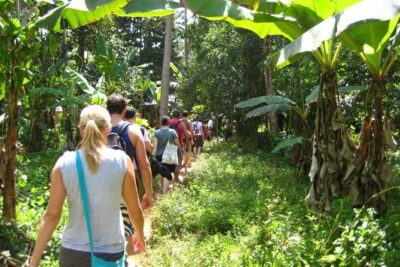


Stone Town Guided Tour: Culture, Slave Market & Spice Market
Read our review →Browse the lists this tour appears in