
Reviewed · 3-DAY EXPERIENCES
3 days to Serengeti NP and Ngorongoro Crater Tour in Tanzania
The main draw is the sharp contrast between Serengeti’s open plains and the enclosed world of Ngorongoro Crater. In three days, you get game drives in both places, a hippo habitat, a night at Simba Campsite, and a real chance to look for black rhino.
I like the small maximum group of seven, which gives you more room in the safari vehicle. I also like that the price includes park fees, meals, camping, pickup, and an English-speaking driver-guide. Guide Eddy is named in the available feedback and is praised for his friendly manner and wildlife knowledge.
The tradeoff is time. You spend long hours on rough, winding roads, and the first day includes about six hours of driving over 335 kilometers. This is a fast, camping-based safari, not a slow lodge holiday.
Key points to know before booking
- Two major wildlife areas in three days: You visit Serengeti National Park and Ngorongoro Conservation Area, with game drives in both.
- Small group size: The vehicle can carry a maximum of seven people, including you.
- A long first transfer: Day one begins with a roughly six-hour drive from Arusha through the Ngorongoro area to southern Serengeti.
- Camping at Simba Campsite: You spend the second night near Ngorongoro before the crater visit.
- Black rhino search: The early crater drive is built around finding one of the hardest animals to spot in the area.
- Good package value: Park fees, three lunches, breakfasts, dinners, pickup, and an English-speaking guide are included, while tips and visas are extra.
Why this three-day route works
At $800 per person, this safari is aimed at people who want the famous northern Tanzania circuit without committing to a week on the road. You see two of the region’s major wildlife destinations and have meals, park entry, transport, and a guide bundled into one price.
That matters in Tanzania. Park fees alone can add a serious cost to a safari, and moving between Arusha, Serengeti, and Ngorongoro is not simple public transport. Here, you pay for the long transfers as well as the time inside the parks.
The route is compact, but it is not easygoing. You leave Arusha early, spend much of day one on the road, and continue driving on day two before reaching camp. If you want a comfortable room, a swimming pool, and long afternoons at leisure, this is not the right fit. If you want to spend your short visit looking for wildlife and accept basic camping, the plan makes sense.
The maximum group size of seven is one of the better details. Safari vehicles can feel crowded when every seat is taken. A smaller group gives you more space and makes it easier to share viewing time when animals appear on one side of the vehicle.
Pickup is offered, and confirmation is sent at booking. The stated start time is 7 a.m., while the day-one schedule describes pickup at 8 a.m. after breakfast. Confirm the exact pickup time and location before departure.
More three-day trips in Serengeti:
- 3 Days Serengeti & Ngorongoro Group Camping Safari
★ 5.0 · 574 reviews - 3-Day Classic Serengeti Safari
★ 5.0 · 263 reviews - 3 Day Serengeti National Park & Ngorongoro Crater Camping Safari
★ 5.0 · 142 reviews
Day one: Arusha to the southern Serengeti
The first day is mostly a road day with wildlife at the end of it. After breakfast, you set out from your accommodation in Arusha for the roughly 335-kilometer trip toward southern Serengeti, passing through the Ngorongoro gate.
The drive is listed at about six hours, though road conditions, gate procedures, stops, and wildlife sightings can affect the timing. You should think of this as part of the safari, not simply dead time. The route carries you from the busy Arusha area into wide open country, with the setting changing as you approach the national park.
Once inside Serengeti National Park, the focus shifts to a game drive through the southern and central areas and the Seronera Valley. The name Serengeti comes from the Maasai word Serengit, meaning the land of endless plains. That description fits the southern zone, where open grassland supports large grazing animals.
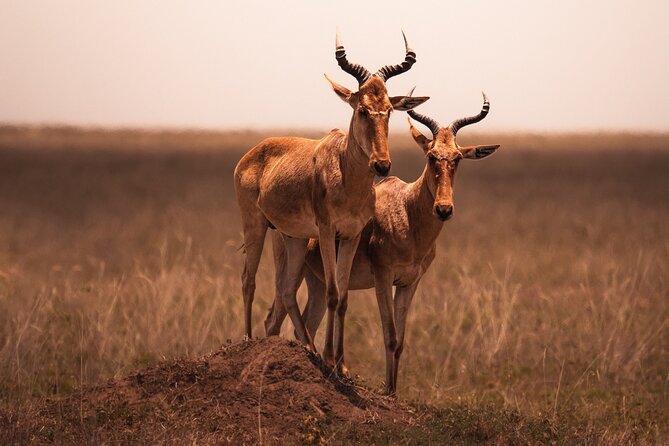
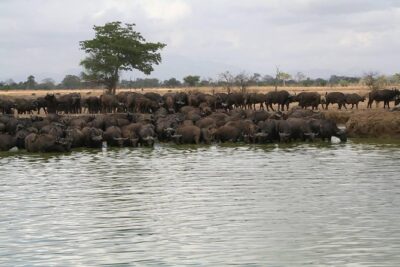
You might see wildebeest, zebra, Coke’s hartebeest, waterbuck, Grant’s gazelle, Thomson’s gazelle, impala, and other plains animals. The exact sightings depend on the season, location, and luck. No safari can promise a particular animal, but the habitat gives you a strong setting for watching large herds and solitary grazers.
Seronera offers a change from the wide southern grasslands. Acacia trees and rocky kopjes break up the view. Kopjes are low rock outcrops that provide high points for animals and lookouts for predators. They also add some visual variety after hours of open plain.
The itinerary also includes a visit to a hippo habitat. That gives you a different wildlife scene from the grazing herds: water, thick vegetation, and hippos gathered in a confined area. The schedule allows about six hours for the park portion, but the actual rhythm depends on how much time you spend watching animals and how far you need to travel.
A practical tip: keep water, sun protection, and a light layer within reach. This is a long day in a vehicle, and the combination of road travel and game viewing can be tiring. Since you are camping, avoid packing as if you were moving into a hotel. A small, useful bag is easier to manage.
Day two: more Serengeti before Ngorongoro
Day two gives you a half-day game drive in Serengeti with a packed lunch. This is important because the first day is split between the long transfer and the park, while day two gives you more time to concentrate on wildlife before leaving the Serengeti.
The central and Seronera areas can feel very different from the southern plains. You may find acacia vegetation, rocky kopjes, and animals spread through a more varied setting. The drive is not only about checking species off a list. It is also about watching how animals use open ground, trees, water, and rocky shelter.
Lunch is carried with you, so you do not need to return to a restaurant or camp in the middle of the drive. That keeps more of the day available for the park. You should still expect a full, fairly demanding schedule, since the route continues toward Ngorongoro Conservation Area in the afternoon.
The trip to Ngorongoro is described as an en-route game drive, so wildlife viewing does not necessarily stop the moment you leave the main Serengeti circuit. This part of the route is also useful because it connects two very different safari settings.
You spend the night at Simba Campsite after arriving in the Ngorongoro area. Camping keeps the cost down and places you near the next morning’s crater visit. It also means you should be prepared for a more basic night. The information provided does not specify tent style, bedding, showers, or bathroom arrangements, so ask the operator what is supplied before you go.
Dinner and overnight accommodation are included in the package. The meals listed also include breakfast and lunch, with three lunches and three breakfasts shown among the inclusions. Since meal arrangements can vary with the day’s timing, confirm what is served at camp and what is packed for the drives.
The night near Ngorongoro is not just a stop between parks. It positions you for an early descent into the crater, which is the most time-sensitive part of the trip. A good night’s rest may be difficult after two long days, but the early start is worthwhile.
Day three: searching for black rhino in Ngorongoro Crater
The third day begins with an early breakfast and a descent into Ngorongoro Crater. The crater floor is a natural setting for wildlife watching because many animals can be seen within a relatively contained area. That does not make sightings automatic, but it can make the search more focused than in a huge open park.
The stated priority is black rhino. Rhinos are among the hardest animals to spot in the crater, so this part of the drive requires patience. You may spend time scanning open ground and distant areas rather than seeing a rhino immediately. That uncertainty is part of the appeal, but it is also why you should not judge the safari by one hoped-for sighting.
Other animals are easier to find in the crater, according to the tour description. The floor offers a compact wildlife setting, with game drives taking place after the descent and continuing through the day. The route includes lunch before you ascend again.
After the game drive, you climb out of the crater, return to camp, and pack for the journey back to Arusha town. This makes day three another long day rather than a relaxed final morning. You should be ready for more road time after the crater visit.
The crater experience is likely to be the most memorable part for many people because the setting feels so distinct from Serengeti’s broad plains. Still, the two destinations work best together. Serengeti provides scale and changing habitats, while Ngorongoro gives you a concentrated wildlife area and the chance to search for black rhino.
A few more Serengeti trips worth comparing
- Serengeti Balloon Safari and authentic bush breakfast
★ 5.0 · 2,480 reviews - Balloon Safari & Bush Breakfast in Serengeti – Miracle Experience
★ 5.0 · 1,646 reviews - 5-Day Highlights mid-Range Crater, Serengeti, Tarangire
★ 5.0 · 296 reviews - Safari Serengeti And Ngorongoro
★ 5.0 · 288 reviews
Guide, vehicle, and group size
The safari includes a professional English-speaking driver-guide. Eddy is specifically named in the available feedback, and the strongest praise centers on his personable approach, care for the group, and wildlife knowledge.
That combination matters. A safari guide does more than drive. You need someone who can help identify animals, explain the area, manage the day’s timing, and keep the group comfortable during long transfers. The information provided does not promise that Eddy will lead every departure, so confirm your assigned guide if that is important to you.
The group limit is seven people. This is small enough to keep the vehicle from feeling overloaded, though the actual comfort will depend on the vehicle layout and how many people book your date. The tour is intended for most people who can participate in a standard camping safari, and it is near public transportation, though pickup is offered.
Mobile tickets make the booking side simple. You should still save the confirmation and verify your pickup time, since the stated start time and the detailed day-one pickup time differ.
What the $800 price really covers
The $800 price includes more than transport. You get park fees, an English-speaking driver-guide, breakfast, lunch, dinner, pickup, and the camping portion of the trip. For a three-day northern Tanzania safari, that bundled structure can offer solid value because park entry and vehicle-based access are central costs.
The value is strongest if you want a short, active itinerary. You do not need to arrange separate transfers between Arusha, Serengeti, and Ngorongoro, and you do not have to organize meals during the drives.
The price does not include tips or visas. Set aside money for both. Tipping is not included, and visa requirements depend on your nationality, so check the rules that apply to you before arrival.
Camping is the key reason the cost can stay below many lodge-based safaris. That saving comes with fewer comforts and less privacy. If you are comparing this with a more expensive tour, check whether the other option includes lodge rooms, shorter transfers, more nights, or a smaller private group.
Who will enjoy this safari most
I would recommend this trip to someone with limited time in Tanzania who wants the essential Serengeti and Ngorongoro combination. It suits people who care more about wildlife, scenery, and access than about high-end accommodation.
It is also a good choice for people who like a full schedule. You will spend long hours on the road and in the vehicle, with early starts and a camp night between park visits. The reward is more time in the field and less time handling transport arrangements yourself.
Families can consider it, since the tour allows most people to participate, but the long drives and camping conditions deserve careful thought. The supplied feedback includes a husband, wife, and daughter who enjoyed a safari arranged through the company, but the available details do not describe the child’s age or any special family facilities.
I would be more cautious about booking this if you need a guaranteed private vehicle, a luxury room, or a slow pace. The group limit is seven, not necessarily a private departure, and the schedule leaves little room for rest.
Booking advice and cancellation terms
Free cancellation is available if you cancel at least 24 hours before the experience start time. Cancellations or changes made less than 24 hours before the start are not accepted for a refund, and the cutoff follows local time.
Before paying, ask about the exact pickup time, tent and bedding arrangements, bathroom access at Simba Campsite, and the expected vehicle setup. These details are not provided, but they will shape your comfort more than the headline itinerary.
Also confirm how the three breakfasts, three lunches, and dinners fit the daily schedule. The package lists these meals as included, but you will want to know which meals are packed and which are served at camp.
Should you book this safari?
Book it if you want a short, wildlife-focused route with both Serengeti and Ngorongoro included, and you are comfortable with long drives and basic camping. The small group limit, included park fees, and named English-speaking guide option make the $800 cost worth considering.
Skip it if you want luxury, a leisurely pace, or a guaranteed rhino sighting. The safari asks you to trade comfort and spare time for access to two major Tanzanian wildlife areas in only three days.
FAQ
Where does the safari start?
The tour starts in Arusha, Tanzania, with pickup offered from your accommodation.
What time does the tour begin?
The listed start time is 7 a.m. The day-one schedule also describes pickup at 8 a.m. after breakfast, so confirm the exact departure time before the trip.
How many people can join the tour?
The maximum group size is seven people.
Which parks and conservation areas are included?
The route includes Serengeti National Park and the Ngorongoro Conservation Area, including a game drive inside Ngorongoro Crater.
Where do you camp?
The overnight stay on the second night is at Simba Campsite in the Ngorongoro area.
Is a guide included?
Yes. The package includes a professional English-speaking driver-guide. Eddy is the guide named in the available tour information, but you should confirm who will lead your departure.
Are meals and park fees included?
Yes. The package includes park fees, breakfast, lunch, and dinner. The listed inclusions specify three breakfasts and three lunches, along with dinner.
What is not included in the price?
Tips and visas are not included. The tour price is $800 per person.
Just added around Serengeti
- Serengeti & Ngorongoro 3 days Fly Safari in from Zanzibar★ 5.0 · 21 reviews
- 3 Days Serengeti National Park from Zanzibar★ 4.5 · 3 reviews
- 4-Day Serengeti, Ngorongoro,Tarangire safari★ 5.0 · 3 reviews
- Serengeti 2-Day Safari from Mwanza★ 5.0 · 16 reviews
- Serengeti Day Trip Tour from Mwanza★ 5.0 · 4 reviews
- Full-Day Serengeti Tour from Mwanza★ 5.0 · 11 reviews
- Discover Our Best Guide for 1-Day Serengeti Safari from Mwanza★ 5.0 · 5 reviews
- Serengeti Day Trip Safari From Mwanza Tanzania★ 5.0 · 7 reviews
3-Day Experiences, compared.
3 Days Serengeti & Ngorongoro Group Camping Safari
Read our review →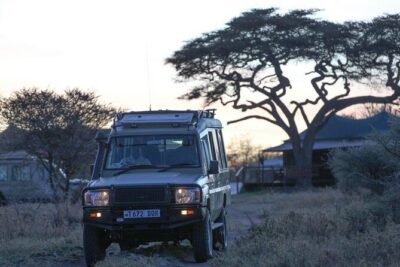
3-Day Ngorongoro Crater Manyara and Tarangire Safari from Arusha
Read our review →
From Zanzibar: 3-Day Selous Safari Trip with Flights
Read our review →
3days Serengeti National park and Ngorongoro Crater Tanzania Safari
Read our review →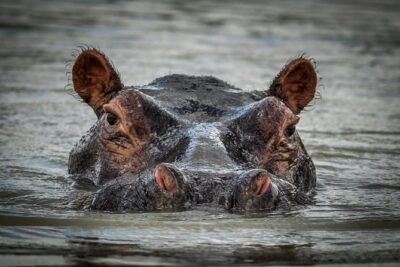
Browse the lists this tour appears in