
Reviewed · BIG FIVE SAFARIS
Arusha: 3-Day Serengeti & Ngorongoro Crater Big Five Safari
The real prize here is the chance to see Serengeti predators on open plains and then descend into Ngorongoro Crater, one of Africa’s most concentrated wildlife areas. I like the early sunrise drive on day two, and I like that park fees, meals, water, transport, and two nights of lodging are bundled into the $900 price.
You should also know that this is a hard-driving three days, with long hours on rough roads and only a short time in each park. Most feedback praises the guides, food, and animal sightings, but one serious safety report describes a vehicle overturning on the first day. Ask about vehicle checks and driving standards before you pay.
Key points to know before booking
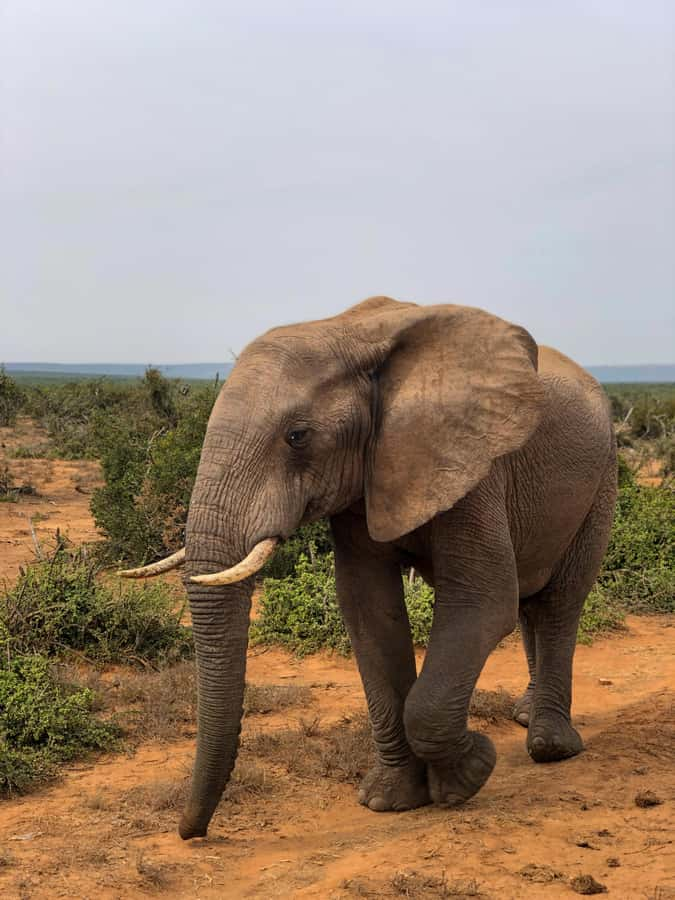
- The Big Five are a real possibility: Lions, elephants, buffalo, leopards, and rhinos can all appear, especially around Ngorongoro, though wildlife never follows a script.
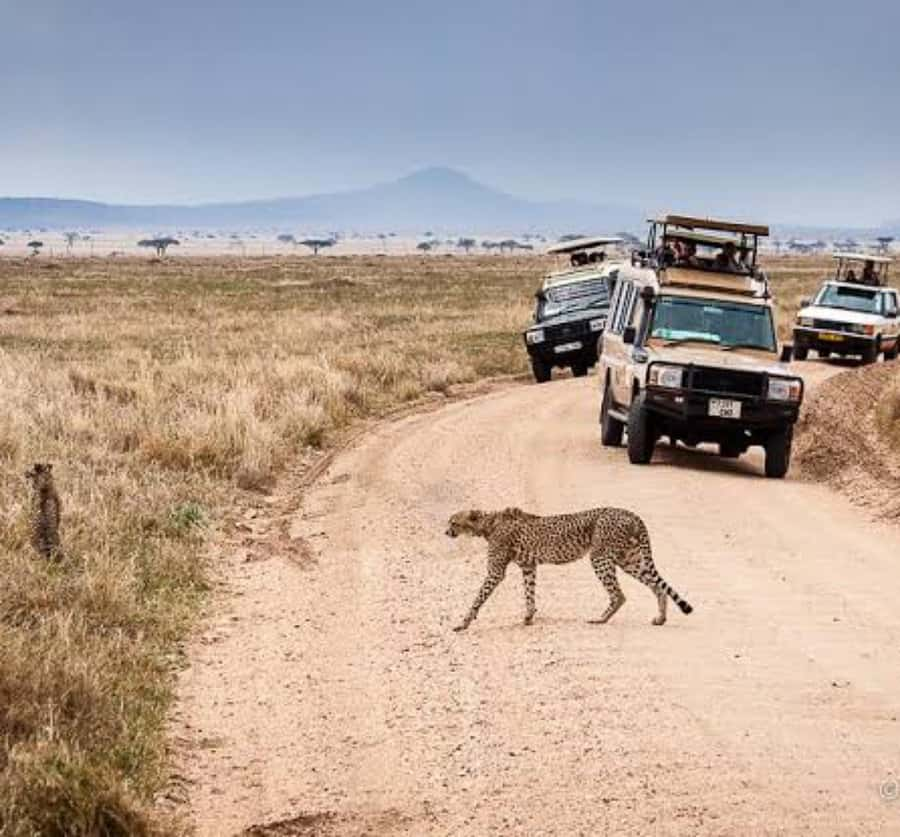
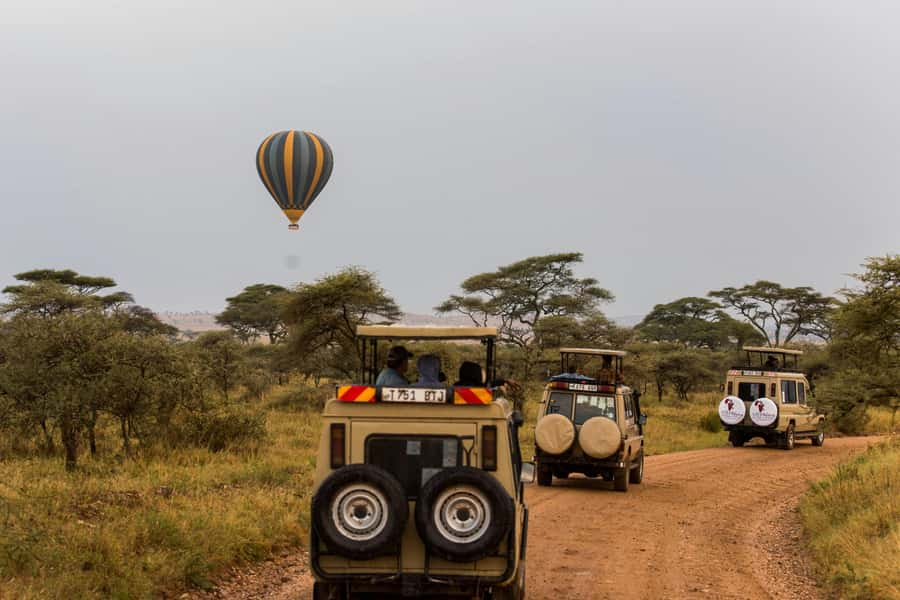
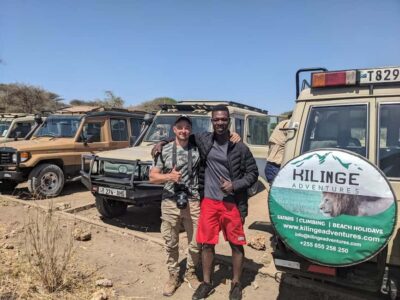
- You travel in a pop-up-roof Toyota Land Cruiser: The raised roof gives you better views and a good platform for photographs.
- Day two begins before sunrise: This is your best chance for active predators and cooler driving conditions.
- You choose comfort or adventure: Mid-range tented lodges are offered, or you can camp in public campsites with mattresses and cooking equipment.
- Meals are part of the package: Full-board food and bottled water are included, with a safari chef for camping trips.
- The roads can be rough: Pack light, expect jolting, and make safety a subject of your pre-trip conversation.
What $900 buys you on this three-day safari
At $900 per person, this safari sits in the practical middle of the Tanzania market, at least within the details provided. The price covers the expensive parts of a northern Tanzania trip: park entry fees, transit and concession charges, the Ngorongoro crater service fee, a 4×4 vehicle, a professional English-speaking driver-guide, meals, water, and two nights of accommodation.
That matters because park fees alone can add up quickly. You are not paying only for a seat in a jeep. You are buying access to two major conservation areas, a crater descent, a full-board plan, and the services of a driver who spends the day reading animal behavior and choosing viewing positions.
The value is strongest if you want a short safari from Arusha and do not want to arrange each piece yourself. It is less attractive if you dislike long road transfers or want several days in one park. Three days gives you a useful introduction, but it does not give you much spare time for slow exploration.
You can choose a mid-range option with Shuhudia Tented Lodge, Kumbukumbu Tented Lodge, Ngorongoro Wild Tented Lodge, Ngorongoro Safari Lodge, or a similar property. The exact property can vary, so ask for the confirmed names before departure. Camping costs less in comfort, but it adds a stronger sense of being outdoors, with public campsites at Tumbili and Simba, sleeping mattresses, tables, chairs, cooking equipment, and a safari chef.
More Safaris in Serengeti
- Serengeti Balloon Safari and authentic bush breakfast
★ 5.0 · 2,480 reviews - Balloon Safari & Bush Breakfast in Serengeti – Miracle Experience
★ 5.0 · 1,646 reviews - 3 Days Serengeti & Ngorongoro Group Camping Safari
★ 5.0 · 574 reviews
Leaving Arusha through Mto wa Mbu and the Rift Valley
The first pickup is early in the morning from Arusha or nearby locations such as Mto wa Mbu, Karatu, or Makuyuni. Central Arusha hotels make the start easier. Hotel pickup outside the city center can cost extra, and airport transfers are also separate services.
The drive takes you through the Great Rift Valley and the Ngorongoro Highlands. Mto wa Mbu provides a short cultural stop and a chance to see local village life and taste local produce. It is not the main event, but it breaks up the road journey and gives you a little contact with daily life beyond the safari vehicle.
Expect roughly five hours by jeep before the main Serengeti activity, depending on road conditions and stops. That is a long first stretch. Bring sunscreen, water is supplied, and keep your warm layer within reach. The vehicle has a pop-up roof, but the morning air can feel cool.
The road is part of the experience, yet you should not confuse scenic driving with relaxed touring. The route can be bumpy, and one Japanese visitor specifically praised guide Savio for calm driving after seeing other vehicles with trouble along the road. That is useful context: a good driver affects both comfort and safety.
Day one at Naabi Hill Gate and the Serengeti plains
After a picnic lunch en route, you reach Naabi Hill Gate, a main entry point for the Serengeti. This is where the trip changes from transfer to safari. Once inside, you begin a game drive across the park’s famous open plains.
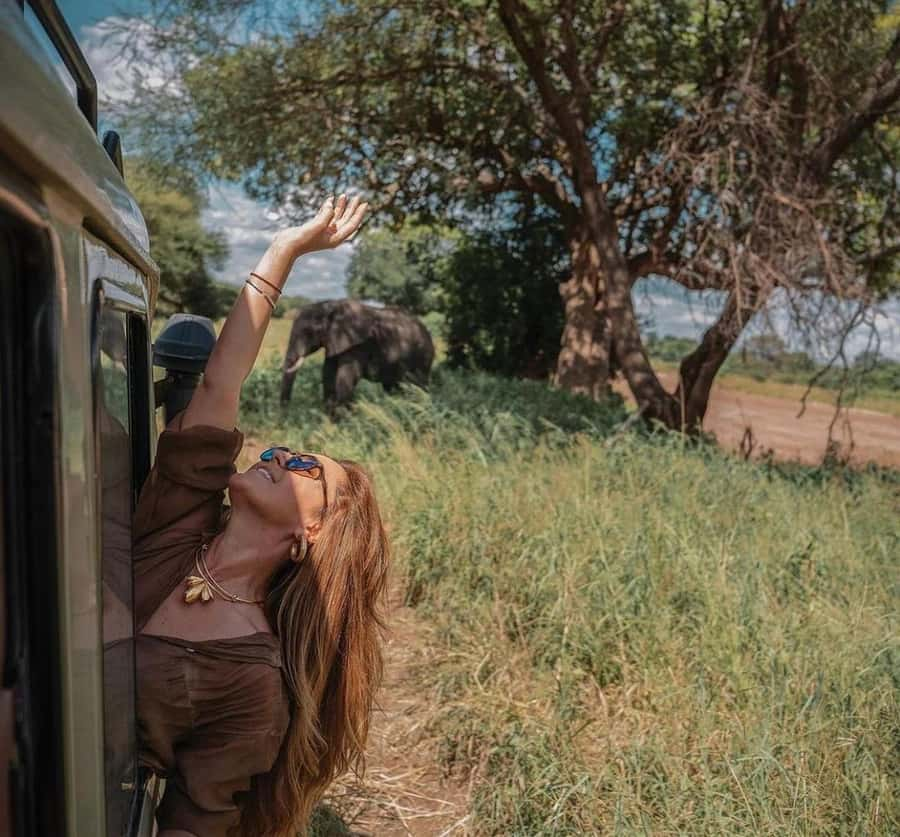
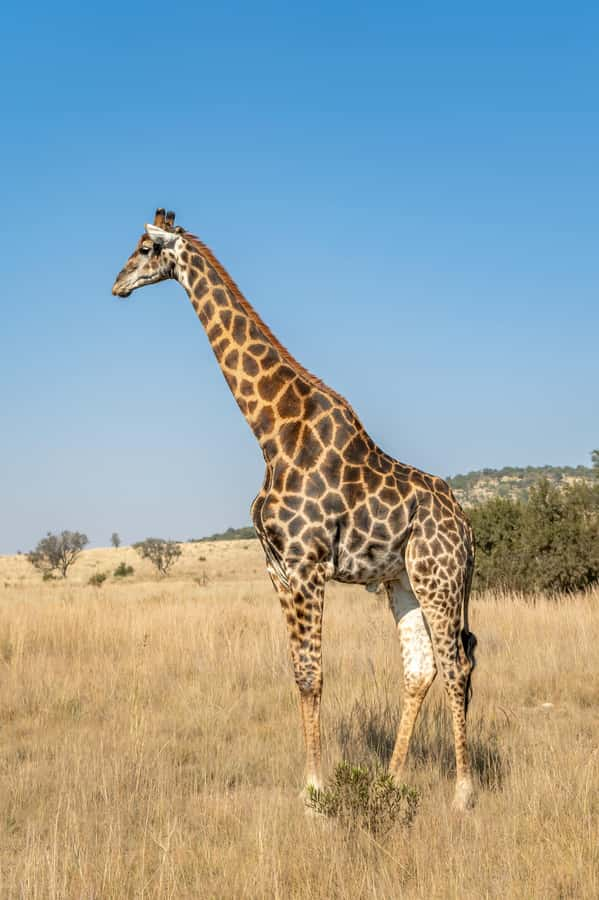
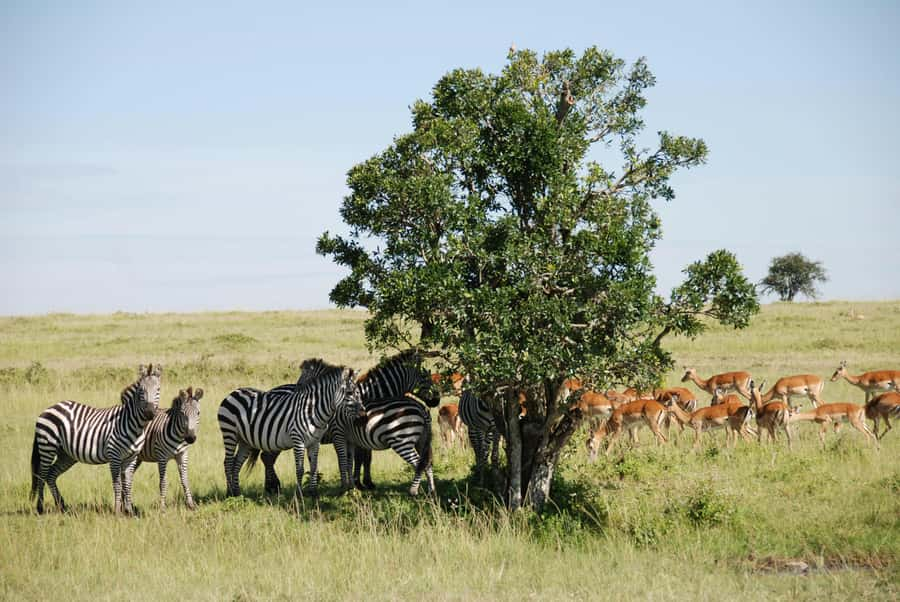
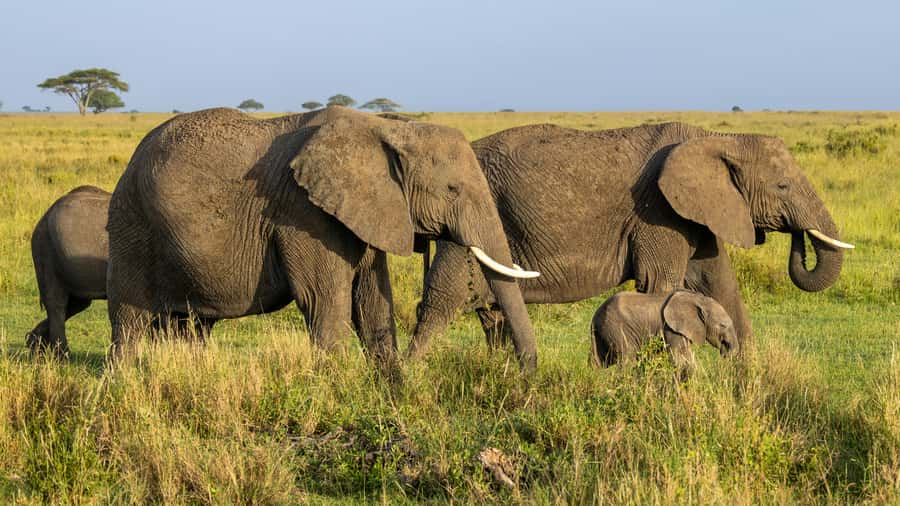
The appeal of the Serengeti is its scale. You may see elephants, giraffes, zebras, antelopes, and lions spread across a broad view rather than packed into a small enclosure. The open setting makes every sighting feel earned. A giraffe may be easy to spot against the sky, while a leopard can remain invisible even when your guide knows it is nearby.
Your guide is the key person in this part of the trip. Drivers such as Mike, Eric, Savio, and Nico have been praised for safe driving, animal knowledge, good viewing positions, and friendly conversation. Guides cannot control the animals, but they can read tracks, respond to radio information, and place the vehicle where you have a better angle without crowding the sighting.
You finish the day at a lodge, tented camp, or campsite. A lodge option gives you a bed and a more conventional evening. Public camping gives you a closer sense of the park, with wild sounds around camp and rangers present for safety. One camping account describes elephants, giraffes, and Cape buffalo near camp, which tells you why this choice feels exciting, though it is not the same as sleeping in a sealed city hotel.
Dinner and bottled water are included. If you are camping, the safari chef prepares the meals. Several accounts praise the food, including freshly prepared dinners and picnic-style lunches packed in large containers. That is a welcome advantage after a long day on rough roads.
Sunrise in the Serengeti before the move to Ngorongoro
Day two starts early, often before the heat builds. The sunrise drive is one of the strongest parts of the schedule because predators and prey are more active in the cooler morning. You have breakfast in the park, then continue with another morning drive.
This timing also gives you better light for photographs. The sun can turn the plains gold, while animals are easier to watch before they settle down during the hotter middle of the day. You still need patience. A safari is a search, not a parade, and sightings can be brief.
The schedule then turns toward the Ngorongoro Conservation Area. You travel through rolling highland scenery and savannah, stopping for a picnic lunch along the way. The supplied timing suggests about one and a half hours for one section and about two hours for another, but road conditions and wildlife stops can stretch the day.
Your second night is intended to be near the crater rim in a lodge, tented camp, or campsite. The accommodation details describe Ngorongoro Wild Tented Lodge, Ngorongoro Safari Lodge, or a similar mid-range property, with Simba Public Campsite for the camping option. One part of the schedule labels the overnight location as Serengeti, so confirm the exact second-night property before departure. The important practical point is that you should expect to be positioned for the crater visit on day three.
The crater rim is cooler than the plains. Pack a warm sweater, socks, and a jacket. Night temperatures can fall to about 5°C. A warm layer is useful even if Arusha felt hot when you left.
More Big Five safaris in Serengeti:
- Private 6-Day Tanzania Big Five Wildebeest Migration Tour in Serengeti
★ 5.0 · 11 reviews - Common 5 Days Tanzania Serengeti Big 5 Private Safari | BURIGI CHATO SAFARIS
★ 5.0 · 6 reviews - Big Five Safari In Tanzania
★ 5.0 · 99 reviews - Big Five Luxury Safari in Tanzania
★ 5.0 · 68 reviews
Descending 600 meters into Ngorongoro Crater
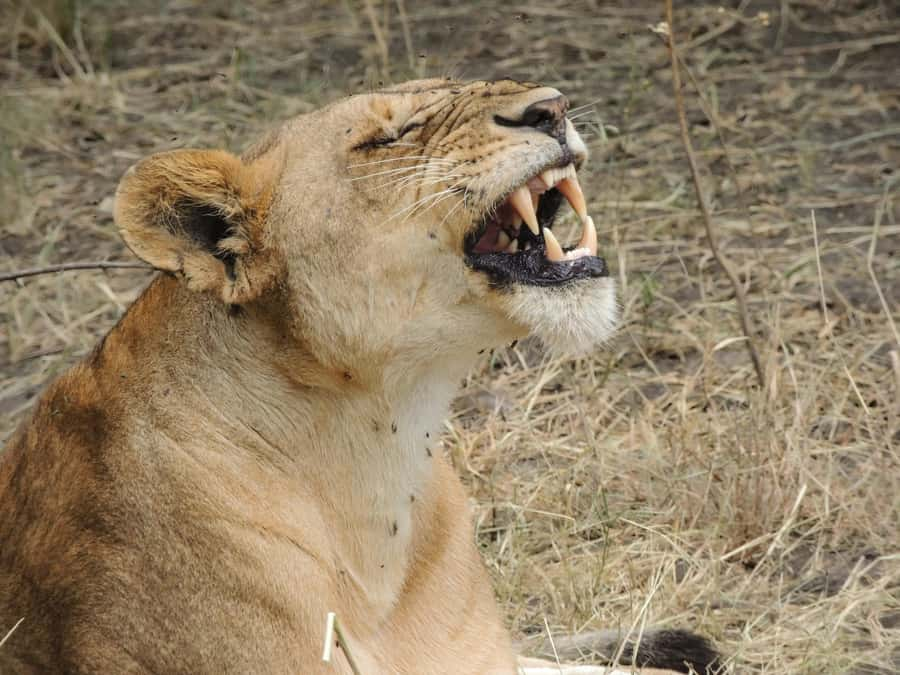
After breakfast on day three, the jeep descends roughly 600 meters into Ngorongoro Crater. The descent itself gives you a dramatic change of view, from the rim down to a broad bowl with grassland, water, and wildlife areas below.
Ngorongoro is especially good for a short safari because animals are concentrated within the crater. You may see lions, elephants, zebras, wildebeests, hippos, and, with luck, the black rhino. The crater is one of your best chances to complete the Big Five, though no responsible guide can guarantee all five.
The crater drive is not simply a checklist. You may spend time watching a pride of lions, looking across a group of grazing animals, or waiting for a rhino to appear at a distance. The vehicle’s open roof helps you see and photograph, but you must keep your hands and body inside as instructed. Feeding animals, touching animals, and using drones are forbidden.
A scenic picnic lunch gives you a break before the climb back up the crater wall. After the ascent, you return to Arusha in the afternoon, with drop-off at an Arusha hotel or the airport. The timing is useful for some onward plans, but you should not schedule a tight flight without confirming the return time. Traffic, wildlife stops, and road conditions can change the day.
Choosing between a lodge and a tent
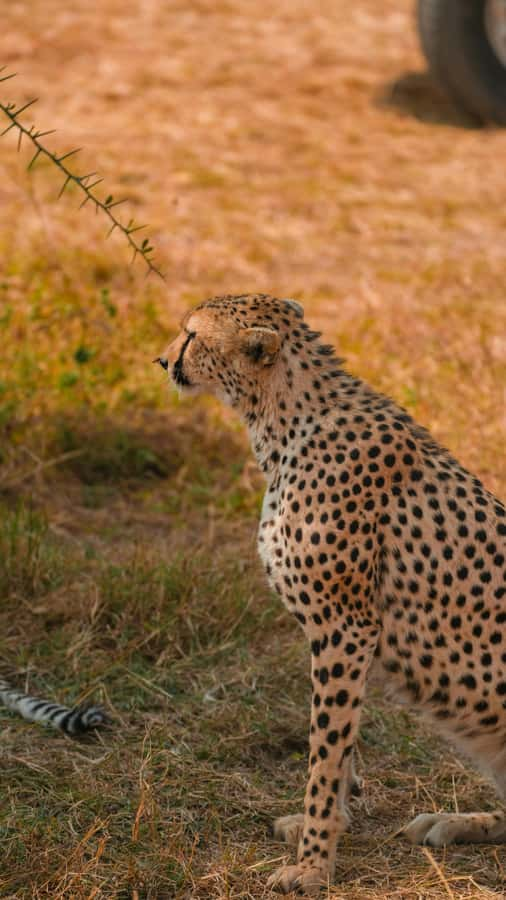
The mid-range lodge option suits you if you want a bed, a more settled evening, and less equipment to think about. The named properties are listed as examples, not guaranteed assignments, so ask which accommodation has been secured for your dates.
The camping option is more memorable for the right person. You sleep in tents with mattresses, use public campsites, and eat food prepared by a safari chef. Wild sounds can be close, and rangers help maintain safety. It is not luxury camping, and you should bring a towel and toilet paper because those items are specifically recommended.
Luggage is limited to 10 kilograms per person. Use a soft duffel rather than a hard suitcase. Extra bags can be stored at your hotel, which makes it easier to carry only what you need for the three days.
Bring neutral clothing such as beige, green, or white. Bright colors are discouraged. Add sunscreen, strong insect repellent, a warm jacket, socks, binoculars, and comfortable clothing for a dusty, bumpy vehicle ride. The guide has a binocular available to share, but your own pair means you will not need to wait.
Guides, food, and the human side of the trip
The strongest part of this experience is likely to be the driver-guide. Mike is praised for explaining animals, nature, and Maasai culture. Eric is described as friendly and well informed about the many animal and bird species seen on the route. Savio receives particular credit for calm driving, while Nico is praised for positioning the vehicle so animals could be seen clearly.
Names are not guaranteed for every departure, but they show the kind of service you should expect from Season Master Adventures. You want a guide who can explain what you are seeing, drive safely, answer questions, and avoid rushing each sighting.
Food is another strong point. Full-board meals include breakfast, lunch, and dinner each day. Camping trips include a professional chef, and meals may be prepared fresh rather than handed over as a basic boxed lunch. The picnic format, with food packed into larger containers, lets you eat together during the day.
The package also includes a safari certificate. That is a small extra, but it can be a pleasant reminder of the trip after you return home.
The important safety and comfort questions
Most of the available feedback is highly positive, with a 4.6 rating from 20 bookings and repeated praise for guides, food, animal variety, and camp organization. Several people report seeing the full Big Five, and one camping trip during calving season included large herds and about three dozen animal and bird species.
Still, one serious account describes a jeep in poor condition, reckless driving, and an overturning on the first day that caused injuries. The operator provided support and a refund, but the incident is important enough that I would ask direct questions before booking:
- How recently was the vehicle serviced?
- Who is the assigned driver-guide?
- What happens if the vehicle breaks down?
- Are seat belts available and required?
- How are long transfers handled safely?
These questions do not mean you should automatically reject the safari. They mean you should treat vehicle condition as part of the purchase, not a minor detail. A 4×4 safari involves rough roads, and careful driving matters as much as animal knowledge.
The tour is wheelchair accessible according to the supplied details, but the rough roads and vehicle transfers may still require careful planning. Pregnant women are advised not to take the trip, which makes sense given the jolting roads and long days in the jeep.
Who should book this safari
I would recommend it to a first-time safari visitor who has three days, wants the Big Five, and is staying in Arusha. It also suits you if you like a full schedule and want both the wide Serengeti and the concentrated wildlife of Ngorongoro in one short trip.
Camping is best for someone who sees nighttime sounds and basic facilities as part of the adventure. The lodge option is better if you want a little more rest between long drives.
I would hesitate if you need a slow pace, dislike rough roads, or have a strict flight schedule immediately after the return. You should also reconsider if you expect guaranteed sightings. Wildlife is wild, and even the best guide cannot promise a leopard or rhino on demand.
Free cancellation is available up to 24 hours before the start, and you can reserve without paying immediately. That gives you useful flexibility, but you should still confirm accommodation, pickup location, vehicle condition, and the assigned guide before finalizing the plan.
Should you book the Serengeti and Ngorongoro three-day safari?
Book it if you want a compact northern Tanzania safari with major park fees and meals already handled. The combination of sunrise Serengeti drives, a crater descent, a pop-up-roof Land Cruiser, and the option of camping gives you a lot for three days.
My main advice is to choose the guide and safety details carefully. Ask for the confirmed accommodation and driver, keep your luggage under 10 kilograms, bring warm clothing and insect repellent, and allow plenty of time for the return to Arusha.
For the right budget-conscious safari newcomer, this is a strong short route. It gives you real wildlife time rather than only a scenic transfer, but you must accept long road hours, rough surfaces, and the uncertainty that makes a safari a safari.
FAQ
How long is the safari?
The experience lasts three days and starts and ends in the Arusha area.
What parks and conservation areas are included?
The route includes Serengeti National Park, the Ngorongoro Conservation Area, and a game drive inside Ngorongoro Crater.
Is transportation included?
Yes. Transport is provided in a 4×4 Toyota Land Cruiser with a pop-up roof throughout the safari.
Are park fees included in the price?
Yes. Entry fees, transit fees, concession or camping fees, and the Ngorongoro crater service fee are included.
What accommodation options are available?
You can choose mid-range lodges or tented lodges, or select public campsite accommodation with tents and sleeping mattresses.
Are meals and drinking water included?
Yes. Breakfast, lunch, dinner, and bottled drinking water are included during the safari. Camping trips also include a professional safari chef.
What should I bring?
Bring sunscreen, high-quality insect repellent, neutral-colored clothes, a warm sweater, socks, a jacket, binoculars if you have them, a towel, and toilet paper. Luggage is limited to 10 kilograms per person, and soft duffel bags are recommended.
More Three-Day Trips in Serengeti
- 3-Day Classic Serengeti Safari
★ 5.0 · 263 reviews - 3 Day Serengeti National Park & Ngorongoro Crater Camping Safari
★ 5.0 · 142 reviews - 3 Days Small Group Safari to Serengeti NP and Ngorongoro Crater Tour in Tanzania
★ 5.0 · 77 reviews - 03 days Serengeti and Ngorongoro Crater group (camping)
★ 5.0 · 75 reviews
Just added around Serengeti
- Serengeti & Ngorongoro 3 days Fly Safari in from Zanzibar★ 5.0 · 21 reviews
- 3 Days Serengeti National Park from Zanzibar★ 4.5 · 3 reviews
- 4-Day Serengeti, Ngorongoro,Tarangire safari★ 5.0 · 3 reviews
- Serengeti 2-Day Safari from Mwanza★ 5.0 · 16 reviews
- Serengeti Day Trip Tour from Mwanza★ 5.0 · 4 reviews
- Full-Day Serengeti Tour from Mwanza★ 5.0 · 11 reviews
- Discover Our Best Guide for 1-Day Serengeti Safari from Mwanza★ 5.0 · 5 reviews
- Serengeti Day Trip Safari From Mwanza Tanzania★ 5.0 · 7 reviews
Big Five Safaris, compared.
2 days Mid Range Safari in Ngorongoro and Tarangire Big 5 Parks
Read our review →
1-Day Ngorongoro Crater Special Big 5- Joining Group Safari
Read our review →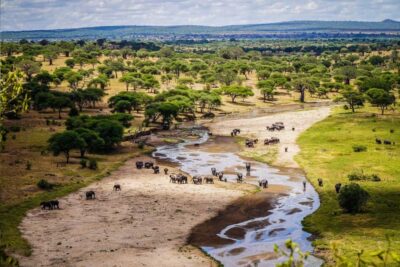
Browse the lists this tour appears in