
Reviewed · SAFARIS IN NGORONGORO
Arusha: 3-Day Safari to Ngorongoro Crater and Serengeti
The great draw here is the chance to see Ngorongoro Crater and Serengeti in only three days. You get crater scenery, open savanna, big cats, elephants, zebras, and camping beneath African skies without arranging each piece yourself.
I like the strong mix of wildlife and scenery, especially the chance to see lions, cheetahs, giraffes, hippos, and possibly rhinos. I also like that tents, mattresses, sleeping bags, meals, water, and camping equipment are included. The main concern is uneven organization, with reports of long waits, vehicle problems, route changes, and late starts that can cut into safari time.
Key points
- Ngorongoro Crater: Descend into a compact wildlife area with forest, open grassland, lakes, and good Big Five potential.
- Serengeti camping: Sleep in tents inside the park, where you may hear lions after dark and see zebras close to camp.
- Shared safari format: A lower-cost way to visit two major parks, but vehicle space and group coordination matter.
- Long driving days: The route covers major distances, and time on rough roads can be substantial.
- Park fee extra: A national park charge is not included, with one booking experience reporting a fee of about $210.
- Arusha pickup included: Hotel pickup in Arusha is free, while pickup from Moshi costs extra.
Two famous parks in three demanding days
This safari packs two of Tanzania’s best-known wildlife areas into a short schedule. That is its appeal and its challenge. You can see a remarkable amount in a long weekend, but the route involves big distances, early starts, changing camp arrangements, and little spare time if transport problems occur.
The experience is built around a shared safari vehicle, a professional English-speaking guide, and camping rather than lodge accommodation. That keeps the package practical and potentially good value for someone who wants wildlife first and does not need a polished, private trip.
The strongest parts are the animals and the food. One especially successful outing included lions, cheetahs, elephants, giraffes, and other wildlife on the first evening. Meals also receive high praise, which matters when you are spending long hours outside and moving between parks.
Still, you should approach the three days with realistic expectations. The advertised order may not always be followed, and the vehicle may carry luggage, equipment, and a full group. Ask for the exact route, group size, vehicle capacity, park fee, and camping plan before you pay.
More Safaris in Ngorongoro
- 3-Day Ngorongoro Crater Manyara and Tarangire Safari from Arusha
★ 5.0 · 49 reviews - 6 days 5 nights safari Ngorongoro, Serengeti and Tarangire National Parks
★ 5.0 · 39 reviews - 5-Day Ngorongoro Crater and Lake Manyara Safari from Arusha
★ 5.0 · 28 reviews
Day 1: Arusha to the Ngorongoro Crater
The planned first day begins with an early drive from Arusha toward Ngorongoro. The crater is a huge volcanic caldera, and its floor contains several types of scenery in a relatively compact area. You can expect open grassland, woodland, lakes, and wildlife-rich stretches where animals gather.
A crater game drive offers some of the best odds of seeing large mammals in a short period. Lions, elephants, buffalo, zebras, wildebeest, and many birds are all part of the expected mix. Rhinos are possible, though no safari can promise a sighting, and leopards are always more elusive than the headline animals.
The crater itself is a major part of the reward. From the rim, the setting feels broad and almost self-contained. Once the vehicle descends, the surroundings change quickly from high viewpoints to open ground and wet areas where animals feed or rest.
The trouble is timing. The drive from Arusha to the first proper wildlife viewing can take many hours. One account described roughly eight hours before the first animal sighting, while another reported arriving very late after delays and repairs. That means the quality of Day 1 depends heavily on departure time and vehicle readiness.
A practical point: confirm whether Day 1 really includes the crater game drive. The stated plan puts Ngorongoro first, but the route can be rearranged, with Serengeti coming before the crater. A different order is not automatically bad, but you should know what you are buying.
Camping near Ngorongoro
Camping is included, along with a tent, sleeping bag, mattress, and general camping equipment. That is useful because you do not need to carry a full camp kit from home.
The setting can be a memorable part of the trip. At one campsite near Ngorongoro, zebras were seen only a few metres from the tents. Morning at the campsite was described as especially beautiful, with the highland air and nearby wildlife creating a strong sense of place.
Camping also brings limits. Facilities may be basic, and conditions can vary. One account described poor toilet and lighting arrangements, including a lack of toilet doors and dark paths at night. You should carry a headlamp or small flashlight, even though only a daypack and power bank are specifically listed as items to bring.
A night in a tent is not the same as a lodge stay. You may hear wildlife nearby, and you will have less privacy and comfort. If that sounds exciting rather than inconvenient, the camping format adds something a standard hotel cannot.
Day 2: From Ngorongoro toward Serengeti
The second day moves toward Serengeti National Park, passing through striking countryside and Maasai communities. The route itself can be rewarding, but it is also another long road day. You should expect time spent seated in the safari vehicle before the main game drive begins.
Serengeti is famous for wide grass plains and the Great Migration, but wildlife viewing does not depend on seeing the migration. Lions, cheetahs, giraffes, elephants, zebras, wildebeest, and hippos are all possible. The afternoon light can be excellent for photographs, especially when animals are set against open golden plains.
The park rewards patience. You may spend time driving between sightings, and the guide may follow known wildlife areas. At the same time, route variety matters. One account described the vehicle using some roads repeatedly instead of visiting more varied parts of the park. You can politely ask your guide what area you are heading toward and why, particularly if the vehicle appears to be retracing the same route.
The description also refers to Maasai villages. Do not assume a village visit is included unless the operator confirms it before departure. A promised stop may be removed from the schedule or offered for an additional charge. That is an important point to settle in writing.
More Ngorongoro safaris to compare:
- 2 days Mid Range Safari in Ngorongoro and Tarangire Big 5 Parks
★ 5.0 · 27 reviews - 3 Days Safari Ngorongoro Crater and Serengeti National Park
★ 5.0 · 21 reviews - Ngorongoro Crater Day Trip – Shared Group Safari
★ 5.0 · 16 reviews - 3 Days Serengati and Ngorongoro crate group tour and safari
★ 5.0 · 13 reviews
Serengeti after dark
The Serengeti camping night is one of the most appealing parts of this trip. You sleep in a tent inside the park rather than returning to a town. One particularly memorable night included the sound of lions roaring from the tent.
That does not mean you should walk around after dark. Stay with the camp arrangements and follow the guide’s instructions. The supplied information does not specify the exact campsite facilities, so ask about toilets, lighting, shower access, and the number of people sharing each tent area.
Stargazing is another stated part of the evening. With the camp away from city lights, the night sky can be a fine counterpoint to the daytime wildlife. The combination of darkness, animal sounds, and open country gives the trip its strongest sense of adventure.
Food is a real advantage here. Meals are included, and the cooking received especially warm praise. Confirm the meal schedule and tell the operator about dietary needs before departure, since the available information does not list special meal arrangements.
Day 3: Sunrise wildlife and the long return
The final day is planned around an early morning game drive in Serengeti. This is a sensible schedule because lions and other predators may be active early, while herbivores graze in the cooler light. Sunrise also gives the plains softer colors and better photographic conditions than the bright middle of the day.
After the drive, you have breakfast and begin the return to Arusha. The schedule leaves little room for a second full Serengeti day. If you value long wildlife drives more than a quick return, ask how much time is actually reserved for the morning safari.
Operational delays are especially serious on Day 3. A late start can mean missing the hours when animals are most active. Reports describe vehicle repairs and a departure that did not happen until around 9 a.m. On another trip, the group returned to Arusha in the afternoon after a shortened final day.
This is why the vehicle condition matters so much. A safari vehicle is not just transport. It is your viewing platform, luggage space, shelter from sun and dust, and the thing that determines how much park time you receive. Ask whether the vehicle will carry a cook, how many passengers it holds, and how much room remains for bags.
Shared safari value and group space
A shared safari can be a sensible way to reduce the cost of visiting two expensive parks. You receive transport, a guide, camping equipment, meals, and water in one package. For a first safari, that can simplify planning and let you focus on the animals.
The tradeoff is less control. You may not choose the route, departure time, campsite, or pace. A shared group also needs agreement about breaks, wildlife stops, luggage, and how long to wait at gates.
Vehicle capacity deserves special attention. One group faced a dispute because seven passengers, a driver, and a cook did not fit comfortably with luggage in the vehicle. The issue was not simply comfort. Crowding affects visibility, legroom, safety, and the mood of the entire trip.
Before booking, get clear answers to these questions:
- How many passengers will be in the vehicle?
- Will a cook ride with the group?
- Is all luggage carried inside the passenger area?
- What happens if the vehicle breaks down?
- Which park comes first?
- How many hours are reserved for game drives?
The operator is KILINGE -ADVENTURES. The included guide is described as a professional English-speaking guide, but no individual guide name is provided. Ask for the guide’s name and the final group size before departure if those details matter to you.
Costs that change the value
The price cannot be judged from the package alone because the national park fee is not included. One booking account puts that charge at about $210. Confirm the current amount and whether it applies per person, since fees can depend on park rules, nationality, age, and the exact permit arrangement.
The package includes several useful items: tent accommodation, guided game drives, an English-speaking guide, safari transport, meals, drinking water, a sleeping bag, a mattress, and camping equipment. Alcoholic drinks and travel insurance are not included.
That can make the trip good value if the service runs to plan. You avoid separately arranging a vehicle, guide, camp kit, food, and park access. But a low headline price becomes less attractive if long waits reduce wildlife time or if repairs and route changes consume a day.
Pickup from an Arusha hotel is free. Pickup from Moshi costs extra, so add that transfer charge before comparing this safari with alternatives. You should also budget for personal snacks, drinks beyond the supplied water, tips, and the park fee, though the exact tipping guidance is not provided here.
What to pack for a smoother trip
The official packing advice is short: bring a daypack and power bank. I would treat those as the minimum, not the full list.
A power bank is useful because long drives, photos, and navigation can drain a phone. A daypack keeps your water, documents, camera, medication, and warm layer close without forcing you to open the main luggage during the safari.
The camping details point to a few practical additions. Bring a flashlight or headlamp for dark paths, comfortable clothing for long vehicle rides, sun protection, and a warm layer for cool mornings and nights. These suggestions are sensible for the conditions described, but the supplied information does not provide a formal weather or baggage list.
Keep important items with you rather than buried in shared luggage. Space may be limited, particularly if cooking gear and camping equipment are loaded into the same vehicle.
Who should book this safari?
I would consider this trip if you have only three days, want both Ngorongoro and Serengeti, and prefer a shared package to planning a private safari. It suits you best if you are comfortable with basic camping, long road journeys, early starts, and some loss of control over the schedule.
The wildlife potential is excellent. Ngorongoro offers varied habitats in a compact crater, while Serengeti gives you broad plains and a better sense of open-country scale. The food and camping atmosphere can also be memorable.
I would be cautious if you need precise timing, reliable vehicle standards, private space, or a guaranteed itinerary. The overall rating is 4.1 from 43 ratings, but the very low scores focus on serious issues: late departures, unclear communication, repairs, overcrowding, and missed game-drive time.
My best advice is to confirm everything before departure: park order, exact fee, passenger count, cook arrangements, vehicle condition, camping facilities, Maasai visit, and what happens if a vehicle problem changes the schedule. Those answers will tell you more about the value than the advertised highlights.
Should you book KILINGE -ADVENTURES?
Book it if your priority is reaching two major parks on a limited budget and you can accept a rugged, shared camping trip. The strongest rewards are genuine: big wildlife sightings, good food, lions audible near camp, zebras close to the tents, and beautiful Ngorongoro mornings.
Think twice if you are paying for a carefully timed luxury safari or have no flexibility for delays. The itinerary may work well when the vehicle and coordination are sound, but the reported organization problems are too specific to ignore. For this tour, clear pre-trip communication is not a minor detail. It is the key test of whether the three days will feel like a bargain or a frustrating race between repair stops.
FAQ
Where does the safari start?
The safari starts in Arusha, Tanzania. Free hotel pickup is provided for clients in Arusha.
Is pickup from Moshi included?
No. Pickup from Moshi requires an additional transfer payment.
How long is the safari?
The experience lasts three days.
Which parks are included?
The planned route includes Ngorongoro Crater and Serengeti National Park.
Is the national park fee included?
No. The national park fee is paid separately. One booking account reports a charge of about $210, so confirm the current amount before departure.
What type of accommodation is provided?
Accommodation is in tents. A sleeping bag, mattress, and camping equipment are included.
Is a guide included?
Yes. A professional English-speaking guide is included.
Are meals included?
Yes. Meals are provided according to the itinerary.
Is drinking water provided?
Yes. Drinking water is included.
Are alcoholic drinks included?
No. Alcoholic beverages are not included.
What should I bring?
Bring a daypack and power bank. A flashlight or headlamp is also a practical choice for camping at night, especially because lighting facilities may be basic.
More Three-Day Trips in Ngorongoro
- 3 days safari in North- Ngorongoro, Tarangire, Mt. Oldeani
★ 4.5 · 9 reviews - 3 Days Joined Group Safari Ngorongoro,Lake Manyara and Tarangire National Park
★ 5.0 · 4 reviews - 3-Day Safari to Ngorongoro, Tarangire & Lake Manyara NP
★ 5.0 · 3 reviews - 3 Days Serengeti & Ngorongoro Group Camping Safari
★ 5.0 · 574 reviews
Just added around Ngorongoro
- 7 Days Rhino Ngorongoro Crater Safari Tour★ 5.0 · 5 reviews
- 1 days Tanzania Sharing Joining group Safari – Ngorongoro Crater★ 5.0 · 3 reviews
- 3 days safari in North- Ngorongoro, Tarangire, Mt. Oldeani★ 4.5 · 9 reviews
- 5-Day Private Adventure Tour to Ngorongoro Conservation Area★ 5.0 · 11 reviews
- Ngorongoro Crater Day Trip★ 5.0 · 5 reviews
- Ngorongoro Crater Day Trip★ 4.5 · 4 reviews
- 1 Day Private Ngorongoro Crater Safari★ 4.5 · 7 reviews
- Ngorongoro Crater Exclusive: A Journey into Africa’s Eden★ 4.5 · 7 reviews
Safaris in Ngorongoro, compared.
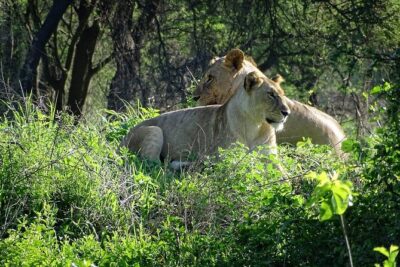
3-Day Ngorongoro Crater Manyara and Tarangire Safari from Arusha
Read our review →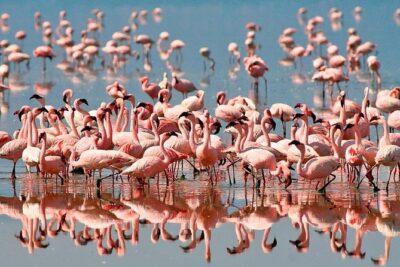
6 days 5 nights safari Ngorongoro, Serengeti and Tarangire National Parks
Read our review →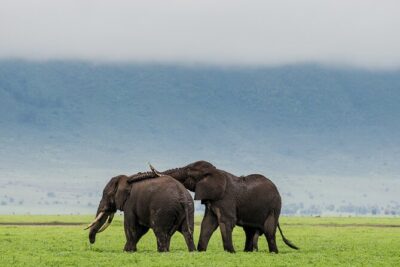
Ngorongoro Crater Day Trip – Shared Group Safari
Read our review →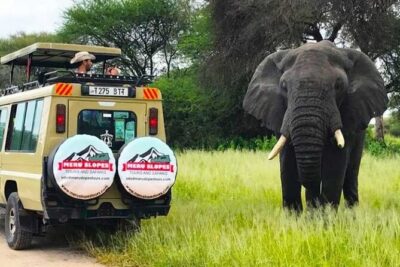
3 Days Serengati and Ngorongoro crate group tour and safari
Read our review →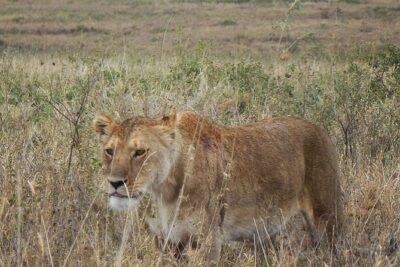
Best Ngorongoro crater Tanzania Safari 1- Day tour Experience
Read our review →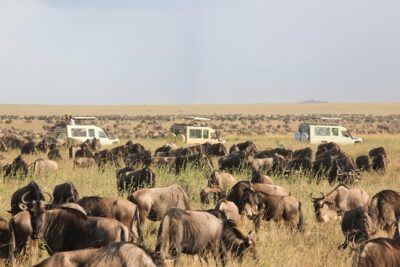
1 days Tanzania Sharing Joining group Safari – Ngorongoro Crater
Read our review →Browse the lists this tour appears in