
Reviewed · STONE TOWN TOURS
Stonetown Historical Walking Tour & Traditional Lunch
Stone Town’s best stories are tucked into narrow lanes, old market halls, and buildings shaped by Arab, Persian, Indian, and European influence. This three-hour walk begins at the former slave market and carries you through the city’s major sights before ending with a local lunch.
I like the fish auction because it shows Stone Town as a working city, not just a heritage display. I also like the guides, with Ahmed praised for answering questions and Juma warmly remembered for bringing the streets and history to life. The main drawback is value: at $60, some people may find three hours plus lunch a little costly, especially since the tour moves briskly.
Key points to know before booking
- Fish auctions at the city market: See locals bid on seafood alongside fruit, meat, chicken, and spice stalls.
- Former slave market opening: Begin at the Anglican Church, one of the most important places connected with Stone Town’s slave-trade past.
- Major landmarks in a short walk: Cover the Palace Museum, House of Wonder, Old Fort, Tippu Tip’s former home, Peace Memorial, and Natural History Museum.
- Freddie Mercury photo stop: Stop outside the famous musician’s former home for a quick picture.
- Lunch is included: Finish at a cozy local restaurant, with entrance fees, guide fees, and drinking water also covered.
- Pickup needs checking: The standard meeting point is in front of Old Fort at 9 AM. Hotel collection is optional for hotels in Zanzibar’s North or West regions.
Starting at Stone Town’s former slave market
The tour starts at the Anglican Church, built on part of the old slave market site. This is the right place to begin because Stone Town’s past is not only about grand palaces and sea trade. It also includes the painful history of human trafficking through Zanzibar.
You will not simply be ticking off buildings. The opening stop gives the rest of the walk a more serious frame. As you move through the old streets, Arab, Persian, Indian, and European influences appear in the city’s architecture, religion, trade, and public buildings.
A good guide matters here. Fábio praised the guide’s command of the city’s history, while the guide Ahmed received especially strong praise for answering questions clearly. Juma was also singled out by name for making the streets and story of Stone Town meaningful. You cannot request a particular guide with certainty from the information provided, but Ahmed and Juma are useful names to note when arranging your booking.
The first section can be emotionally heavy. If you prefer a light sightseeing stroll, be ready for a more difficult subject at the start. If you want context for Zanzibar beyond its beaches, this is one of the tour’s most valuable stops.
More Walking Tours in Zanzibar
- Stone Town Private Walking Tour
★ 5.0 · 371 reviews - Zanzibar: 3 Hours Private Stone Town walking Tour with Guide
★ 4.6 · 301 reviews - Zanzibar: Stone Town Historical Cultural Walking Guided Tour
★ 4.5 · 179 reviews
Through the narrow streets to the city market
From the old slave market site, the walk heads into Stone Town’s narrow streets. These lanes are part of the pleasure, but they also affect the pace. You will be on foot for most of the experience, often moving from one compact sight to another rather than stopping for long periods at each building.
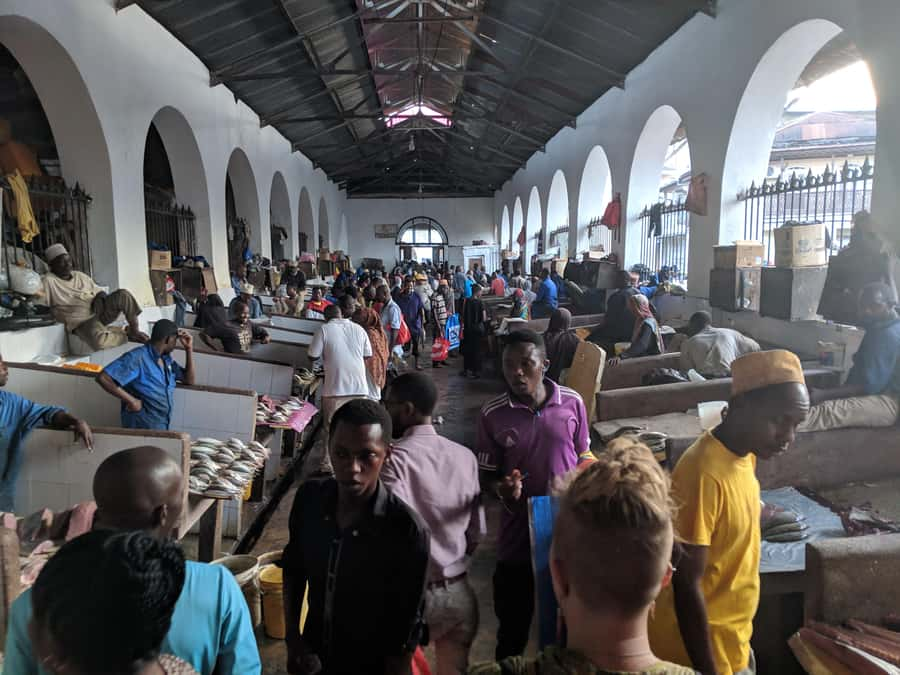
The city market brings a different side of Stone Town into view. It is described as the biggest market on the islands, with locals buying and selling fruit, fish, meat, chicken, and spices. The key moment is the fish auction, where local buyers bid on seafood.
This is a useful stop because it shows how the city operates today. A palace can tell you about rulers and trade routes, but a market shows daily life. The auction may be busy and noisy, and it is not arranged like a museum exhibit. Keep your belongings close and follow the guide’s instructions as you move through the stalls.
You may find the market more memorable than some of the grand buildings. It has a direct, practical feel. It also gives you a chance to see food being traded locally rather than simply presented on a restaurant plate later in the day.
Palace Museum and the House of Wonder
The route then covers two of Stone Town’s most recognizable buildings: the Palace Museum and the House of Wonder. The Palace Museum offers a look at the former royal setting, while the House of Wonder, also known as Bait-al-Ajab, is described as the largest and tallest building in Stone Town.
The House of Wonder is an important visual marker in the old city. Its size makes it easy to spot, and its name hints at the grand ambitions behind it. The tour includes these main sights, but you should clarify how much time is planned inside each building when you book. One account specifically described seeing the outside of the House of Wonder, so the experience may focus more on exterior explanation than a full indoor visit.
That distinction matters. A three-hour tour covering many stops cannot give every building an extended museum visit. You are paying for a guided overview of Stone Town’s main sights, not a slow study of one palace.
I like this arrangement for a first visit. You get a map of the city’s major landmarks and can return later to any museum or building that deserves more time. If you already know Stone Town well and want lengthy interior visits, the schedule may feel too tight.
Old Fort, Tippu Tip, and the city’s changing story
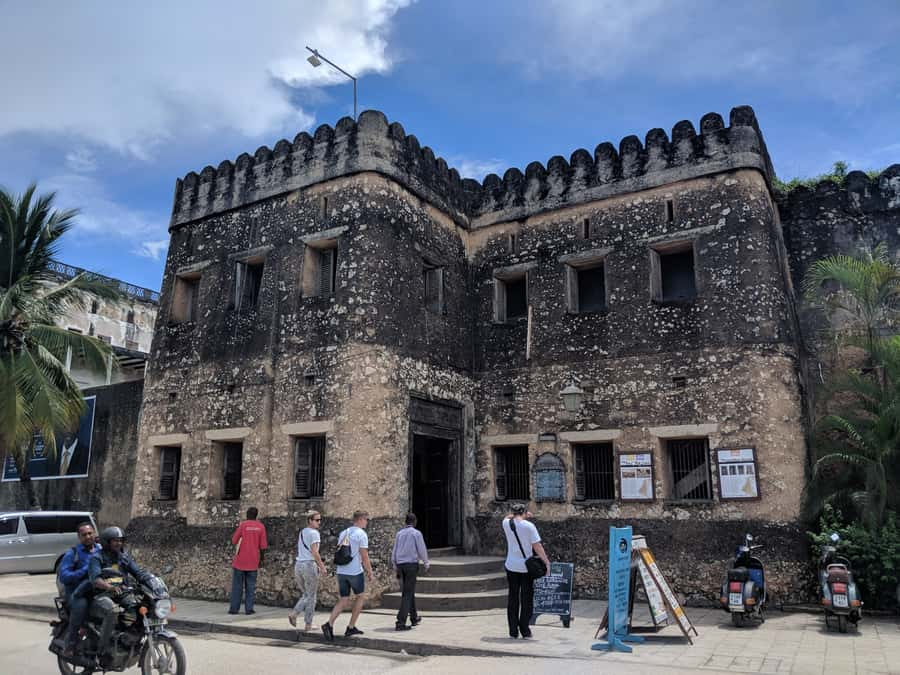
The Old Fort is another key stop. Its heavy walls and central position make it one of the easiest landmarks to recognize. The fort helps explain Stone Town’s defensive and trading importance, and it provides a strong contrast with the more decorative palace buildings.
The route also includes Tippu Tip, linked with one of East Africa’s best-known traders and slave merchants. This stop returns the tour to the complicated subject introduced at the Anglican Church. Stone Town’s past cannot be reduced to one simple story of beautiful architecture. Trade, power, religion, and exploitation all shaped the city.
The guide’s explanation is particularly important at places like this. A building alone cannot tell you how it fits into Zanzibar’s past. The strongest part of this tour appears to be the human explanation, especially if you ask questions. Ahmed was praised for handling questions about Stone Town’s history, so an inquisitive visitor should get more from the walk than someone who simply follows the group from one photo stop to the next.
The Old Fort and surrounding sights are also practical orientation points. After the tour, you will have a better sense of where the old city’s main attractions sit in relation to one another.
More Stone Town walks:
- Zanzibar: Stone Town, Spice Tour, Prison Island with Lunch
★ 4.4 · 1,219 reviews - Zanzibar: Prison Island, Stone Town, & Spice Farm Tour
★ 4.5 · 579 reviews - Zanzibar; Prison Island, Nakupenda, StoneTown Tour with BBQ
★ 4.3 · 457 reviews - Zanzibar: Stone Town, Spice tour & Prison Island with Lunch
★ 4.6 · 453 reviews
Freddie Mercury’s house and modern Stone Town

The stop at Freddie Mercury’s house brings the walk into the present. Freddie Mercury was born in Zanzibar, and his former home is now one of Stone Town’s most popular photo stops.
Expect a picture near the house rather than a long museum visit. This is a short stop, but it gives the tour a change of tone after the heavier historical sites and formal buildings. It also connects Stone Town with a figure recognized far beyond Zanzibar.
I like that this stop sits within a wider city walk rather than being treated as the whole point of the outing. You get the familiar photo, then continue through the streets to see how the famous name fits into the broader city.
If Freddie Mercury is your main reason for booking, keep your expectations measured. The supplied details identify the house as a photo stop, not as an included interior attraction.
Peace Memorial and the Natural History Museum

The itinerary also includes the Peace Memorial and Natural History Museum, along with other Stone Town sights. These stops broaden the tour beyond the best-known buildings.
The Peace Memorial gives the walk another public and civic landmark. The Natural History Museum adds a different subject from the palace, fort, and market. Because the tour includes many places in only three hours, the amount of time at each one will likely be limited.
That is not necessarily a weakness. I would treat this as a guided introduction, useful for deciding where to spend more time later. If you want to enter every museum and read every display, choose a longer or more specialized visit. If you want the city’s main points explained in one morning, this format is more efficient.
The tour’s appeal is its range. In one outing, you move from a former slave market to a food market, from royal buildings to a fort, and from a famous musician’s home to public museums. The variety makes the city easier to understand as a living place rather than a collection of unrelated stops.
Local lunch in a cozy restaurant

The walk ends with lunch at a local restaurant. Lunch is included, as are drinking water, guide fees, and entrance fees listed for the activity. The restaurant is described as cozy, and one guest specifically liked the lunch setting.
Ending with food is a sensible choice after a morning on foot. It also gives you a chance to try local cooking in a more relaxed setting than the market. The exact menu is not specified, so do not book this expecting a particular dish or a choice of several fixed options.
Lunch affects the price calculation. At $60 per person, the cost is not only for three hours of guiding. It also includes food, water, entry charges, and the convenience of having the main sights arranged into one route. Still, one person considered the tour expensive for three hours and lunch, and that is a fair concern.
I would judge the value this way: if you are staying briefly in Zanzibar and want a guided overview with lunch, $60 can be reasonable. If you are comfortable walking Stone Town independently and plan to spend several days visiting the sights, you may find better value by choosing individual attractions and eating on your own.
Timing, meeting point, and hotel pickup

The regular meeting point is in front of the Old Fort at 9 AM. Plan to arrive a little early, since the activity is a walking tour and late arrival could mean joining the group after it has moved into the old streets.
The booking details contain an important distinction about transport. Hotel pickup and drop-off are described as optional, and collection is available from hotels in Zanzibar’s North or West regions. You are asked to provide the hotel name and room number and meet a representative in the hotel lobby.
At the same time, the general inclusions say hotel pickup and drop-off are not included. I would confirm the pickup cost and exact arrangement before paying, rather than assuming transport is part of the $60 price. If you are staying elsewhere, use the Old Fort meeting point unless the operator gives you different instructions.
The tour is listed as wheelchair accessible. Stone Town’s narrow streets and market areas can still make movement more demanding, so it is sensible to confirm the exact route and access arrangements before booking if you use a wheelchair.
Is three hours enough for Stone Town?
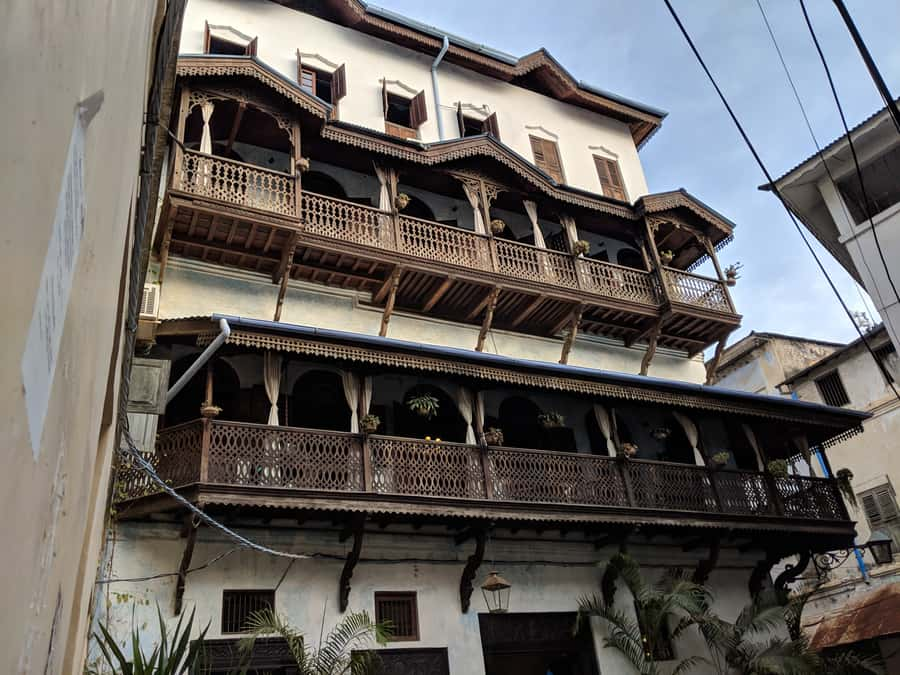
Three hours is enough for a strong first look, but not enough for a slow study of every major building. The route covers a large number of sights, so expect a steady walk and fairly short stops.
The advantage is focus. You see the places most people want to find, including the market, Old Fort, House of Wonder, Palace Museum, Freddie Mercury’s house, Peace Memorial, and Natural History Museum. You also hear the city’s story in a sensible order, beginning with the slave market and ending with lunch.
The tradeoff is depth. The Palace Museum, House of Wonder, and museums may receive an explanation and exterior viewing rather than a long interior visit. Ask at the start which entrance fees are being used and how much time is planned inside.
For a first morning in Stone Town, I think the schedule works. You can use the rest of your day to return to the places that caught your attention.
Who will get the most from this walk?
This tour suits you if you want several parts of Stone Town explained by an English-speaking guide rather than exploring every stop alone. It is especially useful for a first visit, a short Zanzibar stay, or anyone interested in the link between architecture, trade, markets, and local life.
It also works well if you want a practical mix of serious history and lighter stops. The former slave market and Tippu Tip provide difficult historical context, while the fish auction, Freddie Mercury’s house, and lunch keep the morning varied.
You may want another option if you dislike brisk walking, want a private and highly flexible schedule, or care most about lengthy museum visits. The price can also feel high if you only want to see the streets and take a few photographs.
The tour has earned a 4.8 rating from 22 reviews, with particular praise for the guides’ friendliness and command of Stone Town’s past. The useful takeaway is not simply that the tour is popular. It is that the guide can make a major difference, so ask whether Ahmed or Juma is available if that matters to you.
Should you book the Stone Town walking tour?
Book it if you want Stone Town’s main sights, a real market visit, a fish auction, a Freddie Mercury photo stop, and local lunch in one organized morning. The strongest reasons are the range of stops and the chance to ask an English-speaking guide about the city’s difficult and fascinating past.
Think twice if $60 feels high for three hours, or if you want to enter and study every museum at length. Before booking, confirm hotel pickup charges and whether the House of Wonder and other buildings are viewed from outside or entered.
For a first introduction, I would choose this tour, especially if you value a well-informed guide and want the city to make sense rather than simply collect photographs.
FAQ
How long does the Stone Town Historical Walking Tour last?
The tour lasts three hours.
What time does the tour start?
The standard meeting time is 9 AM.
Where is the meeting point?
The meeting point is in front of the Old Fort.
Is hotel pickup available?
Optional pickup is available from hotels in Zanzibar’s North or West regions. You should provide the hotel name and room number and meet the representative in your hotel lobby. Confirm any pickup cost because hotel transport is not listed among the standard inclusions.
Is lunch included?
Yes. The tour ends with local lunch at a cozy restaurant.
What language is the tour conducted in?
The live tour guide speaks English.
Is the tour wheelchair accessible?
Yes, the activity is listed as wheelchair accessible.
More History Walks in Zanzibar
- Stone Town Historical Walking Tour
★ 5.0 · 143 reviews - Stone Town’s Hidden History: Private Guided Walking Tour
★ 4.6 · 94 reviews - Private Historic Stone Town Tour
★ 5.0 · 79 reviews - Stone Town Historical Walking Tour
★ 5.0 · 40 reviews
Just added around Zanzibar
- Walking in Stone Town with a Expert Tourguide★ 3.7 · 3 reviews
- Stone Town Tour★ 5.0 · 16 reviews
- Jet Ski Experience from Kendwa Beach★ 5.0 · 21 reviews
- Turtle Snorkeling, Jozani Forest, Kuza Cave, Rock Restaurant★ 3.7 · 8 reviews
- Zanzibar boat rental/charters★ 5.0 · 6 reviews
- Prison island(Changuu island) & stone town walking tour★ 5.0 · 6 reviews
- Full Day Private Zanzibar Triple Delight Tour★ 4.5 · 3 reviews
- Zanzibar Tumbatu Island Cultural Experience★ 5.0 · 4 reviews
Stone Town Tours, compared.

Stone Town, Spice Tour, Prison Island with Lunch
Read our review →
Prison Island, Nakupenda, StoneTown Tour with BBQ
Read our review →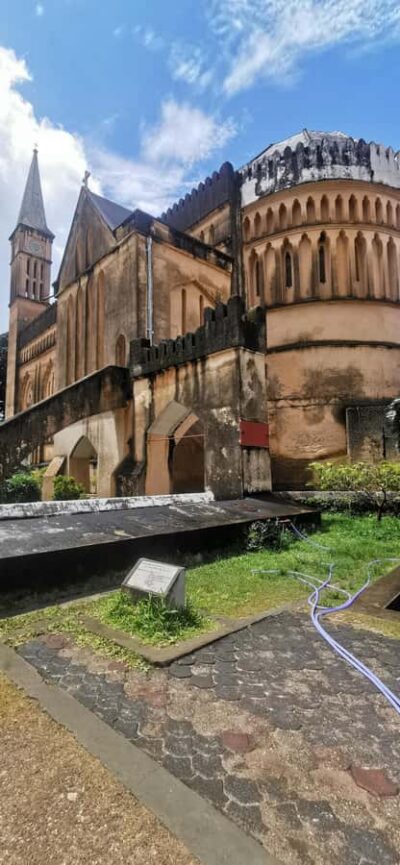
3 Hours Private Stone Town walking Tour with Guide
Read our review →
Stone Town Historical Cultural Walking Guided Tour
Read our review →
Stonetown: Food Markets and Street Food Walking Tour
Read our review →

Zanzibar full day Jozani forest + Spice farm and stone town
Read our review →
Browse the lists this tour appears in