

Reviewed · SPICE FARM TOURS
Spice Farm – spice up your life in Zanzibar
Zanzibar’s spice farms turn a simple country outing into a hands-on lesson in food, trade, and daily life. You’ll smell crushed cinnamon, taste tropical fruit, and see how cloves, vanilla, nutmeg, ginger, and pepper grow in the warm climate of Unguja. I like the hands-on tasting and the chance to visit rural communities beyond the beach hotels. The traditional farm lunch is another strong point, especially if you want to understand Zanzibar through its food.
The tour also offers hotel pickup and return, bottled water, and guides who speak English, Italian, German, French, or Russian. I do have one important caution: a serious booking problem was reported, involving a missed hotel pickup and unreachable contacts. Confirm your reservation and the pickup details before departure, rather than assuming the arrangements are automatic.
What makes this Zanzibar spice tour worth your time
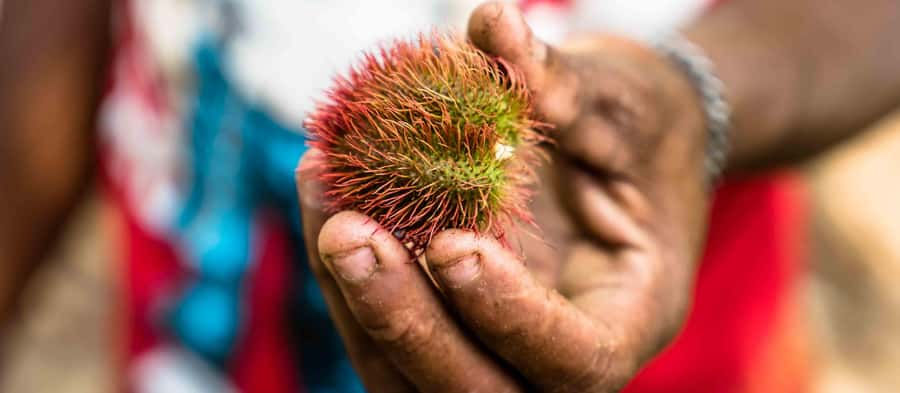
- Smell and taste spices at the farm: Learn about cinnamon, vanilla, cloves, nutmeg, lemongrass, ginger, pepper, chili, cumin, and more.
- Eat a local farm lunch: Your meal is cooked in a local kitchen and seasoned with Zanzibar herbs and spices.
- Try tropical fruit at its freshest: Mango, passion fruit, avocado, papaya, grapefruit, bananas, and pineapple may be part of the tasting.
- Connect the farm to Zanzibar’s past: The tour explains how Asian and Latin American spices reached the island and grew into a major trade.
- Shop for useful souvenirs: Packaged spices make light, practical gifts for friends at home.
- Keep the day simple: Hotel pickup, return transportation, water, taxes, fuel surcharges, and service fees are included.
Why Zanzibar is called the Spice Island
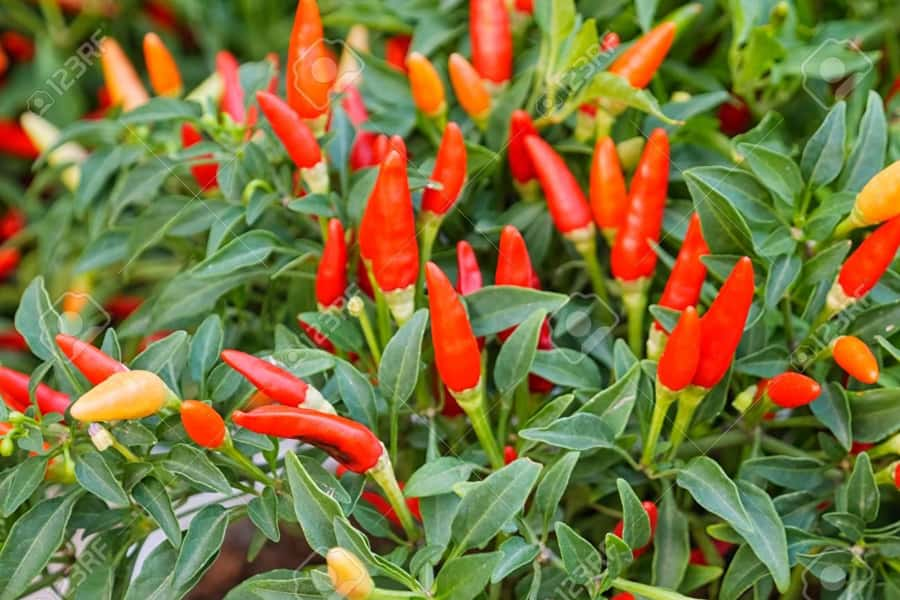
Zanzibar’s spice story reaches far beyond a row of plants in a garden. In the 16th century, traders brought spices from Asia and Latin America, and the island’s tropical climate gave them a productive home. Cloves, cinnamon, nutmeg, and other crops became central to Zanzibar’s trade and identity.
That background gives the tour some welcome depth. You are not simply smelling a few leaves and buying packets in a shop. You are seeing how imported plants became part of the island’s rural economy and cuisine.
I especially like this kind of excursion after several days on the coast. Beaches show you one side of Zanzibar. The farm visit gives you another, with village roads, working plots, local cooking, and the plants behind flavors you may already know from restaurant menus.
The exact route can vary, but the experience is described as a guided walk through villages and plantations. Your guide explains what each plant is used for in cooking and traditional medicine. That makes the tour useful even if you are not a keen gardener, since the focus stays on how people use these ingredients.
More spice farm tours in Kendwa:
- Zanzibar: Stone Town, Spice Tour, Prison Island with Lunch
★ 4.4 · 1,219 reviews - Zanzibar: Prison Island, Stone Town, & Spice Farm Tour
★ 4.5 · 579 reviews - Zanzibar: Stone Town, Spice tour & Prison Island with Lunch
★ 4.6 · 453 reviews
Walking through the spice plantations
The main part of the outing is a guided visit through the farm area. Expect to stop repeatedly as the guide introduces a plant, explains its use, and invites you to smell or taste it. This is a better format than simply looking at labeled trees, because scent and texture help you remember what you have seen.
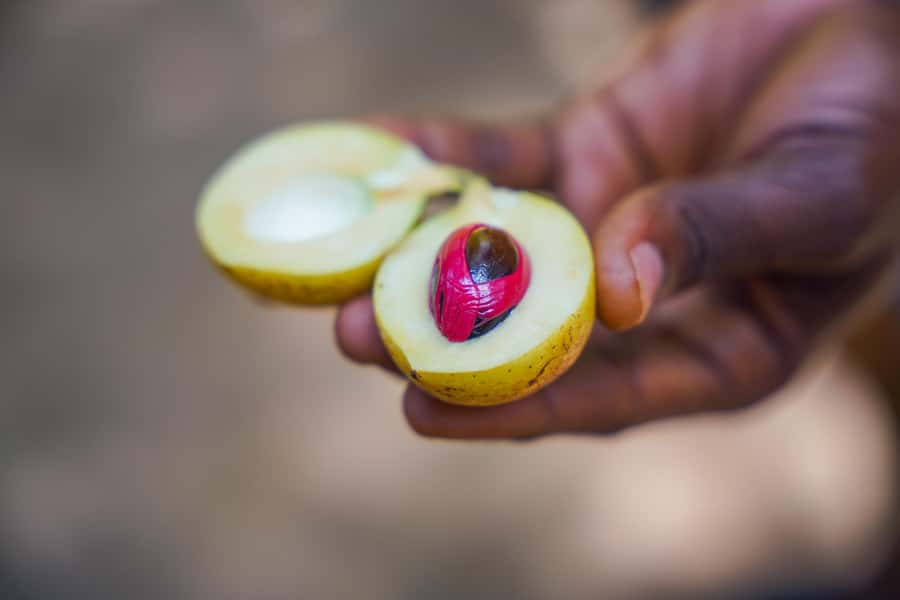
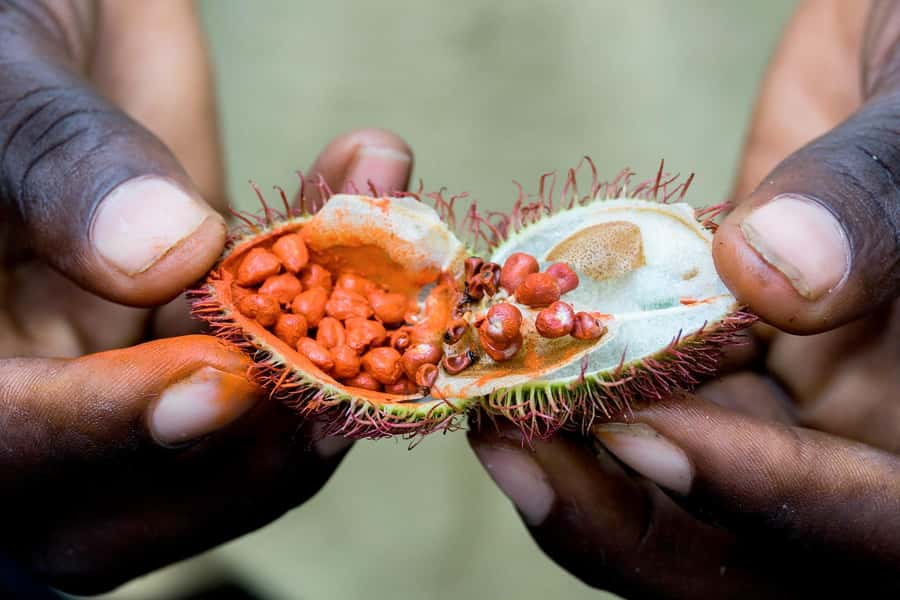
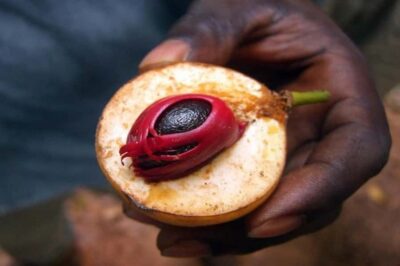
Cinnamon is one of the easiest spices to recognize. The bark is aromatic, and the guide explains its place in cooking. Vanilla gives you a chance to connect a familiar flavor with the plant that produces it. Nutmeg, cloves, ginger, pepper, cumin, chili, and lemongrass add more variety to the walk.
Cloves are particularly important to Zanzibar’s story, since the island was once one of the world’s leading producers. You may also encounter ylang-ylang, tamarind, and other plants that are less familiar to many visitors. The range is part of the appeal: the tour moves from common kitchen spices to plants you may have never seen before.
The pace should suit you if you prefer learning by observation rather than sitting through a formal lecture. You can smell leaves, examine pods or bark, and ask questions as you go. Still, remember that this is a farm visit, not a botanical garden. The setting is rural and practical, and the presentation may feel informal.
Tropical fruit tasting beyond the spice racks
The fruit tasting adds a second flavor to the day. Depending on what is available, you may try mangoes, passion fruit, avocado, papaya, local grapefruit, bananas, pineapple, and other tropical fruit.
This is more than a sweet break between spice stops. Fruit helps show how Zanzibar’s climate supports a wide range of crops, not just the spices that made the island famous. You also get a chance to compare familiar fruit with local varieties and seasonal produce.
I like that the tasting broadens the experience for families and anyone who finds a long plant-focused walk a bit much. Children can identify with bananas, pineapple, and mangoes, while adults can pay closer attention to less familiar flavors such as local grapefruit or passion fruit.
Do not expect a formal fruit buffet or a fixed menu of every item listed. Availability can depend on the farm and the season. The useful point is that fruit tasting is built into the visit, not treated as an afterthought.
A Swahili lunch cooked at the farm
Lunch is one of the tour’s strongest features. You eat traditional Zanzibar food prepared in a local kitchen, with herbs and spices used in the meal itself. This connects the farm visit to the plate in a way that a spice demonstration alone cannot.
A meal cooked on site also gives you a practical lesson in local food culture. You have just seen ingredients growing in the soil, and now you can taste how they are used in Zanzibar cooking. That link makes the lunch feel purposeful rather than simply a standard included meal.
The available information does not provide a fixed menu, so you should not book this expecting one particular dish. What you can expect is traditional cuisine seasoned with local ingredients and served as part of the farm experience.
Food is also a useful reason to choose this tour over a shorter plantation stop. The lunch adds time to sit, eat, and connect the different parts of the outing. One particularly positive account praised both the flavor and the presentation, while other strong feedback described the meal as a fitting finish to an educational visit.
A few more Kendwa trips worth comparing
- From Kendwa: Mnemba Boat Trip and Dolphin Snorkel Adventure
★ 4.8 · 1,043 reviews - Mnemba from Kendwa & nungwi half day
★ 4.5 · 94 reviews - Zanzibar: Jet Car Ride with Drone footages (pickup included)
★ 5.0 · 90 reviews - Tumbatu island snorkling tour : from Kendwa & Nungwi
★ 4.2 · 51 reviews
Rural Zanzibar and local connections
The excursion takes you away from the main hotel areas and into the rural side of Unguja, Zanzibar’s main island. That change of setting matters. You see more of the island’s everyday environment and learn from people connected to the farms.
The experience is designed around local explanation rather than a quick photo stop. Farmers allow you to discover, smell, and taste the crops, while the guide explains culinary and medicinal uses. It is a modest but meaningful way to connect food, agriculture, and local knowledge.
I would choose this outing if you want more than sun and sand but do not want a demanding historical tour. The information is practical and sensory. You learn through plants, food, and conversation, with enough cultural context to understand why spices matter here.
The rural setting may not appeal to everyone. If your ideal excursion is tightly timed, polished, and built around major landmarks, this may feel loose by comparison. The attraction is the ordinary setting and direct contact with farm life, not grand architecture or a long list of famous sights.
What the $60 price includes
At $60 per person, the value depends on how you use the day. The price includes hotel pickup and return, the farm visit, local lunch, bottled water, taxes, fuel surcharges, and service fees. Those inclusions remove several costs that can otherwise appear at checkout.
The lunch matters most in the value calculation. You are not paying only for transport to a plantation and a guided walk. You are also getting a meal tied to the subject of the tour, fruit tasting, and a cultural experience in a rural setting.
Hotel transportation is another practical benefit. Zanzibar’s roads and distances can make independent planning less convenient, especially if you are staying outside the main town. Having pickup and return included gives you a clearer budget and avoids arranging separate local transport.
You should still compare the price with your own plans. If you only want to buy spices, a market visit will likely take less time and cost less. If you want the plants, explanations, village setting, fruit, lunch, and transportation together, $60 is a reasonable package.
Guides, languages, and the learning style
The tour is available with guides speaking English, Italian, German, French, and Russian. That range is useful if you would rather learn about unfamiliar plants in a language you understand comfortably.
The guide’s role is important because the farm itself may not explain much without context. A cinnamon plant, vanilla vine, or clove tree can look ordinary until someone explains what part is used, how it flavors food, or why the crop matters.
The tone appears to be friendly and sometimes humorous, which suits a sensory outing. You can expect a mix of explanation, tasting, and conversation rather than a stiff academic presentation. The guide also helps connect the plants to traditional cuisine and medicinal use.
No individual guide names are provided, so do not expect to request a particular person based on the available details. If language matters to you, state your preference clearly when booking.
Booking care and practical expectations
The tour offers reserve now and pay later, which helps if you are still arranging your Zanzibar schedule. Cancellation is allowed up to 24 hours in advance for a full refund. Those terms give you some flexibility, but they do not replace the need to confirm the actual pickup.
One serious service failure was reported: the promoter did not arrive at the hotel, did not answer emails, and provided a phone number that was not assigned. Another contact connected with the activity provider reportedly could not find the reservation. That is a major concern, even though other accounts describe pickup and return as working perfectly.
My advice is simple. After booking, confirm the hotel name, pickup time, and working contact number. Keep the confirmation available on your phone, and if you are staying at a large property, make sure the pickup point is clear. This takes little effort and protects you from the one problem that could spoil an otherwise good day.
The overall rating is 4.6 from 18 reviews, with repeated praise for organization, the plantation explanations, the food, and the guides’ friendly manner. The mixed service record means I would book carefully, not blindly.
Who should book the spice farm experience
I recommend this tour for you if:
- You want to see rural Zanzibar beyond the coast.
- You enjoy learning through food, smells, and hands-on demonstrations.
- You are curious about cloves, vanilla, cinnamon, and tropical crops.
- You want lunch and transportation included in one price.
- You are traveling with family members who enjoy tasting fruit.
- You prefer a cultural outing that is informative without being formal.
It may be less suitable if you dislike walking through working farm areas, have strict expectations about a fixed menu, or only want a short shopping stop. The tour is also not the best choice if a missed pickup would cause major problems with a tightly planned schedule.
Should you book this Zanzibar spice tour?
Yes, if you want a well-rounded half-day-style outing built around Zanzibar’s food and farming culture, though the exact duration is not provided. The combination of plantation stops, tropical fruit, a Swahili meal, and hotel transport gives the $60 price real value.
I would book it after confirming the reservation directly and checking the pickup details. Once that practical point is handled, the experience offers something many beach excursions miss: a clear connection between Zanzibar’s trade past, its farms, its kitchen, and the people who keep those traditions alive.
FAQ
Where does the spice tour take place?
The experience takes place in the Unguja South Region of Tanzania, in rural areas of Zanzibar.
How much does the tour cost?
The listed price is $60 per person.
What spices can I see or taste?
The tour may include cinnamon, vanilla, nutmeg, lemongrass, cloves, ylang-ylang, cumin, ginger, pepper, tamarind, chili, and other spices and herbs.
What fruit is included?
Fruit listed for tasting includes mangoes, passion fruit, avocado, papaya, local grapefruit, bananas, pineapple, and other tropical fruit.
Is lunch included?
Yes. A local lunch at the farm is included, featuring traditional Zanzibar cuisine cooked in a local kitchen with local herbs and spices.
Which languages are available?
Guides are available in English, Italian, German, French, and Russian.
Can I cancel or pay later?
You can reserve and pay later, with no payment required today. Cancellation up to 24 hours in advance qualifies for a full refund.
Just added around Kendwa
- sunset dow cruise at kendwa beach★ 4.7 · 3 reviews
- Zanzibar: Sunset Dhow Cruise★ 4.2 · 15 reviews
- Stone Town, Jozani Forest, Sea Turtles & The Rock Restaurant★ 4.8 · 14 reviews
- Nungwi: Mnemba Atoll Dolphins Tour with Snacks | Half-day★ 4.0 · 7 reviews
- Nungwi and Kendwa: Sunset Cruise Dhow★ 3.7 · 3 reviews
- Jet Ski Adventure Zanzibar :Fun at Kendwa/Nungwi Beach★ 4.6 · 11 reviews
- FROM KENDWA; Mnemba snorkelling and Dolphin tour★ 4.6 · 4 reviews
- From Kendwa/Nungwi: Mnemba Dolphins with Snorkel Tour★ 5.0 · 6 reviews
Spice Farm Tours, compared.

Stone Town, Spice Tour, Prison Island with Lunch
Read our review →
The Swahili Spice Experience – Spice Tour + Culinary Journey
Read our review →
Zanzibar full day Jozani forest + Spice farm and stone town
Read our review →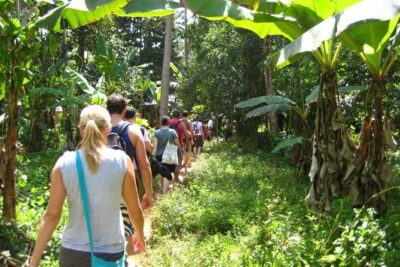

Stone Town Guided Tour: Culture, Slave Market & Spice Market
Read our review →Browse the lists this tour appears in