
Reviewed · SPICE FARM TOURS
Zanzibar: Walking Spice Tours with Guide
Zanzibar’s spice farms turn familiar kitchen ingredients into living plants. On this three-hour visit to Tangawizi Spice Farm, you can smell a cinnamon stick fresh from the tree, taste tropical fruit, and see vanilla, turmeric, cloves, and black pepper growing in the soil rather than sitting in a jar. The plant tour is the real point.
I like the easy Stone Town pickup and drop-off, and I like the chance to taste as you walk instead of simply hearing a list of spice names. Guides including Omar, Rajem, and Pietro have led enjoyable visits, with English, German, French, and Italian available. The main caution is value: some tours finish in about two and a half hours including the drive, and the final portion can feel more like a sales stop than a farm visit.
Key points to know
- See spices as living plants: Clove, vanilla, turmeric, cinnamon, nutmeg, cardamom, and black pepper are presented in the farm rather than only as dried products.
- Taste fruit along the way: Papaya, jackfruit, oranges, coconut, pineapple, guava, avocado, and other seasonal produce may be part of the visit.
- Start and finish in Stone Town: Hotel pickup and return are included for hotels in Stone Town.
- Expect a private group: The tour is arranged for your own group, with guides available in four listed languages.
- Allow for a sales stop: The visit ends at a spice stall, and cash is needed for packaged spices.
From Stone Town to Zanzibar’s spice-growing farms
The tour begins with pickup at your Stone Town hotel. The farm is outside the old city, and one recent account describes a drive of about 30 minutes each way. That matters because a three-hour booking does not necessarily mean three full hours on foot among the plants.
Once you reach Tangawizi Spice Farm, the guide leads you through the shamba, the Swahili word for a cultivated farm or smallholding. This is not a grand plantation tour in the formal estate sense. It is a walking visit through a working farm area where many plants grow close together.
That setup makes the experience easy to follow. You do not need specialist knowledge, and you will not spend the whole time staring at labels. Your guide points out a plant, explains what it becomes, and lets you smell or taste it when appropriate. For many people, that simple connection is more useful than a museum display.
Zanzibar is often called Spice Island because cloves, nutmeg, cinnamon, and other crops played a major part in its trade. The tour gives you a small, direct look at that agricultural side of the island. It does not try to cover every detail of Zanzibar’s past, so you should book it for the plants and farm setting rather than for a full history lesson.
More Walking Tours in Zanzibar
- Stone Town Private Walking Tour
★ 5.0 · 371 reviews - Zanzibar: 3 Hours Private Stone Town walking Tour with Guide
★ 4.6 · 301 reviews - Zanzibar: Stone Town Historical Cultural Walking Guided Tour
★ 4.5 · 179 reviews
Seeing cloves, vanilla, and turmeric before they reach the kitchen
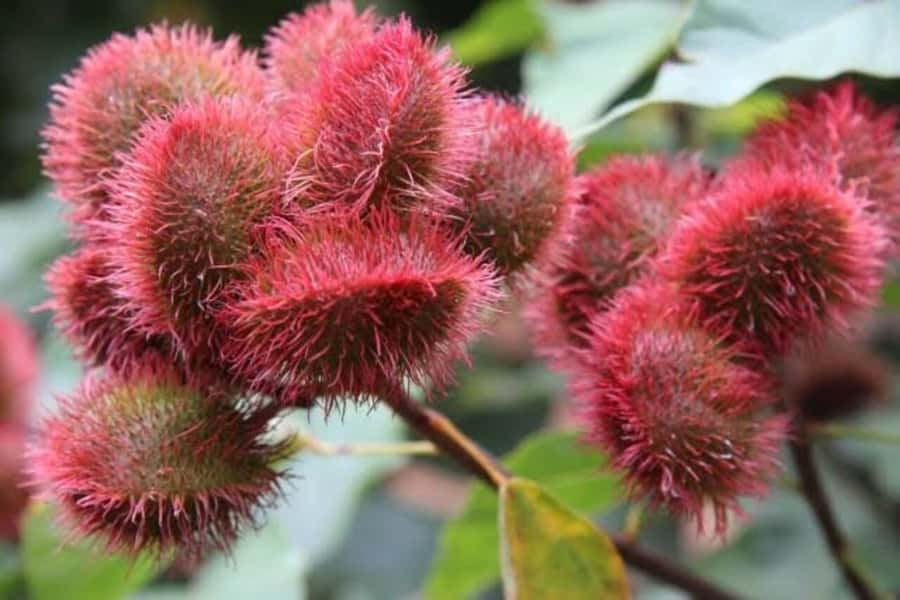
The strongest part of the experience is the plant identification. You may know the smell of cloves or the color of turmeric, but seeing how they grow changes your understanding of them.
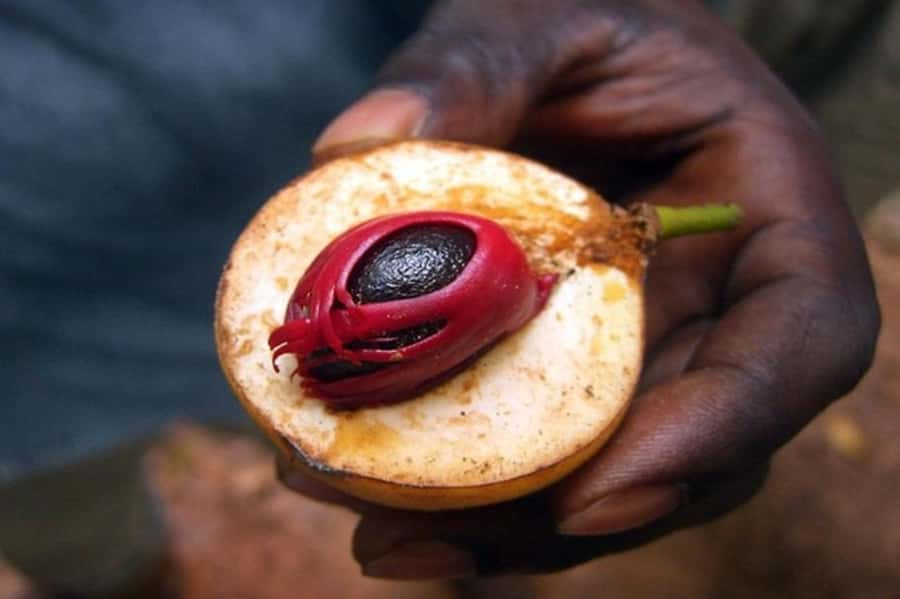
Cloves come from the flower buds of the clove tree. Cinnamon comes from bark, while turmeric grows below the soil as a rhizome. Nutmeg and black pepper also look quite different from the dried spices in a supermarket packet. The guide’s job is to connect those shapes and textures with the finished ingredients you use at home.
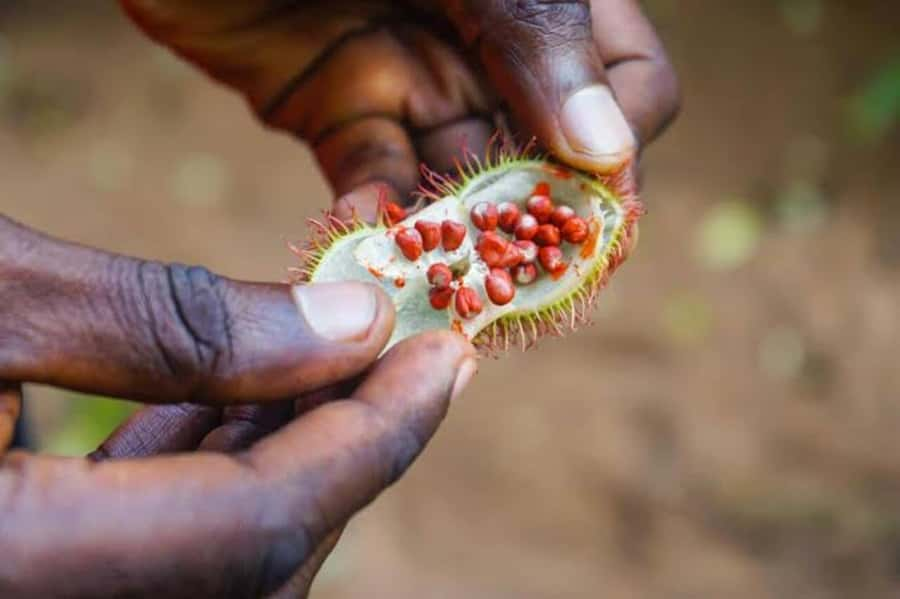
The route can include lemongrass, vanilla, chili, cardamom, cassava, and curry plants, along with the better-known cloves, cinnamon, turmeric, nutmeg, and black pepper. The exact mix may change with the season and what is growing on the farm at the time.
Vanilla is a particularly useful stop because the familiar black pods begin as flowers on a climbing orchid. The farm visit gives you a chance to see the plant rather than treating vanilla as an anonymous flavor. It is one of the small details that makes this tour more worthwhile than buying a packet of spices at a market.
I also like the sensory side of the walk. You smell leaves, bark, roots, and pods as the guide introduces them. You may handle some of the plants and taste selected ingredients. This keeps the visit active, though the quality of the experience depends heavily on how much explanation your guide gives and how well the tour follows your questions.
A tropical fruit stop with papaya, coconut, and jackfruit
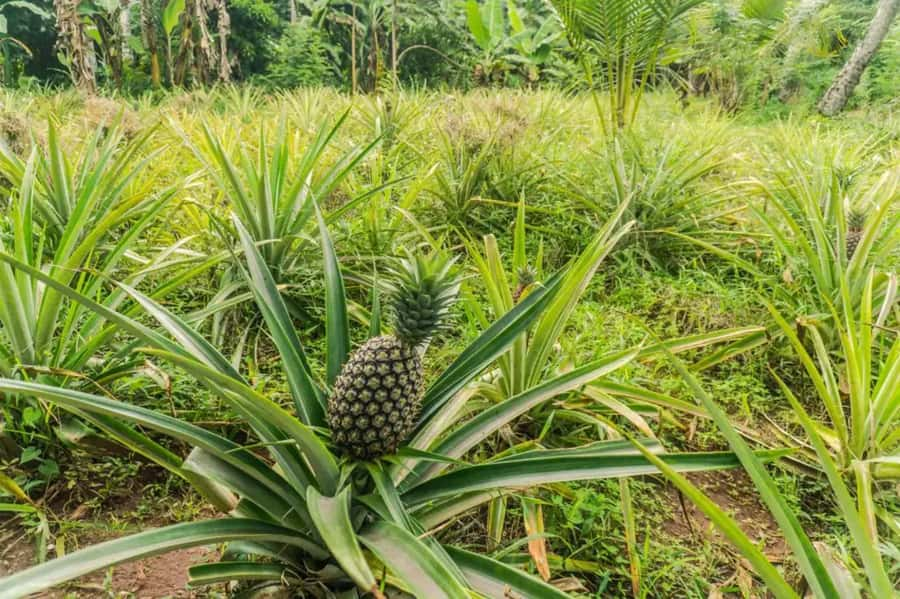
The farm is not only about spices. Tropical fruit is part of the appeal, and the selection may include papaya, coconut, oranges, jackfruit, pineapple, guava, avocado, and other produce.
A fresh fruit tasting can be the most enjoyable finish to the walking portion. It gives you a break from the strong smells of pepper, cloves, and cinnamon, and it helps show that the farm produces food for daily use, not just export spices.
Do not read the word tasting as a full meal. Food and drinks are not included in the price. The fruit tasting described for this experience is a small part of the tour, so you should eat beforehand if you need a proper breakfast or lunch.
The coconut demonstration can also be part of the farm presentation. One account describes an assistant climbing a palm, though this is not something you should treat as a guaranteed feature. If extra staff join the demonstration, you may be asked for additional tips, so carry small cash and ask clearly what is included in the $35 price.
What the three-hour schedule really gives you
On paper, the visit lasts three hours. In practice, the total includes the Stone Town transfer, the guided walk, tastings, and the spice stall at the end. A recent visit lasted about two hours of activity, while another account placed the entire outing at no more than two and a half hours including driving.
That is not automatically a problem. Many people will find three hours a comfortable half-day outing, especially if they want an easy excursion from Stone Town. But you should not expect a long trek through a ten-hectare plantation or an all-day farm study.
The walking itself is likely manageable for most people who can comfortably walk on uneven farm ground. Comfortable shoes are specifically recommended. The experience is not suitable for wheelchair users, people with back problems, babies under one year, or people over 95, according to the activity restrictions.
The route may include several short stops rather than one long walk. That helps you see a broad range of plants, but it can also make the visit feel staged if you prefer a quiet, uninterrupted walk. Some guides bring an assistant, and the number of people involved in demonstrations can affect the rhythm of the tour.
More spice farm tours in Zanzibar:
- Zanzibar: Stone Town, Spice Tour, Prison Island with Lunch
★ 4.4 · 1,219 reviews - Zanzibar: Prison Island, Stone Town, & Spice Farm Tour
★ 4.5 · 579 reviews - Zanzibar: Stone Town, Spice tour & Prison Island with Lunch
★ 4.6 · 453 reviews - Full-Day Private Stone Town +Spice Farm and Prison Island Tour
★ 4.5 · 216 reviews
The guide makes or breaks the visit
This is a private-group experience, which is a real advantage if you want to ask questions or set the pace. English, German, French, and Italian are offered. Named guides connected with good visits include Omar, Rajem, and Pietro, though you should not assume a particular person will lead your group unless this is confirmed when you book.
A good guide will do more than recite names. You want clear explanations of which part of the plant is used, how the spice is prepared, and why the crop matters. You also want answers when you ask something outside the standard speech.
The guide quality appears uneven. Some visits have been informative and full of useful information about the island. Another experience found the guide less engaged and unable to answer follow-up questions easily in either German or English. That is worth keeping in mind if you are especially interested in farming methods or processing.
The visit may show you where plants grow, but it may not show much drying, sorting, or processing. If those stages are essential to you, ask before booking. A farm walk that identifies plants is different from a working production tour.
The spice stall and the question of value
The tour ends at a stall selling fresh, packaged spices. This is convenient if you want to take home cinnamon, vanilla, cloves, or a mixed spice selection, but it also creates the main concern about the $35 price.
The admission, guide, and Stone Town hotel transport are included. Tips for farm workers are stated as included as well, so you should not feel obliged to pay a separate farm tip simply because the tour price mentions it. However, some visits involve a guide, an assistant, or a palm-climbing demonstration, and extra tip requests have caused confusion.
The cleanest approach is to ask at the start who is included and what the stated tip policy covers. At the stall, remember that purchases are cash only. You do not need to buy anything to complete the farm visit.
Some people find the shop useful because it provides a simple place to buy packaged spices without searching through Stone Town. Others feel that too much attention goes toward selling products. If you dislike sales stops, tell the guide politely that you want to keep the focus on cultivation and plant use.
At $35 per person, I consider the price fair when you value private pickup, a multilingual guide, a short farm walk, tastings, and the chance to buy spices afterward. It is less convincing if you expect a long plantation tour, a detailed lesson in processing, or a full meal.
Who will enjoy this Zanzibar outing most?
I would recommend this experience to first-time visitors who want a short trip beyond Stone Town. It also suits curious cooks, families with older children who can walk comfortably, and anyone who learns best by smelling and touching rather than reading a display.
The private format works well for couples and small groups. You can ask the guide to slow down, repeat a plant name, or spend more time on spices that interest you. The four language options make it easier to choose a guide who can explain the details naturally.
This is not the best match for someone seeking a serious agricultural tour. You may not see extensive farmland, drying rooms, or detailed processing. It is also a poor fit if you need step-free access or have back problems.
Bring comfortable shoes and a camera. Keep some cash for the spice stall, and consider carrying extra water since food and drinks are not included. The walk is outdoors, so light clothing suited to warm conditions is sensible, though the supplied activity details do not specify a dress code.
Booking flexibility and practical timing
You can cancel up to 24 hours before the experience for a full refund, and you can reserve now while paying later. Starting times depend on availability, so check the schedule against your Stone Town plans.
Because pickup is included only for hotels in Stone Town, you should not assume the same transport arrangement applies outside the city. The activity is operated by Riser Tours and Safaris Zanzibar Limited.
The advertised rating is 4.3 out of 5 from 45 ratings. That fits the experience as described: the plant walk and organization can be very good, but the length, guide style, and sales element affect how much value you feel you receive.
Should you book the Tangawizi Spice Farm visit?
Book it if you want a short, hands-on introduction to Zanzibar’s spices with transport from Stone Town. The combination of plant identification, smells, tastes, tropical fruit, and a private guide gives you more than a simple market visit.
Think twice if your main goal is a long walk through a large plantation or a close look at drying and processing. You should also be comfortable with a final spice stall and the possibility of extra tip requests during demonstrations.
For most visitors with half a day free, I see this as a useful and enjoyable add-on to Stone Town, as long as you set realistic expectations. You are paying for access, transport, explanation, and sensory discovery, not an exhaustive farming course.
FAQ
How long does the Zanzibar walking spice tour last?
The advertised duration is three hours. This includes pickup and drop-off from Stone Town, the farm visit, and the final spice stall stop. Some visits have lasted about two and a half hours or less, including driving time.
Where does the tour begin?
Pickup is available from hotels in Stone Town. The tour then travels to Tangawizi Spice Farm and returns to Stone Town.
What spices can I see on the farm?
The farm may include cloves, lemongrass, nutmeg, cinnamon, turmeric, vanilla, chili, black pepper, cardamom, and curry plants.
What fruit may be included?
Possible fruit includes coconuts, papaya, jackfruit, oranges, pineapple, guava, and avocado. The exact selection can vary.
Is food included in the price?
No. Food and drinks are not included. The experience may include fruit tasting, but it is not presented as a full meal.
Is the spice stall included?
The stop at a spice stall is part of the tour. Packaged spices are sold separately, and the stall accepts cash only.
Which languages are available?
Live guiding is available in English, German, French, and Italian.
Is the tour private?
Yes. The activity is offered for a private group.
Who should not book this activity?
It is not suitable for wheelchair users, people with back problems, babies under one year, or people over 95 years old. Comfortable shoes are recommended.
Just added around Zanzibar
- Walking in Stone Town with a Expert Tourguide★ 3.7 · 3 reviews
- Stone Town Tour★ 5.0 · 16 reviews
- Jet Ski Experience from Kendwa Beach★ 5.0 · 21 reviews
- Turtle Snorkeling, Jozani Forest, Kuza Cave, Rock Restaurant★ 3.7 · 8 reviews
- Zanzibar boat rental/charters★ 5.0 · 6 reviews
- Prison island(Changuu island) & stone town walking tour★ 5.0 · 6 reviews
- Full Day Private Zanzibar Triple Delight Tour★ 4.5 · 3 reviews
- Zanzibar Tumbatu Island Cultural Experience★ 5.0 · 4 reviews
Spice Farm Tours, compared.

Stone Town, Spice Tour, Prison Island with Lunch
Read our review →
The Swahili Spice Experience – Spice Tour + Culinary Journey
Read our review →
Zanzibar full day Jozani forest + Spice farm and stone town
Read our review →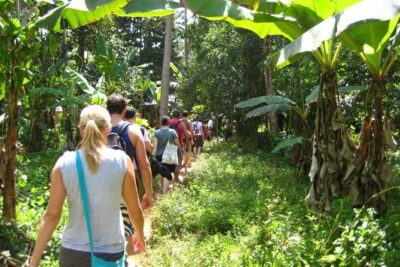

Stone Town Guided Tour: Culture, Slave Market & Spice Market
Read our review →Browse the lists this tour appears in