
Reviewed · STONE TOWN TOURS
Zanzibar: 3 Hours Private Stone Town walking Tour with Guide
Stone Town’s narrow lanes tell a complicated story. In three hours, you move from carved Swahili doors and Sultan-era palaces to the former slave market, Darajani Market, and Freddie Mercury’s birthplace. The best part is having a local guide explain what you are seeing instead of wandering past old walls with no context.
I like the private format, which lets you stop for photos, ask questions, or adjust the route. I also like the strong guides, especially Khameez, Mau, and Kassim, who are praised for clear English, good humor, and flexible pacing. The main drawback is that three hours can feel tight if you want to enter every museum, shop slowly, and linger at the market.
Key points to know before you book
- The former slave market gives the tour its emotional weight: Admission is separate, but this is one of the most important stops.
- Khameez, Mau, and Kassim are frequent guide names: Each is praised for history, culture, architecture, and friendly conversation.
- The tour covers a lot on foot: Expect narrow lanes, markets, churches, palaces, forts, and waterfront sights.
- Darajani Market is a sensory stop: You may see fish, meat, spices, fruit, vegetables, and local shopping in one crowded area.
- The private setup helps families and short-stay visitors: Guides have adjusted timing for children, tight schedules, and photo stops.
- Budget for extra admissions: The Freddie Mercury Museum costs about $8 and the former slave market about $10 per person.
Why Stone Town makes a better guided walk than a casual stroll
Stone Town is easy to enter and easy to get lost in. Its lanes twist around old homes, shops, mosques, churches, markets, and grand buildings. That confusion is part of the charm, but it also means you can miss the connection between Zanzibar’s Arab, Indian, European, Portuguese, and Swahili influences.
I like this tour because it treats Stone Town as a living city, not just an outdoor museum. You see elaborate doors, balconies, market stalls, and crumbling facades, while the guide explains the people and trade systems behind them.
Stone Town became a UNESCO World Heritage Site in 2000. That status matters, but the city is not polished into a neat historic district. Some buildings are worn, streets can be crowded, and the past is not always comfortable. You get a more honest sense of Zanzibar here than you would from a quick photo stop.
The three-hour length works well as an introduction. It gives you a useful map in your head and enough history to make later visits more meaningful. If you want long museum visits and extensive shopping, plan extra time in Stone Town after the walk.
More Private Tours in Zanzibar
- Stone Town Private Walking Tour
★ 5.0 · 371 reviews - Full-Day Private Stone Town +Spice Farm and Prison Island Tour
★ 4.5 · 216 reviews - Prison Island: Private Half-Day Tour
★ 4.0 · 132 reviews
Meeting in Stone Town and setting the pace
Pickup is included from any area in Stone Town. If you are staying outside town, a transfer can be requested, but it is not part of the $24 price. Confirm the meeting point and start time in advance, since communication about pickup was not always described as perfectly timed.
The tour is private, so you do not need to follow a large group or wait for strangers. That makes a real difference in narrow lanes. You can ask about modern Zanzibar, local customs, building methods, or a particular landmark without holding up a busload of people.
The guides use German, English, French, Italian, Spanish, Arabic, Polish, Portuguese, and Chinese. English-language guiding is especially well regarded, though one guide’s accent required a slower pace for some people. Simply ask your guide to slow down if needed.
The walk is wheelchair accessible, according to the activity information. It is not considered suitable for people with back problems. Wear comfortable shoes and expect a great deal of walking on uneven urban surfaces, even though no special hiking ability is required.
The former slave market and Zanzibar’s difficult past
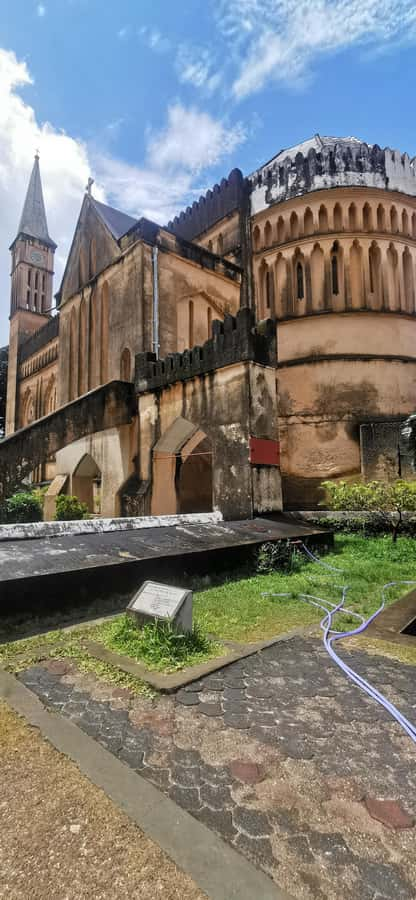
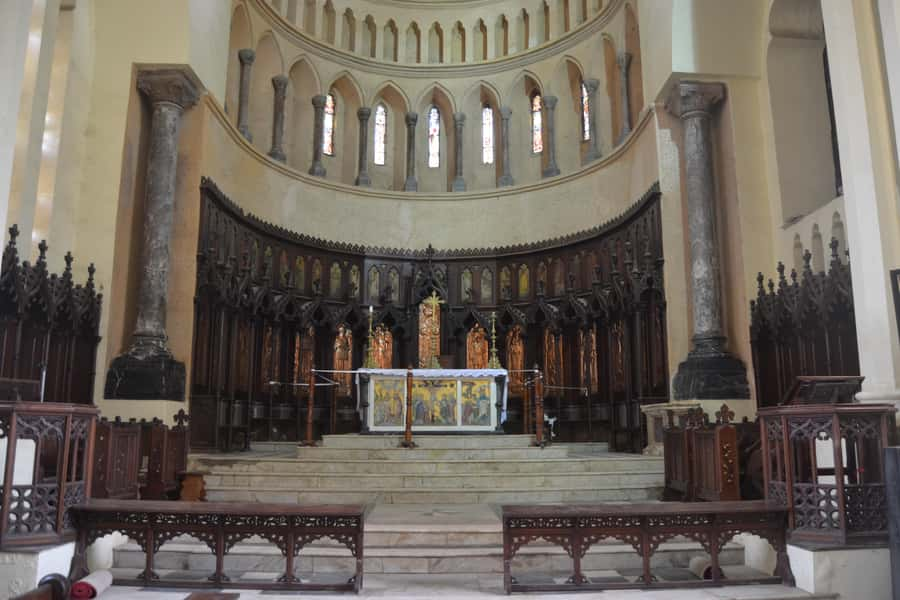
The former East Africa slave market, now associated with the Anglican Cathedral, is the stop I would take most seriously. Admission is about $10 per person and is not included, but the extra cost supports a visit that gives the city’s history moral weight.
The guide explains Zanzibar’s role in the East African slave trade and the work of missionaries such as David Livingstone. The site is not light sightseeing. It can be upsetting, and the treatment of enslaved people is presented in a direct, physical way. Give yourself time to absorb it rather than rushing through for photographs.
This part of the tour is valuable because Stone Town’s grand architecture can otherwise make the past look glamorous. The palaces, trade routes, and wealthy merchant homes were tied to systems that caused enormous suffering. A good guide connects those facts without turning the stop into a lecture detached from the city around you.
If the site is closed for public events or local disruptions, the route may change. One recent visitor found the former market closed during election-related disruption. It is wise to view this stop as important but not guaranteed on every date.
Darajani Market: the city at work
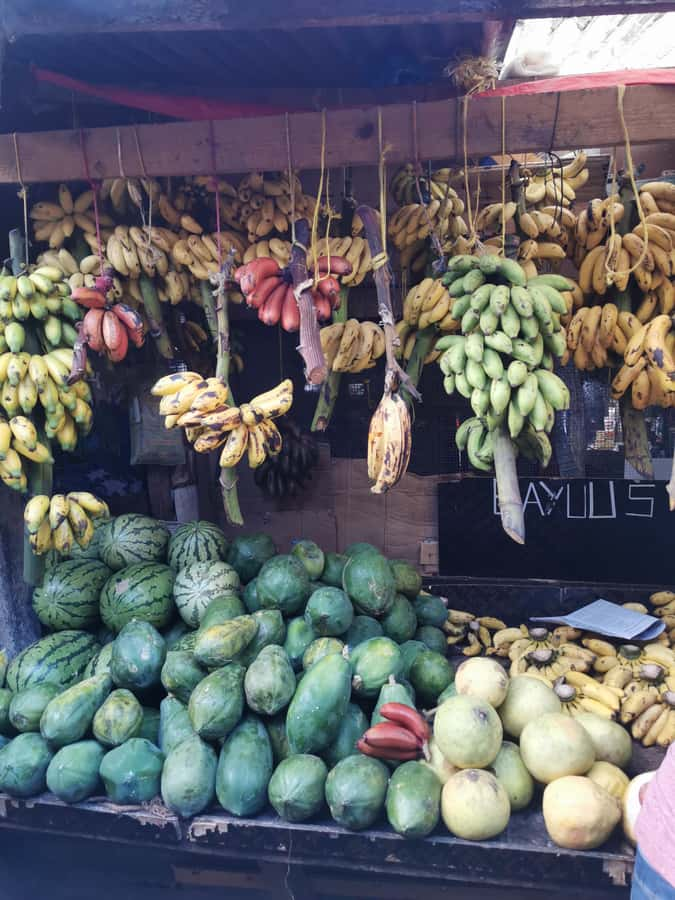
Darajani Market has operated since 1904 and gives you a very different view of Stone Town. Instead of grand buildings, you see daily commerce: fruit, vegetables, meat, spices, fish, and other goods used by local residents.
This is where a guide earns the $24 price. The market can be hard to read on your own, especially when you are trying to work out what is being sold, where to walk, and how to shop respectfully. You may have time to smell spices, take pictures, and buy small items such as coffee or spices.
The market is not arranged for easy sightseeing. It can feel crowded, noisy, and visually intense. Watch your step, keep your belongings secure, and ask before photographing people or stalls. The guide can help you see it as a place of work rather than a staged attraction.
Some routes also include a fish auction, a meat market, or a more distant section of the local market. The exact order depends on the guide, your interests, and the time available.
More Walking Tours in Zanzibar
- Zanzibar: Stone Town Historical Cultural Walking Guided Tour
★ 4.5 · 179 reviews - Stonetown: Food Markets and Street Food Walking Tour
★ 4.7 · 151 reviews - Zanzibar Stone Town Walking Tour
★ 5.0 · 145 reviews - Stone Town Historical Walking Tour
★ 5.0 · 143 reviews
Narrow lanes, carved doors, and Swahili design
The heart of the walk is simply moving through Stone Town. The narrow streets are too confined for a normal city tour by vehicle, so walking lets you notice details that would otherwise pass in a blur.
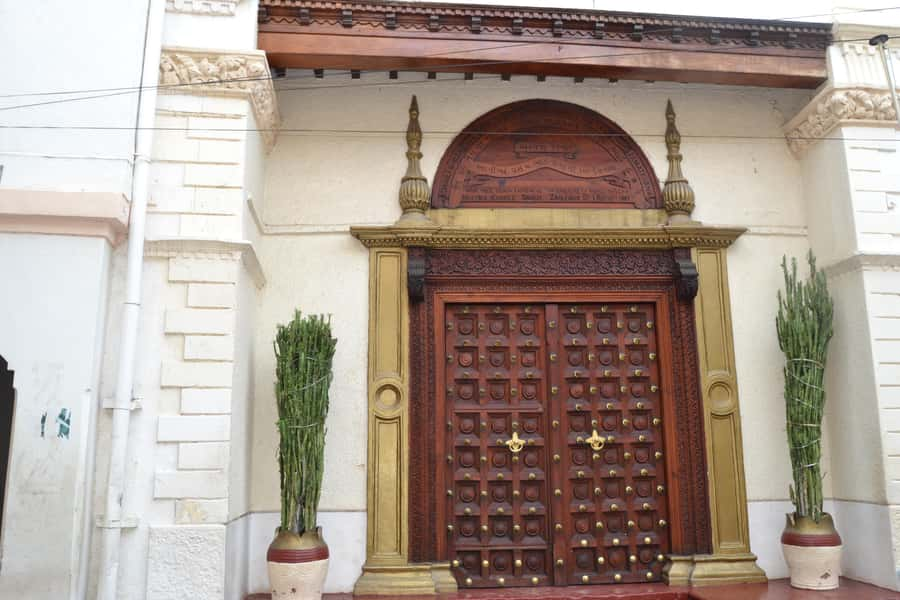
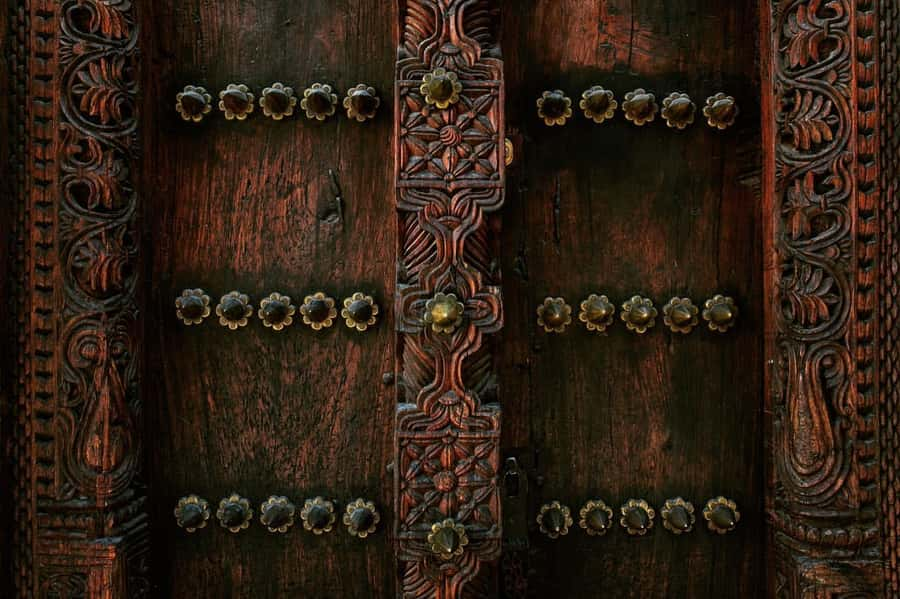
Look for Zanzibar’s famous doors. Their carved surfaces and metal studs reflect a mix of Swahili, Indian, and Arab design traditions. Your guide can explain how architecture, family status, trade, and climate shaped the city’s homes.
You will also see balconies, old commercial buildings, and houses that show different periods of Stone Town’s past. Not every building is in good repair. That is part of the lesson, although it can disappoint if you expect a fully restored historic quarter.
The guides are particularly good at turning these details into stories. Khameez has been praised for explaining construction methods and traditions. Mau, also called Maulid, is often described as proud of Zanzibar and able to connect architecture with modern society. Kassim is known for changing the route around personal interests and timing.
Sultan Palace and the story of Zanzibar’s rulers
The Sultan Palace, also called the Palace Museum, introduces the ruling dynasty that shaped Zanzibar’s political and commercial life. The building gives you a feel for the scale and atmosphere of the sultanate, while the guide supplies the background that rooms and objects alone may not provide.
Admission is not clearly included in the stated price, so ask your guide which areas are open and what entrance fees apply before committing to extra visits. The schedule may give you only an exterior look if the three hours are being used for the market or former slave market.
I like this stop because it balances the tour’s focus on trade and hardship with a look at power and court life. It also helps explain why Stone Town contains such grand structures in a relatively compact area.
House of Wonders, Old Fort, and Forodhani Gardens
The House of Wonders, or Bait el-Ajab, is one of Stone Town’s most recognizable landmarks. It was built as a ceremonial palace and is described as the tallest building in East Africa in the tour material. The building has suffered from deterioration, so you may find the exterior more impressive than the current condition suggests.
The guide can explain the building’s role and the stories tied to it. Treat those stories as part of Zanzibar’s layered oral and political history rather than expecting a fully operating museum experience at every visit.
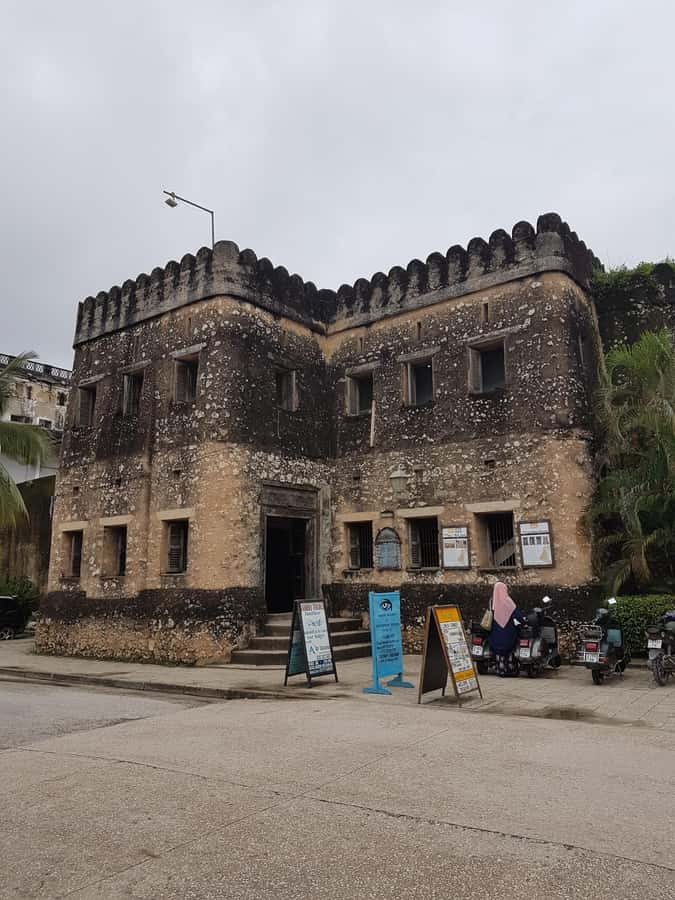
Nearby, the Old Fort, also called the Old Arabic Fort, adds another period to the walk. It was built as a defensive structure and has served different purposes over time, including a battle arena and a former railway setting. Its thick walls and open spaces make it a useful contrast to the palace buildings.
Forodhani Gardens is better known as an evening food area. Stalls serve seafood, grilled food, sugarcane juice, and Zanzibar pizza. On a daytime walking tour, you may see the setting rather than the full evening food scene, so do not book this tour solely for a complete street-food dinner.
Freddie Mercury and modern Zanzibar
The stop connected with Freddie Mercury brings the walk into the recent past. You visit the home associated with his birth and can take photographs nearby. The Freddie Mercury Museum costs about $8 per person and is separate from the tour price.
This is an optional-feeling stop for some people, but it adds useful balance. Stone Town is not only about sultans, colonial buildings, and the slave trade. It is also connected to a global music figure whose early life began here.
If you want to enter the museum, tell your guide early. Three hours passes quickly, and a museum visit can reduce time for the market, church, or shopping. If you are not interested in Freddie Mercury, the exterior stop should be brief.
Notre Dame, coffee, and local conversation
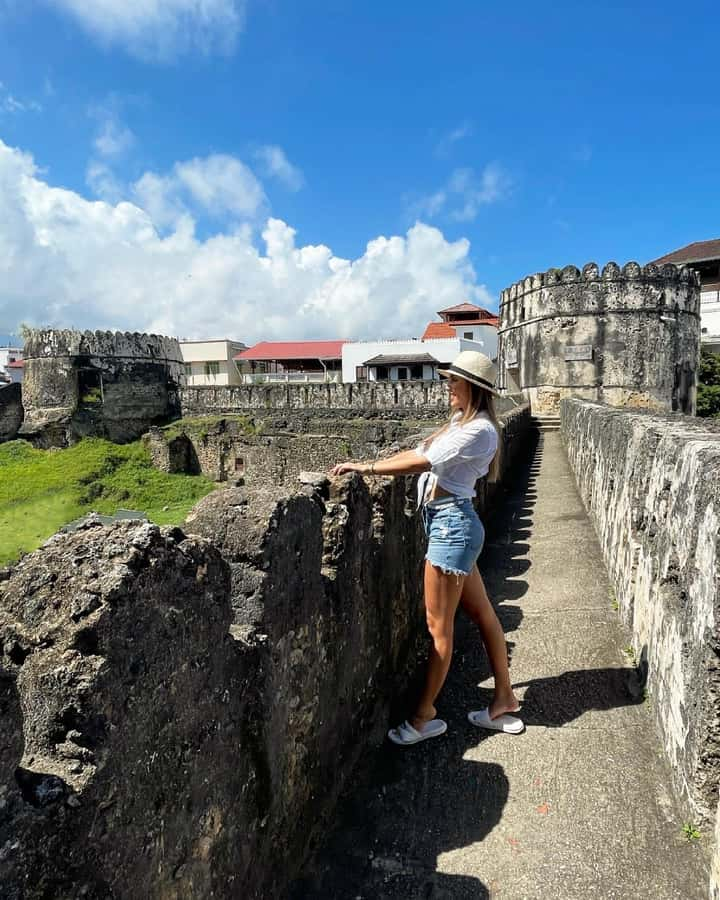
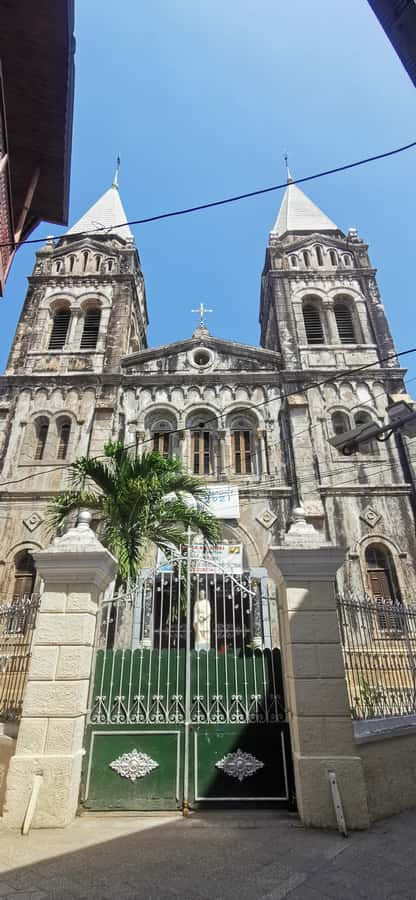
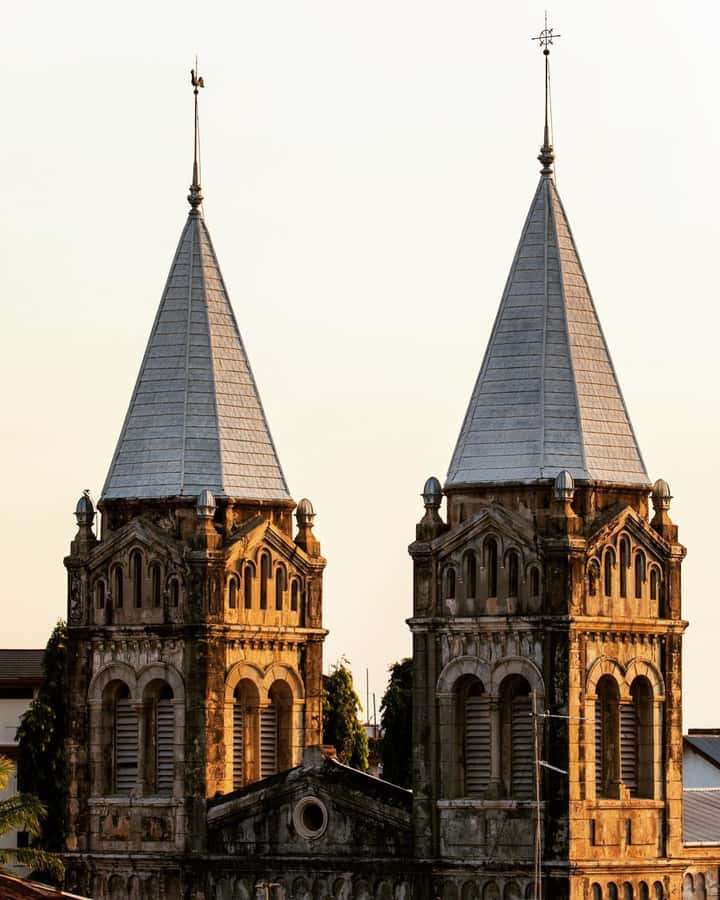
The French Catholic Cathedral, often called Notre Dame of Zanzibar, is another architectural pause. Its sculpted interior and location in the middle of Stone Town show how many faiths and cultures have left their mark on the city.
Some guides include coffee at Zanzibar Coffee House or at Jaws Corner. This is not presented as a formal tasting class. It is a chance to rest, drink local coffee, and observe a familiar meeting place used by residents.
That short break can make the walk more pleasant in Zanzibar’s heat. It also gives you a chance to ask questions that may not fit naturally while crossing a crowded lane. One guide has been praised for arranging coffee with locals, making this a particularly good moment for travelers who want conversation instead of nonstop sightseeing.
Shopping without losing the thread of the tour
The final part usually includes more wandering through narrow streets, visits to souvenir shops, and time for shopping. The guide can help you find spices, coffee, small crafts, or other items, though this is not a dedicated shopping tour.
I would leave most buying until the end. That way you do not carry purchases through the entire walk, and you can compare prices before spending. The private setup makes it easier to pause at a shop, but remember that every shopping stop reduces time at historic sites.
Families can benefit from this flexibility. One guide adjusted the pace for a child and stopped for ice cream. That kind of small change is difficult on a fixed group tour.
What the $24 price really gets you
At $24 per person, this is strong value if you want history explained rather than just a route through the old town. The price includes a private guide and a bottle of mineral water for each person.
It does not include the approximately $8 Freddie Mercury Museum admission, the approximately $10 former slave market admission, or transport from outside Stone Town. If you visit both paid sites, the total cost rises considerably, so decide in advance which matters most.
The best value comes from the guide’s interpretation. A map can show you the House of Wonders and Old Fort, but it cannot easily explain how Zanzibar’s Arab, Indian, European, Portuguese, and Swahili influences meet in the same street.
The tour also offers free cancellation up to 24 hours before the start and reserve-now, pay-later booking. Those terms are useful if your Zanzibar schedule may change, but confirm the exact start time before booking.
Who will enjoy this walk most
I would choose this tour if you are staying in Stone Town, arriving for a short visit, or want an orientation before exploring alone. It is also a good fit for families because the guide can adjust the pace and route.
History-minded visitors will get the most from the former slave market, Sultan Palace, and the explanations of trade and colonial influence. Architecture fans should pay close attention to the doors, balconies, churches, and old merchant buildings.
You should think twice if you dislike city walking, crowded markets, or difficult historical subjects. The route covers a lot, but you will not have unlimited time at every stop. People with back problems may find the walk unsuitable.
Should you book this Stone Town tour?
Yes, I would book it for a first visit, especially at $24 per person. The private format, included water, multilingual guide options, and strong record of guides such as Khameez, Mau, and Kassim make it a practical way to understand Stone Town quickly.
Choose the tour with realistic expectations. You are getting an active city walk through old streets, working markets, and imperfect historic buildings, not a polished museum circuit. Add the former slave market if you want the fullest historical picture, and reserve time afterward if you plan to shop or visit museums at an unhurried pace.
FAQ
How long does the Stone Town walking tour last?
The advertised duration is three hours. Some walks may run slightly shorter or longer depending on stops, questions, shopping, and museum visits.
Where does the tour begin and end?
The tour begins in Stone Town and returns to Stone Town. Free pickup is available from any area in Stone Town.
Is hotel pickup outside Stone Town included?
No. Transport from outside Stone Town is not included in the stated price, but pickup services can be requested.
What is included in the price?
The price includes guiding services and one bottle of mineral water for each person during the tour.
Are museum entrance fees included?
No. The Freddie Mercury Museum costs approximately $8 per person, and admission to the former East Africa Slave Market costs approximately $10 per person.
Which languages are available?
Guiding is available in German, English, French, Italian, Spanish, Arabic, Polish, Portuguese, and Chinese.
Is this a private tour?
Yes. The activity is arranged for a private group, allowing the guide to adjust the pace, route, and stops around your interests.
Is the tour wheelchair accessible?
The activity is listed as wheelchair accessible. It is not considered suitable for people with back problems.
More Short Outings in Zanzibar
- 3 Hours Private Stone Town Walking Tour
★ 5.0 · 71 reviews - Zanzibar: Stone Town 3-Hour Walking Tour
★ 4.1 · 68 reviews - 3-Hour Private City Tour in Zanzibar Island
★ 5.0 · 47 reviews - 3-Hour Private Stone Town Walking Tour
★ 5.0 · 44 reviews
More Stone Town Tours
- Zanzibar: Stone Town, Spice Tour, Prison Island with Lunch
★ 4.4 · 1,219 reviews - Zanzibar: Prison Island, Stone Town, & Spice Farm Tour
★ 4.5 · 579 reviews - Zanzibar; Prison Island, Nakupenda, StoneTown Tour with BBQ
★ 4.3 · 457 reviews - Zanzibar: Stone Town, Spice tour & Prison Island with Lunch
★ 4.6 · 453 reviews
Just added around Zanzibar
- Walking in Stone Town with a Expert Tourguide★ 3.7 · 3 reviews
- Stone Town Tour★ 5.0 · 16 reviews
- Jet Ski Experience from Kendwa Beach★ 5.0 · 21 reviews
- Turtle Snorkeling, Jozani Forest, Kuza Cave, Rock Restaurant★ 3.7 · 8 reviews
- Zanzibar boat rental/charters★ 5.0 · 6 reviews
- Prison island(Changuu island) & stone town walking tour★ 5.0 · 6 reviews
- Full Day Private Zanzibar Triple Delight Tour★ 4.5 · 3 reviews
- Zanzibar Tumbatu Island Cultural Experience★ 5.0 · 4 reviews
Stone Town Tours, compared.
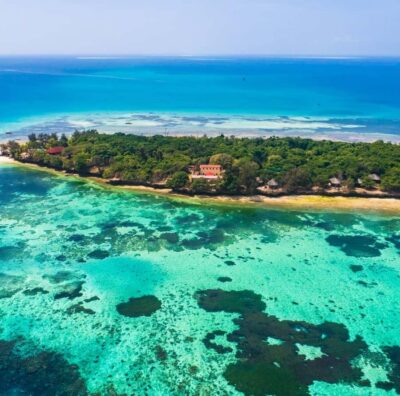
Stone Town, Spice Tour, Prison Island with Lunch
Read our review →
Prison Island, Nakupenda, StoneTown Tour with BBQ
Read our review →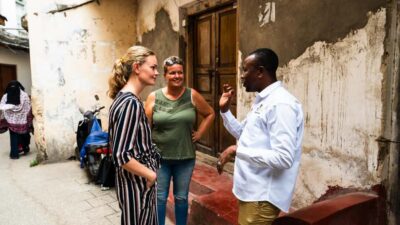
Stone Town Historical Cultural Walking Guided Tour
Read our review →
Stonetown: Food Markets and Street Food Walking Tour
Read our review →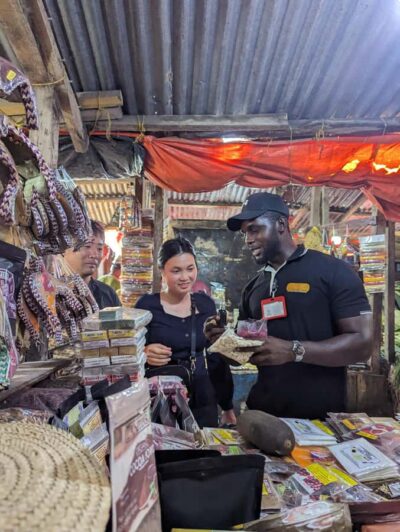

Zanzibar full day Jozani forest + Spice farm and stone town
Read our review →
Zanzibar Private Spice Farm and Stonetown Tour(Include Lunch)
Read our review →Browse the lists this tour appears in