

Reviewed · SPICE FARM TOURS
Spice Tour In Zanzibar
Zanzibar’s spice tour is really a walk through a living pantry. You move beneath leafy cover, rubbing cinnamon bark, smelling cloves, spotting vanilla, and learning how plants such as turmeric, ylang-ylang, cocoa, and cassava fit into island life. The range of plants is the main attraction, not a single grand farm building.
I like the private format, since you can ask questions and set a comfortable pace. I also like the hotel pickup in an air-conditioned vehicle, a welcome help in Zanzibar’s heat. The main caution is reliability: one booking was cancelled on short notice, so I would confirm the pickup time with Suncoast Zanzibar Tours before setting your day around it.
Key points before you book

- A working plant lesson: See cloves, cardamom, cinnamon, black pepper, vanilla, nutmeg, turmeric, coffee, cocoa, and more growing in the ground.
- Fresh tropical tastes: The tour may include coconut, pineapple, banana, jackfruit, rambutan, soursop, starfruit, and other seasonal fruit.
- Private attention: Only your group takes part, making it easier to stop for photos and ask about food, medicine, and local plant uses.
- Comfortable transfer: Hotel pickup and an air-conditioned vehicle remove much of the day’s transport hassle.
- A human touch: Guides may make simple crowns and bracelets from plants, and fresh coconuts can add a pleasant break.
- A short, flexible outing: Plan on roughly 2 to 3 hours, although the description also calls it a half-day tour, so confirm the exact schedule.
A countryside introduction to Zanzibar’s spices
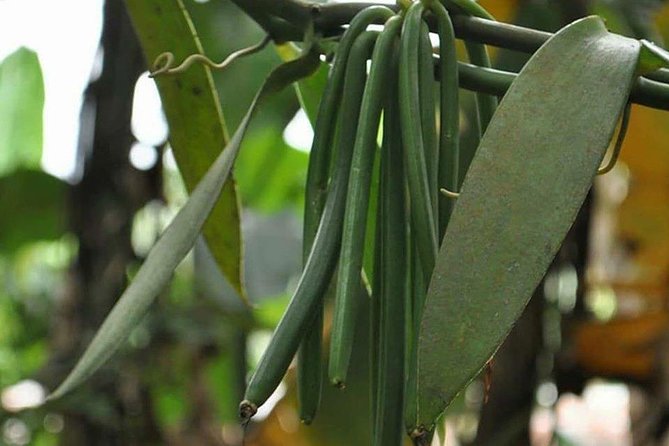
The trip starts with a drive from your hotel into Zanzibar’s green countryside. This transfer matters because the experience is not simply a quick stop at a shop selling packets of cinnamon. You are heading to planting areas where the guide can show you what the plants look like before they reach a market or kitchen.
The vehicle is air-conditioned, and parking fees are included. That keeps the outing simple, especially if you are staying in Stone Town or at a coastal hotel and do not want to arrange a separate taxi.
Once you arrive, expect a guided walk among different crops and trees. The pace is described as customizable, so you can spend more time on photography, cooking spices, or medicinal plants. A private tour is especially useful here because plant walks can become a blur of similar-looking leaves when the guide has to keep a large group moving.
The exact timing deserves a little attention. The experience is advertised as about 2 to 3 hours, while the farm visit is also described as a half-day activity with a 30-minute admission period listed. That information is not perfectly consistent. Ask Suncoast Zanzibar Tours to confirm the pickup and return times before you book another activity immediately afterward.
More spice farm tours in Zanzibar:
- Zanzibar: Stone Town, Spice Tour, Prison Island with Lunch
★ 4.4 · 1,219 reviews - Zanzibar: Prison Island, Stone Town, & Spice Farm Tour
★ 4.5 · 579 reviews - Zanzibar: Stone Town, Spice tour & Prison Island with Lunch
★ 4.6 · 453 reviews
Cloves, cinnamon, vanilla, and the familiar spice list
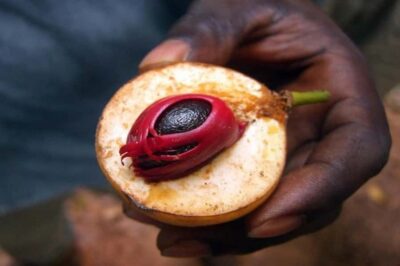
The main walk introduces many spices associated with Zanzibar. You can expect to see cloves, cardamom, cinnamon, black pepper, turmeric, vanilla, and nutmeg. The useful part is seeing how these plants grow, rather than only hearing their names from a market vendor.
Cinnamon is particularly easy to understand when you see its bark as part of a living plant. Black pepper also makes more sense when presented as a crop rather than a shaker on a dining table. Vanilla, cloves, and nutmeg each offer a chance to connect a familiar kitchen smell with the tropical setting where the plant grows.
The guide’s explanations are central to the quality of this tour. One named guide, Mohamed, received specific praise for explaining the uses of herbs in medicine and pointing out less common spices. Another guide was praised for arriving on time, answering questions, and allowing enough time for photographs and videos.
That does not guarantee a particular guide on your date, but it gives you a good idea of what to request. If plant medicine, cooking, or photography matters most to you, say so when confirming the booking. The tour is private, so your interests should shape the walk.
More than spices: iodine, henna, ylang-ylang, and cocoa
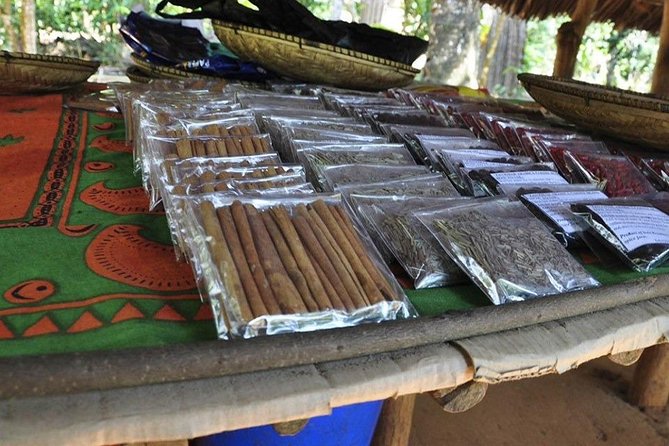
The tour becomes more interesting when it moves beyond the expected spice names. You may see the iodine plant, henna bush, ylang-ylang, lipstick tree, cocoa, cassava, dasheen cocoyam, and coffee.
These plants give the walk a wider purpose. You are not only learning about exported spices. You are also looking at plants used for food, scent, color, household purposes, and traditional remedies. A guide may explain how a plant is handled or used, but the details will depend on the person leading your walk and the season.
Ylang-ylang adds a fragrant note to the route, while the lipstick tree gives you a chance to see a plant linked with natural color. Coffee and cocoa help broaden the picture of tropical farming. Cassava and dasheen cocoyam are food crops, so they connect the plantation to everyday meals rather than treating the farm as a display made only for sightseeing.
I like this wider mix because it keeps the walk from becoming a repeated list of spices. Still, the experience is strongest when you stay curious and ask questions. If you want a formal agricultural lecture or a long historical presentation, this may feel light. If you prefer to touch, smell, and see plants while talking with a local guide, the format works better.
Tropical fruit tasting under the trees
Seasonal fruit is one of the tour’s most appealing extras. The selection may include jackfruit, pineapple, banana, green coconut, durian, love apple, rambutan, soursop, and starfruit.
Fresh coconut, known locally as madafu, can provide a cool drink during the walk. The fruit list is broad, but availability will depend on the season. You should treat it as a chance to sample what is ready rather than a fixed tasting menu.
Some names may be familiar, while others will be new. Rambutan, called shoki-shoki locally, has a spiky red skin and soft fruit inside. Soursop, or mabungo, has a sweet and textured flesh. Starfruit adds a crisp, unusual shape, and jackfruit can be far more substantial than you expect from a piece of fruit.
Durian may be the most divisive item on the list. Its strong smell is part of the fun for some people and a reason to keep your distance for others. The private setting lets you respond at your own pace without feeling pushed into tasting something you do not want.
The fruit stop also gives the tour a welcome change from plant identification. After walking through spice crops, tasting seasonal produce helps you connect the farm to Zanzibar’s food culture.
A few more Zanzibar trips worth comparing
- Zanzibar: Quad Bike Adventure departing from Kendwa or Nungwi
★ 4.9 · 1,233 reviews - From Kendwa: Mnemba Boat Trip and Dolphin Snorkel Adventure
★ 4.8 · 1,043 reviews - Zanzibar: Prison Island and Nakupenda Boat Trip with Lunch
★ 4.1 · 882 reviews - Skydive Zanzibar | Tandem Skydive
★ 5.0 · 877 reviews
Small details that make the walk feel personal
The guides add a few hands-on touches. Simple crowns and bracelets may be made from plants, and you will have time for pictures and videos. These are modest details, but they can be memorable, especially for families and anyone who enjoys seeing how local materials are used.
A fresh coconut and an assortment of fruit may be offered during the visit. You may also have a chance to buy spices. That shopping opportunity is convenient, but keep it separate in your mind from the tour price. The advertised $70 per person covers the experience described here, while personal purchases are not listed as included.
I would ask the guide to explain what you are buying and how it is normally used. A small packet of cinnamon or vanilla makes more sense as a souvenir when you have just seen the plant and discussed its uses.
The walk also offers quiet time beneath the trees. One particularly favorable account described a route away from the noise of busy areas, with a leafy canopy and natural sounds. That makes the tour a useful break from Stone Town streets or a resort schedule packed with beach time.
Do not expect a polished theme park attraction. The appeal lies in the plants, the conversation, and the setting. Conditions may feel simple, and the walking surface is not described in detail, so sensible shoes are a good choice.
What $70 means for value
At $70 per person, this is not the cheapest way to spend a few hours in Zanzibar. The value comes from combining private transport, a private guide, a plantation walk, and the chance to tailor the visit to your interests.
If you would otherwise pay separately for a taxi to the countryside and a local guide, the package becomes easier to justify. Pickup also saves you from negotiating a return ride after the walk. The air-conditioned vehicle is a practical benefit, not a luxury detail, since the island can be hot and humid.
The tour makes better financial sense for couples, families, or small groups who value private attention. A solo visitor pays the full per-person rate but still receives the benefit of a private activity. If you mainly want to buy spices, a market visit may offer better value. If you want to understand the plants and sample fruit where it grows, this outing offers more.
The price does not list an airport or departure tax as included. That note is unlikely to affect a normal hotel pickup, but it is worth checking if you are trying to connect the tour with airport departure arrangements.
Timing, pickup, and the one serious caution
Hotel pickup is offered, and the vehicle is air-conditioned. Confirmation is sent at the time of booking, and the tour is private, so only your group participates.
The strongest practical advice is to reconfirm. One booking was cancelled at lunchtime on the day of an afternoon tour without an explanation. That is a serious weakness, especially if you have limited time on Zanzibar or are arranging the outing around a flight, ferry, or dinner reservation.
Most bookings appear to have gone smoothly, with positive notes about punctual guides and prompt pickup. Still, I would send a message the day before and confirm the hotel, pickup time, duration, and guide. Do not schedule an important connection immediately afterward.
Cancellation is free up to 24 hours before the start time for a full refund. A cancellation or change made less than 24 hours before the start time is not refundable and is not accepted. The cut-off uses Zanzibar local time.
Who will enjoy this private spice tour
I would choose this for you if you want a relaxed introduction to Zanzibar’s countryside without committing to a full-day excursion. It suits anyone interested in cooking, plants, food, natural dyes, or traditional uses of herbs.
Families may enjoy the fruit, coconut, photographs, and handmade plant crowns. Couples can treat it as a gentle change from the beach, while photographers have plenty of leaves, spices, fruit, and shaded paths to frame.
It is also a good fit if you dislike large groups. Your guide can spend more time on the plants you care about, and you can move at your own pace.
I would hesitate if your schedule is tight and you cannot tolerate a last-minute change. I would also look elsewhere if your main goal is a long, formal lesson in Zanzibar’s agricultural history or a guaranteed tasting of every fruit listed. The season and guide will shape the visit.
Should you book the Zanzibar spice tour?
Book it if you want to smell, touch, and taste Zanzibar’s plant life with private transport and a guide who can adjust the walk to your questions. The best parts are the wide mix of spices and useful plants, the seasonal fruit, and the personal touches such as fresh coconut and simple plant crafts.
Before paying, confirm the pickup and ask which guide is assigned. Mohamed has been specifically praised for explaining medicinal uses, but guide availability is not guaranteed. Also confirm whether your visit will last closer to 2 hours or the half-day estimate.
For $70 per person, this is a fair choice when you value convenience and personal attention. It is less compelling if you only want a quick spice purchase. With the timing confirmed, it can be one of the more enjoyable ways to trade a few beach hours for a clearer sense of what grows in Zanzibar.
FAQ
How long does the Zanzibar spice tour last?
The experience is described as lasting about 2 to 3 hours. It is also referred to as a half-day tour, so confirm the exact duration with Suncoast Zanzibar Tours before booking other activities.
Is hotel pickup included?
Yes. Hotel pickup is offered, and transport is provided in an air-conditioned vehicle.
Is this a private tour?
Yes. Only your group participates, and the tour can be adjusted to suit your interests and preferred pace.
What plants can I see?
The tour may include cloves, cardamom, cinnamon, black pepper, turmeric, vanilla, nutmeg, iodine plant, henna, ylang-ylang, lipstick tree, cocoa, cassava, dasheen cocoyam, and coffee.
Can I taste tropical fruit?
The tour includes the opportunity to see and taste seasonal tropical fruit. Possible examples include pineapple, banana, green coconut, jackfruit, durian, rambutan, soursop, love apple, and starfruit.
Is food or spice shopping included in the price?
Fresh coconut and assorted fruit may be provided, and you may have an opportunity to buy spices. Personal spice purchases are not listed as included in the $70 price.
Can I cancel for a full refund?
Yes, if you cancel at least 24 hours before the experience starts. Cancellations or changes made less than 24 hours before the start time are not accepted or refunded.
Just added around Zanzibar
- Walking in Stone Town with a Expert Tourguide★ 3.7 · 3 reviews
- Stone Town Tour★ 5.0 · 16 reviews
- Jet Ski Experience from Kendwa Beach★ 5.0 · 21 reviews
- Turtle Snorkeling, Jozani Forest, Kuza Cave, Rock Restaurant★ 3.7 · 8 reviews
- Prison island(Changuu island) & stone town walking tour★ 5.0 · 6 reviews
- Zanzibar boat rental/charters★ 5.0 · 6 reviews
- Full Day Private Zanzibar Triple Delight Tour★ 4.5 · 3 reviews
- Zanzibar Tumbatu Island Cultural Experience★ 5.0 · 4 reviews
Spice Farm Tours, compared.

Stone Town, Spice Tour, Prison Island with Lunch
Read our review →
The Swahili Spice Experience – Spice Tour + Culinary Journey
Read our review →
Zanzibar full day Jozani forest + Spice farm and stone town
Read our review →

Stone Town Guided Tour: Culture, Slave Market & Spice Market
Read our review →Browse the lists this tour appears in