
Reviewed · SPICE FARM TOURS
Spice Tour of Zanzibar
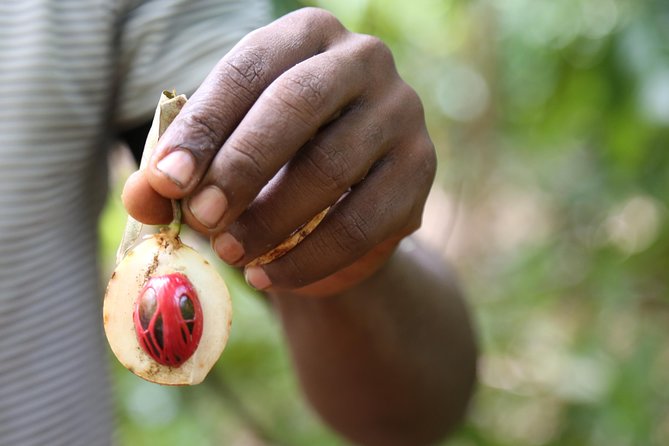
Zanzibar’s nickname, the Spice Island, comes alive on this short farm visit. You leave your hotel at 9am, pass through the streets of Stone Town, and reach rural fields where clove, nutmeg, cinnamon, and other crops are grown and prepared for cooking. The best part is that you learn by seeing, smelling, tasting, and walking, not by sitting through a long lecture.
I like the small maximum group of 12, which should make it easier to hear your guide and ask questions. I also like the fresh-fruit tasting, a simple touch that gives the visit a local, seasonal feel rather than turning it into a museum-style display.
The main drawback is the price: $101.54 per person for about three hours, with lunch and drinks extra. Hotel transport is included, which helps, but the value depends on how much you want a guided introduction to Zanzibar’s farms and food traditions.
Key points to know before booking
- Three hours from hotel to farm and back: The tour begins at 9am and includes round-trip hotel transport.
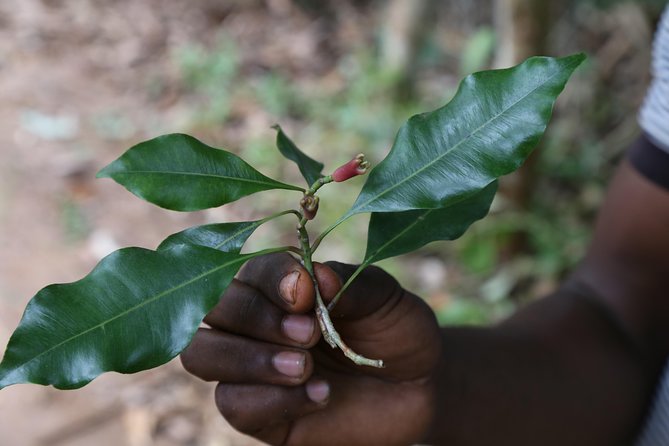
- Spices are seen in their growing environment: You walk through a rural farm and learn how clove, nutmeg, cinnamon, and other crops are cultivated and used.
- Fresh fruit is part of the experience: Fruit is picked from the trees for you to sample during the visit.
- A local guide leads the way: You receive practical context about village life, food, farming, and Zanzibar’s role on old trade routes.
- Lunch is optional but not included: A typical meal prepared with fresh spices may be available at the farm, but you pay for it separately.
- The group stays fairly small: A maximum of 12 people makes this more personal than a large coach outing.
Why Zanzibar’s spice story begins outside Stone Town
Zanzibar is often called the Spice Island, but the nickname makes more sense once you see the farms. Spices are not just jars on a shop shelf here. They are plants, trees, bark, roots, seeds, and fruit that need the right soil, weather, and careful handling before they reach a kitchen.
This tour gives you a compact introduction to that process. Your guide explains where familiar ingredients come from and how local people use them in cooking. Clove, nutmeg, and cinnamon are the headline crops, but the value of the visit is the connection between farming and daily life.
The route begins at your hotel at 9am. You travel through Zanzibar City and the streets of Stone Town before heading toward the rural farms. That change matters. Stone Town shows you Zanzibar as a historic city and port, while the farm visit shows you the agricultural side of the island.
I would not book this as a replacement for a full Stone Town walking tour. It is better viewed as a companion experience. You get a short look at the city on the way out, then spend most of your time among plants and farmland.
More spice farm tours in Zanzibar:
- Zanzibar: Stone Town, Spice Tour, Prison Island with Lunch
★ 4.4 · 1,219 reviews - Zanzibar: Prison Island, Stone Town, & Spice Farm Tour
★ 4.5 · 579 reviews - Zanzibar: Stone Town, Spice tour & Prison Island with Lunch
★ 4.6 · 453 reviews
A 9am departure that keeps the day open
The fixed 9am start is useful if you want to keep your afternoon free. After roughly three hours, you return to your hotel, leaving time for Stone Town, the beach, or another activity.
Hotel pickup and drop-off are included, so you do not need to arrange separate transport to a farm outside the city. That is a real part of the tour’s value, especially if you are unfamiliar with Zanzibar or prefer not to negotiate a taxi for a short rural excursion.
You should confirm the pickup details at booking, since the supplied information gives a 9am start but does not name individual hotel pickup times. Confirmation is provided when you book.
The ride itself is part of the setting. You pass from city streets toward the countryside, which helps you see that Zanzibar is more than its famous waterfront and stone buildings. Do not expect a long sightseeing drive with many formal stops. The transport mainly gets you to and from the farm.
Walking through the farm, one spice at a time
The central activity is a guided walking tour of a local spice farm. Your guide points out the plants and explains how each spice grows, what part is used, and how it reaches the kitchen.
Clove, nutmeg, and cinnamon are especially useful examples because each comes from a different part of a plant. Seeing those crops in the ground gives you a better sense of the work behind ingredients that many people use without thinking much about their origin.
The farm visit also connects food with local income and village life. You learn how rural communities cultivate crops and how spices contribute to Zanzibar’s place along one of the world’s old trading routes. The guide’s explanations are likely to matter more than the size of the farm itself.
This is a walking activity, not a passive roadside stop. You should be comfortable moving around a rural property for part of the three-hour outing. A moderate level of physical fitness is required, and children must be accompanied by an adult.
The information does not specify the exact walking distance or ground conditions. If you have mobility concerns, ask the provider before booking rather than assuming the farm will be easy to navigate.
Fresh fruit gives the tour its best taste
The fruit tasting is one of the nicest details. You sample fruit picked fresh from the trees, which adds a direct, uncomplicated pleasure to the spice lesson.
Fresh fruit also breaks up the explanations. Instead of hearing only about crops used in savory dishes, you get a taste of what the farm can produce and what grows in the surrounding area. The fruit snack has been singled out as especially enjoyable, so I would treat it as a real feature rather than a minor extra.
The exact fruit selection is not specified and may depend on what is available at the farm. That is worth keeping in mind if you are expecting a particular tropical fruit. The safe expectation is a fresh sample from the trees, not a fixed tasting menu.
Bring an open mind and do not compare this with a formal food tour. The tasting is one part of a wider farm visit. It works because it is simple and tied to the place you are standing in.
A few more Zanzibar trips worth comparing
- Zanzibar: Quad Bike Adventure departing from Kendwa or Nungwi
★ 4.9 · 1,233 reviews - From Kendwa: Mnemba Boat Trip and Dolphin Snorkel Adventure
★ 4.8 · 1,043 reviews - Zanzibar: Prison Island and Nakupenda Boat Trip with Lunch
★ 4.1 · 882 reviews - Skydive Zanzibar | Tandem Skydive
★ 5.0 · 877 reviews
A farm lunch can extend the visit
A typical lunch prepared with fresh spices may be available at the farm, but it is not included in the tour price. Food and drinks are also excluded, so you need to budget separately if you want to eat there.
This arrangement gives you some choice. If you have already eaten or want to keep costs down, you can finish the farm visit without paying for lunch. If you want a fuller food experience, buying the meal lets you taste how the spices featured during the walk are used in local cooking.
The supplied details do not name the dishes or give a lunch price. I would ask about the menu and cost before ordering. That keeps the final expense clear, especially since the tour already costs $101.54 per person.
The lunch may be a good fit for people who want the farm experience to include a meal rather than just a tasting. It is less useful if your main goal is to see the plants and return quickly to the city.
Small-group size makes the guide more useful
The maximum group size is 12 people. That is not a private tour, but it is small enough to keep the guide’s explanations within reach of the group.
A smaller group also helps at the farm. You are less likely to be separated from the guide when the group stops around a plant or gathers for a demonstration. If you have a question about cooking, farming, or village life, you should have a better chance to ask it than you would on a large bus tour.
The guide is described as a local professional, but no personal guide name is provided. The experience depends heavily on that guide’s ability to explain the crops and connect them to everyday life. You should expect practical information, not an academic botany lesson.
The tour can also include an opportunity to shop afterward. That may suit you if you want to buy spices or related products, but you are under no obligation to purchase anything. Ask about prices and quantities before buying, as the experience details do not provide a shopping price guide.
A little entertainment may also be included during the visit. It is described as a delightful addition, but the exact form is not specified, so I would treat it as a possible extra rather than a guaranteed performance.
Is $101.54 fair for three hours?
At first glance, $101.54 per person is a noticeable price for a three-hour activity. The fee makes more sense when you count what is included: a local guide, hotel pickup, hotel drop-off, a rural farm walk, and fresh fruit tasting.
Transport is important here. Without it, you would need to arrange a separate round trip to the farm, and the convenience of door-to-door service has practical value. The small group size also supports the price, since you are not simply being carried to a crowded roadside stop.
Still, lunch, drinks, and any shopping are extra. If you are comparing this with a simple taxi ride to a farm, the tour will cost more. The difference is the interpretation and structure. You are paying for someone to explain the crops, show you how they fit into local life, and manage the return journey.
I see the strongest value for first-time visitors who want a clear, easy introduction to Zanzibar’s agricultural side. It is less compelling for people who already know the island’s spice farms or who prefer to arrange independent visits at a lower cost.
Group discounts are offered, though no discount amount is given. If you are booking with several people, ask how the reduction applies before payment.
Who will enjoy this farm visit most?
This tour fits you well if you like food, plants, rural life, and short guided outings. It is also a good choice if you want something that feels different from a beach day or an urban sightseeing walk.
Families can book it, but children must remain with an adult. Since the activity includes walking around a farm, it is best for children who can manage a moderate amount of movement and pay attention to a guide.
Food-focused visitors will appreciate the connection between crops, fresh fruit, and lunch. The tour does not promise a full cooking class, so book it for tasting and learning rather than hands-on food preparation.
You may want to skip it if you have only a few hours in Zanzibar and want to focus entirely on Stone Town. You may also find the cost hard to justify if you do not care much about spices or rural farming.
The three-hour length is a strong point for many schedules. You get a distinct experience without giving up an entire day. The tradeoff is that the visit remains an introduction. You will learn the basics, but you will not cover every crop, farming method, or part of Zanzibar’s spice trade.
Practical details for a smoother morning
Confirmation arrives when you book, and the start time is 9am. Hotel pickup and drop-off are included, but make sure your hotel information is accurate so the meeting plan is clear.
Wear something suitable for walking around a rural farm. The tour requires moderate physical fitness, and the exact farm paths are not described. Comfortable clothing and footwear are sensible choices.
Plan for extra spending if you want lunch, drinks, or shopping. The stated price covers the guide and transport, not food.
A minimum of two people is required per booking. This is important if you are visiting alone, since the activity is not presented as a solo booking option.
Free cancellation is available if you cancel at least 24 hours before the start time. Cancellations made less than 24 hours ahead are not refunded, and changes inside that period are not accepted. The cut-off follows local time.
Should you book the Spice Tour of Zanzibar?
I would book this tour if you want an easy, guided look at the crops behind Zanzibar’s famous food traditions. The fresh-fruit tasting and small group give it more character than a simple drive past farmland, while hotel transport keeps the morning straightforward.
I would think twice if $101.54 feels high for a three-hour activity or if you want a full meal included. Lunch and drinks cost extra, and the tour gives you an introduction rather than an extended study of farming.
For most first-time visitors, the best reason to go is the change of setting. You see the city, then the countryside, then the plants and fruit that help explain Zanzibar’s name. If that connection interests you, this is a practical half-day addition to your stay.
FAQ
What time does the Spice Tour of Zanzibar start?
The tour starts at 9:00am. Hotel pickup is included.
How long does the tour last?
The experience lasts approximately three hours, including the farm visit and return transport.
Is hotel transportation included?
Yes. Local hotel pickup and drop-off are included.
Is lunch included in the price?
No. Food, drinks, and lunch are not included. A typical lunch prepared with fresh spices may be available at the farm for an additional cost.
How many people can join the tour?
The activity has a maximum of 12 travelers. A minimum of two people is required per booking.
Can I cancel for a full refund?
Yes, if you cancel at least 24 hours before the experience starts. Cancellations made less than 24 hours before the start time are not refunded.
Just added around Zanzibar
- Walking in Stone Town with a Expert Tourguide★ 3.7 · 3 reviews
- Stone Town Tour★ 5.0 · 16 reviews
- Jet Ski Experience from Kendwa Beach★ 5.0 · 21 reviews
- Turtle Snorkeling, Jozani Forest, Kuza Cave, Rock Restaurant★ 3.7 · 8 reviews
- Zanzibar boat rental/charters★ 5.0 · 6 reviews
- Prison island(Changuu island) & stone town walking tour★ 5.0 · 6 reviews
- Full Day Private Zanzibar Triple Delight Tour★ 4.5 · 3 reviews
- Zanzibar Tumbatu Island Cultural Experience★ 5.0 · 4 reviews
Spice Farm Tours, compared.

Stone Town, Spice Tour, Prison Island with Lunch
Read our review →
The Swahili Spice Experience – Spice Tour + Culinary Journey
Read our review →
Zanzibar full day Jozani forest + Spice farm and stone town
Read our review →


Stone Town Guided Tour: Culture, Slave Market & Spice Market
Read our review →Browse the lists this tour appears in