
Reviewed · FOOD & DRINK
Mama Aziz Food Court
The best part of Mama Aziz Food Court is that the cooking starts before you reach the kitchen. You visit an Arusha market, help select groceries and fruit, then use those ingredients to prepare a Swahili meal. I like the market-to-table format and the chance to learn how African, Arab, Indian, and European influences meet in Tanzanian food.
I also like the friendly family setting and the broad menu, which can include pilau, biriyani, chapati, ugali, grilled meat, coconut dishes, spiced tea, and seasonal fruit. The main drawback is practical: the experience is not suitable for wheelchair users or people with visual impairments, and the exact dishes may depend on the day’s menu and available ingredients.
Key points at a glance
- Market shopping comes first: Help choose the groceries, spices, herbs, fruit, and other ingredients used in the lesson.
- You cook, not just watch: The three-hour session includes practical work with spice combinations, preparation, and cooking methods.
- The menu covers Tanzania well: Expect possible dishes such as pilau, biriyani, ugali, chapati, coconut iftaar, barbecue, and kachumbari.
- A family welcome shapes the visit: Mama Aziz Homestay offers a social setting where food and Tanzanian culture are discussed together.
- Small groups keep it personal: No more than 10 people can join, with English instruction.
- The $25 price covers the essentials: Groceries, fruit, recipe ingredients, and the city market visit are included.
Starting at the Arusha market
Your lesson begins with food shopping rather than a lecture. Pickup is available from a nearby restaurant at the Clock Tower roundabout or from the museum near the monument, making this a useful meeting point if you are already exploring central Arusha.
At the market, you help choose the ingredients for the meal. This is more useful than simply seeing a finished plate because you can connect the raw products with the dish they become. You might handle spices, tropical fruit, fragrant herbs, vegetables, roots, and other local ingredients used in Swahili cooking.
The market visit also gives the lesson a sense of place. Food traditions make more sense when you see the ingredients in their everyday setting. Pilau is not just a bowl of seasoned rice, and coconut iftaar is not just a sweet side dish. The shopping step helps show how local cooking begins with what is available and in season.
The precise shopping list is not fixed. That is worth knowing if you want one specific dish. The menu can include several options, and the food prepared may change with the season or the group’s choices. The French visitor who took the class in February 2025 specifically noted the choice of menu, the market visit, and buying the ingredients as part of the experience.
More food tours in Arusha:
- Arusha: Traditional Tanzania Cooking Class & Food Market Tour
★ 5.0 · 34 reviews - Organic Coffee Tour and Local Food Experience in Arusha
★ 5.0 · 29 reviews - Street Food and Community Walking Tour
★ 5.0 · 12 reviews
Learning the spice logic of Swahili food
Swahili cuisine reflects centuries of contact along the East African coast. African cooking methods meet Arab and Indian seasoning traditions, with some European influence as well. The result is food that can be fragrant, warm, coconut-based, grilled, or mildly spicy, often with several textures on the same plate.
The cooking lesson focuses on how these flavors are built. You learn about spice combinations and preparation techniques rather than merely copying a recipe. That distinction matters if you want to repeat the food at home. A recipe tells you what to add. A good lesson also helps you understand when to add it and how the ingredients work together.
The menu gives you a useful cross-section of Tanzanian staples:
- Pilau served with kachumbari: Spiced rice paired with a fresh chopped salad. The contrast between warm seasoning and cool vegetables makes this a good introduction to East African meal structure.
- Biriyani: A more elaborate rice dish with strong links to the Indian Ocean trade world. It gives you a chance to compare its seasoning and preparation with pilau.
- Ugali with grilled meat and vegetables: Ugali is a firm maize dish that is eaten with savory accompaniments. It is filling, simple, and central to many East African meals.
- Chapati with gravy: This flatbread and sauce combination shows the Indian influence on Swahili food. The hands-on part is especially useful because dough takes practice.
- Coconut iftaar: This can include plantains, sweet plantains, sweet potatoes, Irish potatoes, and arrow roots. It offers a different look at coconut-based cooking and starchy foods.
- Chai masala: Spiced tea adds a drinkable example of the region’s Indian Ocean connections.
- Barbecue and seasonal fruit: Grilled food and fruit round out the meal with straightforward, familiar flavors.
You should not expect to prepare every item in three hours. The selection is broad, so the session will focus on a manageable group of dishes. That is a good reason to ask about the day’s menu when booking or at the start of the activity.
Rolling up your sleeves in the kitchen
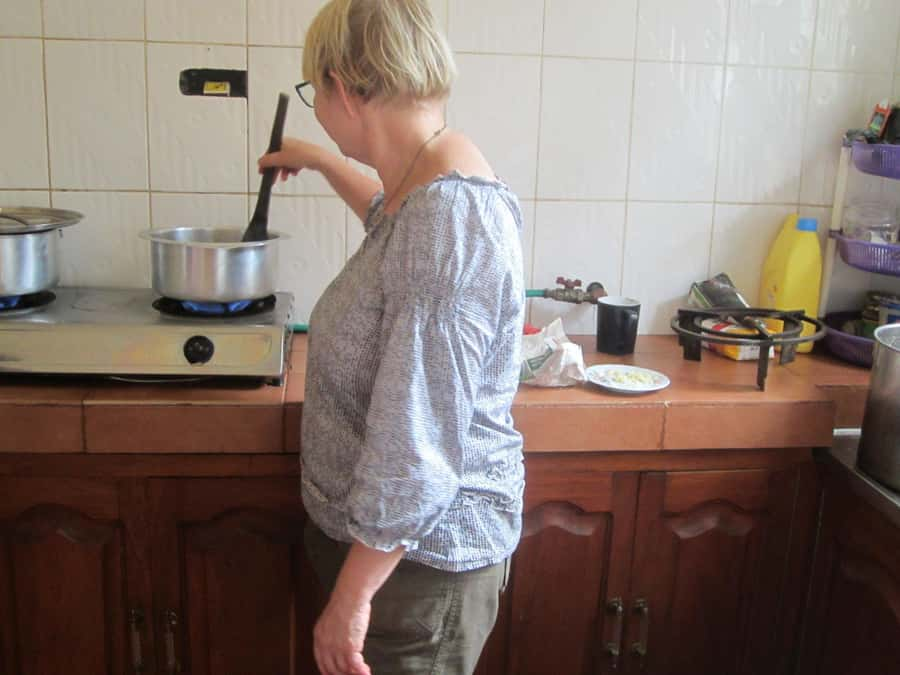
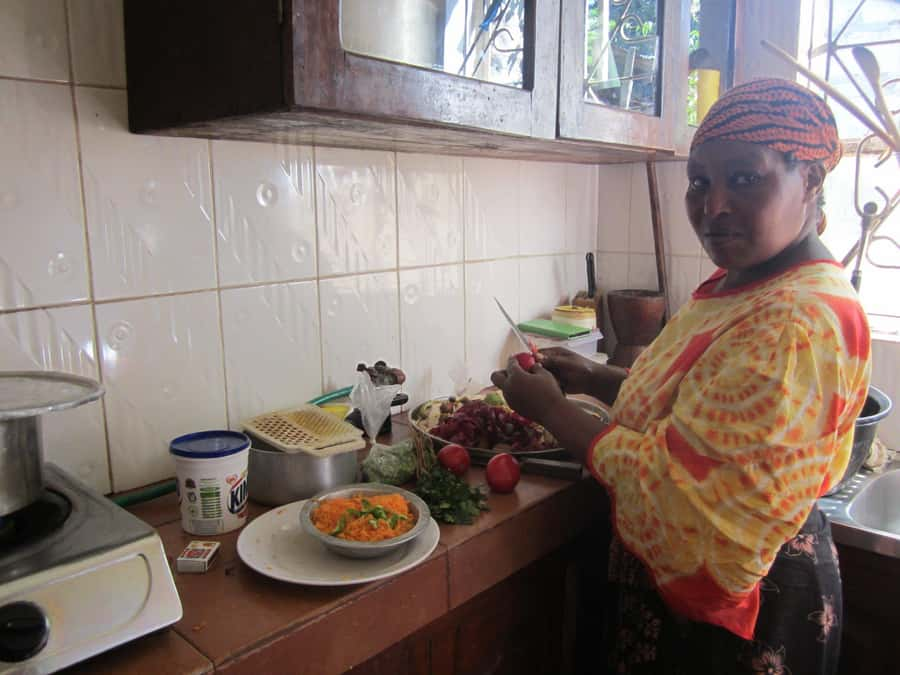
This is a hands-on class. You work with the ingredients, follow the preparation steps, and take part in cooking rather than sitting through a demonstration. The instructors are described as experienced cooks who enjoy sharing Swahili food and its background, and instruction is in English.
The practical work can include preparing spices, mixing ingredients, shaping chapati, handling vegetables, and helping with the main dishes. The available information does not give a fixed recipe list or a detailed kitchen sequence, so you should think of the class as a guided cooking session rather than a formal culinary school course.
That informal approach is part of the appeal. You are there to understand how a household-style meal comes together and to eat it afterward. The Austrian visitor who joined in August 2024 described learning about Tanzanian culture, ingredients, and traditional meals while spending time with the host family. That combination of food instruction and conversation is likely to be more valuable than a polished restaurant demonstration if you want cultural context.
The family setting also means the pace may feel relaxed and social. A small group of up to 10 helps, but it is not a private class unless you arrange a group booking. If your main goal is to master advanced technique, this may feel basic. If your goal is to learn several everyday dishes and understand where they fit in Tanzanian life, it makes more sense.
Sitting down to taste the finished meal
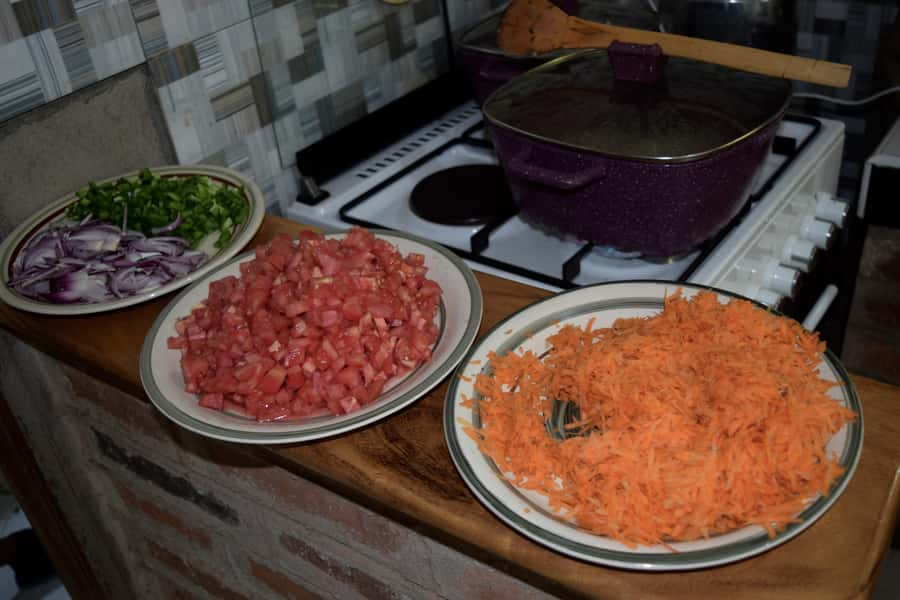
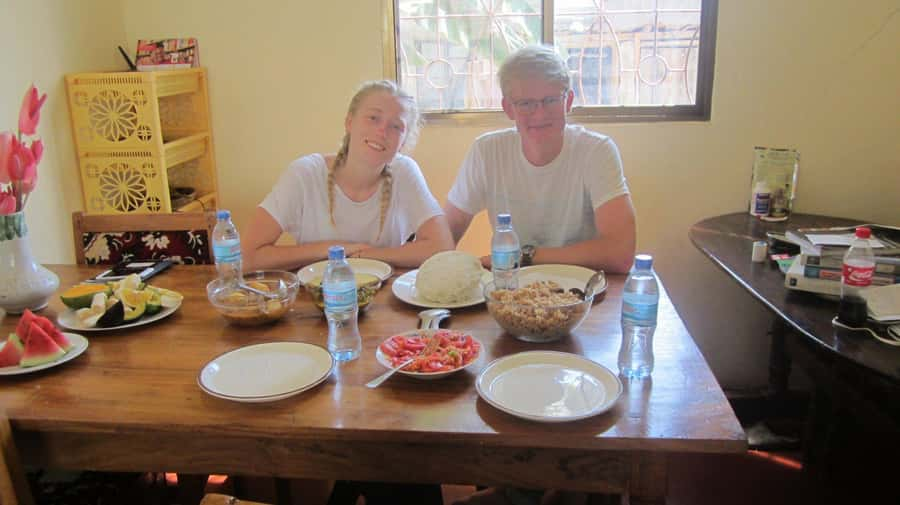
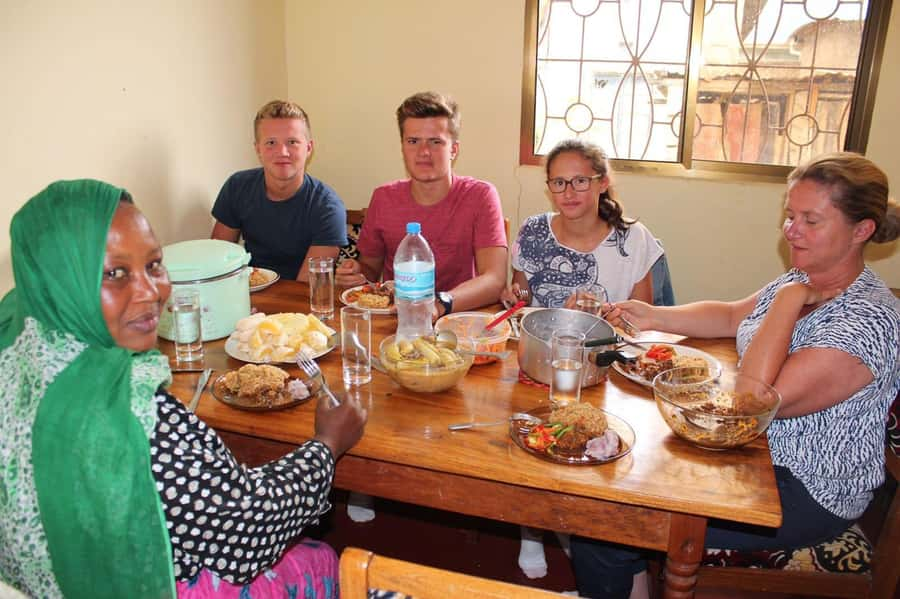
After the cooking comes the best test: eating what you helped prepare. The session includes a shared tasting of the finished dishes, with seasonal fruit available as part of the food selection.
This meal gives you a chance to compare the dishes directly. Pilau and biriyani can look similar at first glance, but their seasoning and preparation differ. Ugali changes the experience again, since it is used with meat, gravy, or vegetables rather than eaten like rice. Chapati and coconut-based foods bring softer, sweeter, and richer notes to the table.
The meal is also where the social side of the activity comes together. You are likely to sit with the host family and the other participants, making this a pleasant choice if you enjoy conversation around food. The French visitor described the sequence as market shopping, cooking, tasting, and a garden visit, all of which went smoothly. A garden visit is not clearly listed as a separate standard stop, so treat it as something that may be part of the host setting rather than a guaranteed feature.
The food is not designed as a restaurant tasting menu. It is a home-style meal connected to the work you have just done. That makes it satisfying, but it also means the portion size, presentation, and exact dishes may vary.
A few more Arusha trips worth comparing
- Tanzania Classic – 7 Days
★ 5.0 · 1,151 reviews - 4 Days Group Camping Safari
★ 5.0 · 1,101 reviews - 5 Days Group Camping Safari
★ 5.0 · 730 reviews - 7-Day Premium Luxury Tanzania Safari All-Inclusive
★ 5.0 · 426 reviews
What the $25 price really covers
At $25 per person, the value is solid because the fee includes more than instruction. It covers the groceries and fruit purchased for the class, all ingredients needed for the recipes, and the city market visit. You are paying for the food you help prepare as well as the teaching time.
The three-hour duration gives enough room for shopping, preparation, cooking, and eating without making this an all-day commitment. That works well in an Arusha schedule, especially if you are fitting the class around other sightseeing or preparing for a safari.
The price is strongest for people who would otherwise pay separately for a meal, a market visit, and a cultural activity. You get all three in one session. It is less compelling if you only want a quick meal or already have extensive experience cooking East African food.
Group bookings and recurring participants can receive special discounts. If you are traveling with friends or family, it is worth asking about the group rate. The group limit is 10 people, so the setting should remain fairly manageable even when full.
Who will enjoy Mama Aziz Food Court most
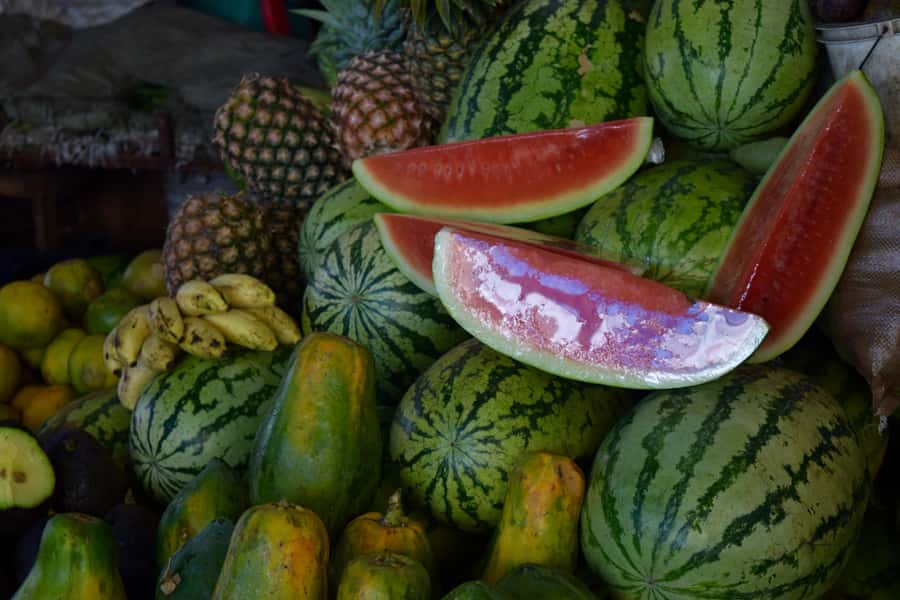
I would recommend this experience to you if food is one of the ways you like to understand a place. It suits curious eaters, home cooks, couples, families, and small groups who want to do more than take photographs of a finished plate.
It is also a good fit if you are new to Swahili food. The menu includes familiar entry points such as grilled meat, rice, fruit, tea, and flatbread, while also introducing ugali, coconut iftaar, arrow roots, and local spice combinations.
You may want to choose another activity if you need a fully accessible venue, have a visual impairment, or are looking for a strictly fixed menu. Pets, alcohol, and drugs are not allowed. Bring a camera, cash, and a credit card, though the ingredients needed for the class are included.
This is not presented as a wine-and-food pairing or a polished chef’s table. It is a practical cultural lesson in a family environment. That makes it more personal, but also less formal.
Practical details that affect your day
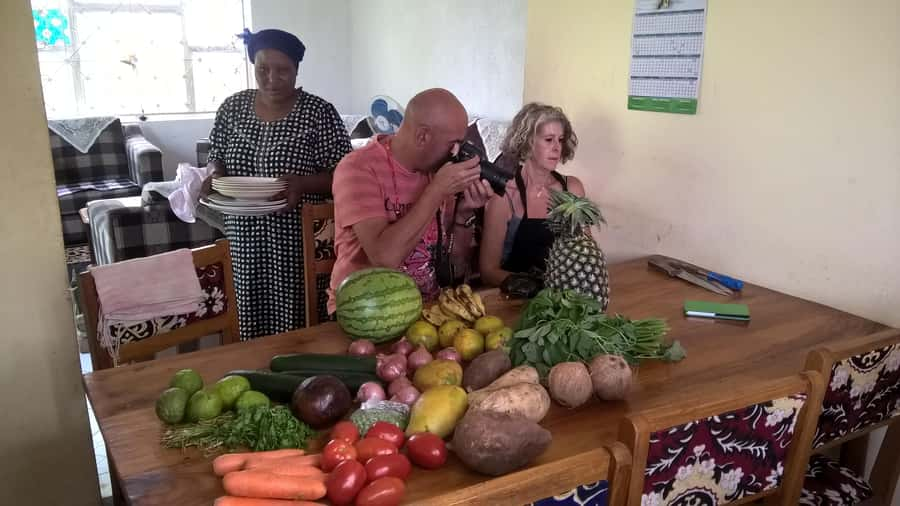
The class lasts three hours, with starting times available according to the schedule. English is the stated language, so you should be comfortable following cooking instructions and asking questions in English.
Pickup is included from a nearby restaurant at the Clock Tower roundabout or from the museum near the monument. Confirm the exact meeting location when arranging the booking, especially if you are staying outside the central area.
You can cancel up to 24 hours before the activity for a full refund. The reserve-now-and-pay-later option is useful if your Arusha plans may shift, which can happen when safari schedules change.
The small-group limit of 10 is important. You will not have a private instructor at every moment, but you should have more room to participate than in a large cooking demonstration. If you are booking with a group, ask about the discount and menu options before the day begins.
My verdict on the food and cultural value
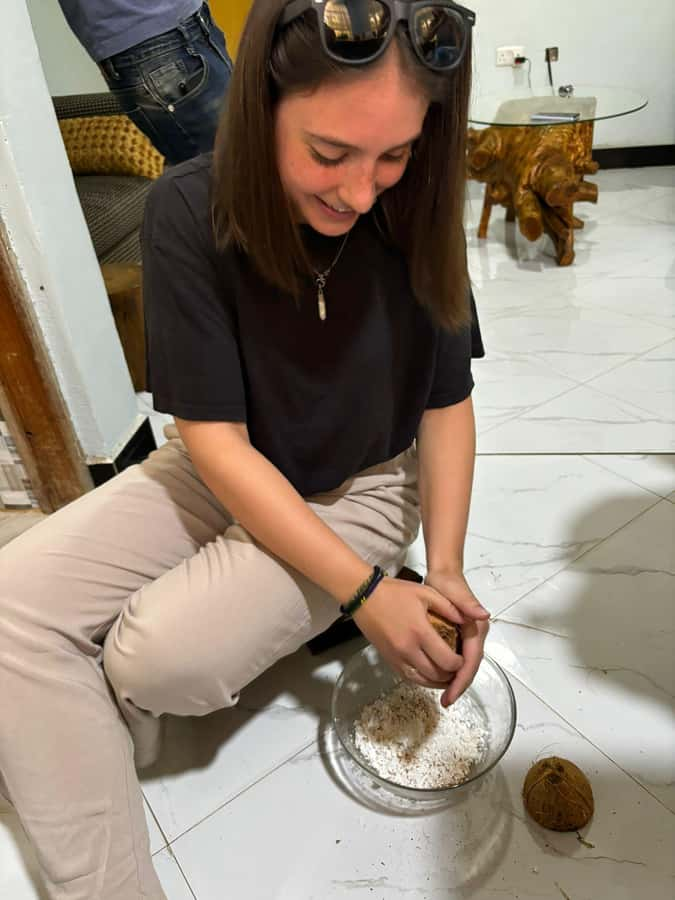
Mama Aziz Food Court succeeds because it connects several simple parts of a good cultural outing: buy the ingredients, learn what they mean, cook them with guidance, and eat together. The market visit gives the class a local setting, while the family welcome adds a human side that a restaurant meal cannot provide.
The strongest feature is the range of food. In three hours, you can learn about rice dishes, flatbread, maize, coconut, grilled food, spice tea, roots, and fresh fruit. You will not become an expert cook in one session, but you can leave with a clearer idea of how Swahili meals are built.
The main uncertainty is the changing menu. If you have your heart set on biriyani or chapati, confirm that the dish will be prepared on your date. The class is best approached with some flexibility and an appetite.
Should you book it?
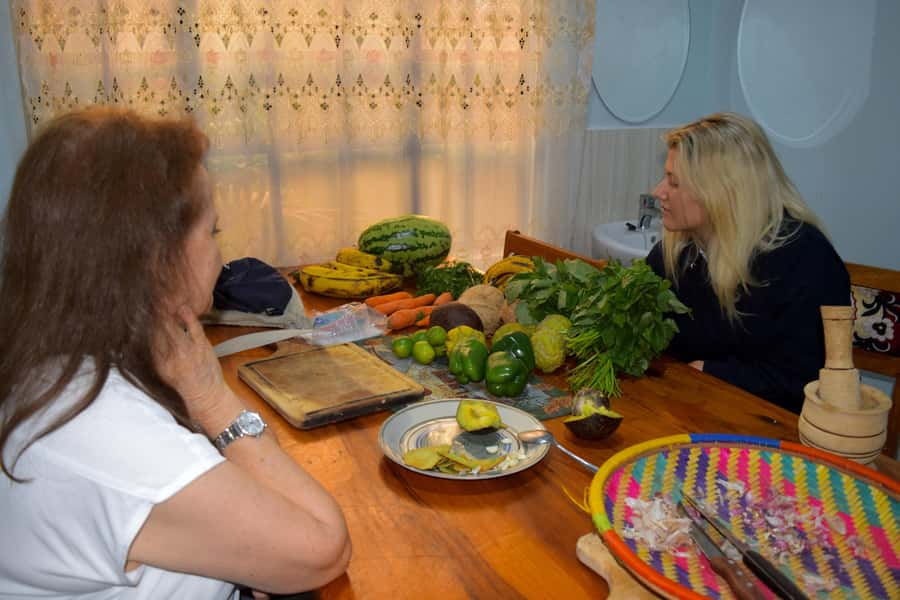
Book Mama Aziz Food Court if you want a small-group, hands-on introduction to Swahili food in Arusha, especially if you value local shopping, family hospitality, and a shared meal. At $25, the market visit, groceries, ingredients, instruction, and tasting make the price reasonable.
Skip it if you need wheelchair access, visual assistance, a guaranteed menu, or a highly formal cooking course. For everyone else, this is a practical way to spend three hours learning why Tanzanian food tastes the way it does, then enjoying the results at the table.
FAQ
How long does the Mama Aziz Food Court experience last?
The cooking experience lasts three hours. Starting times depend on availability.
What food might I learn to prepare?
Possible dishes include biriyani, pilau with kachumbari, chai masala, ugali with grilled meat and vegetables, chapati with gravy, coconut iftaar, seasonal fruit, and barbecue.
Is the market visit included?
Yes. The price includes a city market tour, buying groceries and fruit, and all ingredients needed for the recipes.
How many people can join the class?
The activity is limited to 10 participants, making it a small-group experience.
What language is the lesson taught in?
The instructor teaches in English.
Where is pickup available?
Pickup is available from a nearby restaurant at the Clock Tower roundabout or from the museum near the monument.
Is the experience accessible for wheelchair users?
No. The activity is not suitable for wheelchair users or people with visual impairments.
Just added around Arusha
- From Arusha: 11 days The Classics Northern Tanzania safari★ 5.0 · 11 reviews
- 6-Day Mount Meru Climb through Momella Route Guided Tour★ 5.0 · 5 reviews
- Private Day Trip to Arusha National Park with a Walking Safari★ 5.0 · 4 reviews
- From Arusha : 11-day Amazing North Tanzania safari tour★ 5.0 · 4 reviews
- Walking Day Tour to Safari in Arusha National Park★ 5.0 · 5 reviews
- 2 Days Tanzania Midrange Group Join Safari★ 5.0 · 7 reviews
- Best 5 Days Tanzania Private Luxury Safari with luxury Lodges★ 5.0 · 12 reviews
- Waterfall & Coffee Walking Tour★ 5.0 · 6 reviews
Food & Drink, compared.
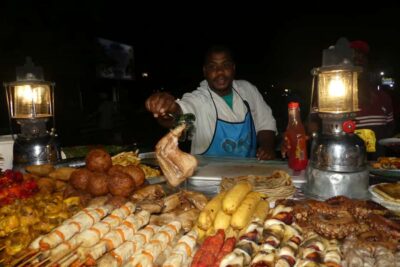
Stonetown: Food Markets and Street Food Walking Tour
Read our review →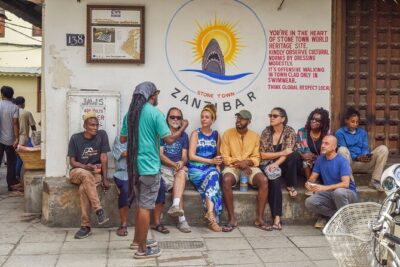
Authentic Street Food Tours in Stone Town, Zanzibar
Read our review →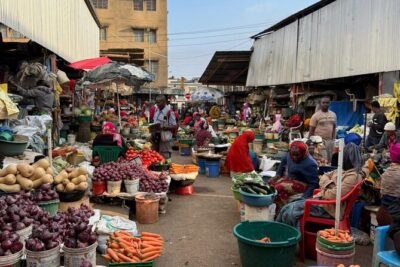
Traditional Tanzania Cooking Class & Food Market Tour
Read our review →
Organic Coffee Tour and Local Food Experience in Arusha
Read our review →
Stone Town Evening Walk Tour With Visit Food Markets
Read our review →

Blue Safari Full Day Private Trip Zanzibar With Sea Food BBQ
Read our review →
From Stone Town: Sandbank picnic with sea food BBQ Lunch
Read our review →Browse the lists this tour appears in