
Reviewed · SPICE FARM TOURS
Spice Farm Tour -Half Day
Zanzibar’s famous spices make the most sense when you see them growing. On this half-day outing, you walk through a working farm, handle fragrant plants, taste tropical fruit, and connect everyday flavors with the island’s past. The visit to Kidichi Persian Baths adds a worthwhile historical stop before the farm walk.
I like two things especially: the guide explains how each crop is used, rather than simply pointing out plants, and hotel pickup with air-conditioned transport keeps the short tour easy to manage. The main consideration is that this is a walking visit in a farm, so you need moderate physical fitness, and the three-hour schedule leaves limited time for a leisurely cooking class or long shopping stop.
Key points at a glance
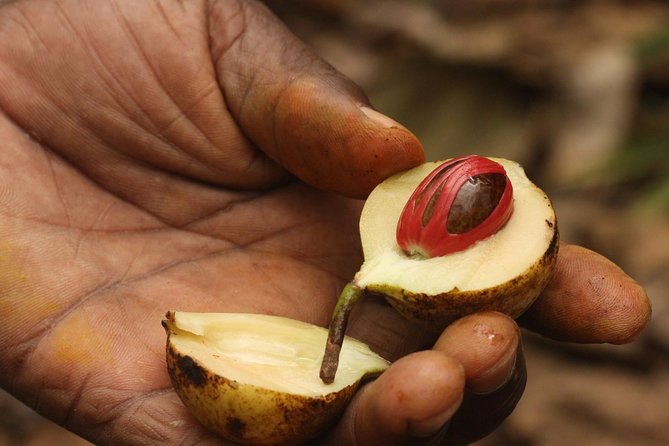
- See spices growing in the soil: Walk among cloves, lemongrass, nutmeg, cinnamon, turmeric, vanilla, black pepper, cardamom, and other crops.
- Visit an unusual historic site: Kidichi Persian Baths were built in 1850 for the Persian wife of Sultan Seyyid Said.
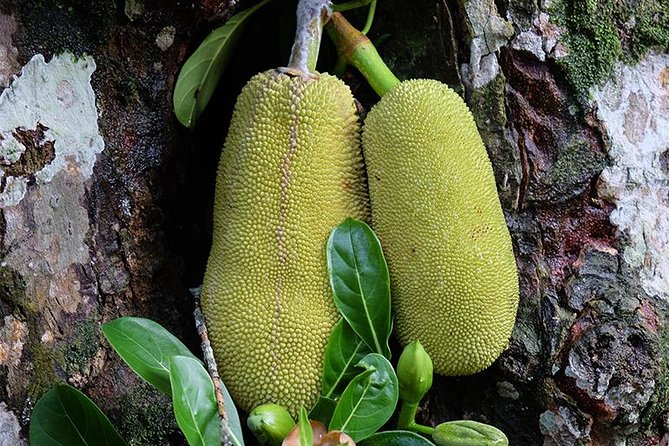
- Taste more than spices: Seasonal fruit, coconut water, papaya, jackfruit, pineapple, oranges, and other produce may be part of the tasting.
- Get door-to-door transport: Hotel pickup and drop-off, private air-conditioned transport, and a bottle of water are included.
- Add a cooking class if arranged ahead: The farm can offer a cooking class on request, though it is not part of the standard tour.
- Leave time for spice shopping: The farm visit is a practical place to buy Zanzibar spices after learning how they are grown and used.
Why a spice farm belongs on your Zanzibar schedule
A spice farm tour gives you a useful break from Stone Town’s lanes, carved doors, and busy markets. Instead of seeing spices only as packets on a shelf, you learn that they are living crops with distinct leaves, bark, roots, pods, and fruit.
The guide’s job here matters. You will be shown how the plants grow and how they can be used in cooking or daily life. Cloves, cinnamon, vanilla, nutmeg, turmeric, chili, lemongrass, and black pepper are not simply names on a menu. Seeing them in the ground makes their flavor and value easier to understand.
The experience also connects food to Zanzibar’s identity. The island is closely associated with clove cultivation, and the tour gives you a glimpse of the farms and plantations that shaped local trade and daily life. I like this kind of visit because it is educational without requiring a long museum stop.
You should expect a relaxed pace, but not a polished attraction with large exhibits or elaborate staging. This is a walking tour in a shamba, the Swahili term for a farm. The appeal comes from the plants, the guide, the samples, and the countryside around you.
More spice farm tours in Zanzibar:
- Zanzibar: Stone Town, Spice Tour, Prison Island with Lunch
★ 4.4 · 1,219 reviews - Zanzibar: Prison Island, Stone Town, & Spice Farm Tour
★ 4.5 · 579 reviews - Zanzibar: Stone Town, Spice tour & Prison Island with Lunch
★ 4.6 · 453 reviews
Kidichi Persian Baths and the story behind the first stop
The tour begins at Kidichi Persian Baths, built in 1850 by Sultan Seyyid Said for his Persian wife, Princess Sheherezade, who was the granddaughter of the Shah of Persia, Fatah Ali. The site sits at one of the highest points on Zanzibar Island.
The baths are decorated with ornamental Persian stucco work. Inside, you can see a series of domed bathhouses, deep stone baths, and large built-in seats. These details give the stop a sense of ceremony and contrast sharply with the plain baths at nearby Kizimbani.
That contrast is useful. Kidichi was built for a member of the ruling family, while the nearby baths were connected with the sultan’s clove and coconut plantation. You get a small but clear picture of how royal life, plantation work, and Zanzibar’s agricultural wealth were linked.
Allow yourself time to look closely at the building rather than treating it as a quick photo stop. The domes and stucco are the main visual draw, while the story behind the baths supplies the context. If you prefer long historical tours, this stop may feel brief. For a half-day outing focused on farms, it is a well-chosen introduction.
Walking through the shamba and its spice plants
After Kidichi, you continue through the countryside to the spice farm. The route is on foot, and your guide identifies the crops as you go. You will smell and taste a variety of spices, herbs, and fruit, with the exact selection influenced by what is growing and ready at the time.
The list of possible crops is broad. Expect to learn about cloves, lemongrass, nutmeg, cinnamon, turmeric, vanilla, chili, black pepper, and cardamom. You may also see cassava, coconuts, papaya, jackfruit, and oranges.
Each plant offers a different lesson. Cinnamon comes from bark, turmeric comes from a root, vanilla grows from an orchid, and cloves are flower buds. The point is not simply to memorize facts. You get a better sense of why these ingredients look and smell so different before they reach a kitchen.
I especially like the tasting element. A spice farm can be interesting but overly visual if you only walk past plants. Smelling and tasting the crops gives the visit more purpose, and the guide can explain how the ingredients are used.
The farm also introduces local life in a simple way. You are on foot among cultivated plants rather than passing them behind a vehicle window. That gives you a closer look at how food is grown and how the countryside differs from Zanzibar City.
Tropical fruit, coconut water, and seasonal tasting
The fruit tasting is one of the most appealing parts of the outing, especially if you enjoy trying produce that may not be familiar at home. Depending on the season, the selection can include jackfruit, pineapple, banana, green coconut juice, durian, love apple, lychee, soursop, papaya, oranges, and other tropical fruit.
Seasonality matters here. You should not expect every named fruit to appear on every visit. The useful way to think about the list is as a guide to the farm’s range, not a fixed tasting menu.
Green coconut juice is a particularly fitting sample in this setting. You can connect the drink with the coconut palms around you rather than treating it as a packaged refreshment. The same is true of fruit such as jackfruit or soursop, where the texture and flavor are easier to appreciate after seeing the plant that produces it.
Some fruit names in the tour description may be unfamiliar, and that is part of the fun. The guide can explain what each item is and how it is eaten or used. Still, if you have allergies or strong dietary limits, mention them before booking, since the tour includes tasting and the available samples can vary.
A bottle of water is included. You may still want to bring sun protection and wear shoes suitable for a farm walk. The provided information does not promise restroom facilities on board, so plan accordingly before leaving your hotel.
More half-day trips in Zanzibar:
- Zanzibar: Nungwi Turtle Aquarium Guided Half-Day Trip
★ 4.4 · 197 reviews - Prison Island: Private Half-Day Tour
★ 4.0 · 132 reviews - Mnemba from Kendwa & nungwi half day
★ 4.5 · 94 reviews - From Zanzibar: Half-Day Prison Island Tour
★ 4.1 · 49 reviews
What the three-hour schedule really allows
The tour lasts about three hours, making it easy to fit into a day in Zanzibar City. The schedule includes transport, the Persian Baths, a drive through the countryside, and the farm walk. One itinerary section lists about two hours for the main stop, so the precise timing can vary.
This is enough time for a useful introduction, not an all-day agricultural study. You can see and taste a good range of plants, hear the main historical explanation, and browse spices for sale. You probably will not have time for a slow farm lunch, an extended cooking session, and a lengthy shopping trip unless those arrangements are made separately.
That short format is a strength for some schedules. You can book it on a day when you also want to explore Stone Town or visit another part of the island. Families and first-time visitors may appreciate the variety: a historic building, a vehicle ride, a walking tour, food tasting, and shopping all fit into one outing.
The walking portion does require a moderate level of fitness. The exact length and ground conditions are not specified, so comfortable footwear is a sensible choice. If heat or prolonged walking is difficult for you, ask about the pace before departure.
The optional cooking class
A cooking class is available at the spice farm on request. This could be a good addition if you want to move from identifying ingredients to learning how they are used in food.
The class is not included in the standard tour details, so you should arrange it in advance rather than assume it will happen on the day. The half-day schedule may also need adjustment if you want a relaxed lesson instead of a quick add-on.
I would choose the cooking option if food is your main interest and you have enough time in your Zanzibar schedule. If you mainly want to see the crops, taste fruit, and visit Kidichi, the regular tour already provides a satisfying three-hour visit.
Is $50 a fair price?
At $50 per person, this tour is not the cheapest way to buy spices, but the value comes from the combination of services. The price covers an experienced professional guide, hotel pickup and drop-off, private comfortable air-conditioned transport, and a bottle of water.
It also bundles several separate elements into one half-day: the Persian Baths, countryside transport, a guided farm walk, tastings, cultural explanation, and time to shop. If you would otherwise need to arrange a taxi and find a farm independently, the convenience adds real value.
The group limit is 20 people, though private transport is provided. That wording means you should clarify the exact group arrangement if a quiet, highly personal visit is important to you. A smaller group usually makes it easier to ask questions and stay close to the guide during the plant explanations.
Group discounts are available. For families or friends booking together, that may improve the price per person. The activity also uses a mobile ticket, which is handy if you are already moving around Zanzibar with only your phone.
Who will enjoy this farm visit most?
I would recommend this tour to you if you enjoy food, gardens, local culture, and short historical stops. It works well for first-time visitors who want an introduction to Zanzibar beyond Stone Town, and it gives families plenty of changing scenery without committing to a full-day excursion.
It is also a good choice for cooks and curious eaters. You will see ingredients in their natural form, smell them at close range, taste fruit, and learn how the crops can be used. The optional cooking class makes the experience more useful for people who want a practical food activity.
You may want a different outing if you dislike walking outdoors, do not want to taste unfamiliar food, or prefer a long, detailed historical tour. The Persian Baths are a meaningful stop, but the main focus remains the farm and its crops.
Practical details before you book
Hotel pickup and drop-off are included, and the transport is described as private and air-conditioned. That matters in Zanzibar’s heat and saves you from arranging separate transport to a farm outside the city.
The tour requires good weather. If poor weather causes cancellation, you can choose a different date or receive a full refund. For your own plans, avoid placing an important, nonrefundable activity immediately afterward.
Free cancellation is available if you cancel at least 24 hours before the start time. Changes or cancellations made less than 24 hours before departure are not accepted for a refund. The cut-off follows local Zanzibar time.
Lunch, coffee, and tea are not included. The tour does include water and tastings of fruit and spices, but you should not treat those samples as a full meal. Plan lunch separately, especially if you are booking this near midday.
Should you book the Spice Farm Tour?
Book it if you want a compact, well-rounded introduction to Zanzibar’s agricultural side. The strongest reasons are the hands-on plant tasting, the chance to see cloves and other spices growing, the visit to Kidichi Persian Baths, and the convenience of hotel transport.
The tour is best when you approach it as a guided farm walk with a historical bonus, not as a full cooking course or a long plantation expedition. Arrange the cooking class ahead if that is your priority, wear practical shoes, and leave room in your schedule for spice shopping.
At $50, the package makes sense for you if air-conditioned transport, a guide, tastings, and a three-hour structure are worth more than finding your own way to a farm. For a first visit to Zanzibar, I would consider it a useful and flavorful half-day choice.
FAQ
How long does the Spice Farm Tour last?
The tour lasts approximately three hours.
What is included in the price?
The price includes an experienced professional guide, hotel pickup and drop-off, private air-conditioned transport, and a bottle of water.
Is the tour suitable for children?
The tour information does not set a minimum age. It does state that participants should have a moderate physical fitness level.
What spices can I see on the farm?
Possible crops include cloves, lemongrass, nutmeg, cinnamon, turmeric, vanilla, chili, black pepper, and cardamom.
What fruit might I taste?
Possible tastings include jackfruit, pineapple, banana, green coconut juice, durian, love apple, lychee, soursop, papaya, and oranges. The exact selection may depend on the season.
Is a cooking class included?
No. A cooking class is available at the spice farm on request, so you should arrange it in advance.
Is lunch included?
No. Lunch, coffee, and tea are not included. A bottle of water is provided.
What happens if bad weather cancels the tour?
If poor weather causes cancellation, you can choose another date or receive a full refund. Free cancellation for other reasons requires at least 24 hours notice before the start time.
Just added around Zanzibar
- Walking in Stone Town with a Expert Tourguide★ 3.7 · 3 reviews
- Stone Town Tour★ 5.0 · 16 reviews
- Jet Ski Experience from Kendwa Beach★ 5.0 · 21 reviews
- Turtle Snorkeling, Jozani Forest, Kuza Cave, Rock Restaurant★ 3.7 · 8 reviews
- Zanzibar boat rental/charters★ 5.0 · 6 reviews
- Prison island(Changuu island) & stone town walking tour★ 5.0 · 6 reviews
- Full Day Private Zanzibar Triple Delight Tour★ 4.5 · 3 reviews
- Zanzibar Tumbatu Island Cultural Experience★ 5.0 · 4 reviews
Spice Farm Tours, compared.

Stone Town, Spice Tour, Prison Island with Lunch
Read our review →
The Swahili Spice Experience – Spice Tour + Culinary Journey
Read our review →
Zanzibar full day Jozani forest + Spice farm and stone town
Read our review →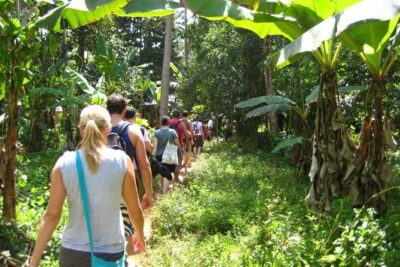


Stone Town Guided Tour: Culture, Slave Market & Spice Market
Read our review →Browse the lists this tour appears in