

Reviewed · SPICE FARM TOURS
Zanzibar Aromatic Spice Farms Tour
Zanzibar’s spices make the most sense when you see them growing. On this three-hour farm walk, cloves, vanilla, cinnamon, turmeric, cardamom, black pepper, and lemongrass leave the spice jar and become living plants you can touch, smell, and taste. You’ll also encounter tropical fruit, including papaya, jackfruit, oranges, coconut, and cassava.
I like the direct, hands-on teaching, especially the explanation of how vanilla grows and why some crops need so much manual work. I also like the local character: the farm operates as part of a village, and guides such as Zamir and James have led visitors through the plants with clear explanations. The main caution is that transport can be unevenly organized, and one group had to wait for a second van because the first was too small.
Key points at a glance
- See spices in the soil: Learn how cloves, vanilla, nutmeg, cinnamon, turmeric, and black pepper grow before they reach your kitchen.
- Taste more than spices: Seasonal fruits are part of the visit, with opportunities to try coconut, papaya, jackfruit, oranges, and other produce.
- Guides may speak your language: French- and Italian-speaking guides have led the walk, along with local guides including Zamir and James.
- Private transport is included: Pickup is offered, and the tour uses a private vehicle for your group.
- Finish with Swahili flavors: A traditional lunch is planned after the farm walk, giving you a chance to taste spices in prepared food.
- Bring cash for the final stop: The spice stall sells fresh packaged spices and accepts cash only.
Why a Zanzibar spice farm is worth your morning
A spice farm visit gives you a different view of Zanzibar. The island is famous for beaches, but its agricultural story is just as important to what you taste at the table. Portuguese traders introduced many spices to Zanzibar in the 16th century, bringing crops from South America and India. Over time, cloves and other spices became closely tied to the island’s economy and cooking.
You will not simply walk past labeled plants. The point is to connect each familiar kitchen ingredient with its shape, scent, and growing method. A guide may ask you to rub a leaf between your fingers, smell the oils released from it, and then compare that scent with the dried spice you know from home.
That simple exercise is useful. Ground cinnamon in a jar tells you very little about the tree it comes from. A living cinnamon plant gives you a better sense of the ingredient before processing. The same goes for vanilla, whose long pods and careful cultivation help explain why real vanilla costs far more than artificial flavoring.
This is a walking tour, so expect to spend the visit outdoors among crops rather than in a formal museum. The experience suits you best if you enjoy learning by looking, touching, smelling, and tasting. It is less suitable if you want a fast list of facts with little walking or time in the sun.
More spice farm tours in Zanzibar:
- Zanzibar: Stone Town, Spice Tour, Prison Island with Lunch
★ 4.4 · 1,219 reviews - Zanzibar: Prison Island, Stone Town, & Spice Farm Tour
★ 4.5 · 579 reviews - Zanzibar: Stone Town, Spice tour & Prison Island with Lunch
★ 4.6 · 453 reviews
From clove buds to growing vanilla
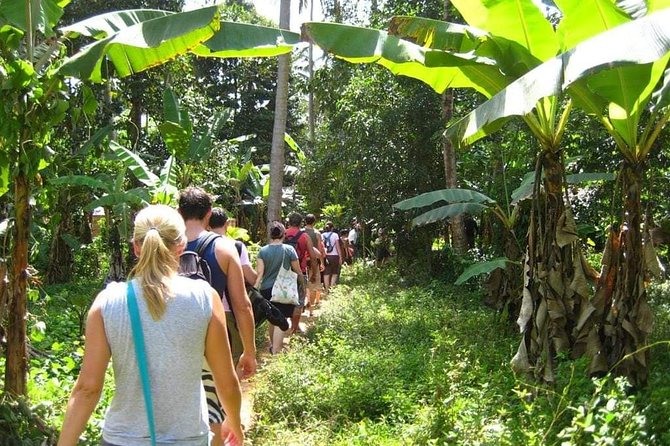
The farm walk is the heart of the experience. Your guide introduces the plants one by one and explains how each crop is cultivated and used. The exact order may change with the season, but the tour covers an impressive range of spices, herbs, and fruit.
Clove is one of the most important plants to understand. The spice is the dried flower bud, not a seed or piece of bark. Seeing the tree and learning about the bud’s growth gives you a clearer picture of the crop than a packaged bottle ever could.
Vanilla is another highlight. One guide explained the size of a growing vanilla bean and the amount of manual work needed to cultivate it. That detail matters because vanilla is often treated as a simple flavor, even though the plant demands patience and careful handling. You may come away with a new respect for the price of genuine vanilla.
Cinnamon, nutmeg, turmeric, cardamom, black pepper, and chili add variety to the walk. Each one has its own part of the plant that gets used, along with its own scent and appearance. You will learn how crops are used in cooking, and possibly in other everyday ways, depending on the guide and what is growing at the time.
Lemongrass brings a sharp, clean smell, while turmeric offers a stronger visual clue through its vivid color. Black pepper plants and cardamom also help show how familiar seasonings begin as living crops rather than finished powders.
The guides make a real difference here. Zamir, from Madeira Travel and Tours of Zanzibar, has led the walk with explanations of the spices, their growing stages, and their uses. James has also guided the farm visit, with an assistant helping during the walk. French- and Italian-speaking guides have been available on some departures, which can make the plant explanations easier to follow.
Because the tour is private, only your own group participates. That gives you a better chance to stop and ask questions than a large shared group would. It also means the pace can feel more personal, though the quality of the experience will depend partly on the guide assigned to you.
Tropical fruit tasting adds a second layer
Spices get top billing, but the fruit tasting helps make the visit more rounded. Seasonal fruit is included, and the farm may present papaya, oranges, jackfruit, coconut, cassava, and other tropical produce mentioned in the tour program.
This part is especially useful if you have not spent much time in tropical farming areas. You get to compare the plants before tasting the finished fruit. Jackfruit, for example, looks very different from the small pieces commonly served at a market or restaurant. Coconut also becomes more than a drink or garnish when you see how it grows and how it fits into local food.
Seasonality matters. You should not expect every fruit listed to be available on every date. The exact selection depends on what is ripe at the time of your visit. That is not a flaw, but it is worth remembering when you book. The farm is a working place, not a fixed exhibition with every item available year-round.
The fruit tasting also breaks up the spice explanations. A long sequence of plant names can become a blur, especially in warm weather. A pause to smell, taste, and compare fruit gives the walk a more relaxed rhythm.
Swahili lunch puts the spices to work
After the farm walk, the plan includes a traditional Swahili lunch at the farm. This is where the tour moves from plant identification to actual cooking. Instead of only hearing that spices are used in local food, you get to taste how several seasonings work together in a prepared meal.
The lunch is one of the more valuable parts of the visit because it gives context to the morning’s discoveries. A pinch of turmeric, a piece of cinnamon, or the scent of cardamom means more when you have just seen the plant and then taste the ingredient in food.
The supplied inclusion list specifically names seasonal fruits and private transport, while the tour description also sets out the Swahili lunch. I would confirm exactly what the meal covers before booking, particularly if you have dietary restrictions or want to know which drinks and dishes are included.
Do not expect a long restaurant meal with a large menu. This is presented as a traditional farm lunch, so the appeal is the setting and the connection to local cooking rather than choice. If you value an informal meal tied to the place you are visiting, it adds real value. If you prefer a polished dining experience, keep your expectations modest.
A few more Zanzibar trips worth comparing
- Zanzibar: Quad Bike Adventure departing from Kendwa or Nungwi
★ 4.9 · 1,233 reviews - From Kendwa: Mnemba Boat Trip and Dolphin Snorkel Adventure
★ 4.8 · 1,043 reviews - Zanzibar: Prison Island and Nakupenda Boat Trip with Lunch
★ 4.1 · 882 reviews - Skydive Zanzibar | Tandem Skydive
★ 5.0 · 877 reviews
The spice stall is useful, but carry cash
The final stop is a spice stall selling fresh packaged spices. It is a practical ending to the visit. By this point, you will have smelled and handled many of the products, so you can make a more informed choice than you would at a generic souvenir shop.
You may want to buy cinnamon, cloves, vanilla, turmeric, cardamom, or other packaged spices for home. Check the local rules for bringing food products back into your country before purchasing. Packaging and customs requirements vary, and the tour information does not specify what documentation or labeling is provided.
The stall accepts cash only. This is the kind of small detail that can make a difference, so bring local currency or another accepted form of cash. Do not assume that a card machine will be available.
Tips for the farm workers are already covered in the tour price, so you do not need to budget an additional tip for that reason. You can still decide for yourself if you want to offer extra money for exceptional service, but it is not presented as necessary.
Is $102.57 a fair price?
At $102.57 per person, this is not the cheapest short activity in Zanzibar. The value depends on how much of the package you use. You are paying for roughly three hours, pickup availability, private vehicle transport, a private group setting, guided farm access, seasonal fruit tasting, a planned Swahili lunch, and the chance to buy spices directly at the end.
The private format is the strongest part of the price calculation. Only your group takes part, so you are not being folded into a large coach crowd. That can make the walk calmer and gives you more room to ask about a particular crop or spend extra time at a plant.
Still, check the transport arrangements carefully. One party found the initial van too small and had to wait for an additional vehicle. That delay did not ruin the farm visit, but it shows why the pickup details matter. If you are booking for a larger group, confirm the vehicle size in advance.
The price makes more sense if you want an organized outing with transport and food rather than only a farm entrance. It makes less sense if you are already staying near a spice farm and could arrange a much shorter local visit at a lower cost.
The tour has an overall rating of 4.6 from five ratings, but that is a small sample. I would treat it as a positive signal, not a guarantee. The strongest pattern is clear: the farm explanations, plant demonstrations, and fruit tasting are the main reasons to go. The weaker point is organization around transport.
Timing, language, and practical comfort
The advertised duration is approximately three hours. That is long enough for a proper farm walk, tasting, meal, and spice-stall stop, but the actual pace may vary with pickup time, group size, weather, and how many questions you ask.
Wear comfortable shoes for walking on a farm. The supplied information does not describe the exact path or terrain, so you should be ready for an outdoor agricultural setting rather than a paved urban tour. Children must be accompanied by an adult.
Most people can participate, and the meeting area is near public transportation. Pickup is offered, and the tour uses private transport. Since one group experienced a vehicle-size problem, larger parties should confirm the pickup vehicle before the day of the tour.
Guide language can be important. A French-speaking guide and an Italian-speaking guide have led this experience, while Zamir and James are named English-speaking guides in the available information. Ask which language and guide are planned for your date if that affects your decision.
The tour requires good weather. If poor weather causes cancellation, you can take another date or receive a full refund. You can also cancel for a full refund if you do so at least 24 hours before the start time. Changes or cancellations made less than 24 hours before departure are not refunded or accepted.
Who should book this spice farm visit?
I would recommend it to you if you want more than beach time and enjoy food, plants, and local farming. It is a good fit for couples, families with an adult present, and small private groups that prefer a guide-led outing with transport included.
It also works well for anyone who cooks. Seeing how vanilla, pepper, cloves, turmeric, and cinnamon grow can change the way you use them at home. The stall at the end gives you a chance to take that interest with you, provided you have cash and can legally bring the products home.
The tour is less ideal if you dislike outdoor walking, want a tightly timed schedule, or care mainly about architecture and historical sites. It is also not the best choice if your main goal is a long meal, since lunch is one part of a short farm visit rather than a full culinary class.
Should you book the Zanzibar Aromatic Spice Farms Tour?
Book it if you want a compact, sensory introduction to Zanzibar’s agricultural life. The best parts are the chance to handle and smell living plants, the explanations of how vanilla and other crops grow, the seasonal fruit tasting, and the way the Swahili lunch connects the plants to local food.
Before paying, confirm the pickup arrangement, vehicle size, guide language, and lunch details. Bring cash for the final spice stall, and remember that the fruit selection depends on the season.
For a private half-day-style outing that combines transport, a farm walk, tastings, lunch, and shopping, the price can be reasonable. If you only want to see a few spice plants at the lowest possible cost, look for a simpler local option instead.
FAQ
How long does the Zanzibar Aromatic Spice Farms Tour last?
The tour lasts approximately three hours.
Is pickup included?
Pickup is offered, and transport is provided by private vehicle.
What spices can I see and taste?
The tour may include cloves, lemongrass, nutmeg, cinnamon, turmeric, vanilla, chili, black pepper, cardamom, and other herbs and spices.
Are tropical fruits part of the experience?
Yes. Seasonal fruits are included, and examples listed for the visit include papaya, coconut, jackfruit, oranges, and cassava. Availability depends on the season.
Is lunch included?
The visit is described as ending with a traditional Swahili lunch at the farm. The formal inclusions specifically list seasonal fruits and private transport, so confirm the exact lunch arrangements before booking.
Can children join the tour?
Yes, but children must be accompanied by an adult.
Can I cancel for a full refund?
Yes. You can cancel at least 24 hours before the experience start time for a full refund. Cancellations made less than 24 hours before the start time are not refunded. If poor weather or insufficient bookings cancel the tour, you will be offered another date or a full refund.
Just added around Zanzibar
- Walking in Stone Town with a Expert Tourguide★ 3.7 · 3 reviews
- Stone Town Tour★ 5.0 · 16 reviews
- Jet Ski Experience from Kendwa Beach★ 5.0 · 21 reviews
- Turtle Snorkeling, Jozani Forest, Kuza Cave, Rock Restaurant★ 3.7 · 8 reviews
- Prison island(Changuu island) & stone town walking tour★ 5.0 · 6 reviews
- Zanzibar boat rental/charters★ 5.0 · 6 reviews
- Full Day Private Zanzibar Triple Delight Tour★ 4.5 · 3 reviews
- Zanzibar Tumbatu Island Cultural Experience★ 5.0 · 4 reviews
Spice Farm Tours, compared.

Stone Town, Spice Tour, Prison Island with Lunch
Read our review →
The Swahili Spice Experience – Spice Tour + Culinary Journey
Read our review →
Zanzibar full day Jozani forest + Spice farm and stone town
Read our review →

Stone Town Guided Tour: Culture, Slave Market & Spice Market
Read our review →Browse the lists this tour appears in