
Reviewed · LUXURY SAFARIS
7-Day Tanzania Odyssey Safari- High End Tour
The headline here is the Great Migration, but the real prize is the range of Tanzania packed into seven days. You move from elephant country in Tarangire to the wildlife-rich Ngorongoro Crater, then north through the Serengeti toward the Mara River, where wildebeest crossings can be thrilling, frustrating, or simply a matter of waiting.
I like the private format and the strong guiding. Named guides including Juma, Roderick, Albert, Frank, Samir, and Calvin Kileo have been praised for their animal knowledge, careful driving, patience, and ability to find good viewing positions. I also like that the package includes park fees, accommodation, all meals, road transport, and the return flight from Kogatende to Arusha.
The main caution is timing. A Mara River crossing is never guaranteed, even when herds are nearby. This is a demanding safari with long road days, and the $7,630 price per person makes the quality of guiding, lodging, vehicle, and final arrangements especially important to confirm before booking.
Key points to know before booking
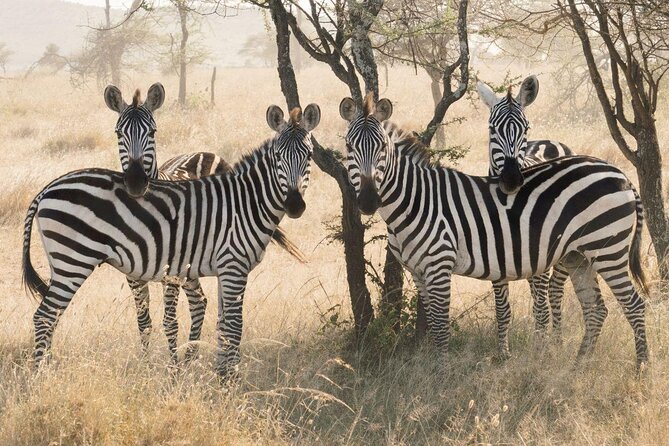
- The route covers four major wildlife areas: Tarangire, Ngorongoro Crater, central Serengeti, and the Mara region.
- The private tour is for your group only, with a professional driver-guide handling the road days and game drives.
- The migration is the star attraction, but river crossings depend on animal movement, weather, and luck.
- The itinerary uses a flight on the final day, reducing the long drive back from northern Serengeti.
- Six breakfasts, six lunches, and six dinners are included, along with accommodation and park entrance fees.
- Guide quality is a major strength, with repeated praise for guides such as Juma, Roderick, Albert, Frank, Samir, and others.
Why this seven-day route works
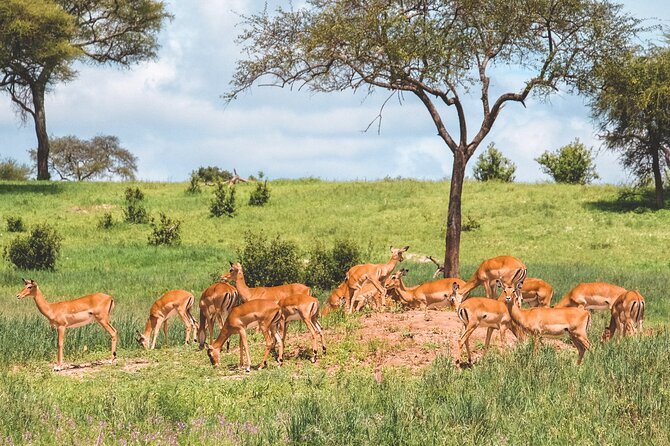
This safari has a smart general shape. It begins with a short arrival and briefing in Arusha, then builds toward the Serengeti. You first see Tarangire and Ngorongoro, two very different wildlife areas, before spending three nights focused on the Serengeti and Mara region.
I like this progression because it gives you variety before the migration chase. Tarangire is known for elephants and baobabs. Ngorongoro offers concentrated wildlife in a compact setting. The Serengeti then gives you wide-open country and the possibility of following migrating herds.
You should also understand what seven days means here. It is enough time for a serious introduction to northern Tanzania, but not enough time for slow travel. Most days are listed at about eight hours, and several include both driving and game viewing. This is a safari for someone who wants a full wildlife program, not a relaxed lodge holiday with short outings.
The tour is private, which matters. You can ask your guide to spend more time with a lion sighting, move on from a crowded viewpoint, or pause for questions about animal behavior and local culture. Your exact freedom will still depend on park rules and driving distances, but a private vehicle is much more flexible than a fixed group departure.
More Luxury Safaris in Moshi
- 8-Day Essence of Tanzania Safari – Luxury
★ 5.0 · 72 reviews - 7-Day Magical Tanzania Safari -Premium High End Package
★ 5.0 · 53 reviews - Tanzania Luxury Safari
★ 5.0 · 48 reviews
Arrival in Arusha and the first night
Your safari begins with pickup at Kilimanjaro International Airport. Gosheni staff meet you, answer questions, provide a short briefing, and take you to Arusha Coffee Lodge.
That first night is useful, not just a place to sleep. International flights can leave you tired, and the briefing gives you a chance to understand the route before the early starts and long drives begin. I would use this time to confirm the daily plan, the name of your guide, the accommodation schedule, and the details of the Kogatende to Arusha flight on the final day.
Arusha is the practical gateway to Tanzania’s northern safari circuit. Since the itinerary gives you an airport pickup and a briefing, you do not need to arrange your own transfer at the start. Additional accommodation before or after the seven-day program is not included, so build that into your budget if your flights do not line up neatly.
Tarangire: elephants, baobabs, and the Tarangire River
After breakfast, you drive from Arusha to Tarangire National Park. The day is listed at about eight hours, including the journey and wildlife viewing.
Tarangire is an excellent first park because it has a clear visual identity. Large elephant herds, huge baobab trees, and the year-round Tarangire River give the park a feel that differs from the open plains farther west. The river remains an important water source during dry periods, which helps explain why animals gather here.
You may also look for tree-climbing lions, a behavior specifically associated with the park. Sightings are never promised, but the combination of elephants, unusual trees, and river country makes Tarangire a strong opening act.
The drawback is simple: this is a long day after arriving in Tanzania. If you reach Arusha late the previous day, the early departure may feel brisk. Still, the park adds something genuinely different to the trip, rather than serving only as a warm-up for the Serengeti.
Ngorongoro Crater: concentrated wildlife in one dramatic setting
Day three takes you to Ngorongoro for a crater tour with a picnic descent to the crater floor. This is one of the most wildlife-packed parts of the itinerary, with an estimated 20,000 mammals in the area and a small population of black rhinoceros.
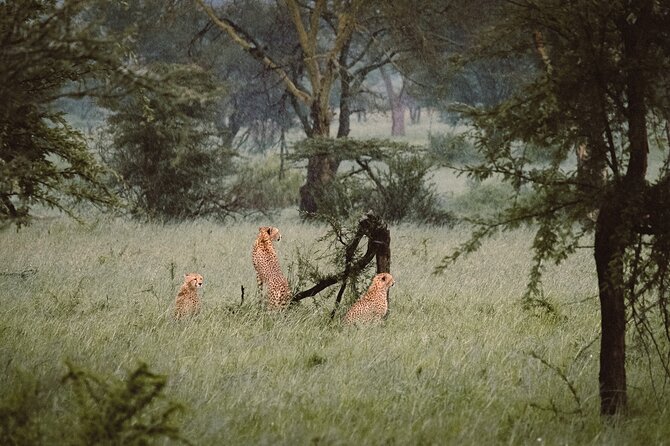
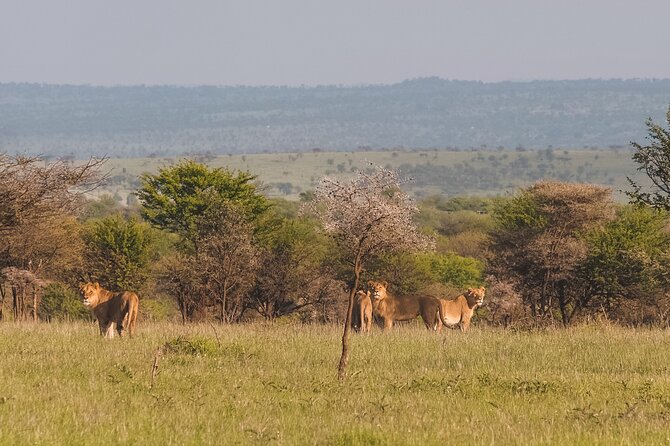
The crater is valuable because you can see a broad range of animals within a relatively contained setting. Lions, cheetahs, hyenas, and jackals are commonly seen, while leopards, servals, and bat-eared foxes require more luck. The area has a high concentration of predators, so your guide’s experience and patience matter.
This is where guides such as Albert can make a difference. He has been described as having 23 years in the field, a strong grasp of animal behavior, and a talent for positioning the vehicle for photographs. That kind of practical skill is more useful than a simple list of species. A good guide helps you understand what an animal is doing and where to look next.
The crater day also has limits. You spend much of the day in the vehicle, and the route is tightly structured by the descent, picnic, and return drive. It is not a quiet nature walk. But for a first safari, the chance to see several species in one day is hard to beat.
More Safaris in Moshi
- Big Five Safari In Tanzania
★ 5.0 · 99 reviews - 6 Days 5 Night Safari
★ 5.0 · 57 reviews - 4-day Tanzania Safari
★ 5.0 · 53 reviews - 4 days adventure camping safari
★ 5.0 · 44 reviews
Central Serengeti and the scale of migration
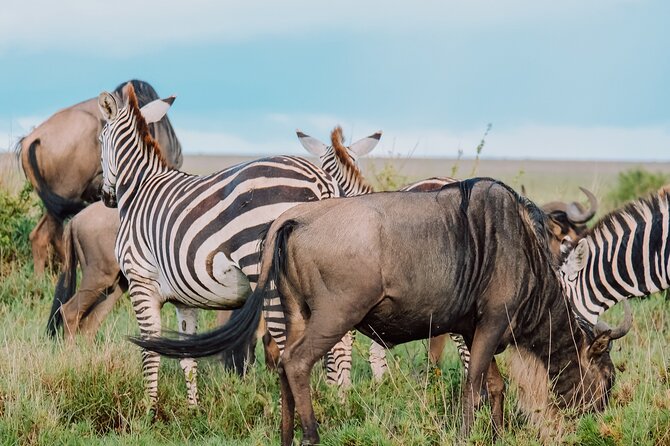
On day four, you leave for the central Serengeti, with a picnic lunch and game viewing along the way. The Seronera area is a key part of the park and offers a mix of open plains and wildlife habitat.
The Great Migration is often described in terms of a single dramatic crossing, but the larger story is more complex. More than a million wildebeest, along with large numbers of zebras and antelope, move across hundreds of miles in search of water and grazing. The route changes with conditions, and the herds do not follow a timetable designed for visitors.
From July through October, the migration can include territorial behavior, mating, predator activity, and river crossings. The animals also produce thousands of calves during the calving cycle, before the long movement begins again. Your guide’s job is not to promise a particular scene. It is to read recent animal movement, use radio information when available, and make sensible choices about where to spend time.
I like the fact that this itinerary gives you a full day of movement toward central Serengeti rather than treating the park as a quick stop. The cost is another long day in the vehicle. Pack patience, water, sun protection, and a camera battery that can handle repeated stops.
The Mara region and the hard-to-catch river crossing
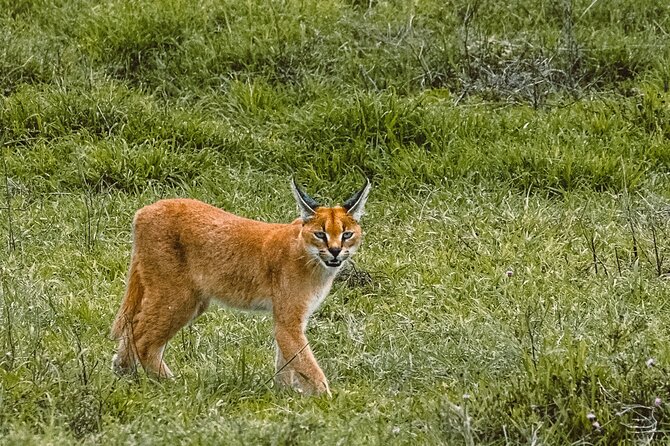
Days five and six focus on northern Serengeti around the Mara region. This is the part of the trip most closely tied to the dramatic migration images: huge herds approaching the Mara River, crocodiles waiting in the water, and animals hesitating at the bank.
The river is the setting, not a guarantee. Herds may gather beside it for days without crossing. They may cross when you are elsewhere, cross in a different place, or turn back after approaching the water. The same animals can even move north and then return south a few days later.
That uncertainty is not a flaw in the natural world, but it is important when you are paying a premium for a migration-focused safari. You should book this trip because you want a chance at the event, not because you expect a scheduled show.
The two nights in the Mara region improve your odds compared with a rushed visit. Day five combines the drive north with game viewing, while day six is devoted to a park game drive. That second full day gives your guide more room to respond to herd movement.
The Mara area itself has more than riverbanks. You can expect kopjes, woodland, river vegetation, and open plains. These different habitats help keep the day interesting even if no crossing takes place. Lions and cheetahs may be among the predators in the area, and crocodiles are part of the river scene, but specific sightings depend on conditions.
The final flight from Kogatende to Arusha
After breakfast on day seven, you drive to Kogatende Airstrip for a flight to Arusha, arriving in time for lunch. You are then driven to Kilimanjaro International Airport for your onward journey.
This flight is one of the itinerary’s best practical choices. Driving all the way from northern Serengeti back toward the airport would consume much of the final day and add another long road stretch. The air transfer gives you a cleaner finish and makes an international departure more manageable.
Still, do not treat the airport connection casually. The schedule should be checked carefully against your onward flight, and you should confirm how luggage is handled before departure. The package includes transportation unless marked optional, but airport and departure taxes are not included.
Guiding is the part that can make or break the safari
The strongest pattern in the feedback is the guiding. Guides named include Frank Winstone, Elibariki, Albert, Calvin Kileo, Juma, James, Roderick, Samir, Ombeni, Francis, Bariki, Obeni, and Hassani.
The praise is specific. Guides are described as patient, good with wildlife identification, careful drivers, helpful with photography, and able to explain local culture. Roderick is particularly praised for driving skill and for finding active wildlife situations. Juma is praised for humor, patience, and a sharp eye. Hassani is noted for handling difficult road conditions during the rainy season.
You cannot assume you will receive one particular guide unless Gosheni confirms it in writing. I would ask before booking if guide requests are possible, then treat the request as a preference rather than a promise.
A good guide is worth paying for on this route. The difference is not only finding a lion. It is knowing when to wait, when to move, how to position the vehicle, and how to explain what you are seeing without turning every stop into a rushed checklist.
Accommodation, meals, and what the price covers
At $7,630 per person, this is a high-end safari price. The value depends heavily on the quality and location of the accommodation, the condition of the vehicle, the skill of the guide, and the efficiency of the final flight arrangement.
The package includes all accommodation, park entrance fees, transport, a professional driver-guide, and six breakfasts, six lunches, and six dinners. That removes several large costs from the trip and makes budgeting easier. The first named accommodation is Arusha Coffee Lodge, while the other properties are not specified in the information provided.
Food is another positive point. The safari includes meals throughout the six nights, and the dining has been described as varied and flavorful at the camps. Acacia luxury tented camps in Tarangire and Serengeti have also been singled out as comfortable places to stay.
I would not book on the word luxury alone. Ask for the exact accommodation names, room style, camp locations, and any seasonal changes. A camp near the right wildlife area can save hours of driving, which is especially valuable during the Mara portion.
You should also budget for tips, personal items, souvenirs, travel insurance, visa fees, and airport or departure taxes. The suggested tipping guideline is $20 per person per day, so include roughly $140 per person for seven days if you follow that guidance.
Who this safari suits best
I would recommend this trip to you if the Great Migration is your main reason for visiting Tanzania and you want a private, guided route rather than a self-drive trip. It also suits photographers, families, and couples who value a guide able to adjust the day around wildlife sightings.
It is less suitable if you want short drives, long mornings at the lodge, or a guaranteed river crossing. The route covers substantial ground, and most days are built around transport and game viewing for about eight hours.
The private format is a particularly good fit for families and small groups. You share the vehicle only with your own party, which makes it easier to manage different interests, questions, and photography stops.
Practical questions to settle before paying
Ask Gosheni for the exact accommodation list and the planned vehicle type. Confirm if the listed $7,630 price includes the flight from Kogatende to Arusha, since the general inclusions say transportation is included unless marked optional, but the flight deserves specific confirmation.
Ask about the likely guide assignment and request names such as Juma, Roderick, Albert, or Frank only if the company can confirm availability. Also ask how the itinerary changes if weather or animal movement makes the Mara River inaccessible.
The tour requires good weather. If poor weather causes cancellation, you are offered another date or a full refund. You can cancel for a full refund up to 24 hours before the start time, but changes or cancellations inside that window are not accepted.
Should you book the 7-Day Tanzania Odyssey Safari?
I would book it if you want a concentrated, private northern Tanzania safari with a serious chance of seeing migration action and you accept that nature sets the schedule. The route includes the right major parks, gives you two nights in the Mara region, and avoids a punishing final road journey by using a flight to Arusha.
I would pause before booking if the price stretches your budget or if the accommodation details remain vague. At this level, you should know exactly where you are sleeping and what vehicle and flight arrangements are included.
For the right person, this is a strong seven-day plan: varied parks, capable guiding, full board, and a well-placed final flight. Just remember the central rule of safari travel: you can pay for access, time, and expertise, but not for a crocodile to appear on cue.
FAQ
Where does the safari begin?
The safari begins with pickup at Kilimanjaro International Airport. Gosheni staff provide a short briefing before taking you to Arusha Coffee Lodge.
Where does the safari end?
The experience ends after you fly from Kogatende Airstrip to Arusha and are driven onward to Kilimanjaro International Airport for your final departure.
Is this a private safari?
Yes. Only your own group participates in the tour.
Which national parks and areas are included?
The route includes Tarangire National Park, Ngorongoro Crater, central Serengeti around Seronera, and the northern Serengeti Mara region.
Is a Mara River crossing guaranteed?
No. Herds may wait beside the river for days, cross at another location, or move back south. Finding a crossing depends partly on luck and animal movement.
Are meals included?
Yes. The package includes six breakfasts, six lunches, and six dinners.
Are park entrance fees included?
Yes. Park entrance fees are included in the tour price.
What costs are not included?
Airport or departure taxes, extra accommodation before or after the tour, personal items, souvenirs, travel insurance, visa fees, and tips are not included. The suggested tipping guideline is $20 per person per day.
Can I cancel for a refund?
You can cancel at least 24 hours before the experience begins for a full refund. Cancellations or changes made less than 24 hours before the start time are not accepted, and poor-weather cancellations can result in a different date or a full refund.
More Seven-Day Trips in Moshi
- 7 Days Mid Range Tanzania Wildlife Safari
★ 5.0 · 31 reviews - 7 Days All inclusive Premium Safari Adventure in Tanzania
★ 5.0 · 3 reviews - Tanzania Classic – 7 Days
★ 5.0 · 1,151 reviews - Kilimanjaro climb by Lemosho Route (7-day)
★ 5.0 · 651 reviews
Just added around Moshi
- Day trip to Materuni waterfall, Coffee tour and Moshi Nightlife★ 5.0 · 6 reviews
- Sip & Paint: Unleash Your Inner Artist!★ 5.0 · 7 reviews
- Rau Forest Bike tour★ 5.0 · 12 reviews
- Private Market Tour and Tanzanian Cooking Class in Moshi★ 5.0 · 7 reviews
- Moshi city bike day trip★ 5.0 · 17 reviews
- Full-Day Moshi Private Forest Walk and Local Market Tour★ 5.0 · 4 reviews
- Private guided tour to the night lifestyle of Moshi town★ 5.0 · 13 reviews
- Savannah Escape & Active Culture Tour★ 5.0 · 9 reviews
Luxury Safaris, compared.
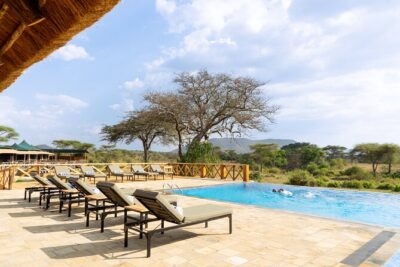
7-Day Premium Luxury Tanzania Safari All-Inclusive
Read our review →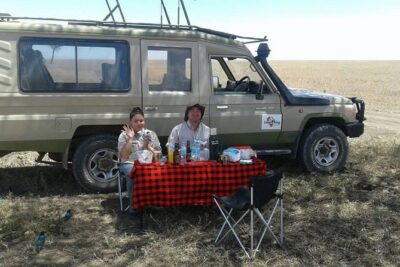
5 Days Best of Tanzania Luxury Safari Northern Circuit
Read our review →
7-Day Magical Tanzania Safari -Premium High End Package
Read our review →
Camping to Serengeti & Ngorongoro Premium Parks
Read our review →

Luxury Swimming with Dolphins IN Mnemba and Lunch
Read our review →Browse the lists this tour appears in