
Reviewed · MIDRANGE SAFARIS
7 Days Mid Range Tanzania Wildlife Safari
The big draw here is variety: in seven days, you move from baobab country and elephant herds to the bird-filled shores of Lake Manyara, the open Serengeti plains, and the wildlife-packed Ngorongoro Crater. I like the private format, since your group can work with the guide on photo stops and daily timing. I also like that park fees, meals, water, transport, and lodging are bundled into one price.
The trade-off is time on the road. Several days run close to 10 or 12 hours, and the accommodation is described as budget tented camps and hotels rather than polished luxury lodges. This is a strong safari for wildlife range and value, but you should come ready for early starts, bumpy roads, and full days outside.
Key points to know before booking
- Four major wildlife areas: Tarangire, Lake Manyara, Serengeti, and Ngorongoro all bring a different setting and animal mix.
- Private safari vehicle: Your group travels in a 4×4 with a pop-up roof, not a shared sightseeing bus.
- Long driving days: Serengeti day one can last about 12 hours, while most other safari days run around 10 hours.
- Good birding potential: Tarangire has more than 400 recorded bird species, while Manyara has more than 450.
- Season matters: Wildebeest calving is best around Ndutu from December through April, while Tarangire is especially rewarding in dry weather.
- Strong local support: Kiwoito’s team includes staff such as Charles, Evaline, Jesca, Feston, Abu, and Senyaeli, with guides assigned according to the trip.
A seven-day route with four very different parks
This itinerary is built around Tanzania’s northern safari circuit. That is a smart choice for a first safari because the parks are varied, close enough to link by road, and packed with classic wildlife.
You begin and end in the Arusha area. In between, the route takes you through Tarangire National Park, Lake Manyara National Park, the Serengeti, and the Ngorongoro Conservation Area. You are not simply visiting four versions of the same park. Each stop has its own mood, scenery, and best features.
The schedule is active. You can expect packed lunches on several days, long drives between parks, and plenty of time in the vehicle. The reward is a broad taste of northern Tanzania without having to arrange separate hotels, park permits, transfers, meals, and safari transport yourself.
More Safaris in Moshi
- Big Five Safari In Tanzania
★ 5.0 · 99 reviews - 8-Day Essence of Tanzania Safari – Luxury
★ 5.0 · 72 reviews - 6 Days 5 Night Safari
★ 5.0 · 57 reviews
Day 1: Arriving in Arusha from Kilimanjaro Airport
Your arrival day is deliberately light. After airport formalities at Kilimanjaro International Airport, a representative meets you and takes you to your Arusha hotel.
The stated meeting time is 8 a.m., but your actual arrival plan should be confirmed carefully if your flight lands later. This first transfer is useful because it removes the stress of finding local transport after a long international flight.
You may have time for an optional city tour, a museum visit, souvenir shopping, boating, or a trip to Chemka Hot Springs. These extras are not included in the safari price, so treat them as possible add-ons rather than part of the core program.
I would use this day to rest, check camera batteries, and ask the safari team about the next morning’s departure. A relaxed start matters. The following days are much fuller.
Day 2: Tarangire for elephants, baobabs, and birds
After breakfast, you drive to Tarangire National Park for a full game drive. The day is listed at about 10 hours, including the journey and time in the park.
Tarangire is especially known for large elephant groups and its striking baobab trees. In the dry season, the Tarangire River becomes a dependable water source, drawing animals from a wide area. That makes the park particularly useful when other water sources have dried up.
You might see buffalo, giraffe, zebra, wildebeest, hippo, baboons, and several types of antelope. The park is also a fine choice if birds matter to you, with more than 400 species recorded there. Birds of prey add another layer to the game drive, especially for anyone who enjoys watching the sky as much as the plains.
The park can also offer rarer sightings such as greater kudu and African wild dogs, but these are never guaranteed. A good guide can help you read the terrain and spend time in the right areas, yet wildlife remains unpredictable.
Tarangire gives you a strong first safari day because the scenery changes quickly. You get open grassland, river areas, and giant trees rather than one unbroken stretch of grass.
Day 3: Lake Manyara’s forest and birdlife
After breakfast, you collect a packed lunch and head to Lake Manyara National Park. The park is smaller than the Serengeti, but its habitats shift quickly.
Lake Manyara sits beside the western wall of the Rift Valley. Underground water supports a green forest through much of the year, giving the park a cooler, more enclosed feel than the open Serengeti. The lake and surrounding wetlands also draw a wide range of birds.
Manyara is associated with tree-climbing lions, olive baboons, elephants, buffalo, zebra, wildebeest, giraffe, hippo, and klipspringer. The bird list runs beyond 450 species and includes flamingos and storks.
The tree-climbing lions are a famous possibility, not a promise. You may see them in trees, or you may spend the day enjoying the park’s forest, water, and larger mammals instead. That distinction is worth keeping in mind if a particular animal is high on your wish list.
Optional activities around this part of the route include a local market near Karatu, a treetop walkway, and a cultural tour. These activities are not part of the included package, and a Maasai village or cultural visit is specifically excluded. Ask about timing before adding anything, since this is already a full day.
Manyara is a good contrast to Tarangire. If Tarangire feels dry and spacious, Manyara feels greener and more enclosed. The change keeps the itinerary from becoming repetitive.
More Wildlife Tours in Moshi
- Wildlife Safari Tanzania
★ 5.0 · 19 reviews - From Moshi or Arusha: Serval Wildlife Sanctuary Trip
★ 4.9 · 14 reviews - Moshi: Serval Wildlife Tour with food and drinks
★ 3.2 · 11 reviews - 6 Days Essence of Tanzania Wildlife Safari
★ 5.0 · 8 reviews
Day 4: The long road into the Serengeti
Day four is the hardest day physically, but it also brings one of the trip’s biggest payoffs. After breakfast, you leave Karatu with a packed lunch, cross through the Ngorongoro Conservation Area, and continue toward the Serengeti.
The day is listed at about 12 hours, with an en-route game drive and an afternoon game drive after entering Serengeti National Park. You should expect a long stretch in the vehicle. The pop-up roof helps with viewing and photography, but it does not turn a rough road into a smooth one.
The name Serengeti comes from a Maasai word meaning endless plains. Once you reach the open grasslands, the scale becomes the point. The park covers about 14,763 square kilometers, so wildlife sightings can be spread across a very large area.
The Serengeti is one of Tanzania’s best places to look for the Big Five, along with many predators and grazing animals. The great wildebeest migration can add drama, but its timing depends on the season. Do not book this route expecting to see a river crossing or a particular migration event on demand.
The afternoon drive gives you a first look at the park, but do not judge the Serengeti from one short session. The following full day is where this itinerary earns its extra night.
Day 5: A full Serengeti photo safari
You spend the day on the Serengeti plains with a packed lunch. This is the itinerary’s most wildlife-focused day, and it is a major reason to choose seven days instead of compressing the circuit into a shorter trip.
A full day gives your guide more room to respond to what is happening. You can spend time watching a pride, follow a promising animal track, or wait in an area where grazing herds attract predators. The exact rhythm depends on the season, the park zone, and what your guide finds.
The Serengeti is also where patience pays. You may see many animals quickly, then spend a quieter stretch scanning the plains. Keep your camera ready, but do not let photography take over every moment. Watching animal behavior is often more memorable than collecting another nearly identical picture.
Past trips with this company have involved guides including Abu, Feston, Charles, Senyaeli, and Sofiane. Staff such as Evaline and Jesca have handled planning and questions for visitors. Your assigned guide may be different, so confirm names before departure if that matters to you. The important point is that guide quality will shape this day more than any printed schedule.
Day 6: Ngorongoro Crater and a remarkable wildlife setting
You leave for the Ngorongoro Conservation Area with a packed lunch and take part in a crater tour. The day is listed at about 10 hours.
Ngorongoro is not simply a wildlife park. It is a multiple-use area where Maasai pastoralists and wild animals share the same broad ecosystem. That human presence is part of the place, and it also explains why cultural activities need to be arranged separately.
The crater formed when a large volcano exploded and collapsed inward, creating a huge caldera. Its enclosed setting can make wildlife easier to find than in the open Serengeti, though no sighting is guaranteed. The crater is known for antelope, large mammals, and possible Big Five sightings.
The wider conservation area also connects to the Serengeti ecosystem and the Ndutu region. From December through April, Ndutu is a strong period for seeing wildebeest and zebra calving. That is a seasonal point, not a guarantee that every part of this itinerary will be positioned beside the calving action.
Ngorongoro is often the most visually dramatic day. The crater walls, grassland floor, and water areas create a compact scene with plenty to scan. It can also feel busy compared with more open park areas, so your guide’s choice of route and timing matters.
Day 7: Returning to Arusha
After breakfast, you leave Karatu with a packed lunch and return to Arusha. The final day is listed at about 10 hours, which is important if you have a flight or another scheduled activity.
The supplied plan refers to continuing with your next schedule, and the wider package description mentions flights from Zanzibar to Arusha Airport, going and returning. However, the detailed included list does not clearly repeat those flights. Confirm the flight arrangements, airport, and transfer details before paying a deposit.
If your onward plan is tight, build in extra time. Road conditions, park exits, and the long drive can affect the day. I would not schedule an international flight immediately after the listed return unless the operator confirms the timing in writing.
What the $2,760 price covers
At $2,760 per person, the price needs to be judged as a package rather than as seven hotel nights. It includes private transportation, a pop-up roof safari vehicle, park fees, taxes, airport transfers, six breakfasts, six lunches, and six dinners. Accommodation is described as budget tented camps and hotels.
That is a useful bundle. Park fees alone can make northern Tanzania expensive, and arranging a private 4×4, driver-guide, accommodation, meals, and transfers separately takes time. The package also reduces the risk of discovering extra charges at every park gate.
The label mid-range deserves a careful look. The safari vehicle and private format may feel comfortable, but the sleeping arrangements are not presented as luxury lodges. If you want upgraded rooms, permanent luxury tents, or a more polished lodge experience, ask for the exact properties before booking.
Alcohol and soft drinks are excluded. Mineral water, tea, and coffee are described as included during the safari, but confirm how much water is supplied each day. Travel insurance is also your responsibility.
The private format and guide experience
This is a private activity, so only your group participates. That gives you more control than a shared vehicle. You can discuss photo stops, comfort breaks, and the pace of the day with your guide.
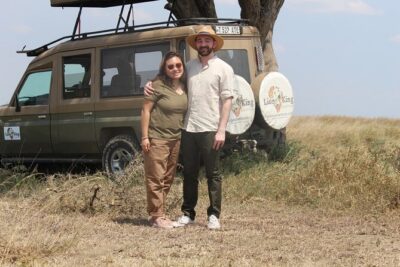
The vehicle has a pop-up roof, which is the right setup for viewing animals and taking pictures from above the window line. You still need practical gear: a hat, sunscreen, a light jacket, comfortable clothes, and protection for camera equipment against dust.
The company has used guides such as Feston, Abu, Charles, Senyaeli, and Sofiane on different trips. Their role is central. A strong guide does more than locate animals. The guide helps you understand behavior, chooses sensible routes, and keeps a very long day manageable.
At the same time, a private vehicle does not guarantee a private park. Popular areas can have other safari vehicles, especially around famous sightings. The advantage is control over your own vehicle, not solitude at every stop.
Who should book this safari
I would choose this trip if you want the classic northern Tanzania circuit in one organized package and care more about wildlife variety than high-end lodging.
It suits families, couples, and small groups who want a private vehicle. Previous family trips have included children as young as four, six, ten, and twelve, but the long drives and full days may still test younger children. Ask about the daily rhythm before committing.
This is also a good match for birdwatchers, photographers, and first-time safari visitors. Tarangire and Manyara add birds and varied habitats, while Serengeti and Ngorongoro deliver the classic big-game setting.
I would hesitate if you dislike long drives, need a relaxed schedule, or expect five-star accommodation. The moderate fitness requirement is not about strenuous hiking. It mainly reflects long days, vehicle time, uneven roads, and frequent early starts.
The tour offers free cancellation up to 24 hours before the start time. Changes or cancellations inside that window are not accepted for a refund, so keep the local cut-off time in mind.
Should you book it?
Book this safari if you want four famous northern Tanzania areas, a private 4×4, included park fees and meals, and a practical price that keeps planning simple.
Before booking, confirm three things: the exact camps and hotels, the guide assigned to your group, and whether the Zanzibar to Arusha flights mentioned in the broader plan are actually included. Those details will determine how close the experience feels to true mid-range travel.
If you can accept long road days and basic-to-comfortable lodging, this is a strong value route. You get Tarangire’s elephants, Manyara’s forest, the Serengeti’s open plains, and Ngorongoro’s crater in one well-packed week.
FAQ
Where does the safari start?
The safari starts with pickup at Kilimanjaro International Airport in Tanzania. The listed start time is 8 a.m., and a representative transfers you to your Arusha hotel.
How long is the safari?
The experience lasts approximately seven days, with six nights of accommodation and six breakfasts, lunches, and dinners listed as included.
Which parks and areas are included?
The route includes Tarangire National Park, Lake Manyara National Park, Serengeti National Park, and the Ngorongoro Conservation Area.
Is this a private tour?
Yes. It is a private activity, so only your group participates.
What type of vehicle is used?
You travel in a private 4×4 safari vehicle with a pop-up roof.
Are meals included?
Yes. Six breakfasts, six lunches, and six dinners are included. Packed lunches are used on several game-drive days. Alcoholic drinks and soft drinks are not included.
Is accommodation included?
Yes. Overnight stays are included in budget tented camps and hotels.
Are cultural activities included?
No. Maasai village visits and cultural tours are not included. Optional activities such as a local market visit, treetop walkway, or cultural tour near Lake Manyara may be available at extra cost.
More Seven-Day Trips in Moshi
- 7-Day Magical Tanzania Safari -Premium High End Package
★ 5.0 · 53 reviews - 7-Day Tanzania Odyssey Safari- High End Tour
★ 5.0 · 35 reviews - 7 Days All inclusive Premium Safari Adventure in Tanzania
★ 5.0 · 3 reviews - Tanzania Classic – 7 Days
★ 5.0 · 1,151 reviews
More Midrange Safaris in Moshi
- 5 Day Mid range Tanzania Safari
★ 5.0 · 34 reviews - 5-Day Highlights mid-Range Crater, Serengeti, Tarangire
★ 5.0 · 296 reviews - Private 6-Day Tarangire Manyara Crater and Serengeti with Mid-Range Lodges
★ 5.0 · 238 reviews - 5-Day Private midrange Tour in Arusha with Airport Pickup
★ 5.0 · 160 reviews
Just added around Moshi
- Day trip to Materuni waterfall, Coffee tour and Moshi Nightlife★ 5.0 · 6 reviews
- Sip & Paint: Unleash Your Inner Artist!★ 5.0 · 7 reviews
- Rau Forest Bike tour★ 5.0 · 12 reviews
- Private Market Tour and Tanzanian Cooking Class in Moshi★ 5.0 · 7 reviews
- Moshi city bike day trip★ 5.0 · 17 reviews
- Full-Day Moshi Private Forest Walk and Local Market Tour★ 5.0 · 4 reviews
- Private guided tour to the night lifestyle of Moshi town★ 5.0 · 13 reviews
- Savannah Escape & Active Culture Tour★ 5.0 · 9 reviews
Midrange Safaris, compared.
5-Day Highlights mid-Range Crater, Serengeti, Tarangire
Read our review →
5-Day Private midrange Tour in Arusha with Airport Pickup
Read our review →
4 Days Tarangire, Serengeti and Ngorongoro Mid-Range Group Safari
Read our review →
7-Day Midrange Tanzania Safari Adventures (Big 5)
Read our review →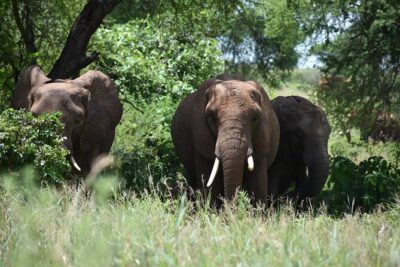
7 Days Highlight of Tanzania Mid-Range Standard
Read our review →
5- Days Best Mid-range Safari and Maasai Village experience
Read our review →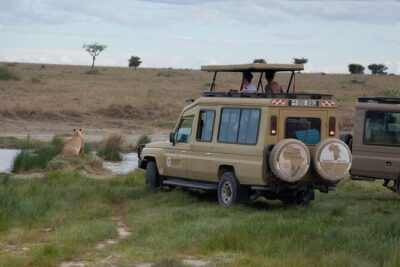
5 days Tanzania midrange lodge Private safari
Read our review →Browse the lists this tour appears in