
Reviewed · GREAT MIGRATION SAFARIS
6 Days Tanzania Budget Camping Safari with Migration
The main draw here is the chance to track the Great Wildebeest Migration while also visiting Tarangire, Serengeti, Ngorongoro Crater, and Lake Manyara. You cover a lot of ground in six days, with long game drives and nights at campsites inside or near the parks.
I like the strong wildlife mix and the practical price of $1,650 per person. I also like the human touches: a Mto wa Mbu cultural walk, Maasai cultural visit, fresh cooked meals, and guides such as Robert, Florian, and Mohammed who are praised for finding animals and explaining what you see.
The tradeoff is a busy schedule. You spend many hours in the safari vehicle, some drives are long, and the migration cannot be guaranteed because the herds move with rain and food. Confirm the exact Lake Manyara and accommodation schedule before booking, since the supplied plan places Manyara-related activities on both Days 5 and 6.
Key points to know before you book
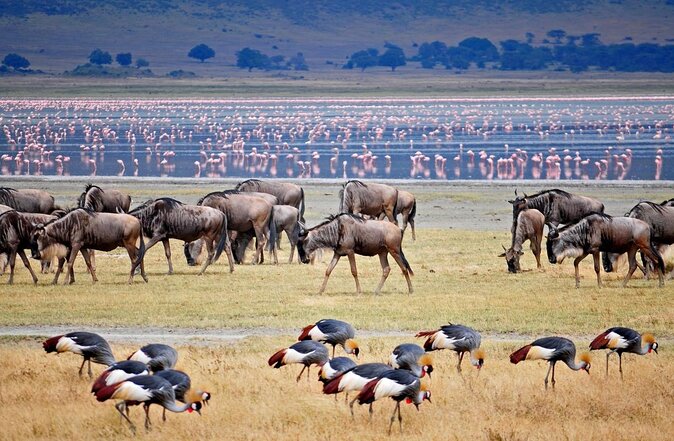
- The migration route changes: Your guide follows current wildebeest movements, but the best chance for crossings is generally June through September, while calving is usually January through March.
- Four major wildlife areas in six days: Tarangire, Serengeti, Ngorongoro Crater, and Lake Manyara give you varied scenery and animal sightings.
- Budget camping keeps the price reasonable: Park visits, meals, mineral water, guide service, lodging, and emergency rescue support are included.
- Serengeti receives the most attention: You get an evening drive on Day 2, a full day on Day 3, and more wildlife viewing on Day 4.
- The group may reach 15 people: This is a shared safari, so vehicle space and viewing time matter.
- The food gets unusually high praise: Chefs such as Gadi, Gideon, Johannes, and Yohane have been singled out for generous meals and help with dietary needs.
What $1,650 buys you on this six-day safari
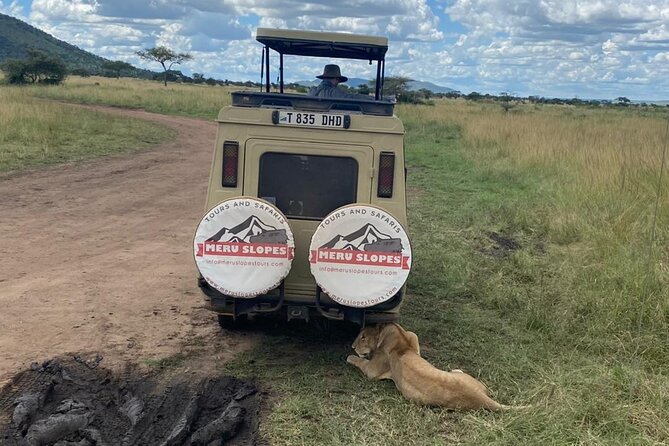
At $1,650 per person, this is aimed at people who want a serious northern Tanzania safari without paying for a private vehicle or luxury lodges. The package includes a professional driver-guide, hotel pickup and drop-off, park visits, accommodation, breakfast, five dinners, six lunches, unlimited mineral water, emergency rescue support, and Wi-Fi inside the safari vehicle.
That is a solid bundle for the price. The biggest value comes from the number of parks covered and the amount of time spent in the Serengeti. You are not simply driving to one reserve, taking a short game drive, and returning to town. The schedule puts you in the parks for long stretches, including a full day in the Serengeti and six to seven hours inside Ngorongoro Crater.
The word budget matters. You should expect camping rather than polished lodge living, shared transport rather than a private vehicle, and early starts. The plan also includes nights at Jambo Lodge and campsites such as Seronera and Simba, but the exact room and tent arrangement should be confirmed before you pay.
A group of up to 15 people can keep the cost down, but it may also mean less room in the vehicle. If you want a private window seat, a slower pace, or complete control over stops, ask about a private upgrade.
More Great Migration Safaris in Moshi
- 10-Day Wildebeest Migration Calving Safari -All Inclusive
★ 5.0 · 30 reviews - 5 Days Tanzania Safari – Migration and Big 5 Safaris
★ 5.0 · 14 reviews - 5 Days Special Safari to see migration
★ 5.0 · 8 reviews
Day 1: Tarangire’s elephants and baobabs
Pickup is listed for around 7:30 or 8:00 a.m., followed by the drive toward Tarangire National Park. The park lies about 115 kilometers from Arusha and covers roughly 2,800 square kilometers, so the first day quickly changes from town roads to open bush.
Tarangire is a good opening act because it offers a different feel from the Serengeti. The Tarangire River draws wildlife, especially during dry periods, and the park is known for large elephant groups, baobab trees, lions, leopards, and pythons that can climb trees.
You have a full-day game drive before heading to Jambo Lodge for dinner and overnight accommodation. The plan contains a typo describing the drive as 43 hours, but this clearly means a road transfer of several hours rather than anything close to two full days.
I like beginning here because you can see a wide range of animals before reaching the Serengeti. The drawback is that the first day combines pickup, a long transfer, and a full game drive. You will want comfortable clothes, water, and a willingness to spend most of the day seated in the safari vehicle.
Day 2: From the Rift Valley to central Serengeti
After breakfast, you pack your luggage into the safari vehicle and make an en-route game drive toward the Serengeti. Lunch is taken in the vehicle, which tells you something important about the pace: this is a working safari day, not a relaxed transfer between lodges.
The route includes views of the Rift Valley and Ngorongoro Crater before reaching the Serengeti at about 3 p.m. That arrival time leaves room for an evening game drive in central Serengeti, including sunset viewing, before dinner and an overnight stay at Seronera campsite.
The Serengeti is famous for its endless plains and for a migration involving about 1.5 million wildebeest along with zebras, other herbivores, and predators. The scale is hard to grasp until you are out on the open plain, where the horizon seems to run without interruption.
This is one of the trip’s best-value days because the transfer doubles as wildlife viewing. Still, it is a long day. If you prefer a slow, lodge-based holiday, the early start, packed lunch, and extended road time may feel demanding.
Day 3: The main Serengeti wildlife day
Day 3 gives you the fullest chance to settle into the Serengeti. After breakfast, you spend the day on game drives in areas selected by your guide. The stated aim is to follow the wildebeest rather than simply visit a fixed viewing spot.
That flexibility matters. The migration is not a permanent parade at one location. The herds move in a broad clockwise cycle between the southern Serengeti, the main park, northern Tanzania, and Kenya’s Masai Mara. Rain, grass, and river conditions affect where they are found.
The best chance for a Mara River crossing is generally July through September in the northern Serengeti. January through March is associated with calving in the southern Serengeti and Ngorongoro area. June through September is often presented as the strongest general migration period, but no month guarantees a crossing.
Your guide’s skill is especially important here. Guide names connected with this safari service include Robert, Florian, Mohammed, Douglas, and others. Robert is particularly praised for spotting animals and positioning the vehicle, while Mohammed is noted for respectful driving and attention to the animals. These qualities matter more than a promised sighting because wildlife viewing depends on patience, timing, and good judgment.
You return to camp after a long day. Plan for dust, sun, and limited downtime. In exchange, this is the day most likely to provide the classic Serengeti experience: large herds, predators nearby, and changing light across the plains.
More Safaris in Moshi
- Big Five Safari In Tanzania
★ 5.0 · 99 reviews - 8-Day Essence of Tanzania Safari – Luxury
★ 5.0 · 72 reviews - 6 Days 5 Night Safari
★ 5.0 · 57 reviews - 7-Day Magical Tanzania Safari -Premium High End Package
★ 5.0 · 53 reviews
Day 4: Sunrise in the Serengeti and the road toward Ngorongoro
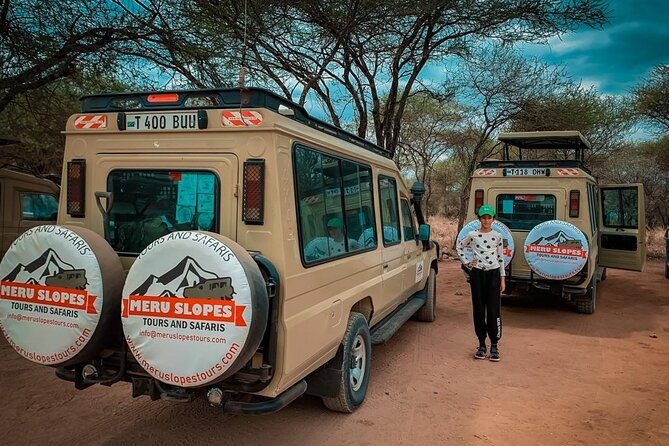
The day begins around 5:45 a.m. with an early breakfast and sunrise inside the Serengeti. The morning game drive continues until about 11:30 a.m., after which you return to camp for a hot lunch and pack your luggage.
You then continue with another game drive while heading toward Ngorongoro Crater, finishing at Simba campsite for dinner and overnight accommodation. This arrangement uses the travel time well, but it also means the day is full from before sunrise until late afternoon.
Morning is a good time for game viewing, since animals are often active before the heat builds. The early start can be tiring, especially after the full day on Day 3, but it gives you a final look at the Serengeti before the trip changes focus.
The move to Simba campsite also positions you for an early descent into Ngorongoro the next morning. That is a practical choice, since crater visits are best handled early and require a long game drive once you reach the floor.
Day 5: Ngorongoro Crater and Mto wa Mbu culture
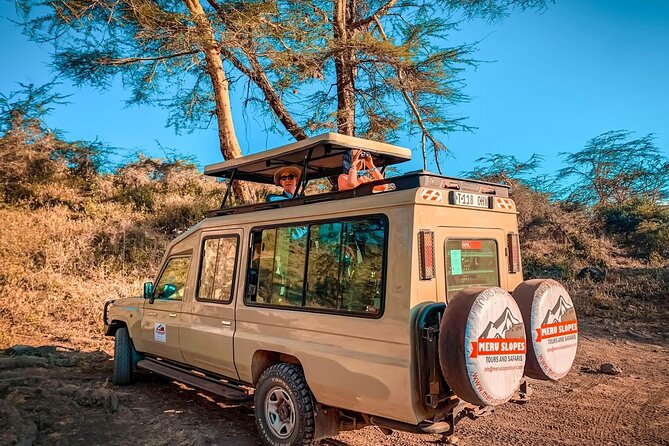
You rise around 5:30 a.m., eat breakfast, and descend into Ngorongoro Crater. This enormous volcanic caldera is inactive, unbroken, and unfilled, with a floor that supports a high concentration of wildlife.
The crater is the trip’s strongest stop for variety in a compact area. You may see elephants, lions, buffalo, leopards, and black rhinos, along with many bird species. Flamingos gather around the water, adding color to the crater views, although wildlife sightings always depend on conditions.
The planned crater drive lasts six to seven hours, with lunch inside the crater. That gives you plenty of time to look for animals rather than making a quick circuit. It also makes for another long day in the vehicle, so keep a camera, water, and sun protection close at hand.
After the crater, the plan includes a walking tour in Mto wa Mbu. You can see banana plantations, taste local food, and learn about community life through the village cultural program. This is a welcome change from wildlife viewing because it connects the safari to daily life in northern Tanzania.
There is a scheduling point to clarify. The itinerary describes this day as Ngorongoro to Lake Manyara, then places the Mto wa Mbu visit and overnight at Jambo Lodge. It also lists Lake Manyara National Park again for Day 6. Ask the operator to confirm exactly when you will visit the park, village, and Maasai boma.
Day 6: Lake Manyara and a final cultural stop
The final day is planned around Lake Manyara National Park. After breakfast, you head into the park for a full-day game drive. The area is known for tree-climbing lions, flamingos drawn to algae in the lake, and a hot spring.
Lake Manyara gives the safari a different finish from the wide Serengeti plains and crater floor. It combines woodland, water, and wildlife in a smaller park setting. The hot spring adds another point of interest, while the lake provides birdlife and a strong contrast to the dry open areas visited earlier.
The schedule also includes a Maasai boma, where you can learn about Maasai traditions, daily life, and culture. This should be approached with respect and curiosity. The value is not simply taking photographs, but listening and paying attention to how the visit is organized.
After the park and cultural visit, you drive back to town for dinner and overnight accommodation. Since the tour description varies on the final night, confirm whether your return is to Arusha or Moshi and whether the final dinner and hotel night are included in your booking.
Food, guides, and the practical side of camping
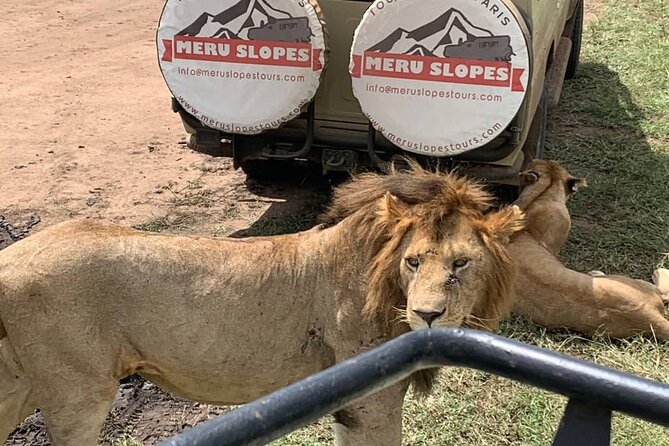
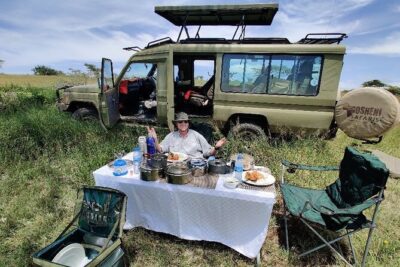
Food is one of the strongest parts of this safari. Chefs named Gadi, Gideon, Johannes, and Yohane have received specific praise for good meals, cheerful service, and flexibility with dietary requirements. Yohane is also noted for helping keep the group in good spirits around mealtimes.
Meals listed in the package include four breakfasts, five dinners, and six lunches. Mineral water is unlimited, which is useful in the heat and dust of the parks. You should still confirm what other drinks are available and bring any personal snacks you need.
The driver-guide has a major effect on the experience. Past guide teams have included Robert, Gadi, Florian, Mohammed, Douglas, and others. The strongest qualities associated with these teams are animal spotting, safe driving, clear explanations, patience, and respect for wildlife.
Wi-Fi is available inside the safari vehicle, but do not plan your trip around a strong connection. The real benefit is the guide’s local judgment and the chance to spend time outside in the parks, not constant internet access.
Who will enjoy this trip most
I would recommend this safari to you if you want the major northern Tanzania parks in one compact trip and are comfortable with early starts, long drives, camping, and shared transport. It suits first-time safari visitors who want the headline sights without paying private-safari prices.
It also works well for solo visitors who want a social group setting. One young solo guest described the early departures as a good way to maximize time in the parks, and that approach fits the schedule: mornings begin early because wildlife viewing is often built around the cooler hours.
Couples can enjoy it too, including honeymooners, but you should be honest about the camping style and pace. If your ideal honeymoon means private lodges and quiet afternoons, this is probably too active. If you want wildlife, shared meals, and a lot of time outdoors, it can offer strong value.
This is less suitable for anyone who dislikes rough roads, repeated early alarms, or uncertain wildlife sightings. The migration is a natural event, not a timed show. A good guide can follow the herds, but cannot promise a river crossing or a particular animal.
What to confirm before paying
The operator offers pickup, mobile tickets, and confirmation at booking. The tour begins around 7:30 a.m., and most participants can join. Public transport is nearby, though the main practical issue is arranging the correct hotel pickup point.
Ask these questions before finalizing:
- Is the group vehicle capped at 15 people for your departure?
- Which nights are at Jambo Lodge, Seronera campsite, and Simba campsite?
- Does the final night return to Arusha or Moshi?
- Is Lake Manyara visited on Day 5, Day 6, or both?
- What camping equipment and bedding are supplied?
- Can dietary requirements be confirmed in advance?
- Where is the migration route expected to be during your travel dates?
The cancellation policy allows a full refund when you cancel at least 24 hours before the start time. Visa costs and tips are not included.
Should you book the six-day migration safari?
Book it if your priority is maximum wildlife variety for a controlled price. Tarangire, multiple Serengeti game drives, Ngorongoro Crater, Lake Manyara, village culture, and a Maasai visit make this a packed northern Tanzania introduction.
The biggest reason to choose it is the time in the Serengeti and the guide’s ability to adjust the route for the wildebeest. The biggest reason to hesitate is the pace. Six days is enough to see a lot, but not enough to do it slowly.
I would book after confirming the accommodation details, group size, and the exact Lake Manyara schedule. If those points suit you, this is a practical budget safari with strong coverage of Tanzania’s most famous parks, good meal support, and a real chance to see the migration in motion.
FAQ
Where does the safari start?
The experience is based in Moshi, Tanzania, with hotel pickup offered. The listed start time is around 7:30 a.m., while Day 1 describes pickup at 8:00 a.m.
How much does the safari cost?
The listed price is $1,650 per person.
Which national parks and areas are included?
The itinerary includes Tarangire National Park, Serengeti National Park, Ngorongoro Conservation Area and Crater, Lake Manyara National Park, Mto wa Mbu, and a Maasai boma visit.
Can I see the Great Wildebeest Migration?
The safari is designed to follow the wildebeest migration, but sightings depend on the herds’ movements. The strongest general chance is listed as June through September, with calving usually from January through March and possible Mara River crossings from July through September.
Is this a private safari?
No. The activity is a shared tour with a maximum group size of 15 people.
What meals are included?
The package includes four breakfasts, five dinners, and six lunches. Unlimited mineral water is also included.
What is not included in the price?
Tips and a visa are not included. You should also confirm the exact accommodation arrangement and any personal expenses before departure.
More Budget Safaris in Moshi
- 4 Days Tanzania Budget Safari
★ 5.0 · 26 reviews - 4 Days Tanzania Budget Safari
★ 5.0 · 17 reviews - 4 Days 3 Nights Tanzanian Budget Safari Tour
★ 5.0 · 6 reviews - Affordable Short Tanzania Safari (2 Days Camping Safari)
★ 5.0 · 3 reviews
More Camping Safaris in Moshi
- 4 days adventure camping safari
★ 5.0 · 44 reviews - 5 days Tanzania Camping Safari
★ 5.0 · 29 reviews - 6 Day Private Camping Safari
★ 5.0 · 4 reviews - 2-Day Masai Village Camping Experience and Kikuletwa Hot Spring
★ 5.0 · 4 reviews
Just added around Moshi
- Day trip to Materuni waterfall, Coffee tour and Moshi Nightlife★ 5.0 · 6 reviews
- Sip & Paint: Unleash Your Inner Artist!★ 5.0 · 7 reviews
- Rau Forest Bike tour★ 5.0 · 12 reviews
- Private Market Tour and Tanzanian Cooking Class in Moshi★ 5.0 · 7 reviews
- Moshi city bike day trip★ 5.0 · 17 reviews
- Full-Day Moshi Private Forest Walk and Local Market Tour★ 5.0 · 4 reviews
- Private guided tour to the night lifestyle of Moshi town★ 5.0 · 13 reviews
- Savannah Escape & Active Culture Tour★ 5.0 · 9 reviews
Great Migration Safaris, compared.
8 Days Great Wildebeest Calving Migration Safari from Arusha
Read our review →
8 Day Spectacular Migration Serengeti mid -Range Tanzania Safari
Read our review →
Private 6-Day Great Migration Ndutu Serengeti Safari Tour
Read our review →10-Day Wildebeest Migration Calving Safari -All Inclusive
Read our review →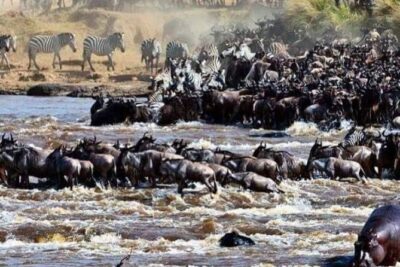
8 Days Great Wildebeest Migration – Mara River Crossing
Read our review →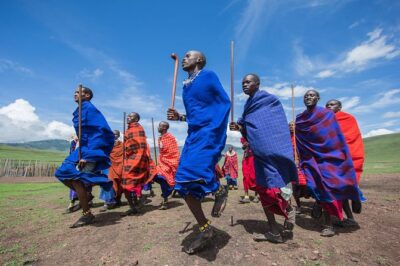
Tanzania Safari – The Great Migration in the North of the Serengeti and Lake Natron
Read our review →
5 Days Tanzania Safari – Migration and Big 5 Safaris
Read our review →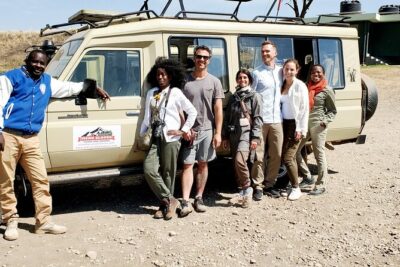
5-Days Private Serengeti Wildebeest Migration Lodge Safaris
Read our review →Browse the lists this tour appears in