
Reviewed · WILDLIFE
From Moshi or Arusha: Serval Wildlife Sanctuary Trip
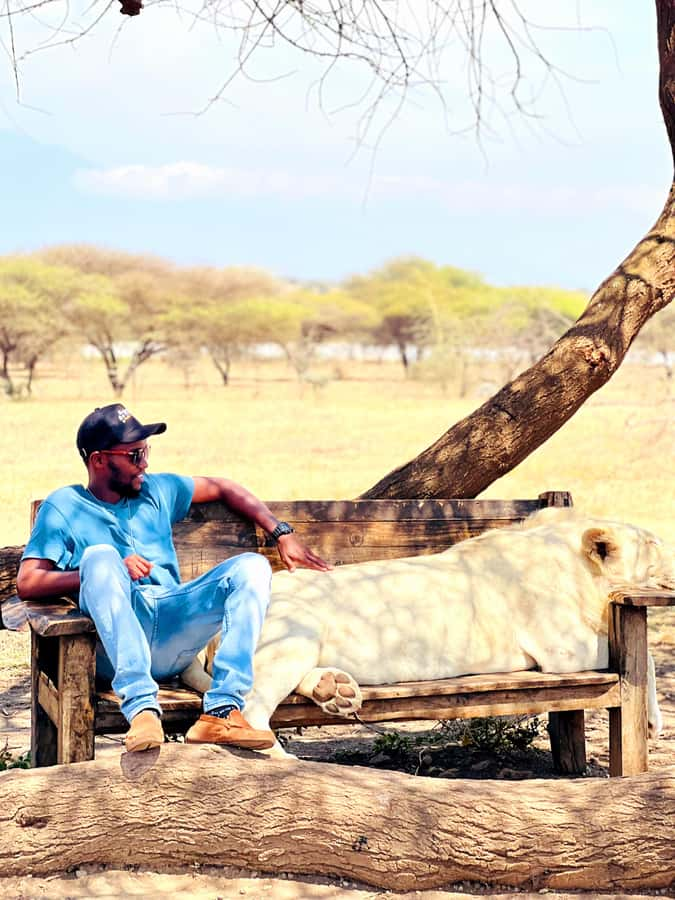
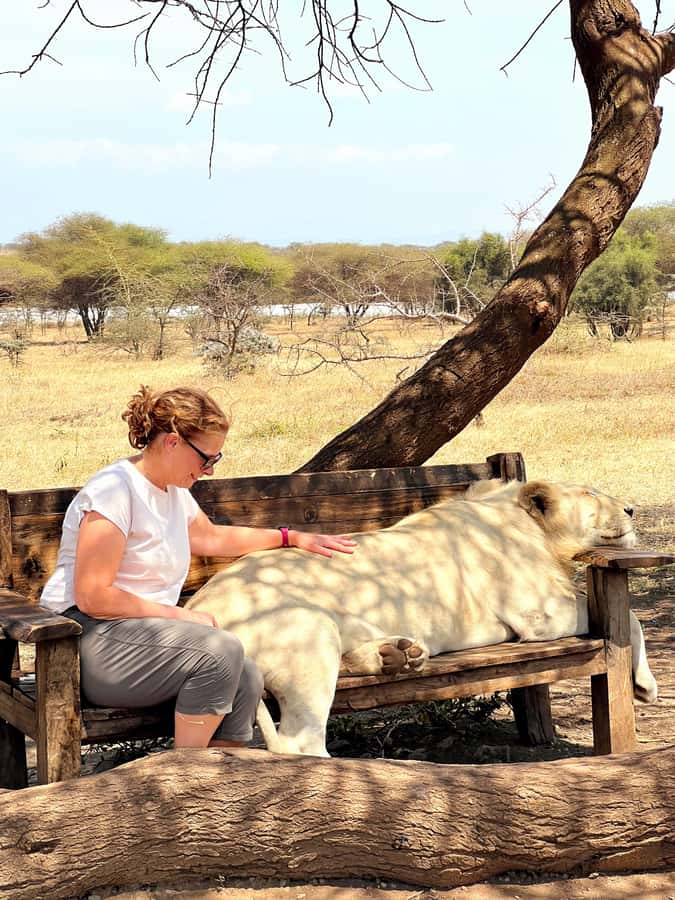
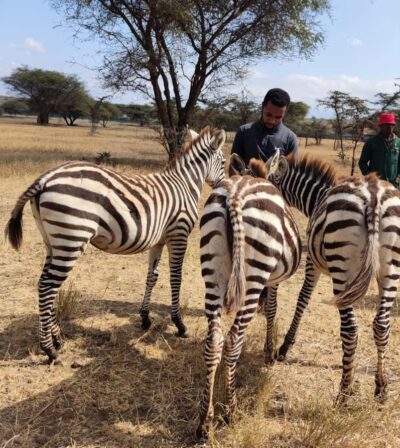
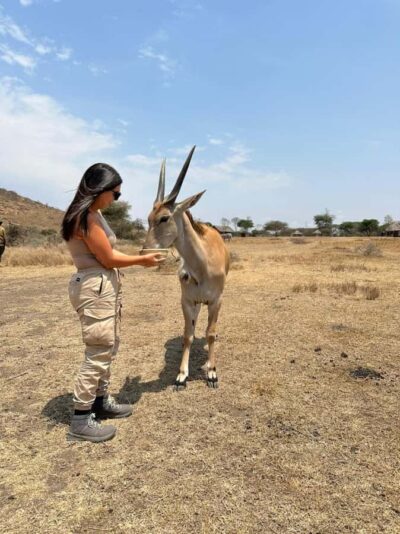
The most unusual part of this half-day trip is the chance to get close to animals that you normally watch from a vehicle. At Serval Wildlife Sanctuary, you may feed giraffes, meet lions, and pose near monkeys, ostriches, elands, and bat-eared foxes, with trained keepers directing each encounter. The animals choose when to interact, so this is not a guaranteed photo line.
I like the small time commitment and the easy pickup from either Moshi or Arusha. I also like the sanctuary’s effort to let animals decide when they want contact. The main caution is the cost: the advertised tour price is $90 per person, but a separate $120 park entry fee is listed as not included. Confirm the total before booking.
Key points to know before you go
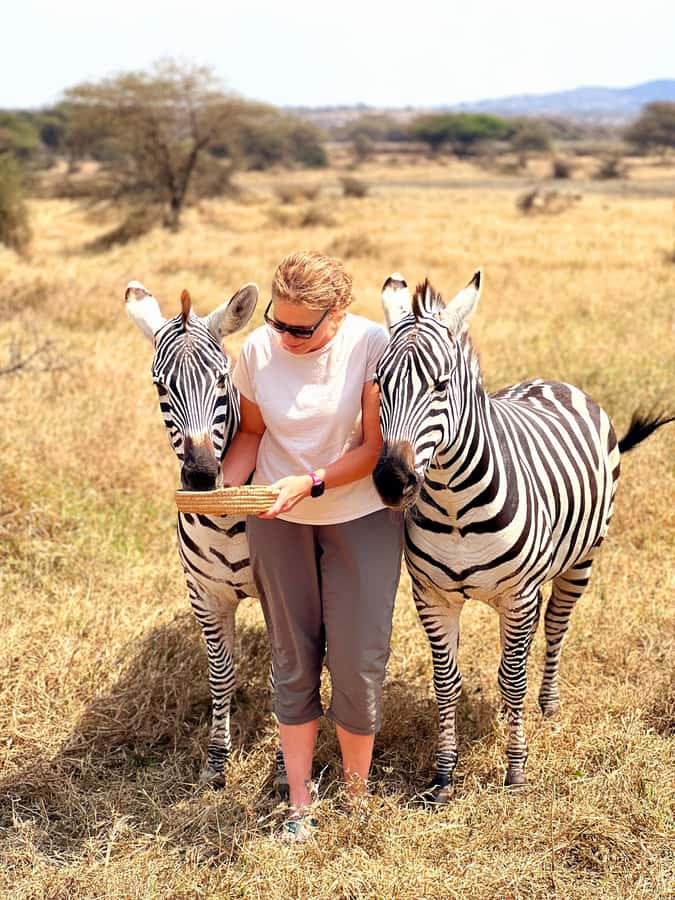
- Feed giraffes and meet several species: The visit can include African lions, Masai giraffes, bat-eared foxes, elands, ostriches, and monkeys.
- One hour inside the sanctuary: The animal encounter itself is focused and fairly short, with the remaining time used for transport.
- Animal choice matters: Keepers allow animals to approach on their own terms, so interaction levels can vary.
- Pickup from two northern Tanzania bases: You can begin and end in either Moshi or Arusha.
- Plan for an extra entry charge: Park entry is listed separately at $120 per person, on top of the $90 activity price.
- Best for families and close-up photos: Children may enjoy feeding and watching the animals, while photographers get a chance for unusually near portraits.
Getting to Serval Wildlife Sanctuary from Moshi or Arusha
This is a five-hour outing with pickup and drop-off in Moshi or Arusha. The transfer is listed at about 1.5 hours, so the road journey takes a noticeable share of your day. You will have a driver-guide and drinks included, with an English-speaking live guide leading the sanctuary visit.
The choice of starting point matters. Moshi is the more obvious base if you are staying near Kilimanjaro, while Arusha works well if you are adding this to a northern Tanzania itinerary. Since the exact transfer time can depend on your pickup point and road conditions, allow room around the five-hour estimate rather than booking a tight airport connection afterward.
The benefit of a private-feeling half-day schedule is simple: you can fit the sanctuary around a longer safari, a Kilimanjaro planning day, or a rest day between major activities. The tradeoff is that a long drive for one hour of animal contact may feel less worthwhile if you are already spending several days on safari.
More Wildlife Tours in Moshi
- 7 Days Mid Range Tanzania Wildlife Safari
★ 5.0 · 31 reviews - Wildlife Safari Tanzania
★ 5.0 · 19 reviews - Moshi: Serval Wildlife Tour with food and drinks
★ 3.2 · 11 reviews
What your one-hour sanctuary visit includes
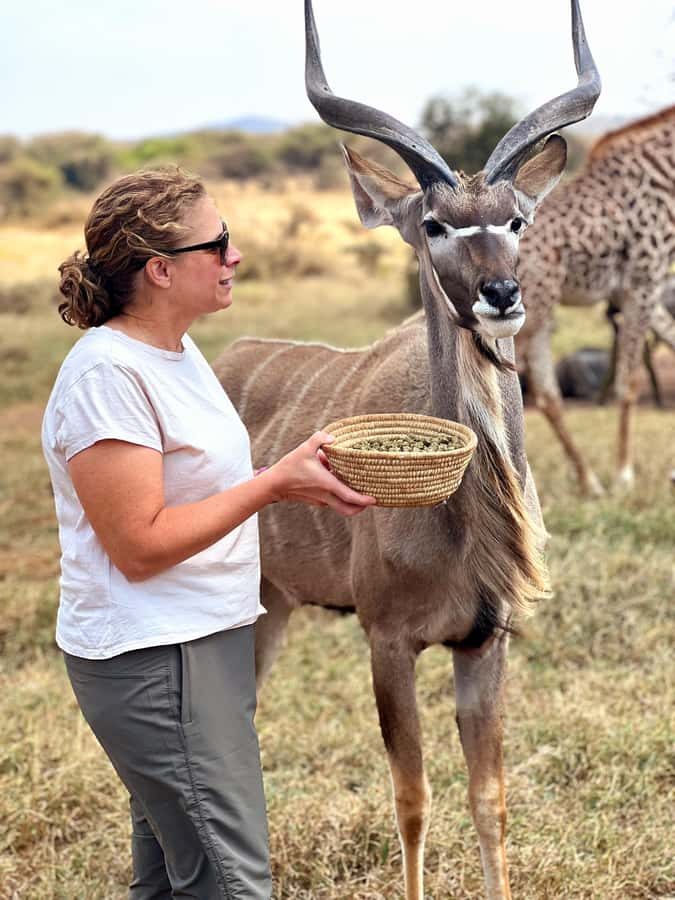
Once you arrive, the guided portion focuses on animal contact, feeding, and photography. You are given about an hour to see the animals at close range. Depending on the animal and the keeper’s instructions, you may feed, pet, or photograph them.
The species named for the visit include African lions, Masai giraffes, bat-eared foxes, elands, ostriches, and monkeys. That mix gives the hour variety. Giraffes offer the classic close-up feeding moment, while bat-eared foxes are less familiar to many people and can be a memorable part of the visit.
The animal list should not be read as a promise that every species will interact with you. The sanctuary’s approach is based on animal choice. An animal may approach, remain nearby, or decline contact. That is a good rule for both welfare and safety, but it means you should arrive ready for observation as well as feeding and photographs.
A keeper supervises the encounters and provides instructions. Follow those directions closely, especially around lions and feeding areas. This is not a place where you should reach out suddenly, crowd an animal, or try to create a better photograph by ignoring staff guidance.
Why the animal-choice approach matters
Close contact with wildlife can be exciting, but it also raises a fair question: are the encounters comfortable for the animals? The sanctuary says its animals can decide when they want to interact. That gives the visit a calmer structure than a forced handling session.
For you, this means patience is useful. You might get a wonderful photograph when an animal approaches naturally, or you might spend part of the hour watching from a respectful distance. The less you treat the animals like photo props, the better the atmosphere is likely to be.
The system also makes the hour less predictable. If you want a guaranteed set of animal photographs, this may not be the right choice. If you value a supervised encounter where the animals have some control, it offers a more thoughtful way to see wildlife at close range.
Parents should explain this to children before arrival. Feeding and touching can be thrilling, but children need to wait for instructions and accept that an animal may not want contact. The experience works best when the whole group treats the animals as living creatures, not performers.
The animals you are most likely to remember
Masai giraffes are a major draw. Their height and calm feeding style make them easy to appreciate at close range, and they provide a strong first wildlife encounter for children. You may have time to study their faces and movements in a way that is hard to do from a safari vehicle.
African lions create a different mood. Being near a lion is a serious wildlife moment, even under keeper supervision. Follow every instruction, keep your attention on the staff, and do not assume that a calm animal is the same as a domestic one.
Bat-eared foxes add something unusual. They are smaller and less familiar than lions or giraffes, so they may appeal to anyone who wants more than the standard big-animal checklist. Elands, ostriches, and monkeys round out the visit with different shapes, sizes, and behavior.
The exact sequence is not provided, and animal contact can depend on the animals’ willingness to approach. Think of the sanctuary as a guided introduction to several species rather than a timed parade from one enclosure to the next.
More wildlife trips in Moshi:
- 6 Days Essence of Tanzania Wildlife Safari
★ 5.0 · 8 reviews - 4 Days Wildlife Tanzania Adventure
★ 5.0 · 6 reviews - Private Day Tour in Serval Wildlife and Kikuletwa Hot Spring
★ 5.0 · 3 reviews - Tanzania Wildlife Encounters – 6 Days
★ 5.0 · 277 reviews
Photography without turning the visit into a photo session
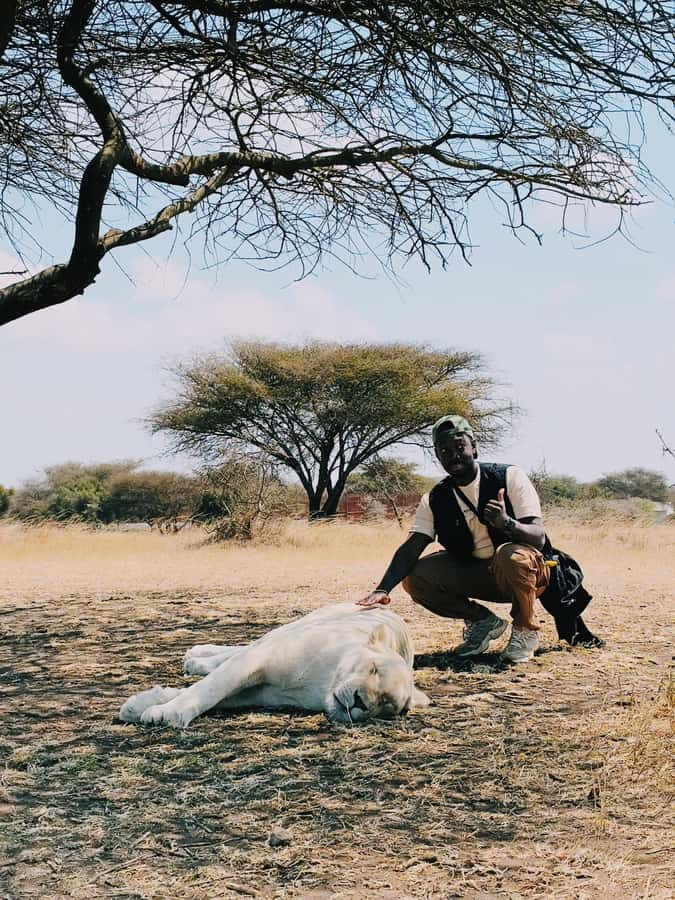
You are allowed to take photographs during the animal encounters. The close distance can produce memorable portraits, especially with giraffes and smaller animals. Keep your camera or phone ready, but do not let the screen become the whole point of the hour.
A keeper may control where you stand and how you feed an animal. That can limit the angle of a photograph, but it also keeps the interaction organized. Ask for help if you are unsure where to hold food or how close to get.
Families should plan for a mix of group pictures, individual portraits, and simple observation. The Estonia-based family feedback highlights how appealing the feeding, giraffe viewing, antelope viewing, and shared photos can be for children. That combination makes this a strong option when you want a wildlife activity that feels more direct than a standard sightseeing stop.
The best photos may be the unplanned ones. An animal choosing to come closer, turning its head, or pausing beside the group can make a better picture than a forced pose. Give yourself permission to put the camera away for part of the hour.
Cost and value: calculate the real total
The activity price is listed as $90 per person. Pickup and drop-off, a driver-guide, and drinks are included. Those inclusions make the price easier to understand, especially if you are staying in Moshi or Arusha and would otherwise need to arrange transport separately.
However, park entry is listed as $120 per person and is not included. That brings the stated total to $210 per person before any other personal spending. Because the separate fee is higher than the advertised activity price, this is the most important detail to settle before you pay.
At $210, the value depends on what you want. For a family seeking a short, supervised animal encounter, the convenience and close access may justify the cost. For a person already paying for a full safari, the extra charge may feel steep for only one hour inside the sanctuary.
One published comment specifically described the pricing as somewhat high, while still noting a calm and capable guide. That is a useful warning. Do not compare only the $90 headline price with other half-day activities. Compare the full cost, the transfer, the one-hour sanctuary visit, and the animals included.
The tour allows free cancellation up to 24 hours before departure and offers reserve-now, pay-later booking. Those policies help if your northern Tanzania schedule is still moving around, but they do not change the need to confirm the entry fee.
Who will get the most from this half-day trip
This outing suits families who want close animal contact without committing to a full-day safari. Children can feed animals, watch giraffes and other species from nearby, and take pictures with adult guidance.
It also suits photographers who want portraits at a closer range than a safari vehicle usually allows. Keep your expectations flexible, since the animals choose if and when they approach.
The trip can work well for people with a spare day in Moshi or Arusha. It offers a clear wildlife focus and does not take an entire day. You can also use it as a lighter activity before or after a more demanding part of your Tanzania schedule.
It is less suitable if you want a traditional safari with animals moving freely through a large park setting. It is also a weaker choice if your budget is tight or if the extra $120 entry fee is not acceptable. The short visit and possible wait for animal interaction should be part of your decision.
Practical advice for a smoother visit
Wear clothes that you can move in and keep your camera or phone secure. The supplied information does not specify a dress code or equipment list, so do not assume that food, special clothing, or photographic equipment is provided beyond the stated drinks.
Listen carefully to the English-speaking guide and keep the keeper’s instructions in mind throughout the visit. Animal encounters can feel relaxed, but the presence of a trained supervisor does not remove the need for caution.
If you are bringing children, set expectations before pickup. Tell them they may feed or photograph animals, but they must wait for permission and respect an animal that chooses not to come close. This simple preparation can make the hour calmer for everyone.
Confirm three points before departure: the exact pickup time, the full price including the $120 entry fee, and which animals are expected to be available that day. The activity lists several species, but the animal-choice policy means no encounter can be treated as guaranteed.
Should you book Serval Wildlife Sanctuary?
Book this trip if you want a short, organized wildlife encounter from Moshi or Arusha, especially if you are traveling with children or want close-up photographs. The supervised feeding and the chance to see giraffes, lions, foxes, elands, ostriches, and monkeys make it more personal than a simple viewing stop.
Think twice if you expect a low-cost outing or a full safari experience. The real listed cost is $210 per person once park entry is added, and the sanctuary visit lasts about one hour. For the right budget and expectations, the animal-choice policy gives the experience a respectful tone. Just confirm the fee and accept that the animals, not the schedule, decide how close the encounter becomes.
FAQ
Where can I start and finish the trip?
You can be picked up and dropped off in either Moshi or Arusha.
How long does the activity last?
The full activity lasts five hours. The listed transfer time is about 1.5 hours, and the guided sanctuary visit lasts one hour.
Which animals can I see?
The experience includes the possibility of seeing or interacting with African lions, Masai giraffes, bat-eared foxes, elands, ostriches, and monkeys.
Can I feed and pet the animals?
You are given time to feed, pet, and photograph animals, with trained keepers supervising the encounters. Animals can choose when they want to interact, so contact is not guaranteed with every species.
What is included in the price?
Pickup and drop-off, a driver-guide, and drinks are included.
Is park entry included?
No. Park entry is listed separately at $120 per person. The activity price is listed as $90 per person, so confirm the complete cost before booking.
Just added around Moshi
- Day trip to Materuni waterfall, Coffee tour and Moshi Nightlife★ 5.0 · 6 reviews
- Sip & Paint: Unleash Your Inner Artist!★ 5.0 · 7 reviews
- Rau Forest Bike tour★ 5.0 · 12 reviews
- Private Market Tour and Tanzanian Cooking Class in Moshi★ 5.0 · 7 reviews
- Moshi city bike day trip★ 5.0 · 17 reviews
- Full-Day Moshi Private Forest Walk and Local Market Tour★ 5.0 · 4 reviews
- Private guided tour to the night lifestyle of Moshi town★ 5.0 · 13 reviews
- Savannah Escape & Active Culture Tour★ 5.0 · 9 reviews
Wildlife, compared.
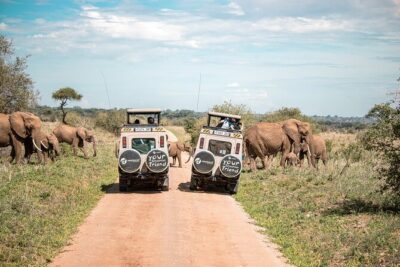

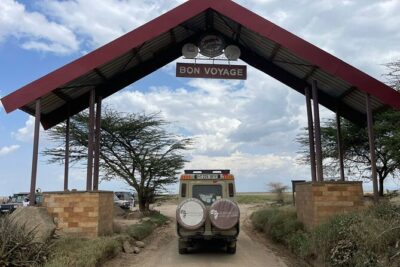

5 Days 4 Nights Tarangire, Serengeti , Ngorongoro & Manyara Wildlife Safari
Read our review →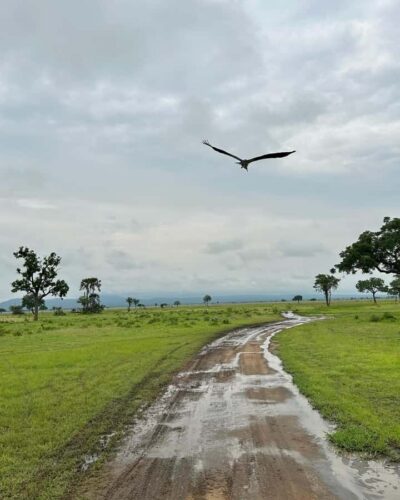
Safari Wildlife 3 Days 2 Night From Zanzibar TO Mikumi
Read our review →
Day Trip to Serval Wildlife – Feed Giraffes & Lions
Read our review →Browse the lists this tour appears in