
Reviewed · FOOD & DRINK
Dar es Salaam: Tuk-Tuk Tour, Street Food & Local Lifestyle
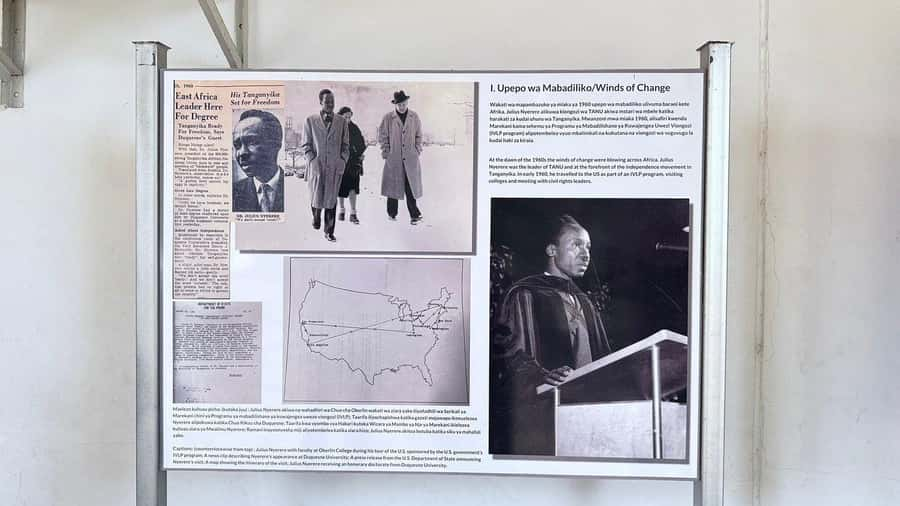
Dar es Salaam makes more sense from the back of a tuk-tuk, where traffic, markets, food stalls, and ordinary neighborhoods pass close enough to see and smell. This tour gives you a useful city sampler, from Kariakoo’s produce and spices to carved masks and traditional village houses.
I like the mix of street food and cultural stops, and I like that you meet a local driver-guide rather than simply being taken from one photo stop to another. Glory is named in the booking information as a guide who adjusts to guests’ wishes. The main concern is pickup reliability: one verified booking reported no pickup and no reply, so confirm your meeting point before setting out.
Key points to know before booking
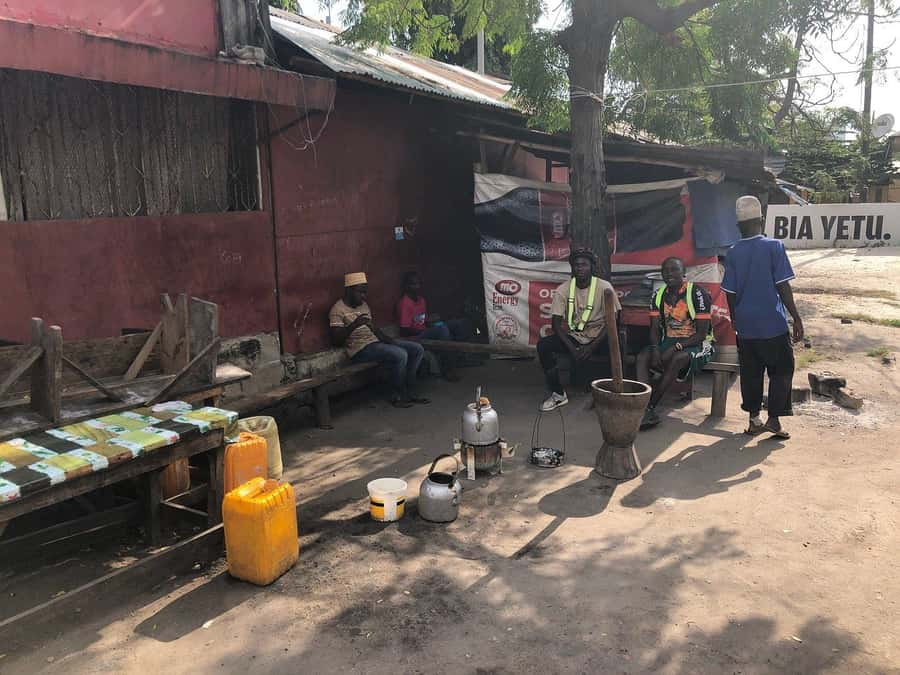
- Kariakoo Market brings you close to everyday Dar es Salaam, with spices, fruit, clothing, and household goods.
- Street food is part of the route, including chapati, mishkaki, roasted maize, and fresh juice.
- Mwenge Woodcarvers’ Market combines shopping with a look at working craft traditions.
- The Village Museum adds cultural context through traditional homes associated with different Tanzanian groups.
- The four-hour format is compact, but the stated stop times add up to longer than four hours, so confirm the exact schedule.
- The price is listed as $65 per group up to one person, making the value strongest for a solo visitor who wants private transport and a guide.
Starting in Dar es Salaam by tuk-tuk
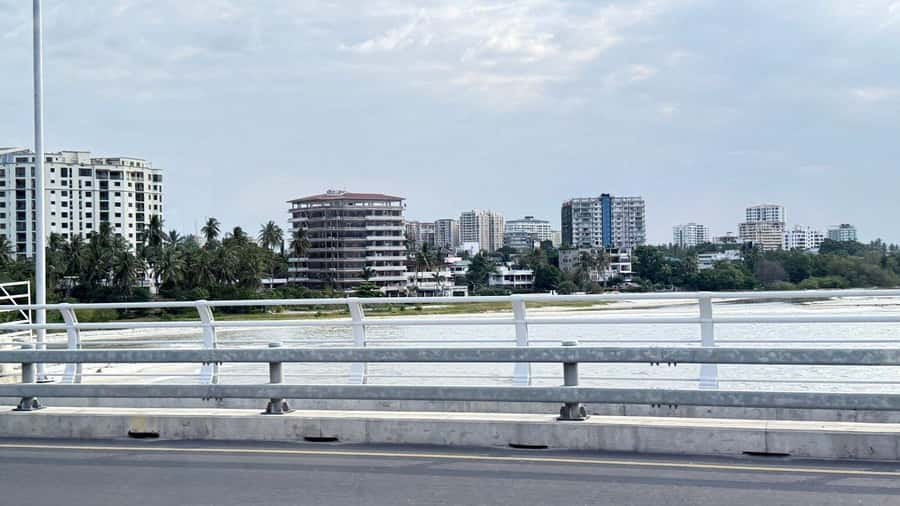
The tour begins with pickup at your hotel in central Dar es Salaam or at an agreed meeting point. You receive a quick briefing, then set off in a three-wheeled tuk-tuk, a practical way to watch the city at street level.
A tuk-tuk is not a quiet sightseeing vehicle. You will feel more connected to the traffic and neighborhoods than you would from behind the windows of a larger car. That can be part of the fun, though it also means you should wear comfortable clothes and expect sun, road noise, and an open-air ride.
The advertised duration is four hours, with morning and afternoon departures available. Since the exact starting times depend on availability, check the departure option carefully when booking. Hotel transfers outside central Dar es Salaam are not included, so you need to arrange your own way to the city pickup area if you are staying farther out.
The tour is listed as wheelchair accessible. Still, because the transport is a tuk-tuk, I would confirm the exact vehicle and boarding arrangements before booking if you use a wheelchair or have limited mobility.
More food tours in Dar Es Salaam:
- Stonetown: Food Markets and Street Food Walking Tour
★ 4.7 · 151 reviews - Authentic Street Food Tours in Stone Town, Zanzibar
★ 5.0 · 46 reviews - Arusha: Traditional Tanzania Cooking Class & Food Market Tour
★ 5.0 · 34 reviews
Kariakoo Market: Dar es Salaam’s daily shopping hub
Kariakoo is the first major stop, with about an hour and a half assigned to the market visit. This is where the tour feels most connected to present-day city life.
You can expect stalls and shops selling tropical fruit, spices, food supplies, clothing, and ordinary household goods. The point is not a polished market made for sightseeing. Kariakoo is a working commercial center where people shop for daily needs, and your guide helps you read what you are seeing.
I like this kind of stop because it gives you a better sense of how the city functions. A museum can explain culture, but a market shows what people buy, carry, eat, and sell today. Pay attention to the small details: the color of produce, the movement of shoppers, the smell of spices, and the range of goods packed into a busy trading area.
The market may feel crowded and hectic. Keep your belongings secure, stay close to your guide, and wear shoes that handle uneven walking. Sunglasses and a sun hat are useful, especially during a morning or early afternoon visit.
There is time listed for shopping, but you should not feel pressured to buy something. If you do want to purchase food or small goods, carry cash. Personal shopping is not included in the tour price.
Chapati, mishkaki, and a taste of Swahili street food
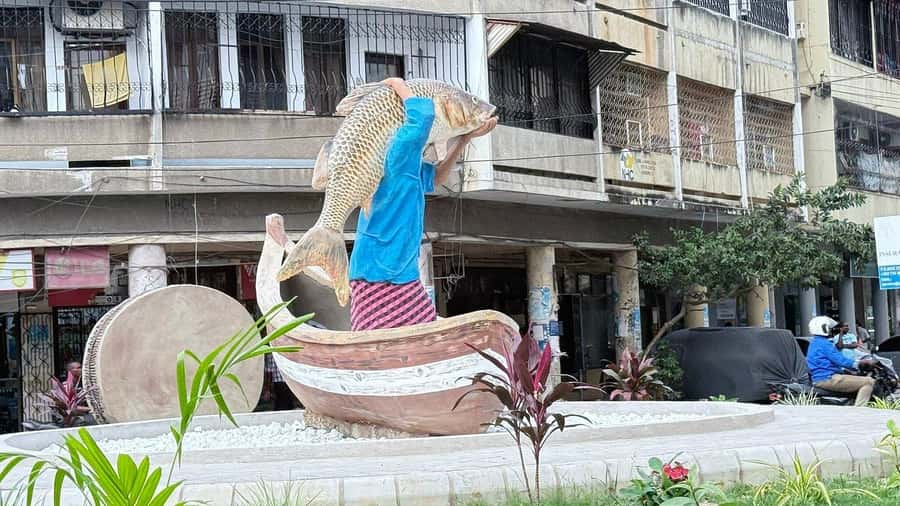
A street food stop adds one of the most enjoyable parts of the outing. The included tasting covers snacks and fresh juice, with examples such as chapati, mishkaki, roasted maize, and other local bites.
Chapati is a flat, pan-cooked bread with a soft, layered texture. Mishkaki consists of grilled meat on skewers. Roasted maize and fresh juice offer simpler tastes, but together they give you a quick introduction to the food sold around Dar es Salaam.
The exact food served can vary, so think of this as a tasting rather than a full lunch. The tour does not include additional meals, and alcoholic drinks are excluded. If you tend to get hungry after several hours out, bring extra cash for more food or ask your guide what is available.
I also like that the route ends with the option of stopping at a Swahili café for chai ya tangawizi, a spiced ginger tea, or fresh coconut water. That final drink can be a pleasant way to slow down after the market and craft visits.
Food sensitivities are worth discussing with the guide at the start. The supplied information does not specify ingredients or dietary alternatives, so do not assume that every snack will suit your needs.
Mwenge Woodcarvers’ Market and handmade Tanzanian crafts
The next major stop is Mwenge Woodcarvers’ Market, with about an hour and a half planned for the visit. This is both a shopping stop and a chance to watch artisans at work.
You might see wooden masks, furniture, carvings, and souvenirs being shaped by hand. The appeal is strongest when you take time to look at the making process, not just the finished items. Your guide can help explain the craft traditions and identify the kinds of pieces being produced.
If you are looking for a meaningful souvenir, this is the place to consider one. Wooden work is easier to pack than bulky furniture, but you still need to think about size, weight, and how you will carry the purchase for the rest of your trip.
Prices are not included, and bargaining details are not provided, so ask your guide for help if you are unsure how to approach a purchase. A good rule is to inspect the item carefully, decide what it is worth to you, and avoid buying simply because the seller is persistent.
The market can also feel commercial. Some visitors may enjoy browsing and buying; others may prefer to focus on the artists and the techniques. You can do either, and the guide’s role matters here. Glory is specifically noted as responsive to personal wishes, so you can ask for more time with the craft side or less time shopping.
A few more Dar Es Salaam trips worth comparing
- Dar es Salaam: City Tour
★ 4.7 · 159 reviews - Dar es Salaam City Center: Walking Tour
★ 4.8 · 102 reviews - Dar es Salaam City Tour – Everyday
★ 5.0 · 64 reviews - The Best/Top Rated Cultural City Tour in Dar es Salaam
★ 5.0 · 57 reviews
The Village Museum and traditional Tanzanian homes
The Village Museum is the most educational stop on the route. It presents traditional houses associated with different Tanzanian tribes and offers a look at rural life, home design, and cultural heritage.
This visit helps put the crafts and food into a wider setting. Instead of seeing a carved object as a simple souvenir, you gain some context for the traditions behind it. The traditional huts also show how building styles and domestic spaces vary across Tanzania.
The listed time for the traditional village is two hours. That is a generous amount of time compared with the four-hour total advertised for the whole outing. The published stop durations add up to five hours before allowing for driving: one and a half hours at Kariakoo, one and a half hours at Mwenge, and two hours at the Village Museum.
I would not assume that every stop receives the full stated duration. The route may be adjusted, or the four-hour total may be a rounded figure. Ask the operator to confirm how long the Village Museum visit lasts and whether all three stops fit into your chosen departure window.
The museum is a good match for you if you want more than food and shopping. It is also likely to appeal to families with older children, though the minimum age is six. Young children may find the market and museum tiring, especially during the warmer part of the day.
What the four-hour price really gives you
The listed price is $65 per group up to one person. That wording makes this look like a solo booking price rather than a charge spread across a larger group, so check the final total carefully before paying.
For that amount, you receive four hours of tuk-tuk transport, a local driver-guide, street food snacks and fresh juice, bottled water, and the Village Museum entrance fee. You still pay for personal shopping, extra meals, and alcoholic drinks.
For a solo visitor, the price can make sense. You get transport between several parts of Dar es Salaam, a guide, a food tasting, and an entrance ticket without having to arrange each piece separately. The value is less clear if you expected a long, leisurely visit at every stop, since the route covers a lot in a short time.
The tour is especially useful on a first day in the city. It gives you a broad introduction, helps you get oriented, and lets you decide which areas deserve more time later. It is not the right choice if you want a slow, specialist food tour or a full-day cultural program.
Practical comfort, language, and timing
Wear comfortable walking shoes. Kariakoo and the craft market both involve time on your feet, and the Village Museum requires walking between traditional homes.
Bring sunscreen, sunglasses, a sun hat, a camera, comfortable clothes, and cash. Bottled water is included, but carrying a small amount of extra water is still sensible if you are sensitive to heat. Alcohol and drugs are not allowed.
The listed guide languages are English and French. Another part of the booking information mentions German, but the additional language details list only English and French. If German guidance matters to you, confirm it directly before booking.
The tour runs daily, with morning or afternoon departures. Morning may suit you if you want to avoid the strongest heat, while an afternoon departure may fit better around other plans. The information does not specify exact traffic conditions or the precise route between stops, so allow some flexibility around the finish time.
The service record deserves attention. One verified booking reported being left without pickup or a reply, while another named Glory and described the day as exceeding expectations, with the guide responding well to personal needs. Those details point to an important practical step: confirm your pickup time, hotel location, and the guide’s contact details before the tour day.
Free cancellation is available up to 24 hours in advance for a full refund, and you can reserve now and pay later. That is useful if your Dar es Salaam schedule may change.
Who should choose this Dar es Salaam outing
I would choose this tour if I wanted a compact introduction to several sides of the city: commerce at Kariakoo, local food, craft production at Mwenge, and cultural displays at the Village Museum.
It suits solo visitors particularly well because the listed price is for a group of up to one person. It also works for adults and children aged six or older who can handle walking, heat, market crowds, and a four-hour schedule.
I would be more cautious if you need a tightly timed program. The difference between the stated four-hour duration and the longer total of the listed stop times needs clarification. I would also be cautious if you are staying outside central Dar es Salaam, since those hotel transfers are not included.
You may want another kind of tour if your main goal is a long meal, extensive shopping, or a quiet museum visit. This outing covers several subjects quickly. Its strength is variety, not depth at one location.
Should you book the tuk-tuk tour?
Book it if you want a street-level introduction to Dar es Salaam and value having a local guide connect the market, food, crafts, and traditional homes. The combination is well chosen, and the inclusion of snacks, fresh juice, water, transport, and the Village Museum ticket improves the value for a solo visitor.
Before paying, confirm three things: the pickup arrangement, the language available, and the actual timing of the three main stops. If those details are clear, this can be a lively and useful first look at the city, with enough local flavor to help you plan what to see next.
FAQ
How long does the Dar es Salaam tuk-tuk tour last?
The advertised duration is four hours. The listed stop times total more than four hours, so confirm the exact schedule and time spent at each location before booking.
What is included in the tour price?
The price includes four hours of tuk-tuk transport, a professional local driver-guide, street food snacks and fresh juice, bottled water, and the entrance fee for the Village Museum.
Which places does the tour visit?
The route includes Kariakoo Market, Mwenge Woodcarvers’ Market, and the Village Museum, also described as a traditional village visit. It begins and ends in Dar es Salaam.
What food is included?
The tasting may include chapati, mishkaki, roasted maize, or fresh juice. A stop may also be made at a Swahili café for chai ya tangawizi or fresh coconut water. Additional meals are not included.
What languages are available?
The tour is listed as operating in English and French. German is mentioned in one part of the booking information, so confirm German availability if needed.
Can children join the tour?
Children aged six and older can join. The tour is not suitable for children under six.
Is hotel pickup included?
Pickup is available from your hotel in central Dar es Salaam. Hotel transfers outside central Dar es Salaam are not included, so confirm the meeting point if you are staying farther away.
Just added around Dar Es Salaam
- The Ultimate Guide for 2-Day Tanzania Safari from Mwanza★ 5.0 · 3 reviews
- 5 Days Tanzania Safari from Mwanza to Arusha★ 5.0 · 8 reviews
- Sunrise Beach Walk with Picnic Breakfast Activity★ 5.0 · 3 reviews
- Saadani National Park Day Tour★ 5.0 · 3 reviews
- Private Tour in Historical Dar es Salaam with Lunch★ 4.5 · 6 reviews
- Dar es salaam Airport Transfer (Private & Group)★ 3.5 · 7 reviews
- Dar es salaam Private City Tour with Professional Guide★ 5.0 · 5 reviews
- Full Day Private Tour in Dar es Salaam City★ 5.0 · 4 reviews
Food & Drink, compared.
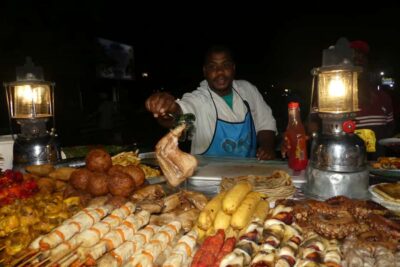
Stonetown: Food Markets and Street Food Walking Tour
Read our review →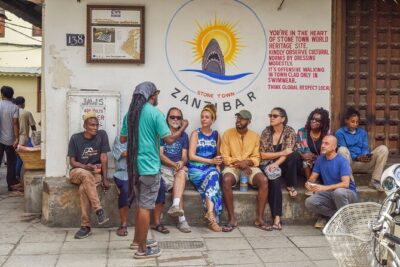
Authentic Street Food Tours in Stone Town, Zanzibar
Read our review →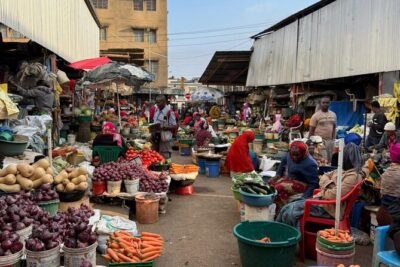
Traditional Tanzania Cooking Class & Food Market Tour
Read our review →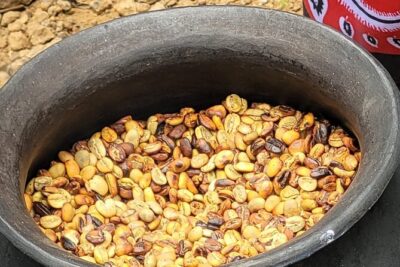
Organic Coffee Tour and Local Food Experience in Arusha
Read our review →
Stone Town Evening Walk Tour With Visit Food Markets
Read our review →

Blue Safari Full Day Private Trip Zanzibar With Sea Food BBQ
Read our review →
From Stone Town: Sandbank picnic with sea food BBQ Lunch
Read our review →Browse the lists this tour appears in