
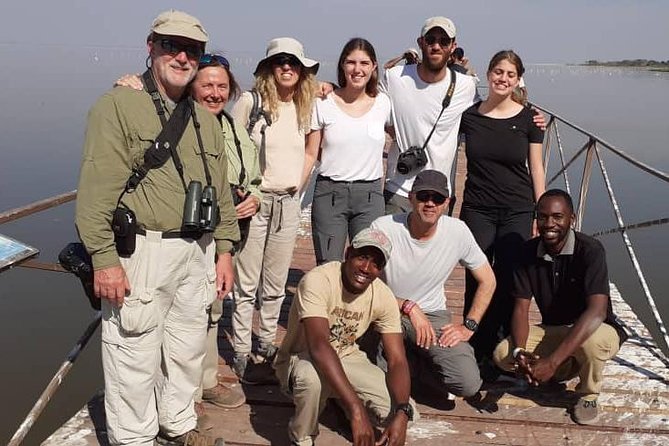
Reviewed · LAKE MANYARA TOURS
7 Day Tanzania visiting Arusha, Lake Manyara, Serengeti, Ngorongoro & Tarangire
The big draw here is the sheer range of Tanzania in one week: elephant country in Tarangire, open Serengeti plains, and a game drive inside Ngorongoro Crater. You also get Arusha National Park and Lake Manyara, so the route packs in five distinct settings rather than repeating the same view.
I like the private 4×4 format, since your group can focus on wildlife without sharing the vehicle with strangers. I also like the choice of economy, comfort, or luxury lodging, which lets you shape the trip around your budget. The tradeoff is mileage. Moving from Tarangire to Serengeti, then back toward Ngorongoro and Arusha, means several long days on the road.
Key points to know before booking
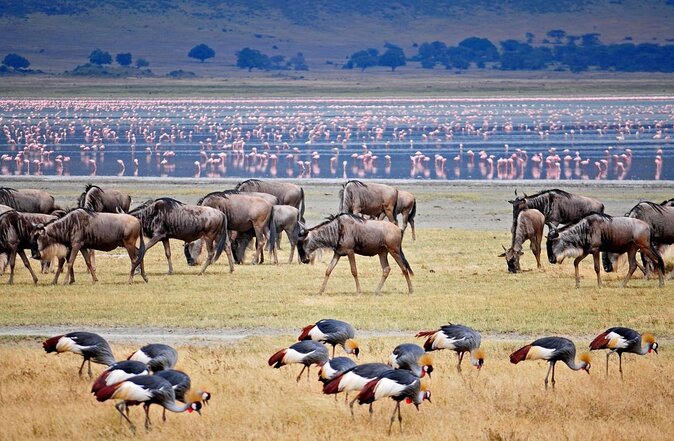
- Five very different parks: Arusha National Park, Tarangire, Serengeti, Ngorongoro, and Lake Manyara each offer a different setting and wildlife mix.
- Private travel: Only your group participates, with transport in a customized pop-up-roof 4×4 jeep.
- Strong wildlife sequence: Tarangire is known for elephants, Serengeti for lions and big herds, and Ngorongoro for concentrated game viewing.
- Three lodging levels: Economy, comfort, and luxury options are available, but you should confirm the exact camps and lodges before paying.
- Named guides include George, Salu, and Joseph: Ask who is assigned to your departure and whether that guide will handle the full seven days.
- Schedule details need checking: The meeting time is listed as 7:00 AM, while the first pickup is described as 8:30 AM from an Arusha hotel.
Five parks in seven days, with plenty of wildlife
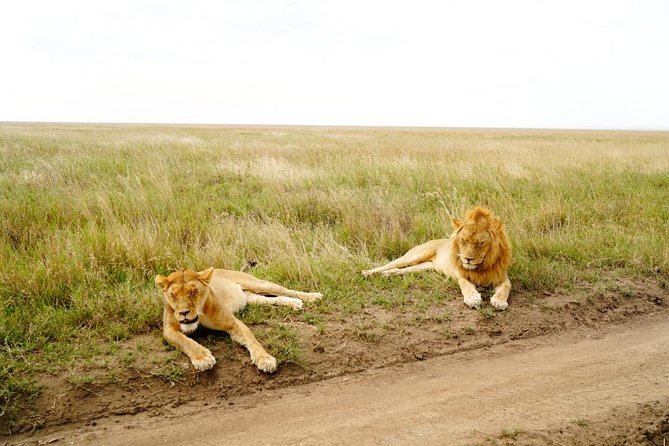
This is a fast-moving safari designed for someone who wants the classic northern Tanzania route in a single week. You start and finish in the Arusha area, with a private vehicle, a pop-up roof, picnic lunches, and lodge or tented camp accommodation.
That private setup matters. Wildlife viewing often involves waiting for an animal to appear or repositioning the vehicle for a better angle. With only your own group aboard, the guide can respond to your interests, though the exact flexibility will depend on park rules, driving distances, and the guide’s judgment.
The route gives you a broad sample of northern Tanzania. Arusha National Park brings mountain forest and birdlife. Tarangire brings baobabs and large elephant herds. Serengeti supplies the famous open grasslands and major predators. Ngorongoro concentrates animals inside a volcanic crater. Lake Manyara finishes with forest, baboons, blue monkeys, possible tree-climbing lions, and seasonal flamingos.
You should not think of this as a slow, single-region safari. It is a highlights tour. You will spend time driving between parks, and some game drives are paired with transfers. That is the price of covering so much ground in seven days.
More seven-day trips in Lake Manyara:
- From Arusha: 7-Day Discovery of the real Africa from Lake Manyara
★ 5.0 · 7 reviews - 7 Days: Great Migration Mara River Crossing(manyara, Ngorongoro And Serengeti)
★ 4.5 · 6 reviews - Tanzania Classic – 7 Days
★ 5.0 · 1,151 reviews
Day 1: Arusha National Park under Mount Meru
The first day begins with pickup in Arusha, followed by a trip to Arusha National Park. The schedule includes a walking outing with an armed ranger, a picnic lunch, and a game drive.
This park is less about dramatic concentrations of big game and more about scenery, habitats, and smaller details. It includes montane rain forest, moist savannah, and alpine moorland. The forest is home to black-and-white colobus monkeys, and several lakes can attract flamingos.
Mount Meru forms the setting. The mountain is also used for climbing, so the park gives you an early sense of the high-country environment around Arusha. Birdwatchers should pay close attention here, since the range of habitats supports a strong variety of birds.
The walking portion adds something a vehicle safari cannot. You can focus on tracks, plants, and sounds at ground level, while the armed ranger provides the required protection. Still, this is not the day to expect the highest number of large animals. The park’s main reward is variety and scenery.
After the game drive, you return to your camp or lodge for dinner. Since this is your opening day, it is worth using the evening to confirm the next morning’s departure time and understand how the long transfer days will work.
Day 2: Tarangire’s baobabs and elephant herds
After breakfast, you travel to Tarangire National Park with a picnic lunch and spend the day on a game drive. The park is especially known for its huge baobab trees and the Tarangire River, a key water source in the area.
The scale of the trees changes your sense of proportion. Elephants feeding below the baobabs can look surprisingly small, even though Tarangire is famous for some of the largest elephant herds in Africa.
You might also see lion, leopard, cheetah, buffalo, oryx, eland, giraffe, zebra, lesser kudu, and other antelope. No sighting is guaranteed, of course, but the mix gives your guide plenty to search for during a full day in the park.
I consider Tarangire one of the strongest early stops on this route because it feels visually different from the Serengeti. The trees give the photographs shape, while the river and animal herds provide a natural focus for the drive.
The practical catch is the picnic lunch. Eating outside in a national park saves time and keeps the day moving, but you should be ready for a simple field meal rather than a long restaurant break. After a full day in the vehicle, dinner and an early night will be welcome.
Day 3: The long road into the Serengeti
Day three takes you toward Serengeti National Park, with the route passing through broad grasslands. A picnic lunch is included during the day, followed by an afternoon game drive.
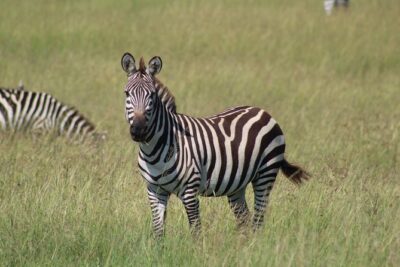
This is one of the longer transfer days, but it also marks a major change in scenery. The Serengeti is known for its enormous open plains and its great herds of wildebeest, zebra, and gazelle. The openness can feel almost endless, with animals often appearing as small moving points across the grass.
Predators give the day its tension. You might find lions resting in shade or see a guide watching carefully for cheetahs and other hunters. The exact wildlife pattern changes through the year, and the migration route shifts with rainfall, so the timing of your visit matters.
Because the afternoon drive begins after substantial travel, you should set realistic expectations. This is not a leisurely morning at one nearby park. The reward is reaching one of Africa’s best-known wildlife areas and getting your first proper look at the Serengeti before a full day there.
A few more Lake Manyara trips worth comparing
- 3 Days Private Safari – manyara, Ngorongoro & Tarangire
★ 5.0 · 94 reviews - 4 Days / 3 Nights Lake Manyara, Ngorongoro and Serengeti
★ 5.0 · 36 reviews - 8 Days Safari (Lake Manyara /Tarangire/Serengeti/Ngorongoro)
★ 5.0 · 32 reviews - Safari in Tanzania 5 days: Manyara, Ngorongoro, Serengeti
★ 5.0 · 29 reviews
Day 4: Full-day wildlife search in Seronera
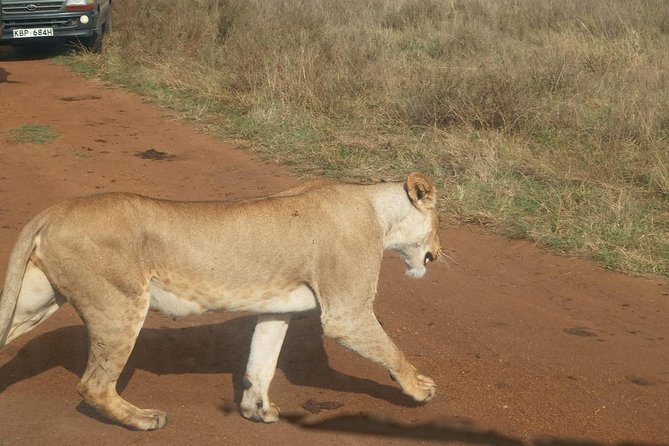
The fourth day begins with an 8:00 AM departure after breakfast and focuses on central Serengeti, especially the Seronera area. This is the trip’s main predator day.
Seronera River supplies water, which helps draw animals into the area. The central zone is known for lions and leopards, as well as a broad selection of the Serengeti’s other species. During periods outside the migration, the resident lion prides can be especially important to watch.
A full-day game drive gives your guide time to search rather than rush from one sighting to the next. You might spend part of the morning following a pride, then stop for a picnic lunch before looking for leopards, giraffes, zebras, or antelope later in the day.
This is also the day when patience pays. A leopard may stay hidden, and a lion pride may be inactive in the heat. The best approach is to enjoy the complete setting, not only the dramatic moments. Ask your guide how animals use the river and how the season affects their movement.
The central Serengeti can attract many vehicles because it is productive and well known. Your private vehicle gives you control over your own group, but it cannot remove other vehicles from a popular sighting. A good guide’s judgment matters here. George, Salu, and Joseph are names associated with this operator, and each has been praised for personal service, animal spotting, or explaining local culture. Ask in advance who will guide you.
Day 5: From Serengeti to the Ngorongoro rim
After a morning game drive in Serengeti, you leave for the Ngorongoro Crater rim with a picnic lunch. The day combines more wildlife viewing with a major transfer.
Ngorongoro is a huge collapsed volcanic crater, with a floor surrounded by a ring of extinct volcanoes. Watering holes support a dense animal population, and the enclosed setting makes the crater feel different from the open Serengeti.
Staying on the rim gives you a dramatic change of mood. The air, views, and shape of the crater prepare you for the next morning’s descent. The exact accommodation level depends on your selected package, so confirm whether your chosen camp or lodge sits on the rim or elsewhere in the area.
This day can feel tiring. You have a morning drive, a picnic lunch, and a transfer after several previous days on rough park roads. If you prefer relaxed travel, ask whether a private adjustment is possible. The tour is private, but the published schedule is still full.
Day 6: Five hours on the crater floor
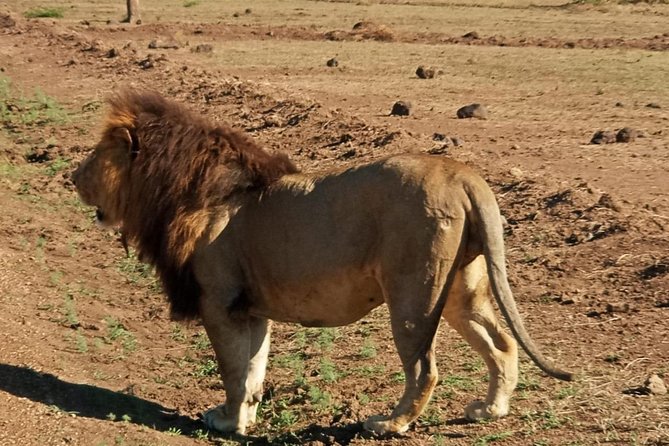
An early breakfast leads to a descent into Ngorongoro Crater for about five hours of game viewing. This is the most concentrated wildlife day of the trip.
The crater floor includes watering holes and open areas where you might see lions, elephants, zebras, hippos, flamingos, jackals, antelopes, and many birds. Rhinos are also listed among the possible sightings. The variety is one of the crater’s main strengths, since many species occupy a relatively contained area.
Birdlife adds another layer. Look for eagles, vultures, storks, giant vultures, sacred ibises, kori bustards, blacksmith plovers, long-necked herons, and other species. At the crater lake, flamingos may appear, adding color to an otherwise broad, open setting.
The picnic lunch is scheduled near the Hippo Pool. This keeps the day inside the crater and avoids a long return to the rim for food. After lunch, you climb out of the crater and continue for about two hours to accommodation in Karatu.
The early start and long drive make this a demanding day, but it is also one of the clearest reasons to choose this route. You get close-range game viewing in a remarkable volcanic setting, not just a drive across open plains.
Day 7: Lake Manyara and the return to Arusha
The final day begins around 8:00 AM and heads toward Arusha through Lake Manyara National Park. Entry is planned for about 9:00 AM, followed by a half-day game drive and a picnic lunch.
Lake Manyara has a different feel from Tarangire and Serengeti. Acacia and mahogany forests create a shaded route, and you might see buffalo, giraffes, impalas, baboons, and blue monkeys.
The park is also known for tree-climbing lions. Seeing one is a matter of luck, so treat it as a bonus rather than a promise. In the right season, millions of flamingos can gather along the shoreline and make it appear pink. Since the bird display depends on conditions, ask about the expected season before booking if flamingos are a major goal.
The return to Arusha comes after the game drive, so the final day is not simply a transfer. That is a good use of time, though it also means you will reach Arusha later than you would on a direct drive. Confirm your onward travel plans before booking flights or other fixed departures.
The private vehicle, guide, and daily pace
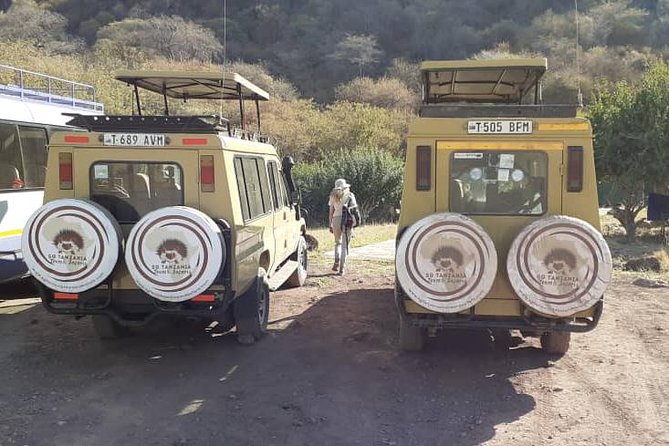
Transport is in a customized pop-up-roof 4×4 jeep. The raised roof is useful for viewing animals and taking photographs while seated inside the vehicle. A private vehicle also lets your group discuss the day’s priorities directly with the guide.
The operator’s guides have been praised for careful driving, strong animal spotting, flexibility, and explanations of Maasai culture. George is described as personable and dedicated. Salu is associated with clear explanations of animals and local culture, while Joseph is praised for going out of his way to adjust the drive to the group’s wishes.
Those names should not be treated as a guarantee for your departure. Ask for the assigned guide before travel. A good question is whether that person will handle the full route or whether the guide changes between sections.
The pace suits people who want a lot from a short safari. It is less suited to anyone who wants long afternoons at camp or minimal time in the vehicle. Picnic lunches and full-day drives help you cover ground, but they also make the days physically tiring.
What the $3,430 price means
The quoted price is $3,430 per person. Its value depends heavily on the lodging level you select and what the operator includes in your final confirmation.
You are paying for a private seven-day route through five national park areas, customized 4×4 transport, game drives, a guided walk in Arusha National Park, picnic lunches during park days, and accommodation in selected camps or lodges. The private format is especially valuable for families or small groups that want control over the vehicle.
The economy, comfort, and luxury choices are important. They let you avoid paying for a high-end camp if your priority is wildlife rather than rooms. At the same time, accommodation quality can make a major difference after long drives, so compare the actual names and locations of the properties, not only the package label.
Before booking, ask for a written list of inclusions. The provided details do not specify every fee, meal arrangement, park charge, or transfer condition. Do not assume that every cost connected with your arrival or departure is covered.
Who should book this safari?
I would recommend this trip to a first-time Tanzania visitor who wants the classic northern circuit in one week. It works well for families and private groups, especially since a recent booking included children aged 13 and 16.
It also suits people who value a guide’s personal attention and want the freedom of a private vehicle. Wildlife photographers may appreciate the pop-up roof and the chance to stay with a sighting, subject to park rules and the guide’s judgment.
I would hesitate to recommend it to you if you dislike long road transfers, early starts, or changing accommodation. The route is full, and the final two days in particular combine game viewing with substantial driving.
The start information needs clarification. One detail gives Kilimanjaro International Airport as the meeting point and 7:00 AM as the start time. Another says pickup is at 8:30 AM from your Arusha hotel. Confirm the exact pickup place and time before travel.
Free cancellation is available up to 24 hours before the local start time for a full refund. Cancellations or changes within 24 hours are not refunded or accepted, and poor weather may lead to a new date or a full refund.
Should you book it?
Book this safari if your priority is variety, private travel, and a strong chance to see Tanzania’s best-known wildlife areas in seven days. Tarangire’s elephants, Serengeti’s predators, Ngorongoro’s crater floor, and Lake Manyara’s forest make a well-rounded route.
Skip it if you want a slow safari with few transfers. The value here comes from coverage, not from lingering in one park. Get the exact lodging list, confirm the assigned guide, and settle the Arusha or airport pickup details before paying. If those pieces suit you, the route offers a substantial northern Tanzania experience for the time available.
FAQ
How long is the safari?
The safari lasts approximately seven days and starts and ends in the Arusha area.
Which parks are included?
The route includes Arusha National Park, Tarangire National Park, Serengeti National Park, Ngorongoro Crater, and Lake Manyara National Park.
Is this a private tour?
Yes. Only your group participates in the activity.
What type of vehicle is used?
Transport is provided in a customized 4×4 jeep with a pop-up roof.
Are lodging choices available?
Yes. You can select economy, comfort, or luxury safari lodges and tented camps, depending on your budget and preferred travel style.
Is pickup available?
Pickup is offered. The information gives Kilimanjaro International Airport as a meeting point and also describes pickup from a hotel in Arusha, so confirm the exact location and time before departure.
What time does the tour start?
The meeting information gives a 7:00 AM start time. The first day also gives an 8:30 AM pickup from an Arusha hotel. Ask the operator to confirm which time applies to your booking.
Can I cancel for a full refund?
Yes. You can cancel at least 24 hours before the local start time for a full refund. Cancellations or changes made within 24 hours are not refunded or accepted.
Just added around Lake Manyara
- Wildlife Extravaganza: Manyara, Tarangire & Ngorongoro in 3 Days★ 5.0 · 3 reviews
- 7 Days: Great Migration Mara River Crossing(manyara, Ngorongoro And Serengeti)★ 4.5 · 6 reviews
- 5 days Safari to Lake Manyara, Serengeti and Ngorongoro crater★ 5.0 · 3 reviews
- 4 days Safari Lake Manyara, Ngorongoro crater and Serengeti★ 5.0 · 4 reviews
- 4 Days Lake Manyara National Park, Ngorongoro Crater , Serengeti National Park.★ 4.0 · 4 reviews
- Manyara and Ngorongoro Crater★ 5.0 · 3 reviews
- 2 Days Tanzania Safari – Lake Manyara and Tarangire National Park★ 5.0 · 3 reviews
- Enjoy a Private Day Trip to Lake Manyara National Park.★ 5.0 · 3 reviews
Lake Manyara Tours, compared.
4 Days / 3 Nights Lake Manyara, Ngorongoro and Serengeti
Read our review →
3 Days Lake Manyara, Ngorogoro Crater, Tarangire National Park
Read our review →
4-Day Manyara Serengeti and Ngorongoro Wonders Budget Safari Tour
Read our review →
3 Days Tanzania Safari to Manyara Tarangire and Ngorongoro
Read our review →
Lake Manyara National Park Full-Day Tour from Arusha
Read our review →
From Arusha: 7-Day Discovery of the real Africa from Lake Manyara
Read our review →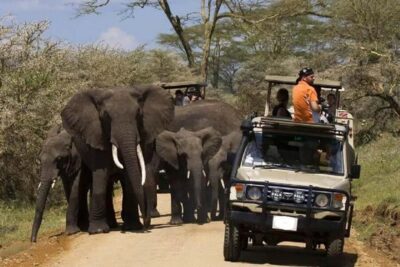
3 Days Safari Tour in Lake Manyara and Ngorngoro
Read our review →Browse the lists this tour appears in