
Reviewed · NORTHERN CIRCUIT SAFARIS
5 Days Exclusive Camping Adventure in Northern Tanzania
The strongest part of this five-day trip is its route: you move from Tarangire’s elephant country to the Serengeti plains, then into Ngorongoro Crater and on to Lake Manyara. That gives you four very different wildlife settings instead of repeating the same type of park each day.
I like the small maximum group of six, which matters when you are trying to spot a distant cheetah or shift seats for a better view. I also like the two nights tied to real safari campsites, including Seronera in central Serengeti and Simba near Ngorongoro. The main drawback is the pace: long drives, early starts, and basic camping may feel tiring, while the advertised meeting time of 7:30 am does not quite match the 8:00 am departure described for day one.
Key points to know before booking
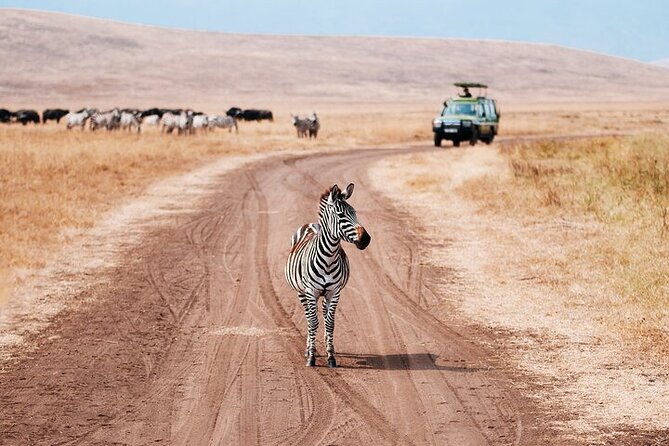
- Four major safari areas in five days: Tarangire, Serengeti, Ngorongoro Crater, and Lake Manyara each offer a different setting and wildlife mix.
- A group capped at six: You get a better chance of seeing out of the vehicle and discussing sightings with your guide.
- Two nights in safari campsites: Seronera places you in central Serengeti, while Simba gives you a night near Ngorongoro Crater.
- Big Five potential: The route is designed around searches for lions, elephants, buffalo, leopards, and rhinos, with cheetahs also possible.
- Meals are largely covered: Five lunches, four dinners, and four breakfasts are included, but ask exactly what camping equipment and campsite charges cover.
- Price and pace require a close look: At $1,200 per person, this can be useful value for a four-park route with meals, but the schedule is demanding and some details need confirmation.
Four parks, one fast-moving northern Tanzania route
This is a classic Northern Tanzania circuit compressed into five days. You begin in Arusha, drive through Tarangire, head west toward Serengeti, visit Ngorongoro, and finish at Lake Manyara.
The route works because each park adds something different. Tarangire is known for large wildlife sightings and striking scenery. Serengeti gives you broad plains and the possibility of following part of the wildebeest migration. Ngorongoro offers a dense concentration of large mammals inside an ancient volcanic caldera. Lake Manyara changes the mood again with forest, grassland, water, waterfalls, hot springs, and a major bird population.
You should not expect a slow, leisurely safari. Several days are listed at about six hours of activity, and some include both a game drive and a long transfer. That is normal for a trip covering this much ground, but you will want to be comfortable in a safari vehicle for extended periods.
The group limit of six is a real advantage. A packed vehicle can make wildlife viewing frustrating, especially when everyone wants a window or a clear camera angle. A smaller group usually gives you more room to talk with the guide and adjust your position when an animal appears.
More Camping Safaris in Arusha
- 4 Days Group Camping Safari
★ 5.0 · 1,101 reviews - 5 Days Group Camping Safari
★ 5.0 · 730 reviews - 6 Days Tanzania Budget Camping Safari
★ 5.0 · 145 reviews
Day one: Tarangire’s elephants and open country
The first day begins from Arusha, with the listed departure time at 8:00 am. The meeting information gives a 7:30 am start, so confirm the exact pickup time and place before you set out.
Tarangire is a strong opening park because it offers a quick change from town to open African country. The day is planned around roughly six hours in the park, with the guide searching for wildlife among the park’s different habitats.
The tour description highlights abundant wildlife and wide views, but it does not promise a particular animal on a particular day. You might see elephants, giraffes, buffalo, or other large mammals, but sightings always depend on conditions and animal movement.
I would treat this as a proper game-drive day rather than a short stop on the way to somewhere else. You get an early introduction to the rhythm of safari: slow vehicle movement, frequent pauses, and long stretches where the setting matters as much as the animals.
The first day also gives you a useful chance to learn how your guide works. Guides are central to a safari because they read tracks, watch animal behavior, and decide when to wait or move on. Team members named in company feedback include Heavenlight and Gasto, but you should ask who will lead your departure rather than assume either will be assigned.
Day two: From Tarangire to central Serengeti
Day two begins with breakfast, packing, and an en-route game drive toward Serengeti. Lunch is packed for the road, which is practical because the day combines driving with wildlife viewing.
Central Serengeti is the main prize. You arrive for an evening game drive and a sunset, then spend the night at Seronera Campsite in the center of the park. That location matters. You are not simply visiting Serengeti for a few hours and leaving; you are sleeping within the park area and returning to the wildlife zone the next morning.
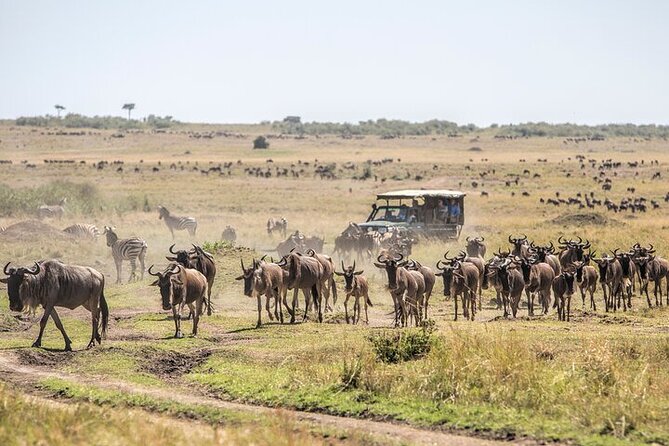
The Serengeti is best known for its huge open plains and the annual movement of wildebeest and other grazing animals. The migration follows food and water, so the exact place to find animals changes with the season. The description promises that your guide will help you see part of the migration, but no safari can guarantee a precise herd location.
The evening drive should be one of the most appealing parts of the trip. Late-day light can change the appearance of the plains, and an evening outing gives you another chance to find predators or grazing herds after the road journey.
Camping at Seronera also brings the most basic side of safari into view. The supplied details confirm the campsite name but do not explain whether tents, sleeping bags, mattresses, or other equipment are included. Ask before paying if you are not bringing your own camping gear. Also confirm whether the listed parking and meals cover all campsite-related charges.
Day three: A final Serengeti search before Ngorongoro
The third day starts with an early morning Serengeti game drive. This is a smart use of time because you get one more wildlife session before leaving the park.
An early drive can be especially useful for anyone focused on animal sightings, though the supplied details do not promise specific species or behavior. The tour is built around the Big Five, and the company’s safari team has previously been associated with sightings of cheetahs, leopards, and a rhino, in addition to the more commonly encountered large animals. Treat those as possibilities, not guarantees.
After the morning drive, you travel toward the Ngorongoro Conservation Area. Dinner and overnight camping are scheduled at Simba Campsite, near the crater.
This is another day where the route itself is the experience. You are moving from the open Serengeti to a highland area shaped by volcanic geology. The first view of Ngorongoro is a major visual change, and the overnight location sets up the next morning’s crater visit.
The tradeoff is time. You will not spend a second full day in Serengeti, and the transfer to Simba takes part of the day. If your priority is the migration or long predator searches, a longer Serengeti itinerary would give you more flexibility. If you want to sample several famous parks in one trip, this schedule covers a lot.
More northern circuit safaris:
- 5-Day Private Northern Tanzania Safari from Arusha
★ 5.0 · 182 reviews - 5 Days Best of Tanzania Luxury Safari Northern Circuit
★ 5.0 · 174 reviews - 5 Days Safari Northern Circuit of Tanzania
★ 5.0 · 37 reviews - 5-Day Private Safari Tour in Northern Tanzania
★ 5.0 · 36 reviews
Day four: Down into Ngorongoro Crater
Day four is built around the descent into Ngorongoro Crater after breakfast. The drive drops about 2,000 feet into the caldera, a vast volcanic basin covering about 8,300 square kilometers according to the tour details.
The crater is valuable because its enclosed setting supports large numbers of mammals. You may see lions, elephants, buffalo, hippos, and other animals in a relatively concentrated area. A rhino sighting is possible, though again, it cannot be promised.
The crater is also a geological attraction, not only a place to tick animals off a list. You get dramatic views from above, then a close look at the floor from the safari vehicle. That contrast is one reason this stop often feels different from the open Serengeti.
Lunch comes after the crater portion, followed by the drive out and an overnight stay back at your lodge or arranged accommodation. The wording around lodging needs attention: the route names Simba Campsite and mentions dinner and overnight stays, but the general inclusions do not clearly list accommodation. Additional lodging before and after the tour is specifically excluded. Ask exactly where you sleep on night four and whether the campsite nights are included in the $1,200 price.
This is likely the most wildlife-dense day, but it may also be physically tiring. You will have started with breakfast near the crater, descended by four-wheel-drive vehicle, spent hours on rough park roads, and then traveled onward after lunch.
Day five: Lake Manyara’s forests, hot springs, and birds
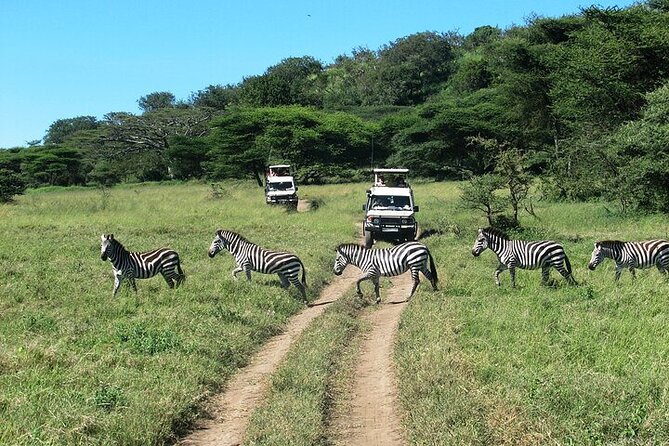
The final day heads to Lake Manyara for a full-day game drive. The park sits between the Great Rift Valley escarpment and the lake, creating a setting that feels different from both Serengeti and Ngorongoro.
The area includes grasslands, forest, and water. The tour description also points to waterfalls, clear streams, and thermal springs, so this is not simply another open-plain game drive.
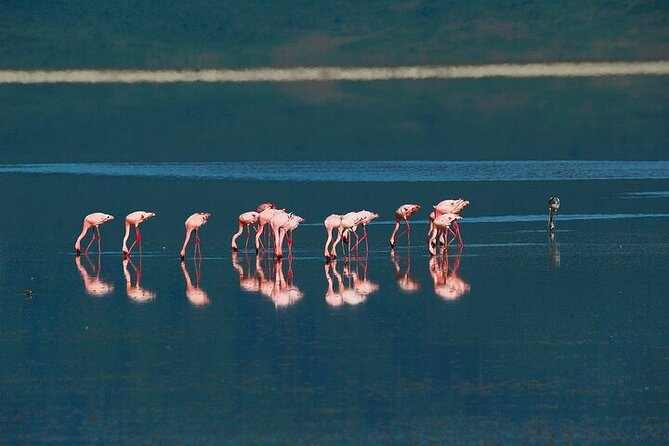
Lake Manyara is particularly useful if you care about birds. More than 400 bird species are listed for the park, including flamingos and pelicans. Water birds can add variety to a safari that otherwise focuses heavily on large mammals.
You might also see elephants, giraffes, hippos, and buffalo. The supplied description is cut off while listing additional wildlife, so it is best to ask the operator which animals are commonly sought during your season.
The phrase full-day game drive suggests a long final outing rather than a brief stop before returning to Arusha. That makes the day worthwhile for wildlife fans, but it also means the trip finishes with another substantial day in the vehicle. The activity ends back at the meeting point, though the exact return time is not provided.
What the $1,200 price really covers
At $1,200 per person, the value depends on what you want from a safari. You are paying for a five-day route through four well-known parks, a small group of no more than six, game drives, and a substantial food package.
Included meals are five lunches, four dinners, and four breakfasts. Parking fees are also included. The itinerary names camping at Seronera and Simba, but the general inclusion list does not clearly spell out every accommodation or camping item. That is the biggest price question to settle before booking.
The cost does not include international flights, visas, tips, personal purchases, souvenirs, travel insurance, or accommodation before and after the trip. Those extras can affect your final budget, especially if you need to arrange hotel nights in Arusha.
The price looks most useful for someone who wants a compact safari with meals arranged and does not want to organize transport between four parks. It is less compelling if you want luxury lodging, a slow pace, or several full days in one park.
Camping, food, and practical comfort
Camping can make the safari feel closer to the parks, but the details here are limited. You know the named sites, but not the tent setup, toilet facilities, shower arrangements, bedding, or whether a chef travels with the group.
The company has received specific praise for its guide and chef, with the cooking team described as helpful and the safari organization described as smooth from pickup onward. Still, ask what meals include and what dietary requests can be handled before you leave.
A small group helps with comfort, but it does not remove the rough-road nature of safari. You should expect early mornings, dusty roads, packed lunches on transfer days, and long periods in the vehicle. The itinerary is suitable for most participants, but anyone needing special arrangements should confirm them directly.
Pickup is offered, and the activity ends back at the meeting point. Public transportation is nearby, though that does not necessarily mean it is the best way to reach the starting point with safari luggage.
How the wildlife focus works
The advertised aim is to find Tanzania’s Big Five: lion, leopard, elephant, buffalo, and rhinoceros. The route gives you reasonable variety for that goal, especially with Serengeti and Ngorongoro included.
Still, a safari is not a zoo visit. Animal sightings depend on weather, season, migration patterns, and luck. A guide can improve your chances, but cannot guarantee a leopard in a tree or a rhino in the crater.
The strongest wildlife reports connected with this safari operation include all of the Big Five, along with cheetahs, leopards, and a rhino. The Great Migration has also been seen in northern Serengeti on longer trips. That is encouraging, but this five-day route visits central Serengeti, and the migration may be elsewhere when you arrive.
I would book this for the range of habitats rather than one promised animal. That mindset makes the trip more rewarding when a bird-filled wetland, a sunset over the plains, or a herd of elephants becomes the highlight.
Who should book this safari
This trip fits you best if you want a first taste of Northern Tanzania and prefer a fixed route with meals and transport handled. It is also a good match if you want a smaller vehicle group and are willing to trade luxury and spare time for access to four major parks.
It suits couples, friends, and solo participants who are comfortable sharing a vehicle and camping setup. The maximum group of six is small enough to keep the social side manageable.
I would hesitate if you need a relaxed schedule, guaranteed hotel accommodation, or a very specific migration location. I would also ask detailed questions before booking if you have dietary, medical, or mobility needs, since the supplied information only says most people can participate.
Free cancellation is available if you cancel at least 24 hours before the local start time. Cancellations within 24 hours are not refunded, and changes inside that window are not accepted.
Should you book the five-day route?
Book it if your priority is variety: four parks, Big Five opportunities, Serengeti camping, Ngorongoro Crater, and Lake Manyara birdlife in one compact trip. The small group and included meals add practical value, while the direct wildlife focus keeps the days purposeful.
Before paying, confirm the exact pickup time, assigned guide, camping equipment, accommodation on every night, campsite charges, and what happens at the end of day five. If those answers are clear, this is a strong value-focused safari for an active schedule. If you want more time in Serengeti or a softer camping experience, choose a longer or more comfortable itinerary instead.
FAQ
How long is the safari?
The safari lasts approximately five days and ends back at the meeting point.
Which national parks are included?
The route includes Tarangire National Park, Serengeti National Park, Ngorongoro Crater, and Lake Manyara National Park.
What is the group size?
The activity has a maximum of six participants.
Is pickup available?
Yes, pickup is offered. The meeting information gives a 7:30 am start, while the first-day schedule describes an 8:00 am departure, so confirm the exact time when booking.
Are meals included?
Yes. The package includes five lunches, four dinners, and four breakfasts.
Where are the camping nights?
The itinerary names Seronera Campsite in central Serengeti and Simba Campsite in the Ngorongoro Conservation Area.
Is the safari suitable for most people?
The activity information says most participants can take part. It does not provide detailed accessibility information, so contact the operator if you need specific arrangements.
What does the price exclude?
The price excludes visas, tips, international flights, personal items, souvenirs, travel insurance, and accommodation before and after the safari.
More Five-Day Trips in Arusha
- Tanzania Simba Safari – 5 Days
★ 5.0 · 217 reviews - 5 Days Budget Private Safari, Tanzania
★ 5.0 · 191 reviews - 5-Day Private midrange Tour in Arusha with Airport Pickup
★ 5.0 · 160 reviews - 5-Day private Camping Safari Tour in Tanzania
★ 5.0 · 86 reviews
Just added around Arusha
- From Arusha: 11 days The Classics Northern Tanzania safari★ 5.0 · 11 reviews
- 6-Day Mount Meru Climb through Momella Route Guided Tour★ 5.0 · 5 reviews
- Private Day Trip to Arusha National Park with a Walking Safari★ 5.0 · 4 reviews
- From Arusha : 11-day Amazing North Tanzania safari tour★ 5.0 · 4 reviews
- Walking Day Tour to Safari in Arusha National Park★ 5.0 · 5 reviews
- 2 Days Tanzania Midrange Group Join Safari★ 5.0 · 7 reviews
- Best 5 Days Tanzania Private Luxury Safari with luxury Lodges★ 5.0 · 12 reviews
- Waterfall & Coffee Walking Tour★ 5.0 · 6 reviews
Northern Circuit Safaris, compared.
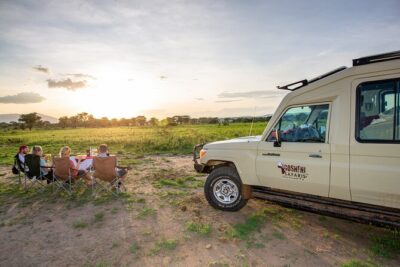
5-Day Private Northern Tanzania Safari from Arusha
Read our review →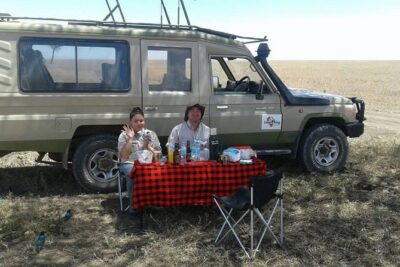
5 Days Best of Tanzania Luxury Safari Northern Circuit
Read our review →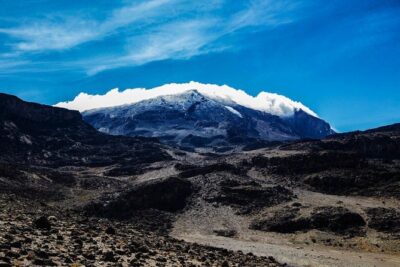
Kilimanjaro climb, Northern Circuit route (8-day)
Read our review →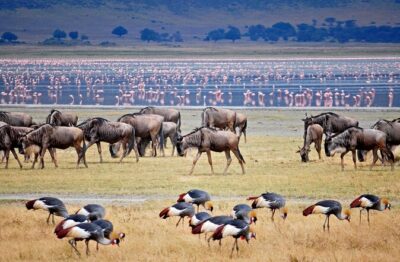
Private 4-Days Northern Circuit National Parks in Tanzania
Read our review →
From Arusha: 7 Days Classic Safari Central Northern Circuit
Read our review →Browse the lists this tour appears in