
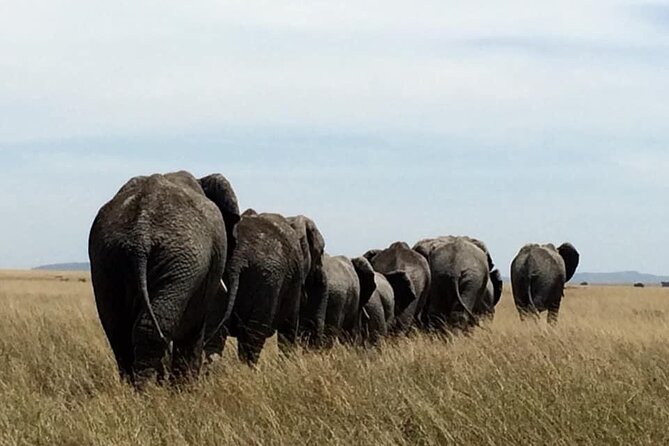
Reviewed · LUXURY SAFARIS
8 Days Green Season Offer – Luxury Serena Safari
The best part of this safari is the Serena-only lodging plan. You move through four of Tanzania’s headline wildlife areas without giving up a proper bed, full-board meals, or a lodge with a memorable setting. I like the crater-rim stay at Ngorongoro Serena and the panoramic position of Lake Manyara Serena. I also like that two full days are set aside for the Serengeti, instead of treating it as a quick stop between parks.
The main consideration is the pace. You cover long distances by road, and day three in particular includes a substantial transfer from Manyara through the Ngorongoro area to the Serengeti. The green-season price is attractive for this level of lodging, but you should confirm exactly what the $3,978 price includes beyond the listed meals and park admissions.
Key points to know before booking
- Four Serena properties: Sleep at Arusha Serena, Lake Manyara Serena, Serengeti Serena, and Ngorongoro Serena.
- Two full Serengeti days: You have time for resident animals even if the migration is not nearby.
- Private touring: Only your own group participates, which gives you more control than a large shared departure.
- Green-season timing: The stated operating dates are April through May, a period when the migration may pass through parts of the Serengeti.
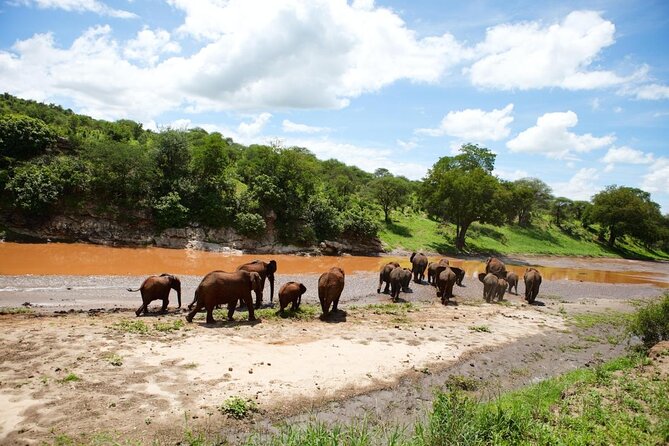
- Big wildlife targets: Expect serious chances for elephants, lions, buffalo, zebra, gazelles, hippos, and possibly black rhino.
- Guiding matters: Gilmag’s named guides include Moses and Abu on other safari programs, but you should ask who will lead your specific departure.
Why Serena lodging changes the feel of the safari
This is not a camping-first safari. Your accommodation is at Serena properties throughout the route, giving the trip a polished, consistent feel from the first night in Arusha to the last night near Ngorongoro.
Arusha Serena Hotel, Resort & Spa is your first base after landing at Kilimanjaro International Airport. The airport is about 50 kilometers from Arusha, so the first day is mostly about immigration, meeting the safari representative, transferring into town, and getting ready. A briefing at the hotel helps you understand the road schedule before the wildlife portion begins.
Lake Manyara Serena Lodge has one of the most striking settings on the route. It sits above the alkaline lake, with broad views from the escarpment. Ngorongoro Serena Lodge has an even more unusual position, built along the crater rim from local river stone and partly covered with indigenous vines. From there, the crater floor lies roughly 600 meters below.
That setting comes with a trade-off. Serena lodges are comfortable, but the route still involves early breakfasts, bumpy park roads, picnic lunches, and long drives. You are paying for a smoother base at night, not a leisurely resort holiday.
More Luxury Safaris in Arusha
- 7-Day Premium Luxury Tanzania Safari All-Inclusive
★ 5.0 · 426 reviews - 5 Days Best of Tanzania Luxury Safari Northern Circuit
★ 5.0 · 174 reviews - Big Five Luxury Safari in Tanzania
★ 5.0 · 68 reviews
Day 1: A practical start in Arusha
Your safari begins at Kilimanjaro International Airport. After customs and immigration, a Gilmag representative meets you and drives you to Arusha, about 50 kilometers away.
The first day is listed as a 12-hour block, but that does not mean you spend 12 hours sightseeing. Arrival time, border formalities, airport delays, and the transfer to Arusha will shape the day. I would treat this as a recovery and orientation day.
Full-board accommodation is provided at Arusha Serena. Dinner gives you a chance to settle in, and the safari briefing is useful for checking departure times, road conditions, meal arrangements, and the exact plan for the following morning.
Day 2: Lake Manyara and the search for tree-climbing lions
After breakfast, you drive to Lake Manyara National Park and arrive in time for a hot lunch. The park is compact compared with the Serengeti, but it offers a sharp change of scenery and a strong introduction to birdlife.
More than 400 bird species have been recorded here. You might see a remarkable range in one day, from water birds around the lake to species in the acacia woodland. Elephants are another major draw, and Manyara is associated with lions that sometimes climb trees.
That last sighting is never guaranteed, so keep expectations sensible. The park is not simply a lion exhibit. Its appeal comes from the mix of woodland, floodplain, lake, and wildlife in a relatively contained area.
You spend the night at Lake Manyara Serena Lodge. The elevated position gives you views over the lake and a clear sense of the park’s setting. It is a good first wildlife night because you get a full park visit without yet tackling the longest road stretches.
Day 3: From the Ngorongoro rim to the Serengeti plains
Day three is one of the biggest travel days. After breakfast, you drive through the Ngorongoro Conservation Area, stop at the crater rim for the view, and continue toward Serengeti National Park.
The crater-rim stop is brief compared with a full crater visit, but it gives you an immediate sense of scale. From above, the Ngorongoro Crater looks like a self-contained world, with the floor far below and the rim rising around it.
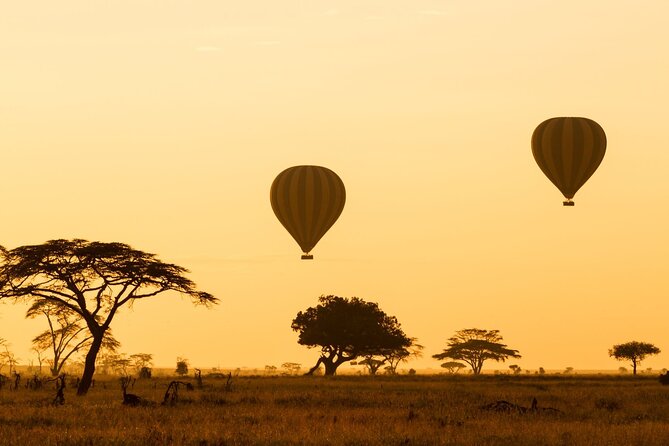
Then the scenery changes again. The Serengeti covers about 6,900 square miles, and the meaning of its name, endless plain, becomes clear once the road opens out. The route can feel long, particularly after an international arrival and two days of driving, but this is also the moment the safari becomes grand in scale.
Central Serengeti can produce elephants, giraffes, hippos, warthogs, and a wide range of antelope. You may also encounter buffalo, lions, and other predators. The value of arriving here on day three is that you have time ahead for more than one game drive.
More Safaris in Arusha
- 4 Days Group Camping Safari
★ 5.0 · 1,101 reviews - 5 Days Group Camping Safari
★ 5.0 · 730 reviews - 8 Days Great Wildebeest Calving Migration Safari from Arusha
★ 5.0 · 254 reviews - Group Safari 7 Days in Tanzania’s Main Parks
★ 5.0 · 240 reviews
Days 4 and 5: Two chances to find the Serengeti’s wildlife
The two full Serengeti days are the heart of the trip. Serengeti Serena Lodge is described as being near the Western Corridor and Grumeti River, with views across the park. Its location gives the safari a useful base for exploring several habitats.
The migration is the headline event, but it is not the only reason to spend time here. The route identifies April, May, and November as typical migration periods for the area. That timing does not guarantee that the herds will be beside your vehicle, since the animals move according to grazing and rain.
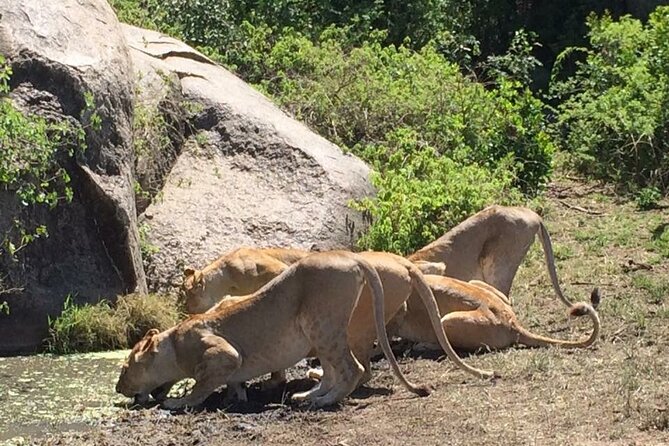
The Seronera area helps soften that risk. Resident wildlife remains present throughout the year, including elephants, buffalo, zebra, gazelles, lions, and other predators. A full day gives you more chances to find animals than a short morning drive squeezed between hotel transfers.
You may cross open short-grass plains, woodland, swamps, and areas around soda lakes. That variety matters because different animals prefer different habitats. Zebra and wildebeest may gather in large groups, while lions and hyenas can be found near prey concentrations.
The practical downside is time in the vehicle. Game drives are conducted over rough park roads, and a full day can be tiring. Still, I prefer this arrangement to rushing through the Serengeti. You have room to stop, watch animal behavior, and let your guide adjust the route.
Gilmag’s wider guiding team includes names such as Moses and Abu, both associated with strong safari experiences on the company’s programs. Your assigned guide is not identified in the tour details, so ask before departure. A good guide affects how much you see and how well you understand animal behavior.
Day 6: Olduvai Gorge and the Ngorongoro rim
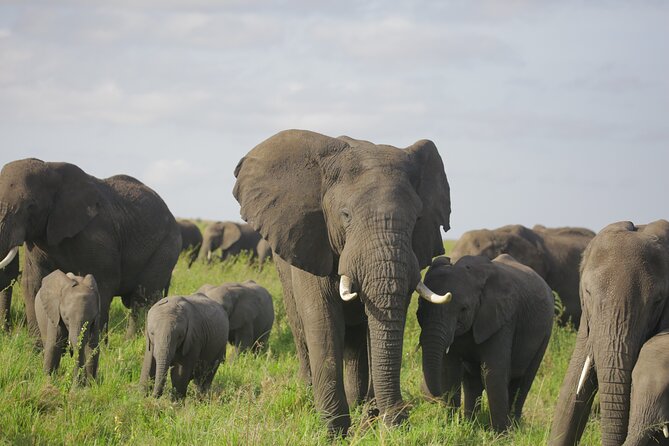
After breakfast, you leave the Serengeti and drive toward the Ngorongoro Conservation Area. The route passes Olduvai Gorge, associated with the Leakey family and fossil discoveries dating back almost two million years.
The stop adds human prehistory to a trip otherwise focused on wildlife. It also breaks up the road journey between the Serengeti and Ngorongoro. Do not expect a full archaeological program, but the site gives useful context for the wider region.
Ngorongoro Serena Lodge is the night’s base. Its location on the crater rim is the special feature. You can look toward the crater and know that the next day’s game drive will take you down to the floor.
This is another early-start location. The crater visit works best when you are ready for breakfast, departure, and a full day of viewing. The lodge’s dramatic position is a strong reason to accept the early schedule.
Day 7: A full day inside Ngorongoro Crater
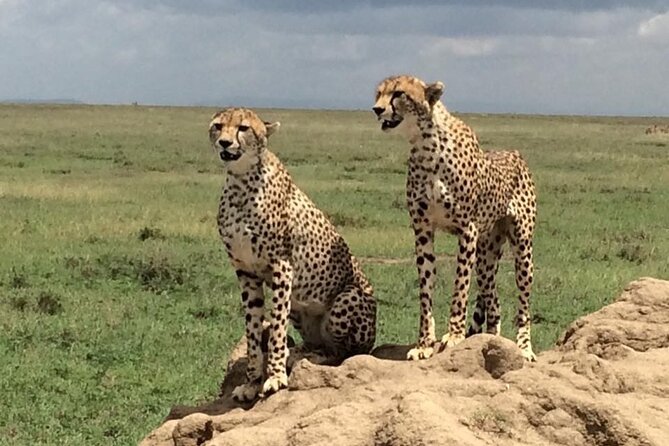
You leave after breakfast with a picnic lunch and descend into Ngorongoro Crater for a full day of game viewing. The crater is one of the best places on this route to look for black rhino, though no wildlife sighting can be promised.
Lake Magadi may hold flamingos, while the crater floor can produce zebra, gazelles, warthogs, hippos, waterbuck, hyenas, jackals, and lions. The concentration of animals is the main attraction. You can spend less time driving between separate park zones and more time watching wildlife in one enclosed natural area.
Lions may rest beside vehicles for shade, but treat that as good fortune rather than a planned encounter. The same applies to rhino. Your guide can search, but nature sets the terms.
A picnic lunch keeps you in the crater during the middle of the day. That makes the day more productive, though it also means you spend many hours in the vehicle. By evening, you climb back to the rim and return to Ngorongoro Serena for dinner and another night.
Day 8: Tarangire’s elephants and baobabs
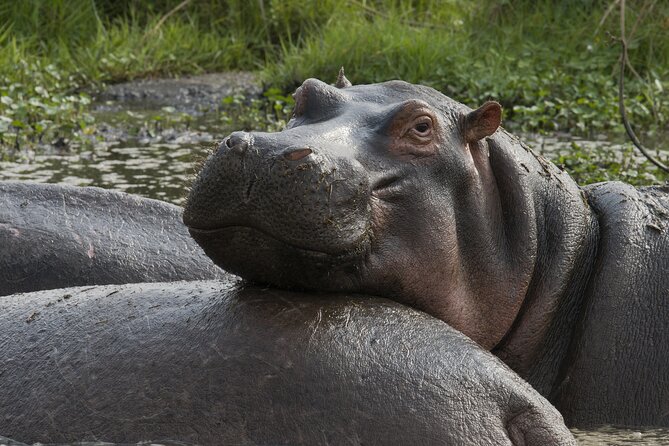
The final wildlife day starts early. After breakfast, you drive to Tarangire National Park, arriving in mid-morning for a game drive. Lunch is a picnic overlooking the Tarangire River, followed by an afternoon drive.
Tarangire is known for its large elephant population and its old baobab trees. The baobabs give the park a distinctive look, while the river helps draw animals during drier periods. The itinerary also names leopards, ostriches, lions, warthogs, zebra, and cheetahs as possible sightings, with wild dog a rarer possibility.
The park is slightly less central to the usual northern circuit than Manyara and Ngorongoro, which can mean fewer vehicles in some areas. That does not guarantee solitude, but it helps explain why Tarangire feels like a worthwhile final stop instead of an afterthought.
The day is listed as approximately 12 hours. That is a long finish after a week of game drives and road transfers. You should confirm the final drop-off plan, since the supplied details state that the activity ends back at the meeting point but do not spell out the exact post-Tarangire transfer.
What $3,978 buys you
At $3,978 per person, this is not a budget safari. The price makes more sense if you place value on Serena accommodation, private touring, full-board meals, and a carefully connected northern Tanzania route.
Seven breakfasts, seven lunches, and seven dinners are included. Park admissions are shown for several wildlife days, though the exact treatment of all fees should be confirmed before you pay. Drinks, laundry, travel insurance, and tips for guides and hotel staff are not included.
The green-season offer is the main value argument. April and May can bring changing weather, and the migration may or may not be in the exact area you visit. In return, you get a lower seasonal price than a comparable peak-period safari may command, while keeping the same named Serena properties.
I would ask for a written cost breakdown covering transport, park fees, guide, vehicle, airport transfers, and any conservation-area charges. That is not a criticism of the trip. It is simply the sensible way to compare a luxury safari price.
Who will enjoy this safari most
I would recommend it to you if you want Tanzania’s major northern parks in one organized trip and prefer established lodge comfort over camping. It also suits a private group that wants its own vehicle and guide rather than sharing the schedule with strangers.
Couples and honeymooners may like the polished lodging plan. Gilmag has also arranged bush-to-beach holidays and honeymoon trips, so the company may be able to extend this safari with another destination, though that is not part of this eight-day program.
The tour is less suitable if you dislike long drives, early starts, or uncertain wildlife sightings. It is also not ideal if you want a slow resort break. This is an active safari with several full days on rough roads.
Confirmation is provided at booking, and most people can participate. The tour is private for your group. The stated cancellation terms allow a full refund if you cancel at least six full days before the start time, with reduced refunds inside that window. Poor weather can lead to a different date or a full refund.
Should you book the Serena green-season safari?
Book it if you want a polished, private route through Manyara, Serengeti, Ngorongoro, and Tarangire, and you accept that green-season wildlife viewing depends on weather and animal movement. The strongest reasons are the two Serengeti days, the Ngorongoro crater visit, and the consistent Serena accommodation.
Before committing, confirm your guide’s name, the exact vehicle and transfer plan, every fee covered by the $3,978 price, and how the final Tarangire day ends. If those details suit you, this is a well-shaped luxury safari with enough time for the Serengeti and a strong mix of famous wildlife areas.
FAQ
How long is the safari?
The experience lasts approximately eight days, from arrival in Arusha through the final Tarangire visit.
Where does the safari begin?
It begins in Arusha, Tanzania, with airport pickup available from Kilimanjaro International Airport.
Which Serena properties are included?
Accommodation is listed at Arusha Serena Hotel, Lake Manyara Serena Lodge, Serengeti Serena Lodge, and Ngorongoro Serena Lodge.
Is this a private tour?
Yes. Only your own group participates in the activity.
Are meals included?
Yes. Seven breakfasts, seven lunches, and seven dinners are included.
Does the safari visit Ngorongoro Crater?
Yes. You stop at the crater rim on the way to the Serengeti, then spend a full game-viewing day on the crater floor later in the trip.
When does the green-season offer operate?
The stated operating dates are April 1 through May 31 in 2025 and April 1 through May 31 in 2026.
What is not included?
Tips for guides and hotel staff, laundry, soft and alcoholic drinks, and travel insurance are not included.
More Eight-Day Trips in Arusha
- 8 Days 7 Nights Tanzania Wildlife & Culture Lodge Safari
★ 5.0 · 17 reviews - 8 Day Safari The Best of Tanzania & Lake Eyasi
★ 5.0 · 11 reviews - 8 Days, Migrations Safari-River crossing -(July to October)
★ 5.0 · 9 reviews - 8 Days Follow the Wildebeest Migration River Crossing Safari
★ 5.0 · 5 reviews
Just added around Arusha
- From Arusha: 11 days The Classics Northern Tanzania safari★ 5.0 · 11 reviews
- 6-Day Mount Meru Climb through Momella Route Guided Tour★ 5.0 · 5 reviews
- Private Day Trip to Arusha National Park with a Walking Safari★ 5.0 · 4 reviews
- From Arusha : 11-day Amazing North Tanzania safari tour★ 5.0 · 4 reviews
- Walking Day Tour to Safari in Arusha National Park★ 5.0 · 5 reviews
- 2 Days Tanzania Midrange Group Join Safari★ 5.0 · 7 reviews
- Best 5 Days Tanzania Private Luxury Safari with luxury Lodges★ 5.0 · 12 reviews
- Waterfall & Coffee Walking Tour★ 5.0 · 6 reviews
Luxury Safaris, compared.
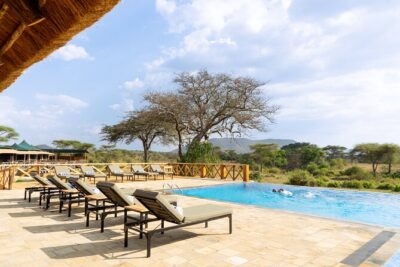
7-Day Premium Luxury Tanzania Safari All-Inclusive
Read our review →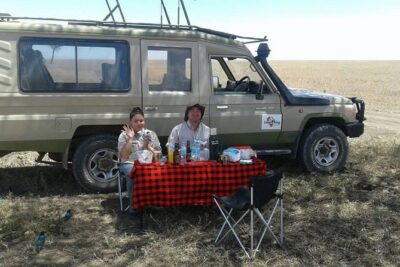
5 Days Best of Tanzania Luxury Safari Northern Circuit
Read our review →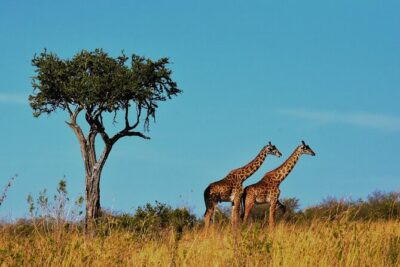
7-Day Magical Tanzania Safari -Premium High End Package
Read our review →
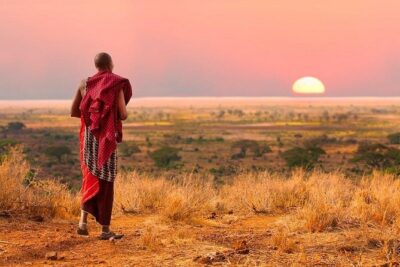
Camping to Serengeti & Ngorongoro Premium Parks
Read our review →

Luxury Swimming with Dolphins IN Mnemba and Lunch
Read our review →Browse the lists this tour appears in