
Reviewed · HIKING & TREKKING
4 Days Mount Meru Climbing | Hiking | Trekking Tour
Mount Meru gives you a rare combination: a serious high-altitude climb and a possible wildlife encounter on the same trail. You begin among forest, grassland, and animals such as giraffes, zebras, buffalo, monkeys, and elephants, then finish on a narrow volcanic ridge above the crater.
I like the armed ranger escort, which is required in Arusha National Park and makes the wildlife setting feel properly managed. I also like the sunrise summit plan, since the view toward Kilimanjaro and down into Meru’s crater is the payoff for a very early start.
The catch is simple: Mount Meru is not an easy warm-up walk. The third day includes a 1:30 a.m. departure, steep ground, a 10 to 12-hour hiking day, and a long descent. The listed $2,600 price also excludes park fees, tipping, flights, and visas, so check the final cost before booking.
Mount Meru at a glance
- Wildlife comes before the high mountain: The opening and closing sections pass through montane forest and open grassland, where you may see giraffes, zebras, antelope, monkeys, buffalo, or elephants.
- A ranger is part of the experience: Because the route lies inside Arusha National Park, an armed ranger must accompany the hike.
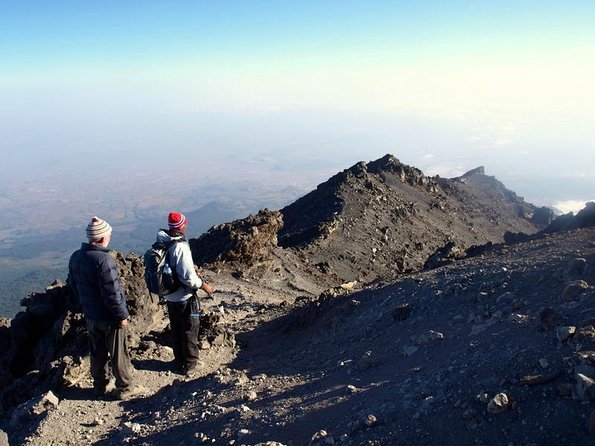
- The summit ridge is the dramatic section: The final route passes Rhino Point and Cobra Point before reaching the narrow ridge between the crater cliffs and outer slopes.
- You sleep in huts, not tents: Nights are spent at Miriakamba Hut and Saddle Hut, with the third night back at Miriakamba.
- Little Meru adds a useful preview: The short climb to 3,820 meters gives you a first taste of the altitude and a fine view before summit night.
- The hardest day is also the longest: Day three covers 5 kilometers uphill and 13 kilometers down, with 10 to 12 hours on foot.
Why Mount Meru makes a strong Kilimanjaro warm-up
At 4,568 meters, Mount Meru is Tanzania’s second-highest mountain and Africa’s third-highest. It is smaller and shorter than Kilimanjaro, but the route still asks you to handle altitude, steep climbing, cold early-morning conditions, and a long summit day.
That makes it useful preparation for Kilimanjaro. You get a clear idea of how your body responds above 3,500 meters, how you manage a pre-dawn start, and how slowly you need to walk on steep ground. The best lesson is often pacing. Several parts of the climb require a calm, steady rhythm rather than speed.
I would not treat Meru as a casual practice hike. The summit push is tough, and the route includes a narrow ridge beside steep crater walls. If you are booking it before Kilimanjaro, leave enough time to recover. The supplied schedule includes people climbing Kilimanjaro soon after Meru, but that timing will not suit everyone.
More Trekking Tours in Arusha
- 4 Days Mount Meru Trekking
★ 5.0 · 55 reviews - Arusha: Napuru Waterfalls Guided Hike
★ 4.8 · 39 reviews - 3 Days Mount Meru trekking
★ 4.5 · 7 reviews
Day one: Momella Gate to Miriakamba Hut
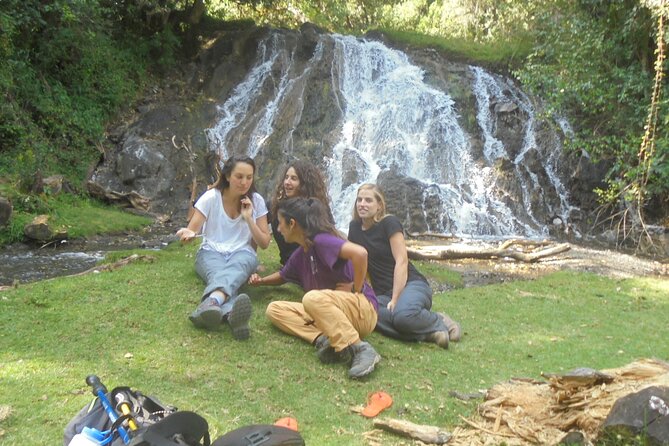
The tour begins with pickup and a drive from Arusha to Momella Gate. The published meeting point is Arusha Center Inn TouristTZ on Main Street and Bondeni Street, with an 8:30 a.m. start. At the gate, you complete registration before beginning the walk with your armed ranger escort.
This first day covers about 10 kilometers and takes roughly four to six hours. The route passes through montane forest, and this is your best chance to appreciate Mount Meru as part of a national park rather than simply as a summit objective.
Keep your eyes open for wildlife. The route can include elephants, giraffes, zebras, monkeys, antelope, and buffalo. Sightings are never guaranteed, and you should follow the ranger’s instructions closely. That is an important difference between this trek and a standard mountain walk: wildlife is part of the setting, but it also affects how the group moves.
The first overnight is at Miriakamba Hut. Dinner and breakfast are included, along with four lunches across the trip. Sleeping in designated huts means you do not carry or sleep in a tent, but you should still expect basic mountain accommodation rather than hotel comfort.
One detail needs checking before you go. The published day-one elevation figures are inconsistent, with the metric and feet entries not matching cleanly. Ask the operator for a confirmed elevation profile and hut details, especially if altitude planning matters to you.
Day two: Miriakamba Hut, Saddle Hut, and Little Meru
Day two is shorter in distance but steeper. You climb from Miriakamba Hut toward Saddle Hut, gaining from about 2,514 meters to 3,570 meters over approximately 8 kilometers. The walking time is listed as three to five hours.
The route follows a ridge and opens up views of Meru Crater and the Ash Cone. This is where the mountain begins to feel much more volcanic and exposed. The forest gives way to moorland, and the change in vegetation helps you see how quickly conditions shift with altitude.
After lunch at Saddle Hut, you can make the short climb to Little Meru at 3,820 meters. This optional-looking side climb is one of the smartest parts of the schedule. It gives you a chance to test your legs and breathing at a higher elevation before the main summit attempt.
The timing also gives you a sunset viewpoint. You may get broad views across the crater and surrounding country, though mountain weather can change quickly. Bring an extra layer for this outing. You will be standing still at altitude as the air cools.
You spend the night at Saddle Hut. Try to rest even if sleep is difficult. The early alarm is coming, and the next day is the physical center of the trip.
Day three: the 1:30 a.m. summit push
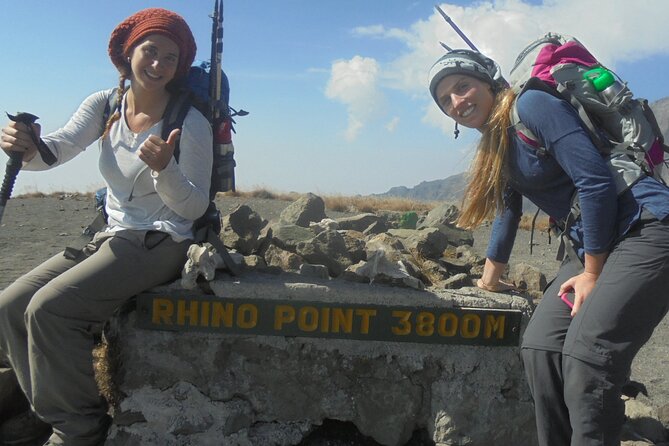
Summit day starts at about 1:30 a.m. You climb first to Rhino Point at around 3,800 meters, then continue to Cobra Point at approximately 4,350 meters. From there, the route reaches the summit at about 4,565 or 4,568 meters, depending on the figure used.
The steepness is the main challenge. The distance to the summit is only about 5 kilometers, but the climb is slow and demanding in the dark. Guides may encourage you to use a very deliberate pace, and that advice matters. The goal is to conserve energy, not win a race.
At the summit, the plan is to arrive around sunrise. On a clear morning, you may see Kilimanjaro rising above the clouds, along with the crater and Ash Cone below. This is the most striking section of the route, but it is also the part most affected by wind, cloud, and cold.
The final approach follows a narrow ridge between the sheer inner crater cliffs and the sloping outer wall. If you dislike exposed ridges, ask the operator for a clear description of the route and the conditions expected during your dates. The information provided says the route is a dramatic ridgeline, but it does not give technical climbing grades or safety equipment details.
After the summit, you return to Saddle Hut for a short rest and brunch, then continue down to Miriakamba Hut. The full day is listed at 10 to 12 hours, with 13 kilometers of descent after the summit section. That downhill stretch can be hard on tired knees, so trekking poles may be worth bringing if they are permitted by the operator.
The mountain team plays a big role here. Guides and porters help keep the pace manageable, and the experience feedback places strong emphasis on encouragement during the steep final climb. Singing and celebratory songs are also mentioned as part of the local team’s support. That human element can matter when the trail feels very long at 4,000 meters.
More treks and hikes around Arusha:
- 13 Days Adventure in Tanzania – Trekking and Wildlife Safari
★ 5.0 · 7 reviews - 6-Day Mount Meru Climb through Momella Route Guided Tour
★ 5.0 · 5 reviews - Mount Meru Arusha: Napuru Waterfall Hike by Kingstone Asilia
★ 5.0 · 5 reviews - Private Canoe or Hike Tour on Lake Duluti
★ 5.0 · 4 reviews
Day four: returning through forest to Momella Gate
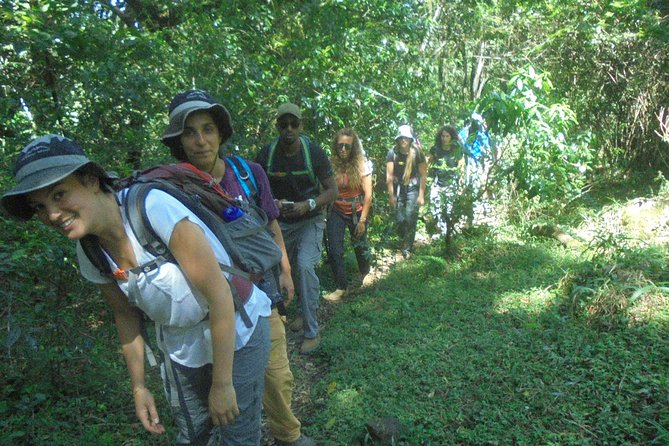
The final day is a shorter descent of around 10 kilometers, taking two to four hours. You leave Miriakamba and head toward Momella Gate through montane forest and open grassland.
This is another chance to see wildlife, although tired legs may make you less alert than on day one. The route eventually reaches the gate in the late morning, where the returning transfer takes you back to your hotel in Arusha or Moshi.
The schedule is sensible because it avoids adding another major climb after summit day. Still, the overall plan is physically dense. You have a long summit day followed by a morning descent, so build in time to recover before another major activity.
The huts, food, and support team
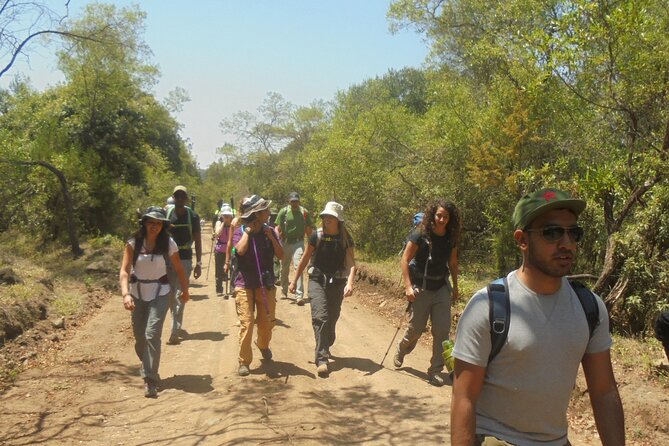
The package includes breakfast three times, dinner three times, and lunch four times. That covers the four-day schedule, although the wording should be confirmed with the operator because the number of included meals and the day-by-day serving plan can be easy to interpret differently.
The accommodation is in designated huts at Miriakamba and Saddle. This is a practical arrangement for Mount Meru, since you avoid carrying camping equipment and the route has established overnight points. You should still pack for simple facilities and shared mountain sleeping conditions unless the operator tells you otherwise.
Crew wages and transfers are included. Airport pickup and drop-off are also listed, along with the gate transfer. Ask exactly what airport transfers cover, since the meeting point is in central Arusha and the listing also refers to transport from Momella Gate to Arusha or Moshi.
Park fees are not included. They can be paid directly to the park or through the tour operator, so get a written total before paying. Tipping the crew, flights, and visas are also excluded.
Is the $2,600 price good value?
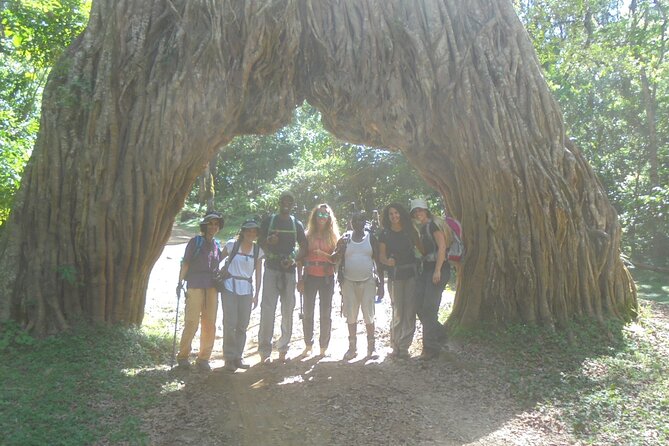
At $2,600 per person, this is not a budget mountain walk. The price may make sense if it covers the full operating package you need, including airport transfers, gate transport, crew wages, meals, guiding, porter support, and hut arrangements. But the excluded park fees mean the advertised price is not the complete trip cost.
The maximum group size is listed as 200 people. That is a large possible capacity, although it does not tell you how many people will actually be on your departure. I would ask three direct questions before booking:
- How many climbers are confirmed for my date?
- Are park fees included in the final invoice?
- How many guides, porters, and cooks will be assigned to my group?
Those answers tell you more about value than the headline price. A smaller group may offer a quieter pace and easier communication, while a large group may feel less personal on the narrow summit ridge.
The package has free cancellation up to 24 hours before the start time. Cancellations within 24 hours are not refunded, and changes inside that window are not accepted. Poor weather can lead to a different date or a full refund, according to the stated policy.
Who should book this four-day climb?
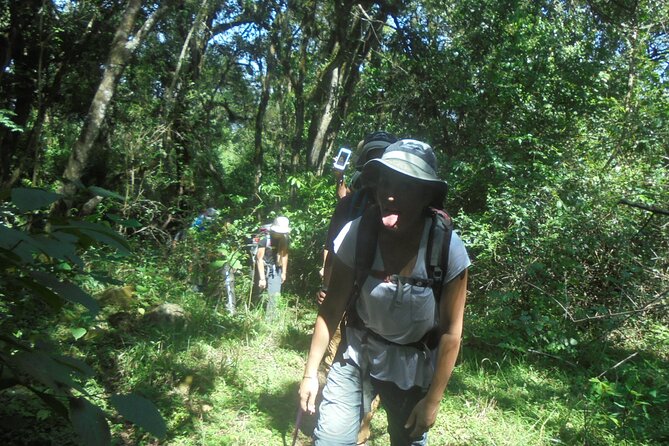
I would recommend it to a fit hiker who wants a real mountain challenge and plans to climb Kilimanjaro later. It also suits someone who values volcanic scenery, wildlife, and a more unusual route than the standard Kilimanjaro approach.
It is less suitable if you want gentle day walks, guaranteed wildlife sightings, private hotel rooms, or a relaxed schedule. The summit night is long, steep, and cold, and the ridge section requires comfort with exposed mountain terrain.
Most participants can take part according to the supplied information, but that should not be confused with an easy difficulty level. You need to prepare for four days of walking, altitude, an early summit start, and a substantial descent.
What to ask before you pay
The supplied information has a few unclear points. The elevation figures for some days do not align, and the park fee arrangement is not built into the stated price. Get clarification in writing.
Ask about:
- The exact total, including Mount Meru park fees
- The confirmed group size
- Hut sleeping arrangements
- The final elevation profile
- Airport pickup details
- The porter and guide arrangement
- What happens if you do not continue to the summit
- The equipment recommended for the pre-dawn ridge walk
These are ordinary questions for a mountain trip, not signs of distrust. Clear answers make the experience easier to enjoy.
My verdict on Mount Meru
I like this climb because it offers more than a summit photograph. You move from wildlife country to forest, moorland, volcanic crater views, and a high ridge with possible Kilimanjaro views. The armed ranger requirement adds both safety and a strong sense of place.
The main warning is effort. Mount Meru may be marketed as preparation for Kilimanjaro, but it still demands proper training and a sensible pace. If you are fit, prepared for basic huts, and happy to confirm the extra costs, this four-day route can be a rewarding introduction to Tanzania’s high mountains.
Book it if you want a serious climb with wildlife and crater scenery, and if you view Kilimanjaro preparation as part of the value. Skip it if you are looking for a soft introduction to hiking or do not want to manage a 1:30 a.m. start and a 10 to 12-hour summit day.
FAQ
How high is Mount Meru?
Mount Meru reaches about 4,568 meters. The summit is listed at approximately 4,565 to 4,568 meters in the itinerary.
How long is the Mount Meru climb?
The activity lasts approximately four days. Hiking times range from two to four hours on day four to 10 to 12 hours on the summit day.
Is Mount Meru inside a national park?
Yes. Mount Meru is located inside Arusha National Park.
Do I need an armed ranger?
Yes. The climb requires an armed ranger escort because wildlife lives throughout the park and on the mountain.
Can I see wildlife during the climb?
You may see elephants, giraffes, zebras, monkeys, antelope, and buffalo, particularly on the lower forest and grassland sections. Sightings are not guaranteed.
Where do I sleep during the trek?
You sleep in designated mountain huts. The schedule names Miriakamba Hut and Saddle Hut as the overnight stops.
Is food included?
Yes. The package lists breakfast three times, dinner three times, and lunch four times.
Are park fees included in the $2,600 price?
No. Mount Meru park fees are listed separately and may be paid directly to the park or through the tour operator.
Can I cancel for a full refund?
You can cancel at least 24 hours before the experience start time for a full refund. Cancellations or changes made within 24 hours are not accepted for a refund. If poor weather cancels the activity, you are offered another date or a full refund.
More Four-Day Trips in Arusha
- 4 Days Group Camping Safari
★ 5.0 · 1,101 reviews - 4 Days safari Tour Tanzania
★ 5.0 · 159 reviews - 4 days safari in Tanzania
★ 5.0 · 49 reviews - 4-Day Simba Safari – Mid Range Tour
★ 5.0 · 47 reviews
Just added around Arusha
- From Arusha: 11 days The Classics Northern Tanzania safari★ 5.0 · 11 reviews
- 6-Day Mount Meru Climb through Momella Route Guided Tour★ 5.0 · 5 reviews
- Private Day Trip to Arusha National Park with a Walking Safari★ 5.0 · 4 reviews
- From Arusha : 11-day Amazing North Tanzania safari tour★ 5.0 · 4 reviews
- Walking Day Tour to Safari in Arusha National Park★ 5.0 · 5 reviews
- 2 Days Tanzania Midrange Group Join Safari★ 5.0 · 7 reviews
- Best 5 Days Tanzania Private Luxury Safari with luxury Lodges★ 5.0 · 12 reviews
- Waterfall & Coffee Walking Tour★ 5.0 · 6 reviews
Hiking & Trekking, compared.
7-Day Machame Kilimanjaro Summit Tour from Arusha
Read our review →
Private Full Day Hiking Experience to Marangu Route
Read our review →
4 days Best experience Kilimanjaro Hike, Serengeti &Ngorongoro
Read our review →
Best Kilimanjaro hiking day trip tour with Kilinge Adventures
Read our review →Browse the lists this tour appears in