
Reviewed · 3-DAY EXPERIENCES
3 Days Serengeti & Ngorongoro Tour
The main appeal here is simple: in just three days, you reach Serengeti National Park and Ngorongoro Crater, two of Tanzania’s best-known wildlife areas. You will spend long hours on game drives, sleep in tents, and have a real chance to see lions, elephants, zebras, wildebeests, buffalo, and perhaps rhinos or leopards.
I like the small maximum group of six, which gives your guide more time to answer questions and position the vehicle. I also like that camping, meals, park visits, and transfers back to Arusha are bundled into the $800 price. The tradeoff is a tiring schedule, with an early start, long road sections, and only two nights in the parks.
Key points at a glance
- Two major wildlife areas in three days: Search the Serengeti plains and finish with a crater-floor game drive in Ngorongoro.
- Open-roof safari vehicle: You get a clear view for animal watching and photography.
- Camping at Seronera and Simba Campsite: The first night is in central Serengeti, while the second is on the Ngorongoro Crater rim.
- Maximum of six participants: A smaller vehicle group makes it easier to hear your guide and share sightings.
- Full board included: Meals are part of the package, with a picnic lunch during the safari days.
- Strong guide feedback: Names connected with especially positive reports include Francis, Amani, Hassan, Bakarai, and Dio.
Why this short safari works
This is a fast, focused introduction to northern Tanzania. You are not spending a week moving from park to park. Instead, the route concentrates on two places with very different character.
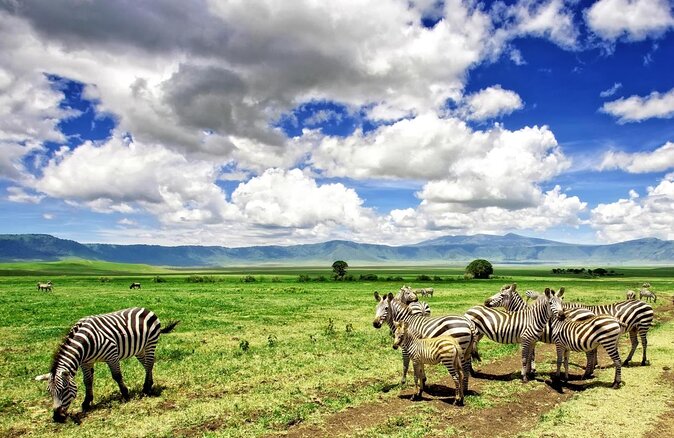
The Serengeti is famous for its open grasslands, big cats, and moving herds. Ngorongoro is a vast volcanic caldera where many East African species can be seen in a compact area. Put together, the parks give you variety without requiring a longer safari.
The $800 per-person price has to be judged against what is included. Camping accommodation, full-board meals, game drives, park access, a small group, and the return to Arusha are all part of the arrangement. That makes the price attractive for someone who wants a practical safari rather than a lodge-based stay.
You should still think carefully about comfort. This is not a polished resort holiday. You sleep in tents, spend much of the day in a vehicle, and follow a schedule built around wildlife and park rules. If you want soft beds, private transfers, and unhurried mornings, a longer lodge safari may suit you better.
More three-day trips in Serengeti:
- 3 Days Serengeti & Ngorongoro Group Camping Safari
★ 5.0 · 574 reviews - 3-Day Classic Serengeti Safari
★ 5.0 · 263 reviews - 3 Day Serengeti National Park & Ngorongoro Crater Camping Safari
★ 5.0 · 142 reviews
Starting at Kilimanjaro Airport at 12:30 am
The stated meeting point is Kilimanjaro International Airport, with a start time of 12:30 am. That timing matters. You may be arriving on a late-night flight, or connecting directly into the safari schedule.
Confirm the pickup details before you travel, including how your driver will identify you and where the first night is arranged if your flight timing changes. The operator offers pickup and confirms bookings at the time of reservation.
The tour ends back at the meeting point, with the final day returning you to an Arusha hotel first. The schedule says you may fly home that night or the following day, but the exact timing is not specified. I would avoid booking a tight same-night international connection unless the operator confirms the transfer time for your particular departure.
The group is capped at six people. That is a useful middle ground. You share the cost of a safari vehicle, but the group should remain small enough for you to hear explanations and get a fair view when animals appear.
Day 1: Entering the endless Serengeti plains
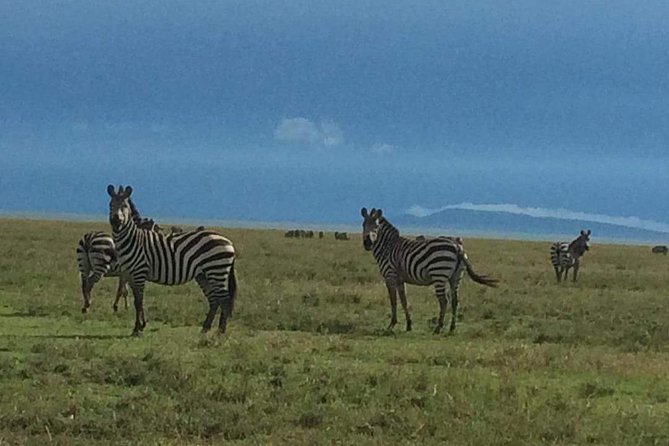
The first day takes you into Serengeti National Park. The name comes from the Maasai word Siringitu, meaning endless plains, and the description fits. Wide grassland stretches toward the horizon, broken by kopjes, the weathered granite rock formations that rise from the savannah.
Those kopjes are more than scenery. They give big cats useful lookout points and shade. With an open roof above you, you can watch the changing ground carefully instead of simply racing from one famous animal to the next.
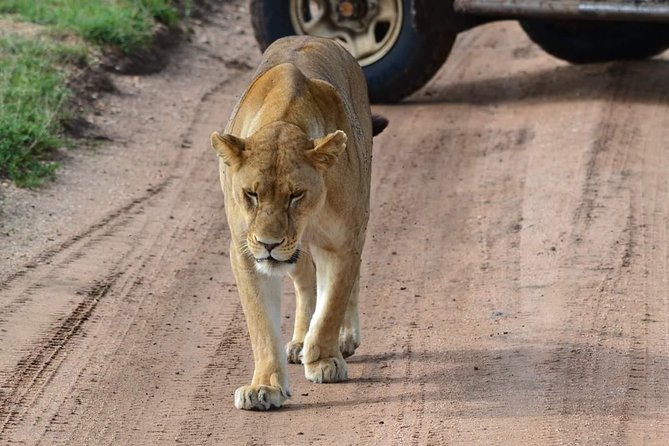
The focus is wildlife. Leopards, lions, and other cats are possible, along with elephants, zebras, giraffes, and wildebeests. No safari can promise a particular animal, but the Serengeti gives you a strong setting for searching, especially around the Seronera Valley.
You reach the central Serengeti in the afternoon and camp in the Seronera area. This is a sensible base for the first night because it puts you near one of the park’s main wildlife regions.
The first day is listed at about six hours, but that should not be read as six uninterrupted hours of driving. Game viewing is the point, and the pace can change when an animal appears. The long vehicle time is part of the deal, so bring patience and treat the journey between sightings as part of the safari.
Day 2: Seronera wildlife and the first crater view
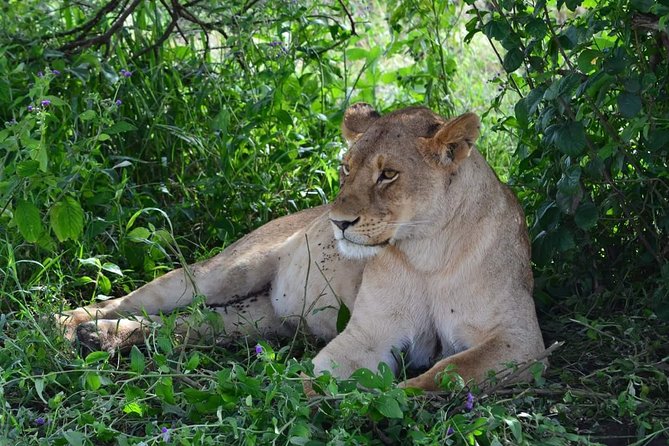
After breakfast, you continue the Serengeti game drive. The Seronera Valley is described as a place where you may see hundreds of wildebeests and zebras, with lions and other big cats often present.
This is one of the strongest parts of the route. Herd animals make the plains feel alive, while predators add the sense of surprise that makes a safari different from a zoo visit. You may spend time watching one group of animals, then move on when your guide receives information about another sighting.
Guide quality matters here. A careful driver who understands animal behavior can make the difference between a distant glimpse and a useful viewing position. Several guides linked with this operator received especially warm praise, including Francis, Amani, Hassan, Bakarai, and Dio. You cannot necessarily request every one of them, but you can ask which guide will lead your departure.
A picnic lunch follows at a park site. This keeps the route moving, but it also means you should be prepared for a basic outdoor meal rather than a restaurant stop. Full board is included, and the food received strong approval in the available feedback. One cook named Raymond and another named Safiri were singled out for their meals, while Dadri was also praised as a camp chef.
After lunch, you drive toward Ngorongoro. The road section is a real part of this short itinerary. You are leaving the Serengeti while still carrying the day’s wildlife memories, then gaining height toward the crater rim.
The first view of Ngorongoro comes from above. The caldera opens below you, and the setting changes quickly from broad plains to a huge enclosed bowl. You camp at Simba Campsite on the crater edge, where the sunset view is one of the memorable moments of the trip.
This campsite is also where expectations matter. The attraction is the location and the view, not hotel-style comfort. You are still camping, and the night can feel long after a full day on the road. The reward is waking near the crater before the main drive begins.
A few more Serengeti trips worth comparing
- Serengeti Balloon Safari and authentic bush breakfast
★ 5.0 · 2,480 reviews - Balloon Safari & Bush Breakfast in Serengeti – Miracle Experience
★ 5.0 · 1,646 reviews - 5-Day Highlights mid-Range Crater, Serengeti, Tarangire
★ 5.0 · 296 reviews - Safari Serengeti And Ngorongoro
★ 5.0 · 288 reviews
Day 3: Down into Ngorongoro Crater
Day three starts early with breakfast at daybreak. You then drive down into Ngorongoro Crater, the largest unbroken caldera in the itinerary.
The crater floor contains grass steppe and acacia woodland. The enclosed setting makes animal watching feel concentrated, and you may see many of the species associated with the East African savannah in a few hours.
The itinerary specifically notes that giraffes, topis, and impalas are exceptions, so do not treat the crater as a guaranteed checklist of every species. Lions, elephants, buffalo, leopards, and rhinos are possible, and the route is designed to give you a chance at the Big Five.
Rhinos may be far away. One report specifically described seeing them from a distance, while still seeing all five of the Big Five. That is a useful reminder: a safari is about being present for the sighting you get, not demanding a close-up.
Your final park time is again listed at roughly six hours. That gives you a worthwhile crater visit, but it is still a compressed experience. You will not have time to explore every corner or linger at every stop.
Later, you drive to a hotel in Arusha. The plan allows for a flight home the same night or the next day, but your exact airport transfer and hotel arrangement should be confirmed directly. The final day is busy, so allow breathing room before an important flight.
Camping, meals, and daily comfort
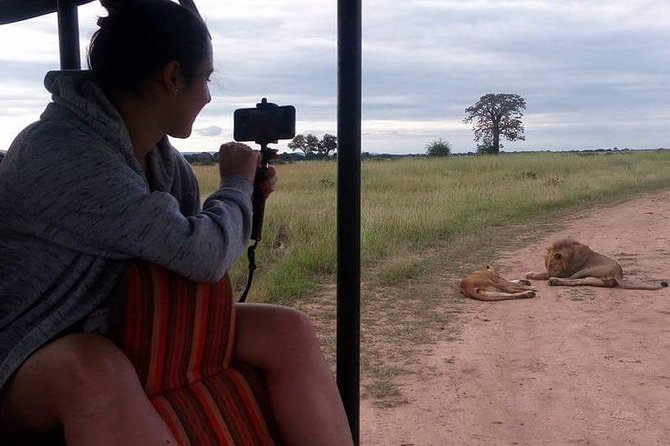
Camping changes the mood of this safari. You are closer to the setting and spend less on accommodation, which helps keep the package near $800. It also means you should choose this tour because you are comfortable with basic outdoor nights, not simply because the price looks good.
The tent mattresses were described as comfortable, and one report called the tent large. Meals were also a repeated strength. A safari cook is an important part of the experience because you are far from ordinary restaurants, and good food helps after hours in the vehicle.
The package includes full board, but the details of every meal are not specified. Ask what is supplied, especially if you have dietary needs. The available information confirms meals are included, not that every preference can be accommodated.
The first camp is in Seronera Valley. The second is at Simba Campsite on the crater rim. These are useful locations because they reduce the need to leave the parks at the end of each day. They also keep the safari centered on wildlife rather than city hotels.
Guides, driving, and the value of a small group
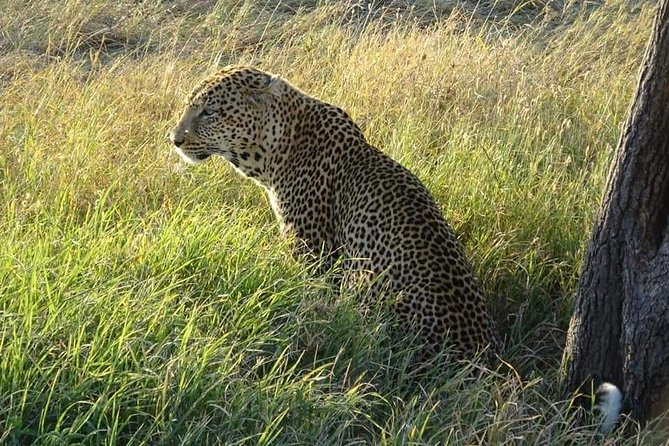
Your guide is not just a driver. The tour promises explanations of the local ecosystem, and the best parts of a safari often come from understanding why animals gather in one place or how the plains change with water and grass.
Past departures connected the strongest praise to personal service and careful driving. Francis was repeatedly described as attentive and safe, while Hassan, Bakarai, Amani, and Dio were also associated with strong guiding. Humphrey, the company owner, was praised for answering questions before arrival and adjusting arrangements when flight plans changed.
That personal contact can be useful if your arrival is delayed or your plans shift. It does not remove the need to confirm everything yourself, but it suggests the operator is reachable.
The six-person limit is important. In a large vehicle, a good animal sighting can become a scramble for views. With fewer people, you have more room to ask questions and a better chance of sharing the best viewing side fairly.
There is one point to clarify. One account described two people being placed with another group booked through a different company. Shared safaris can work well, but ask before departure exactly who is operating the vehicle and how many people will be inside it.
What the $800 price really buys
At $800 per person, this is a value-focused safari. The strongest value comes from combining two famous parks, camping, full board, game drives, a small group, and the return to Arusha in only three days.
You are also paying for access to places that would be expensive to arrange independently. Park fees, vehicle operations, camp logistics, food, and guiding all sit behind the headline price, even though the exact cost breakdown is not provided.
The price is less compelling if your priority is privacy or comfort. A private vehicle, lodge accommodation, and more time in each park would likely cost more, but they would also change the pace and sleeping arrangements.
I see this tour as a good fit for a first safari, a short Tanzania stopover, or anyone who wants the major highlights without committing to a full week. It is also well suited to people who enjoy meeting a small group and do not mind practical camping.
Who should book this safari
I would consider it if you want:
- Two UNESCO World Heritage sites in one compact trip
- A real chance at the Big Five
- Camping instead of expensive lodges
- A small shared group
- Meals and transport arranged together
- A safari that begins and ends around Arusha
I would pause if you need a slow schedule, private space, or a guaranteed same-night flight connection. The road time is significant, and three days gives you highlights rather than a complete survey of either park.
Book as far ahead as you can if your dates are fixed. This experience is booked, on average, about 16 days before departure, so leaving arrangements until the last moment may limit your options.
Should you book it?
Book this tour if you want a short, affordable safari with strong wildlife potential and you are happy to camp. The Serengeti plains, Seronera wildlife, Ngorongoro rim, and crater floor make a powerful three-day route.
Before paying, confirm the exact pickup plan at Kilimanjaro Airport, the final group size, your guide, the hotel in Arusha, and the timing of any onward flight. If those details suit you, the package offers a lot for $800. If you want comfort and quiet above all else, spend more on a longer private safari.
FAQ
How long is the safari?
The experience lasts approximately three days, with each main safari day listed at about six hours.
Where does the tour start?
Pickup is offered at Kilimanjaro International Airport on Kilimanjaro Airport Road in Tanzania. The stated start time is 12:30 am.
Where does the tour end?
The activity ends back at the meeting point after transport to an Arusha hotel on the final day.
Which parks does the safari visit?
The route visits Serengeti National Park and the Ngorongoro Conservation Area, including a game drive inside Ngorongoro Crater.
Is accommodation included?
Yes. Camping accommodation is included. The first night is in the Seronera Valley, and the second night is at Simba Campsite on the crater rim.
Are meals included?
Yes. Full-board meals are included, with a picnic lunch during the safari route.
How many people can join the tour?
The maximum group size is six people.
Can I cancel for a full refund?
Yes, if you cancel at least 24 hours before the experience start time. Cancellations made less than 24 hours in advance are not refunded, and changes within that period are not accepted.
Just added around Serengeti
- Serengeti & Ngorongoro 3 days Fly Safari in from Zanzibar★ 5.0 · 21 reviews
- 3 Days Serengeti National Park from Zanzibar★ 4.5 · 3 reviews
- 4-Day Serengeti, Ngorongoro,Tarangire safari★ 5.0 · 3 reviews
- Serengeti 2-Day Safari from Mwanza★ 5.0 · 16 reviews
- Serengeti Day Trip Tour from Mwanza★ 5.0 · 4 reviews
- Full-Day Serengeti Tour from Mwanza★ 5.0 · 11 reviews
- Discover Our Best Guide for 1-Day Serengeti Safari from Mwanza★ 5.0 · 5 reviews
- Serengeti Day Trip Safari From Mwanza Tanzania★ 5.0 · 7 reviews
3-Day Experiences, compared.
3 Days Serengeti & Ngorongoro Group Camping Safari
Read our review →
3-Day Ngorongoro Crater Manyara and Tarangire Safari from Arusha
Read our review →
From Zanzibar: 3-Day Selous Safari Trip with Flights
Read our review →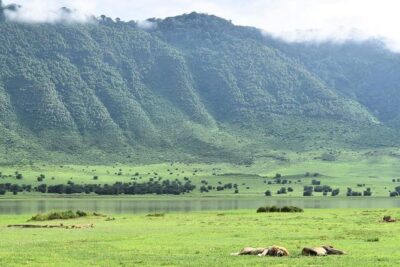
3days Serengeti National park and Ngorongoro Crater Tanzania Safari
Read our review →
Browse the lists this tour appears in