
Reviewed · STONE TOWN TOURS
Zanzibar Stone Town Tour (City Tour)
Stone Town’s appeal is how much history fits into a short walk. In two to three hours, you move from the Old Fort and a former Sultan’s palace to the old slave market, a seafront park, and Darajani Bazaar. It is a quick way to get your bearings in Zanzibar’s historic core without giving up a full day.
I like the local guides, who include Juma, Makame, Mohammed, and About, because the company has used guides with years, and in some cases decades, of experience. I also like the mix of serious history and ordinary city life: you can learn about the slave trade, then watch the market handle spices, seafood, clothes, and daily produce.
The main consideration is pace. An hour at Darajani Bazaar and several short stops can feel compressed, especially if you want photographs or a long explanation at each site. There is also a small uncertainty over interior admission at the slave-market site, so confirm what is covered before you set out.
Key points to know before you book
- Old Fort begins the walk: See Stone Town’s best-known fortification, business stalls, and occasional cultural events.
- The palace stop adds royal history: The former Sultanate building is described as the first in East Africa to have running water, electricity, and an elevator.
- Forodhani works best near sunset: The seafront park offers views, photographs, seafood, and Zanzibar pizza if your timing fits.
- The slave-market visit is the most serious stop: Allow time for the story of how the trade operated and was abolished.
- Darajani Bazaar is the longest stop: You get about an hour for produce, seafood, spices, clothing, ornaments, and possible street food.
- The price is reasonable for a private guided walk: At $35 per person, the value depends on your group size and how much you use the guide’s local knowledge.
Why Stone Town works so well in two or three hours

Stone Town is compact, but it is not simple. Its streets bring together royal buildings, religious sites, old commercial lanes, coastal views, and working markets. A guide helps connect those pieces instead of leaving you to admire doors and walls without knowing why they matter.
This tour is set up as a private activity, so only your group participates. That matters if you want to ask questions, set a comfortable walking rhythm, or pause for photographs. It also means the quality of the experience depends heavily on the guide assigned to you.
The published duration is approximately two to three hours. That is long enough for an introduction, but not long enough for every building or market corner. I would treat it as a strong first look at Stone Town rather than a complete study of the city.
The meeting point is the Old Fort on Mizingani Road. You return there at the end, and the location is near public transportation. Private transportation is not included, so you need to arrange your own way to the meeting point and back to your hotel or ship.
More City Tours in Zanzibar
- Walking City Tour in Zanzibar Island
★ 5.0 · 122 reviews - City tours zanzibar
★ 5.0 · 55 reviews - 3-Hour Private City Tour in Zanzibar Island
★ 5.0 · 47 reviews
Starting at the Old Fort on Mizingani Road
The Old Fort, also called Ngome Kongwe, is the natural opening point. Its thick walls recall Zanzibar’s defensive past, but the stop is not only about masonry and military history. Inside and around the fort, you may find business stalls selling various goods, giving the site a useful connection to present-day commerce.
Cultural events can add more life during festival periods. Music and cultural exhibitions may take place then, but they should not be treated as a daily feature. If you are visiting outside a festival, the fort remains a short historical stop with space for photographs and an introduction to the city.
The scheduled time here is only about ten minutes. That is enough to look around, hear the basic story, and move on. If you want a slow visit inside the fort, this tour may feel too brisk.
I like beginning here because it sets the tone. Stone Town is not an open-air museum frozen in the past. Historic buildings continue to sit beside stalls, shops, and ordinary city activity. The Old Fort shows that mix immediately.
The former Sultan’s palace and early modern comforts
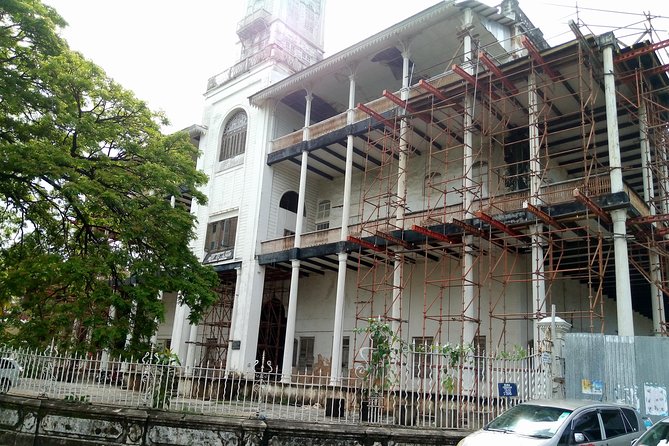
The palace stop is listed separately from the numbered stops, and the supplied description identifies it as the first palace of the Sultanate rulers in Zanzibar. It is also described as the first building in East Africa to have running water, electricity, and an elevator.
Those details make the building more than a royal residence. They point to Zanzibar’s role as an important center of trade and government, with access to modern technology earlier than many people expect. Ask your guide to explain which features remain visible and how the palace was used, since the exact amount of time here is not specified.
This stop may appeal most to people who like social history. The palace offers a way to think about power, wealth, engineering, and daily life under the Sultanate. It also gives the tour a useful change of pace after the Old Fort.
The description does not provide a current official name for this palace stop. That is worth clarifying when you book, especially if you want to research the building before arriving.
Forodhani Gardens at the edge of the sea
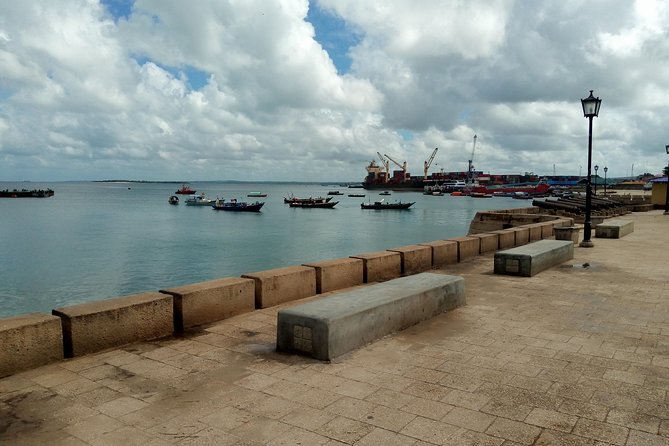
Forodhani Gardens is a coastal park where Stone Town opens toward the water. The scheduled stop lasts about twenty minutes, giving you time for views, photographs, and an explanation of the park’s past.
Timing makes a real difference here. In the evening, the gardens may offer a sunset, followed by local seafood and Zanzibar pizza. The tour price does not include food or drinks, so bring cash or budget separately if you want to sample something.
Zanzibar pizza is not the same as the Italian dish. The supplied information does not specify the exact fillings or preparation, so the safest advice is simply to try it if the food stalls are operating and you are comfortable buying a snack during the stop.
I like Forodhani because it gives the tour breathing room. After the fort and palace, you get open views and a chance to take in the setting. The drawback is that a twenty-minute stop may be short if you want sunset photographs, dinner, and a full explanation of the park.
If your schedule allows, ask whether the walk can be timed for late afternoon. The tour can be arranged around the listed stops, but no exact start time is provided, so confirm this before booking.
More Stone Town walks:
- Zanzibar: Stone Town, Spice Tour, Prison Island with Lunch
★ 4.4 · 1,219 reviews - Zanzibar: Prison Island, Stone Town, & Spice Farm Tour
★ 4.5 · 579 reviews - Zanzibar; Prison Island, Nakupenda, StoneTown Tour with BBQ
★ 4.3 · 457 reviews - Zanzibar: Stone Town, Spice tour & Prison Island with Lunch
★ 4.6 · 453 reviews
The old slave market and Anglican Cathedral
The old slave market is the most difficult and important part of the walk. The stop lasts about thirty minutes and explains how the slave trade was conducted and how it was abolished.
The site is connected with the Anglican Cathedral, making the visit both historical and religious. You should expect a serious stop rather than a casual photo opportunity. The subject can be upsetting, but skipping it would leave out a central part of Zanzibar’s past.
The description lists admission as free, and all fees and taxes are included in the tour. However, the supplied feedback includes a complaint about a guide asking for an additional $5 to enter a slave-market hall. Because of that contradiction, ask clearly before the tour begins whether any interior room or hall carries a separate charge.
That small check can prevent an awkward moment. It also helps you understand what the advertised price covers. Do not assume every room within a historical complex is included simply because the walking tour includes the site.
The quality of the explanation matters greatly here. Several guides connected with the company are praised for being professional, welcoming, and able to explain local culture. One account also describes a French-speaking guide whose manner and handling of the extra fee caused frustration. If you need a particular language, state that when booking and confirm the assigned guide.
Darajani Bazaar, the most local part of the walk
Darajani Bazaar receives about an hour, the longest stop on the tour. That is sensible. The market is where the city feels most useful and immediate, with farm produce, seafood, clothes, ornaments, and spices sold in one busy setting.
You should expect smells, noise, tight passages, and plenty of activity. The supplied information does not promise a quiet or carefully arranged market visit, and that is part of the point. This is a working bazaar, not a display made for sightseeing.
A guide can help you understand what you are seeing and avoid wandering without context. Ask about the spices, seafood, and local produce as you go. If you are interested in buying something, the guide may also help explain what an item is, though no shopping assistance is formally promised.
In the evening, local street food may appear. Food and drinks are not included, so any tasting comes at your own cost. I would keep the food budget flexible rather than assuming that every stall will be open at every hour.
The market is also where the tour’s short length becomes most noticeable. An hour sounds generous, but it passes quickly if you stop for photographs, ask questions, or shop. If Darajani is your main reason for booking, tell the guide at the start so you can protect enough time there.
What $35 buys you
At $35 per person, the tour offers a private guided walk lasting roughly two to three hours. The price includes guiding and all listed fees and taxes. It does not include food, drinks, presents, or private transportation.
For a solo visitor, $35 is a fair price if the guide gives clear historical context and helps you make sense of the market. For a small group, the value improves because you receive a private experience without paying for a full-day excursion.
The price is not a bargain if you only want to stroll past the main buildings. You can see parts of Stone Town independently, but the guide adds value by explaining the Sultanate, the slave trade, the fort, and the market. The tour makes the most sense for a first visit or for anyone with limited time.
A published score of 4.8 out of 5 from nine ratings suggests strong satisfaction overall. The positive comments repeatedly emphasize punctuality, hospitality, flexible planning, and guides such as Juma, Makame, Mohammed, and About. One account also describes the company arranging wider Zanzibar activities and ferry travel, but this particular booking is only a Stone Town walking tour.
Guides, language, and the feel of the experience
The company presents its guides as trained and experienced, with some having worked in Stone Town for many years. Names associated with the experience include Juma, Makame, Mohammed, About, and Brendah, although the person leading your tour may be different.
The strongest praise centers on warm service, timely arrangements, and the feeling of being looked after. That can matter in Stone Town, where a good guide helps you move between major sites without losing the thread of the story.
The feedback is not uniformly positive. One French-language account describes a guide who was less engaging, complained during the walk, and handled the possible $5 hall fee poorly. That does not define every guide, but it is a reminder to set expectations early.
Tell the operator your preferred language and interests before the day of the tour. If you care most about architecture, slavery history, food, shopping, or photography, say so. The experience is private, which gives the guide room to adjust, but only if you explain what you want.
Who should book this Stone Town walk?
I would choose this tour if you have a short stay in Zanzibar, want a local guide, or prefer a compact introduction before exploring alone. It suits couples, families, and small groups who want to keep the outing focused and avoid a large group format.
It also suits people who want more than pretty streets. The old slave market and palace stop give the walk real historical weight, while Forodhani Gardens and Darajani Bazaar show how Stone Town functions today.
You may want something else if you dislike markets, find difficult history uncomfortable, or want a relaxed half-day visit with long museum stops. The schedule is active, and the bazaar may feel intense. You should also choose another format if you need included transport, lunch, or a guaranteed sunset meal.
Wear comfortable walking shoes and keep your schedule open enough to arrive at the Old Fort on time. Since the tour ends back at the meeting point, you can continue exploring Stone Town afterward, provided you do not have a tight transfer.
Booking, cancellation, and practical details
Confirmation is provided at booking. The experience is near public transportation, and most people can participate, although the supplied information does not give detailed guidance about surfaces, stairs, or mobility access.
You can cancel for a full refund up to 24 hours before the local start time. Cancellations or changes made within 24 hours are not refunded or accepted. If poor weather causes the operator to cancel, you are offered another date or a full refund.
Because the tour depends on walking between several historic locations, weather can affect comfort even if the tour still operates. Check the forecast and ask about the start time, especially if you want Forodhani Gardens near sunset.
Should you book it?
Book this Stone Town tour if you want a short, private introduction with history, market life, and a coastal stop all in one outing. At $35 per person, it is good value for a small group that wants a guide rather than a self-guided walk.
Before paying, confirm the start time, preferred language, assigned guide, and whether the slave-market hall has any extra charge. If those details are clear, the tour gives you a useful first look at Zanzibar’s old city without consuming an entire day.
FAQ
How long does the Stone Town tour last?
The tour lasts approximately two to three hours.
How much does the tour cost?
The listed price is $35 per person.
What sites are included?
The walk includes the Old Fort, a former palace of the Sultanate rulers, Forodhani Gardens, the old slave market and Anglican Cathedral area, and Darajani Bazaar.
Where does the tour begin?
The meeting point is the Old Fort on Mizingani Road in Zanzibar, Tanzania.
Where does the tour end?
The activity ends back at the Old Fort meeting point.
Are food and drinks included?
No. Food and drinks are not included. You may purchase seafood, Zanzibar pizza, or street food separately at Forodhani Gardens or Darajani Bazaar when available.
Is transportation included?
Private transportation is not included. The meeting point is near public transportation.
Can I cancel for a full refund?
Yes. You can cancel at least 24 hours before the experience start time for a full refund. Cancellations within 24 hours are not refunded, and changes within that period are not accepted.
Just added around Zanzibar
- Walking in Stone Town with a Expert Tourguide★ 3.7 · 3 reviews
- Stone Town Tour★ 5.0 · 16 reviews
- Jet Ski Experience from Kendwa Beach★ 5.0 · 21 reviews
- Turtle Snorkeling, Jozani Forest, Kuza Cave, Rock Restaurant★ 3.7 · 8 reviews
- Zanzibar boat rental/charters★ 5.0 · 6 reviews
- Prison island(Changuu island) & stone town walking tour★ 5.0 · 6 reviews
- Full Day Private Zanzibar Triple Delight Tour★ 4.5 · 3 reviews
- Zanzibar Tumbatu Island Cultural Experience★ 5.0 · 4 reviews
Stone Town Tours, compared.

Stone Town, Spice Tour, Prison Island with Lunch
Read our review →
Prison Island, Nakupenda, StoneTown Tour with BBQ
Read our review →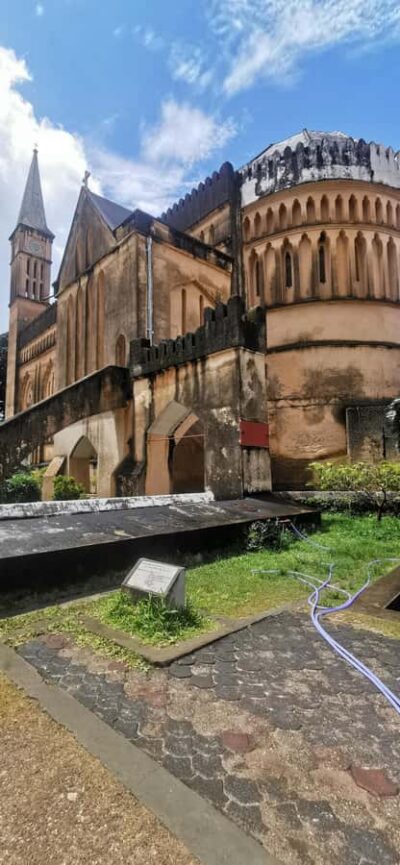
3 Hours Private Stone Town walking Tour with Guide
Read our review →
Stone Town Historical Cultural Walking Guided Tour
Read our review →
Stonetown: Food Markets and Street Food Walking Tour
Read our review →

Zanzibar full day Jozani forest + Spice farm and stone town
Read our review →
Browse the lists this tour appears in