
Reviewed · STONE TOWN TOURS
Zanzibar: Private walking tour in stone town
Stone Town’s narrow lanes tell Zanzibar’s story better than any sightseeing bus. In three hours, you move from the old fort to the former slave market, the Sultan’s palace, busy market streets, and grand coral-stone buildings shaped by African, Arab, Indian, and European influences. This is the kind of tour that helps you get your bearings on foot.
I like the small private-group format, with a stated limit of 10 people, and I like that the tour focuses on places that explain Zanzibar rather than only offering photo stops. The price of $44 per person is fair when the guide gives you strong historical context and answers questions. The main caution is consistency: one booking was described as less than two hours, with weak English and few explanations, so confirm your guide and language when booking.
Key points to know before you book
- Stone Town is explored on foot: The narrow lanes are the point, and walking avoids the difficulty of reaching the old center by car.
- The former slave market is included: Your entrance fee covers the site at the Anglican Cathedral Church.
- Mohammed receives especially strong praise: He is described as punctual, flexible, friendly, and able to explain Zanzibar’s past in German and English.
- The tour covers major landmarks quickly: Expect the Old Fort, Palace Museum, House of Wonders area, historic streets, and food market.
- The cost is reasonable for a private tour: At $44 per person, value depends heavily on the guide’s language skills and how fully the three hours are used.
- Hotel pickup costs attention: Pickup is optional, while the standard meeting point is in front of the Old Fort entrance gate.
Why Stone Town works best as a walking tour

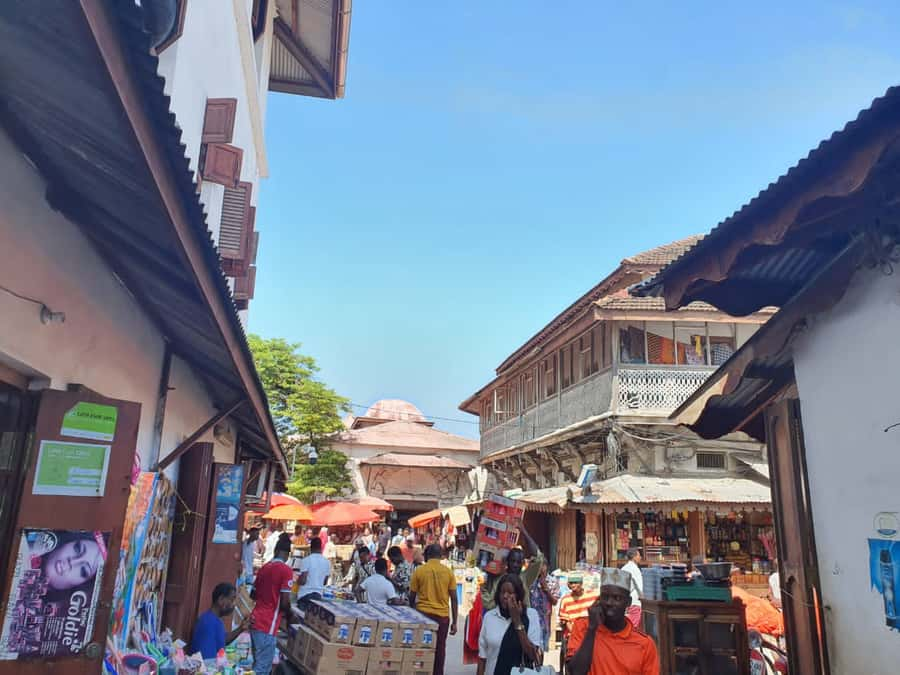
Stone Town is not a place you understand from a car window. Its old center is made up of tight, twisting streets, passages, courtyards, and buildings packed close together. Walking lets you stop beside a carved doorway, turn into a market lane, and hear the guide explain how different cultures shaped the town.
The town is often described as one of East Africa’s oldest urban centers, with roots reaching back many centuries. Its importance grew through Indian Ocean trade, and its architecture reflects the people who passed through or settled here. African, Arab, Indian, and European influences appear in the layout, religious buildings, palaces, markets, and decorated doors.
I like that the tour treats the old town as a living place rather than a museum frozen in time. You see working market streets alongside monuments and museums. That contrast gives the visit more meaning, though it also means you should expect a busy urban setting rather than a quiet heritage park.
The route lasts three hours, which is enough for a useful introduction but not enough for a slow, detailed study of every building. If this is your first day in Zanzibar, the timing is helpful. You can learn the layout and return later to places that deserve more time.
More Private Tours in Zanzibar
- Stone Town Private Walking Tour
★ 5.0 · 371 reviews - Zanzibar: 3 Hours Private Stone Town walking Tour with Guide
★ 4.6 · 301 reviews - Full-Day Private Stone Town +Spice Farm and Prison Island Tour
★ 4.5 · 216 reviews
Meeting at the Old Fort entrance
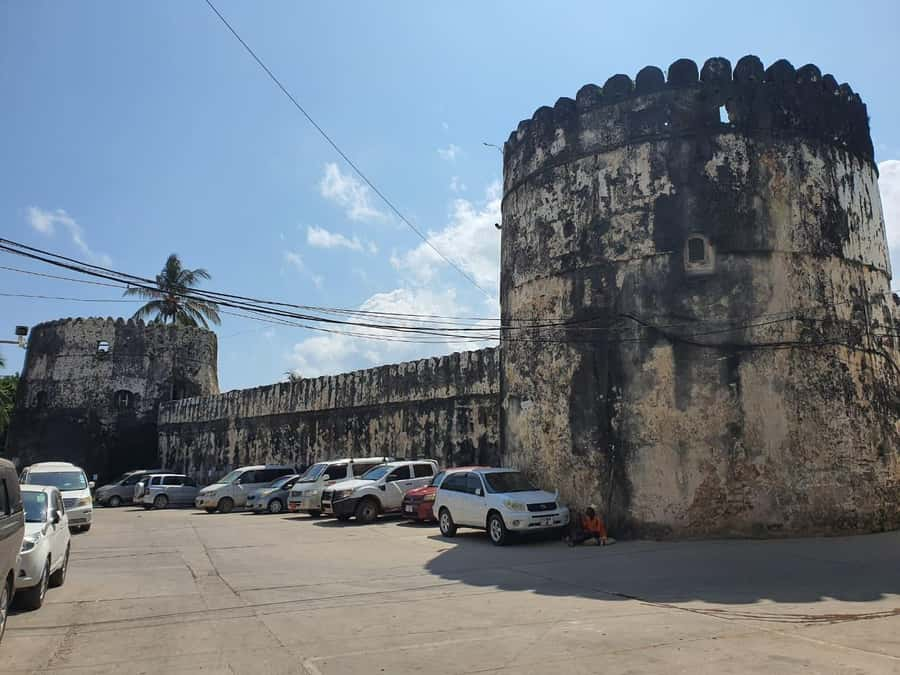
The standard meeting point is in front of the entrance gate of the Old Fort, also called the Arab Fort. Your guide is expected to wait there. This is a practical place to begin because the fort is one of Stone Town’s clearest landmarks and is easier to identify than a small side street.
Pickup from your hotel is available as an option. If you choose it, the driver is supposed to meet you in the hotel lobby, so you should wait there at the agreed time. Hotel transport is not included automatically, and the tour price does not cover hotel drop-off and pickup unless that option has been selected.
A useful tip is to arrive with your meeting point saved on your phone and to allow a little time to find the correct gate. Stone Town’s lanes can be confusing, especially on a first visit. The tour ends with drop-off options in Zanzibar or at the Old Fort, depending on the arrangement you select.
The Old Fort and Stone Town’s historic core

The Old Fort gives you a strong opening view of Stone Town’s past. Its heavy walls and central position make it an obvious place to begin a conversation about defense, trade, changing rulers, and the town’s role on the coast.
The important part is not simply walking around the fort. Ask your guide how it fits into the wider story of Zanzibar and how its use changed over time. A good guide can connect the fort to the surrounding streets, the sultans, and the trading world that made Stone Town important.
From here, the walking route moves through the old town. You should expect narrow, winding lanes rather than broad streets and a steady mix of residents, shops, market activity, and historic buildings. The architecture is one of the tour’s main rewards. Look for the details around doors, balconies, walls, and rooflines.
The description of the tour puts special attention on the architects and builders of the old structures. That matters because Stone Town can look like a jumble of attractive façades if nobody explains what you are seeing. The guide’s job is to show how design reflects culture, status, religion, trade, and climate.
This is also where the walking format can test you. The route uses old streets, and three hours on foot may feel long in heat or humid weather. The supplied information does not specify accessibility details, rest stops, or a walking distance, so ask the provider if those points matter to you.
The former slave market and Anglican Cathedral
The visit to the former slave market at the Anglican Cathedral is the most serious part of the tour. The entrance fee is included, which is useful because this is one of the few confirmed admission costs in the experience.
The site connects Stone Town’s beautiful architecture with a painful chapter in Zanzibar’s past. A visit here should not be treated as a quick photo stop. You are there to understand how the slave trade affected the island and the wider Indian Ocean region, and how the cathedral occupies the former market site.
The quality of the explanation matters greatly here. I would ask direct questions about the site, the people who were held there, and how the market fit into Zanzibar’s trading history. A guide who gives only general comments will leave too much unsaid, while a strong guide can help you approach the place with the seriousness it deserves.
The cathedral also shows how different periods of Stone Town’s history overlap. One site can carry religious, political, architectural, and human meaning at once. That makes it one of the most valuable stops, but also one where a rushed tour is especially disappointing.
More Walking Tours in Zanzibar
- Zanzibar: Stone Town Historical Cultural Walking Guided Tour
★ 4.5 · 179 reviews - Stonetown: Food Markets and Street Food Walking Tour
★ 4.7 · 151 reviews - Zanzibar Stone Town Walking Tour
★ 5.0 · 145 reviews - Stone Town Historical Walking Tour
★ 5.0 · 143 reviews
Palace Museum and the House of Wonders area

The Palace Museum, formerly connected with the sultan’s court, gives you a look at Zanzibar’s royal past. The tour presents the palace as a museum rather than simply another impressive building. You can expect the guide to explain the sultans, court life, and the role of Zanzibar as a center of power and trade.
The House of Wonders is also named among the historic sights covered around Stone Town. The information provided does not promise a specific interior visit or a separate admission ticket, so think of this part as a guided look at the landmark and its place in the town’s architectural story.
This is an important distinction when comparing tours. The experience gives you a broad introduction to several major sites, but it does not promise long museum visits at every stop. Three hours is a compact window, and the guide will need to balance interiors, exterior explanations, and walking time.
I like this broad approach for a first visit. You get a map in your head: fort, palace, cathedral, market, and the lanes between them. If you want extended time inside the museums, you may need to return independently or arrange a longer private visit.
The food market and everyday Stone Town
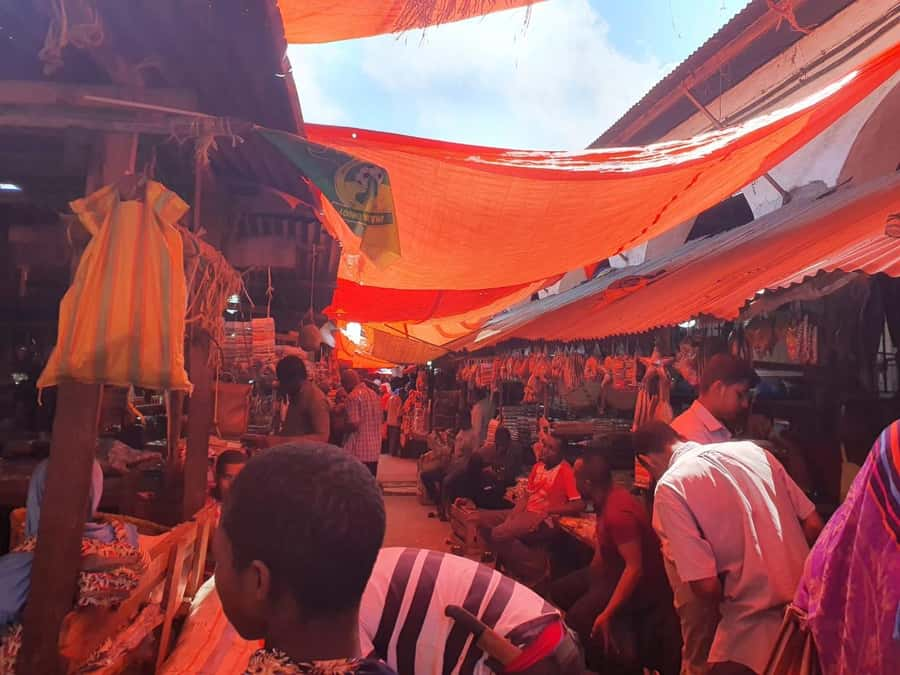
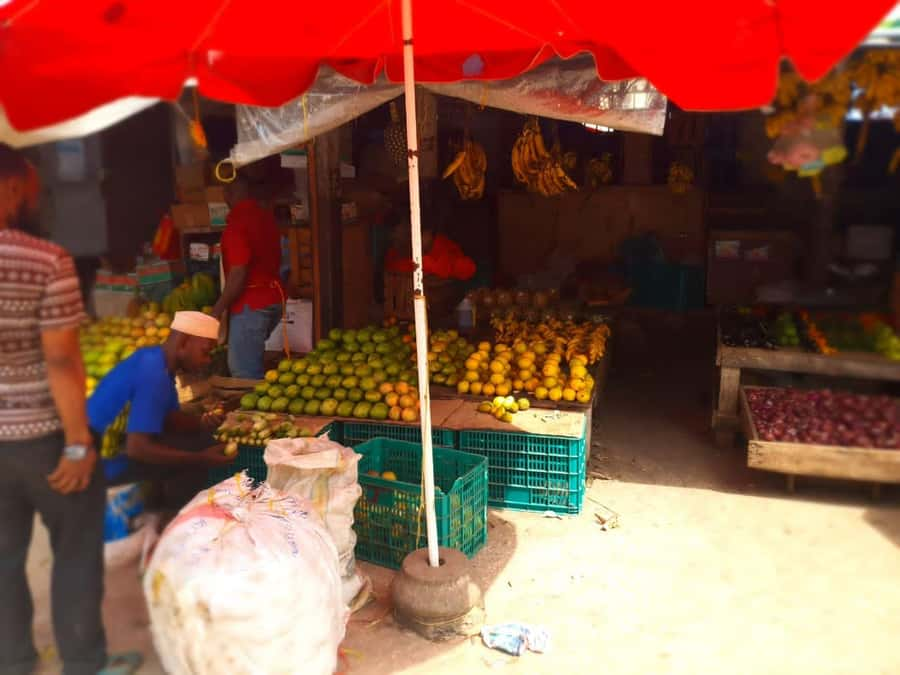
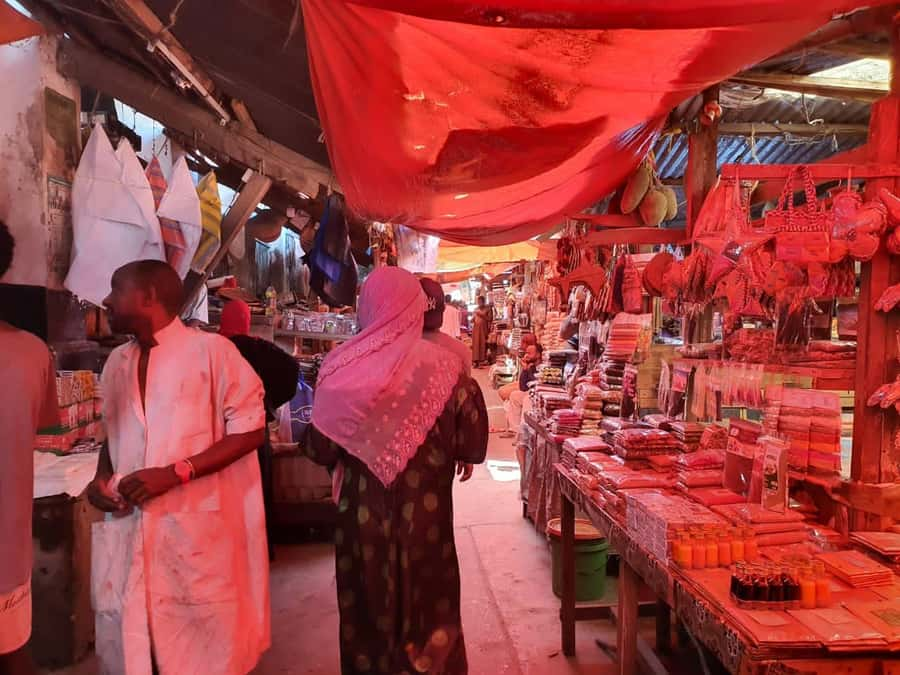
The food market visit lasts about 30 minutes. This changes the tone of the tour after the formal sites and royal buildings. Instead of hearing only about sultans and historic events, you see a working market where everyday life continues.
Food is not included, so bring money if you want to buy something. The tour price covers the guiding fee and the entrance fee at the former slave market, not meals or drinks. The supplied information does not specify which foods are offered or whether tasting is part of the route, so do not assume that a tasting menu is included.
I like having a market stop because it keeps the tour connected to present-day Zanzibar. You can observe the produce, activity, and layout while the guide explains local habits and food culture. It also gives you a chance to ask for recommendations for later meals.
The market can be busy and less polished than the historic buildings. That is part of its value, but it may not suit you if you want a quiet or highly structured sightseeing route. Keep your belongings secure in crowded areas and follow the guide’s lead.
What the guide can add to the experience

This tour depends more on the guide than on the route. Stone Town’s main landmarks are easy enough to locate, but their meaning is not always obvious. A skilled guide links the buildings together and answers the questions that arise as you walk.
Mohammed is the clearest example from the available feedback. He is described as punctual, professional, cheerful, flexible, and willing to spend extra effort when requested. One German-speaking booking also praised his ability to explain Zanzibar’s history and culture clearly, answer questions, and make the walk enjoyable for a small party.
Language choice is a real selling point. Guides are available in English, French, German, and Italian. German-language service received particularly strong praise in one booking, but you should still confirm the requested language before paying. One serious complaint described a guide whose English was difficult to follow, so language matching should not be left to chance.
The experience is private, but the stated group limit is 10 people. That is smaller and more personal than a large coach tour, yet private does not always mean one guide and one couple. Ask what group size applies to your selected option.
Is $44 per person good value?
At $44 per person, this tour sits in a sensible range for a three-hour private walking experience, provided the full time is used and the guide gives more than directions between buildings. You are paying for local interpretation, the guiding fee, and entrance to the former slave market.
The value improves if you are new to Stone Town. A first-day orientation can save time later because you learn which streets and landmarks matter. You also gain context before visiting museums or historic sites on your own.
The value drops if the walk ends early or if the guide offers little information. One booking described a tour lasting under two hours and another described the route as lacking direction and explanation. These are not minor concerns when the main product is the guide’s time.
Food, drinks, hotel transport, and general drop-off are not included. Add those costs to your planning. You should also check exactly which entrance fees are covered, since the confirmed inclusion is the former slave market rather than every museum named along the route.
Who should book this Stone Town walk?
I would choose this tour if you want a clear introduction to Zanzibar’s old center, prefer walking to riding between sights, and value the chance to ask questions. It is especially useful on your first day in Stone Town, when the lanes and landmarks can otherwise feel confusing.
It also suits you if you want a private setting without committing to a full-day tour. Three hours leaves room for another activity, a meal, or independent museum visits afterward.
You may want a different arrangement if you need a guaranteed long museum visit, a highly specialized history guide, or a slower pace. You should also be cautious if language quality is essential. Confirm English, French, German, or Italian service in advance and ask who will lead the tour.
Wear comfortable walking shoes and plan for outdoor conditions. The supplied details do not promise refreshments, shade, accessibility arrangements, or a specific walking distance, so ask before booking if any of those affect your comfort.
My booking recommendation
I would book this tour as a first look at Stone Town, especially if Mohammed is available in your preferred language. The route covers the right mix: old fort, historic lanes, former slave market, cathedral, palace museum, major landmarks, and food market.
I would not book it without confirming the start time, guide language, pickup choice, and expected three-hour duration. The overall rating is 4.6 from 35 bookings, with several strong comments about punctuality, personal attention, and useful explanations. Still, the weaker experiences show that the guide makes or breaks the value.
Book it if you want orientation and context in a compact format. Skip it, or request a more specialized private guide, if your main goal is extended time inside museums or detailed architectural study.
FAQ
How long does the Stone Town walking tour last?
The tour is scheduled for three hours, including the guided walk through Stone Town and a food market visit of about 30 minutes.
What is the meeting point?
The standard meeting point is in front of the entrance gate of the Old Fort in Stone Town, where the guide will wait.
Is hotel pickup available?
Yes. Pickup is optional, and the driver will meet you in the hotel lobby if you select that arrangement. Hotel pickup and drop-off are not included as standard.
Which languages are available?
The tour offers live guiding in English, French, German, and Italian. Confirm your preferred language when booking.
Is the entrance fee included?
The entrance fee at the former slave market is included. Food, drinks, and hotel transport are not included.
Can I cancel the tour for a full refund?
You can cancel up to 24 hours in advance for a full refund. The activity also allows you to reserve now and pay later.
More Stone Town Tours
- Zanzibar: Stone Town, Spice Tour, Prison Island with Lunch
★ 4.4 · 1,219 reviews - Zanzibar: Prison Island, Stone Town, & Spice Farm Tour
★ 4.5 · 579 reviews - Zanzibar; Prison Island, Nakupenda, StoneTown Tour with BBQ
★ 4.3 · 457 reviews - Zanzibar: Stone Town, Spice tour & Prison Island with Lunch
★ 4.6 · 453 reviews
Just added around Zanzibar
- Walking in Stone Town with a Expert Tourguide★ 3.7 · 3 reviews
- Stone Town Tour★ 5.0 · 16 reviews
- Jet Ski Experience from Kendwa Beach★ 5.0 · 21 reviews
- Turtle Snorkeling, Jozani Forest, Kuza Cave, Rock Restaurant★ 3.7 · 8 reviews
- Zanzibar boat rental/charters★ 5.0 · 6 reviews
- Prison island(Changuu island) & stone town walking tour★ 5.0 · 6 reviews
- Zanzibar Tumbatu Island Cultural Experience★ 5.0 · 4 reviews
- Full Day Private Zanzibar Triple Delight Tour★ 4.5 · 3 reviews
Stone Town Tours, compared.

Stone Town, Spice Tour, Prison Island with Lunch
Read our review →
Prison Island, Nakupenda, StoneTown Tour with BBQ
Read our review →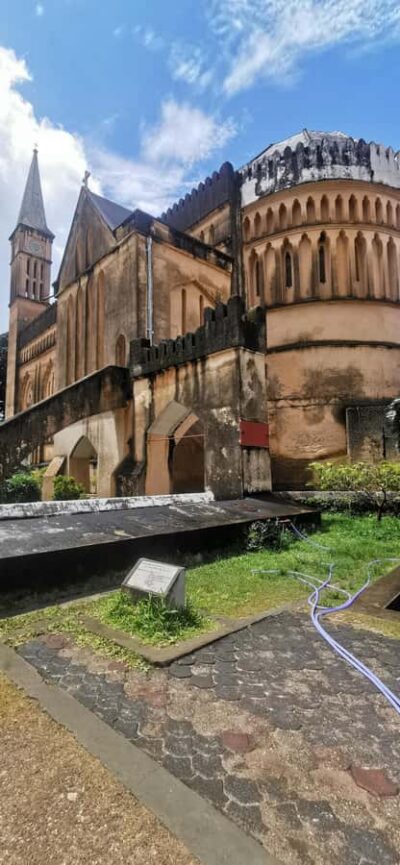
3 Hours Private Stone Town walking Tour with Guide
Read our review →
Stone Town Historical Cultural Walking Guided Tour
Read our review →
Stonetown: Food Markets and Street Food Walking Tour
Read our review →

Zanzibar full day Jozani forest + Spice farm and stone town
Read our review →
Browse the lists this tour appears in