

Reviewed · CULTURAL TOURS
Village Tour With Witch Doctor Visit
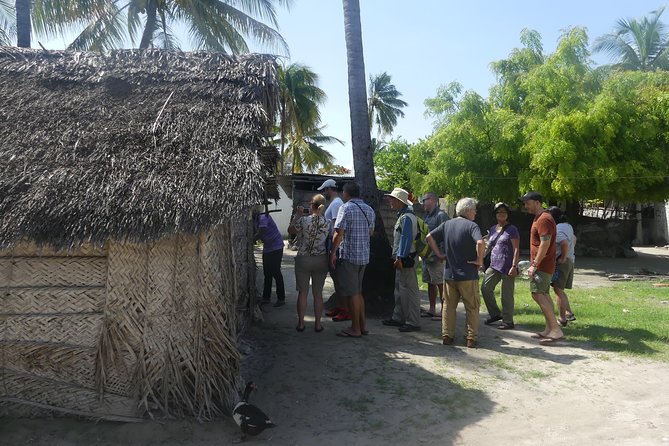
The most unusual part of this six-hour outing is the visit to a traditional healer who still uses natural medicine to help people. That visit gives the tour a human face, far beyond the usual beach-and-hotel view of Zanzibar. You also see practical village life through seaweed farming, handicrafts, school activity, and coconut-fiber rope making.
I like the private format, since you can ask questions without keeping up with a large group. I also like the home-cooked lunch, bottled water, air-conditioned transport, and the chance to meet people who live and work in Jambiani. The main drawback is the long transfer, about 90 minutes from the port according to one tour arrangement, so six hours includes a fair amount of road time.
Key points to know before you book

- Jambiani gives the tour its focus: You visit several working parts of village life rather than a single attraction.
- The traditional healer is the standout stop: He uses old natural medicine and is still actively helping people.
- You see women’s work and local crafts: The handicraft collective and coconut-husk rope demonstration connect daily work with local income.
- Transport is comfortable: Hotel or port pickup may be arranged, with an air-conditioned vehicle and bottled water.
- Lunch is included: A home-cooked meal is served without an extra charge.
- The private setup suits curious visitors: Your own group participates, and the guide can shape the pace and discussion.
Why this Jambiani village visit feels different
Zanzibar is easy to experience from a resort balcony or a beach excursion. Those can be pleasant, but they show only one slice of the island. This tour takes you into Jambiani, where the focus is on work, services, family life, and local skills.
You are not simply looking at scenery from a vehicle. You are meeting people connected to the village and seeing how useful things are made. The tour also touches on education, health care, farming, and traditional medicine. That range makes the day more meaningful than a quick craft demonstration followed by a photo stop.
The private format helps here. You travel only with your own group, so you can pause to ask about a process or request more explanation. A guide named Abdul has led some groups and lives in the village, which gives him a direct connection to the places you visit. That local link matters when you want more than a rehearsed speech.
Still, keep your expectations sensible. This is a village visit, not a staged cultural show with a long list of polished attractions. Some stops may be simple, and the pace may depend on the people working that day. That is part of the point, but it also means the experience can feel less tidy than a standard sightseeing tour.
More Cultural Tours in Zanzibar
- Zanzibar: Stone Town Historical Cultural Walking Guided Tour
★ 4.5 · 179 reviews - 4h-Quad Explore the Heart and Culture of Nungwi and Kendwa
★ 5.0 · 74 reviews - Mamas of Zanzibar – A Unique Cultural & Culinary Experience
★ 5.0 · 45 reviews
The road from Zanzibar City to Jambiani
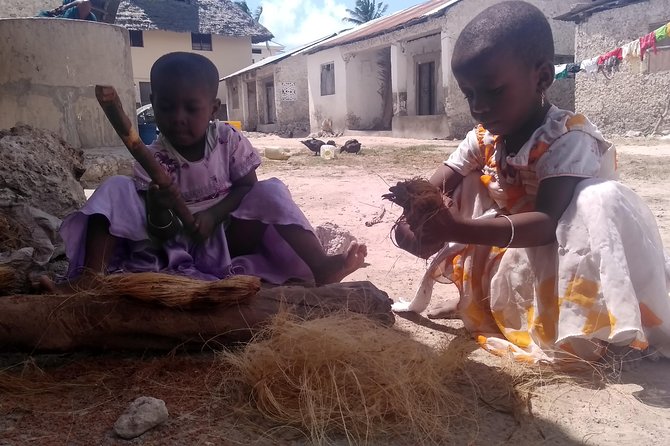
Pickup starts at 8:00 am. The tour offers pickup, and one arrangement included a driver waiting at the port. Another driver named Zahran was praised for handling the transfer, while a guide named Abdulkarm helped explain the day. Names and staff can vary, but the service is designed as a private outing with transport included.
The drive to the village can take about 90 minutes from the port. That is important when you plan your day. A six-hour tour does not mean six full hours walking around Jambiani, since some of the time is spent on the road.
The air-conditioned vehicle is a real benefit in Zanzibar’s heat. Bottled water is included, so you do not need to depend on finding a shop between stops. Wear light clothing and comfortable shoes, since the day combines driving with walking around local sites.
The route also makes the tour easier if you are staying in Zanzibar City or arriving by ship. Pickup details should be checked when you book, but the tour is designed to collect you rather than requiring you to find the village on your own.
Meeting the women’s handicraft collective
The women’s handicraft group is one of the most useful early stops. Instead of treating crafts as decoration only, the visit shows how handmade work can support local women and families.
You can expect to see the group’s work and learn about the people behind it. The information provided does not specify which items are made or whether purchases are expected, so do not arrive assuming there will be a particular product. The value is the conversation and the chance to see a working local group.
If shopping is offered, ask about prices and how the money is used. Keep the tone friendly and respectful. You are entering a place connected to people’s daily work, not walking through a market built solely for tourists.
This stop may be especially worthwhile for anyone interested in community projects, textiles, or small-scale business. It also gives the tour a practical angle. You are seeing how local skills can become a source of income, rather than only hearing broad statements about culture.
Seaweed farming and the work behind the beach
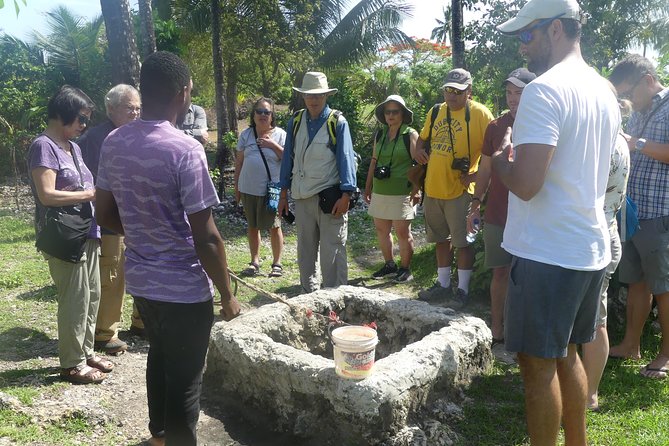
Seaweed farming is another strong part of the visit. Zanzibar’s coast is famous for its beaches, but seaweed harvesting shows that the water is also a workplace.
The tour introduces you to this activity as part of village life. You learn that the shore is not only a place for swimming and photographs. It supports work, food, and income. The details of the farming process are not specified, so the exact views and demonstrations may depend on conditions on the day.
This is one reason the tour works well for people who want to understand the connection between coastal life and the local economy. You can ask the guide how the work is organized, who takes part, and how the harvest is used. With a private guide, those questions are easier to fit into the visit.
The stop may feel less dramatic than a major monument. Its strength is context. It helps you see Jambiani as a living community, not simply a scenic strip beside the Indian Ocean.
More cultural days in Zanzibar:
- Stone Town Guided Tour: Culture, Slave Market & Spice Market
★ 4.8 · 44 reviews - Zanzibar: Maasai village Tour with Sunset Dhow Cruise
★ 4.3 · 32 reviews - Stone Town Historical and Cultural Walk with Ally Jape
★ 5.0 · 23 reviews - Cultural Walking Tour through Stonetown, a UNESCO World Heritage Site
★ 4.5 · 14 reviews
A look at the local school and hospital
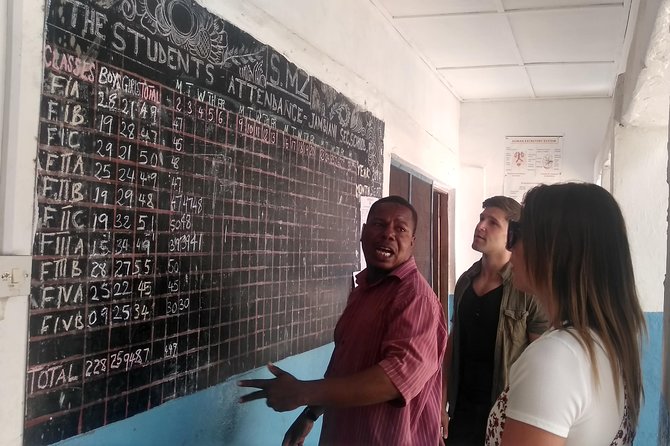
The school and hospital visits shift the focus from work to public services. They give you a chance to see parts of community life that are usually invisible on a beach holiday.
The school visit can help you understand how children’s daily lives differ from the resort setting nearby. The hospital visit adds another practical layer, showing where people seek care. The supplied details do not promise a guided medical tour or access to every part of either facility. Expect an introduction and a chance to learn, not a formal museum visit.
Be considerate at both locations. A school and a hospital are working places, and people may be busy. Ask before taking photographs, especially around children or patients. That is basic courtesy, and it helps keep the visit respectful.
I see these stops as valuable because they prevent the tour from becoming a string of craft displays. You are looking at the institutions that support a village. At the same time, visitors who prefer scenery, wildlife, or architecture may find these stops less exciting.
Making rope from coconut husk fibers
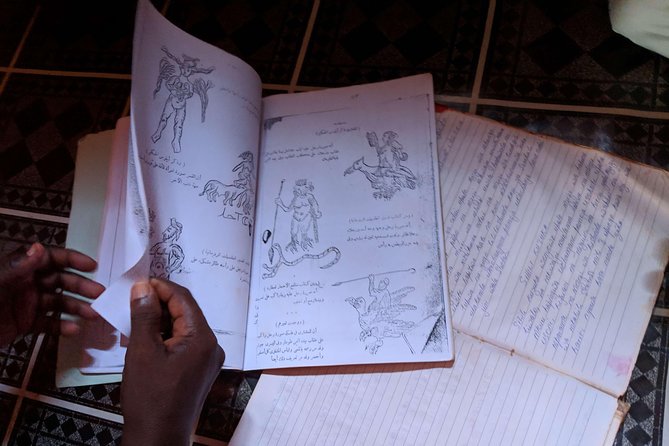
The coconut-rope demonstration is a small but memorable detail. A local woman shows how rope is made from coconut husk fibers, turning a familiar tropical material into something useful.
This kind of activity explains more than a finished souvenir can. You see the labor and hand skill behind an everyday object. It also gives you a clear example of how villagers use materials available around them.
The demonstration is not described as a long workshop, so you should not assume you will make a full length of rope yourself. The main purpose is to watch the process and understand the technique. If you are interested, ask whether you can try a step, but follow the guide’s instructions and the maker’s wishes.
Families and hands-on learners may enjoy this stop most. It is simple, direct, and easy to remember. For a six-hour tour, these modest details often stay with you longer than a long spoken explanation.
Meeting the traditional healer

The traditional healer is the tour’s most distinctive stop. He uses old natural medicine and continues to help people, so the visit is connected to living practice rather than a display of objects from the past.
You will learn about the remedies and approach used by the healer. One person reported that an herbal treatment helped a chronic headache, but that is a personal account, not medical proof. Do not treat any remedy as a substitute for professional medical care, and tell the guide about allergies or health concerns before accepting anything.
The right attitude is curiosity with care. Listen to how the healer describes natural medicine, ask respectful questions, and avoid treating the visit as a joke or a spectacle. The word witch doctor can sound theatrical in English, but the person you meet is described as a working traditional healer who helps local people.
This stop can be particularly meaningful if you want to understand how older practices continue beside modern services such as the hospital. It also raises useful questions about health, belief, and local knowledge. If you prefer strictly conventional attractions, you may find this visit uncomfortable or less appealing.
Lunch, water, and the practical comforts
Lunch is included at no extra charge, and it has been described as home cooked. That is a welcome part of the day, especially after the drive and village walking.
The exact menu is not provided, so you should not book expecting a named dish. If you have dietary needs, ask before departure. The information confirms lunch but does not state that special diets can be accommodated.
Free bottled water is also provided. Zanzibar’s heat can catch you off guard, and having water in the vehicle removes one small worry. You should still dress for warm weather and bring any personal items you need for the day.
The air-conditioned vehicle adds comfort during the 90-minute transfer. This is not a luxury detail to ignore. Without it, the road journey could feel tiring before the village visits even begin.
Is $96 a fair price?
At $96 per person, the tour costs more than a basic transfer or a short village walk. The price makes more sense when you count the private vehicle, guide, pickup, bottled water, lunch, and a full six-hour schedule.
You are also paying for access to several parts of Jambiani life in one organized day. Arranging transport from Zanzibar City, finding a local guide, locating a handicraft group, and making respectful introductions would be difficult on your own. The private format adds value if you want to ask questions and keep your group together.
The value is weaker if your main goal is simply to reach a beach or spend the day at a low cost. You could find cheaper activities that require less driving. This tour earns its price through contact with local work and services, not through a grand attraction or a long list of included tickets.
Group discounts may be available, which could make the per-person cost more attractive for families or friends. Since the activity is private, it is best suited to people who care about the subject and will use the chance to ask questions.
Who should book this village tour?
I would recommend it to you if you want a practical look at Zanzibar beyond hotels. It suits curious adults, families with older children, students of culture, and anyone interested in crafts, farming, local services, or traditional healing.
It is also a good choice if you are arriving at the port and want a planned day with transport. The private setup makes it easier for a mixed group to ask different questions without holding up strangers.
You may want to skip it if you dislike long road transfers, prefer a tightly timed sightseeing program, or want a day built around beaches and swimming. The school and hospital visits require respectful behavior, and the healer visit may not suit everyone.
The overall rating is 4.6 from nine ratings, with five-star scores highlighting the local contact, the guides, the comfortable transfer, and the home-cooked lunch. Those strengths fit the design of the tour: it is about people and daily work, not polished entertainment.
Booking details worth checking
Confirmation is provided when you book. The tour starts at 8:00 am, lasts about six hours, and is a private activity for your group only. Mobile tickets are supported, and service animals are allowed.
Most people can participate, and the tour is near public transportation, though pickup is offered. If you need a particular pickup point, confirm it in advance, especially if you are coming from the port.
Free cancellation is available up to 24 hours before the start time for a full refund. Changes or cancellations made less than 24 hours before the start time are not accepted for a refund, and the cut-off follows local time.
Should you book the Jambiani village experience?
Book it if you want to see how people in Zanzibar work, learn, make things, and care for one another. The women’s collective, seaweed farming, school, hospital, coconut-rope craft, and traditional healer create a broad picture of village life in one day.
The strongest reason to go is the human contact, especially with a guide such as Abdul who is connected to the village. The strongest reason to hesitate is the road time and the fact that some stops may feel simple rather than spectacular.
For $96, I consider it a sound choice for a private, locally focused day, especially when lunch, water, transport, and guiding are included. Go with an open mind, ask thoughtful questions, and treat the village as a working community rather than a performance. That is where the tour offers its real value.
FAQ
Where does the tour take place?
The tour takes place in Jambiani, Zanzibar, with pickup offered from Zanzibar City or another agreed location.
What time does the tour start?
The stated start time is 8:00 am.
How long does the tour last?
The tour lasts about six hours.
Is transportation included?
Yes. Pickup is offered, and transport is provided in an air-conditioned vehicle.
Is lunch included in the price?
Yes. Lunch is served at no extra charge. The meal is described as home cooked, but no specific menu is provided.
What will I see in Jambiani?
You will visit a women’s handicraft group, see seaweed farming, visit a local school and hospital, watch rope being made from coconut husk fibers, and meet a traditional healer who uses natural medicine.
Is this a private tour?
Yes. Only your group participates in the activity.
Can I cancel for a full refund?
Yes, if you cancel at least 24 hours before the experience start time. Cancellations or changes made less than 24 hours before the start time are not eligible for a refund.
Just added around Zanzibar
- Walking in Stone Town with a Expert Tourguide★ 3.7 · 3 reviews
- Stone Town Tour★ 5.0 · 16 reviews
- Jet Ski Experience from Kendwa Beach★ 5.0 · 21 reviews
- Turtle Snorkeling, Jozani Forest, Kuza Cave, Rock Restaurant★ 3.7 · 8 reviews
- Zanzibar boat rental/charters★ 5.0 · 6 reviews
- Prison island(Changuu island) & stone town walking tour★ 5.0 · 6 reviews
- Full Day Private Zanzibar Triple Delight Tour★ 4.5 · 3 reviews
- Zanzibar Tumbatu Island Cultural Experience★ 5.0 · 4 reviews
Cultural Tours, compared.
Stone Town Historical Cultural Walking Guided Tour
Read our review →
Arusha Guided Walking City Tour, Culture, Lifestyle & History
Read our review →
4h-Quad Explore the Heart and Culture of Nungwi and Kendwa
Read our review →
Materuni Waterfalls, Visiting Chagga Village, CoffeeTour Kikuletwa Hotsprings
Read our review →
The Best/Top Rated Cultural City Tour in Dar es Salaam
Read our review →
Mamas of Zanzibar – A Unique Cultural & Culinary Experience
Read our review →
Stone Town Guided Tour: Culture, Slave Market & Spice Market
Read our review →
Hidden Arusha Waterfall, Coffee & Village Tour (All-Inclusive)
Read our review →Browse the lists this tour appears in