Reviewed · 3-DAY EXPERIENCES
Uluguru mountain overnight 2 nights 3 days
The best part of this three-day Uluguru hike is the way it joins mountain walking with Luguru culture. You do not simply climb, take a photo, and leave. You visit Choma village, swim beneath a waterfall, learn about traditional food and crafts, and spend nights in the hills above Morogoro.
I like the small maximum group of 15 and the strong local focus. I also like that guides such as Evans, also written as Evance in the tour details, bring in birds, animals, plants, Kiswahili practice, and village life rather than treating the mountain as only a fitness test.
The main consideration is effort. You need good physical fitness, and the second day includes a five to six-hour walk to Bondwa Peak and back. Camping is included, but airport transfers, general transfers, and alcohol are not.
Key points at a glance
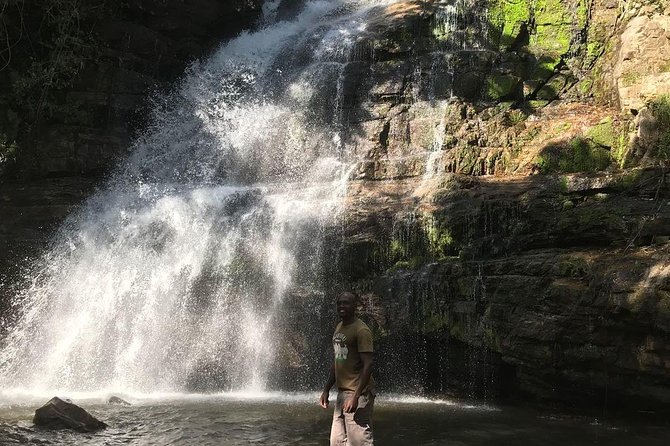
- Choma Waterfall on day one: Walk roughly two and a half to three hours each way, then swim in cool mountain water.
- Luguru customs and traditions: Take part in pot making, mat weaving, traditional food, dance, and storytelling.
- Bondwa Peak at 2,080 meters: A demanding out-and-back hike with broad views over the Morogoro area.
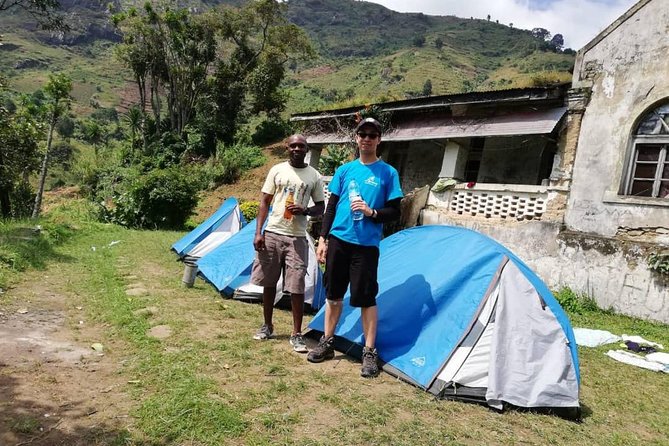
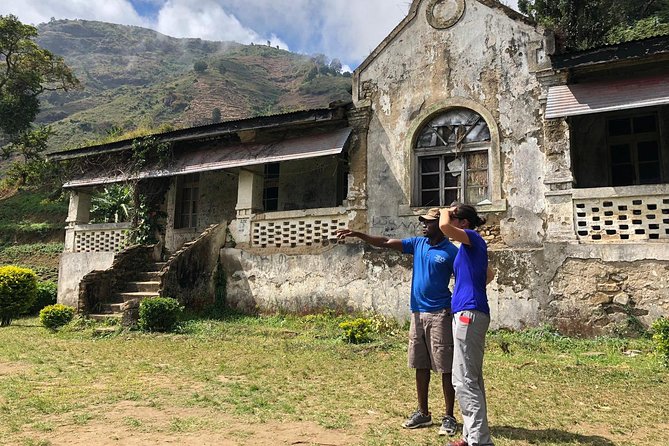
- Two nights in the mountains: Camp near Choma village and later at Morning Side or the old German settlement.
- Good wildlife potential: The area may bring sightings of birds, primates, a three-horned chameleon, and other wildlife.
- A practical price: At $175.34 per person, the package covers permits, six meals, and two nights of mountain-based activity, but not transport to the start.
Why Uluguru feels different from a standard mountain trek
The Uluguru Mountains rise in eastern Tanzania, about 200 kilometers west of Dar es Salaam along the Dar es Salaam to Mbeya highway. Their ridges run roughly north to south, with the highest point reaching 2,638 meters above sea level.
This trip does not attempt that highest summit. Instead, it combines the Choma area with Bondwa Peak at 2,080 meters. That makes the experience less about chasing a single summit and more about seeing how people, farms, forests, waterfalls, and mountain paths fit together.
The range forms part of the Eastern Arc Mountains, which extend from Kenya’s Taita Hills toward Tanzania’s Udzungwa Mountains. The Uluguru area became a Nature Reserve on November 7, 2008, to protect its ecosystem and unusual biodiversity.
That context matters when you are walking. The mountain is not simply empty wilderness. It is also home to Luguru communities, whose connection with the Uluguru Mountains reaches back more than 500 years. The cultural visits are therefore part of the place itself, not a separate entertainment stop added to the hike.
More three-day trips in Morogoro Region:
- SAFARI WILDLIFE 3 DAYS 2 NIGHT FROM ZANZIBAR TO MIKUMI
★ 4.5 · 19 reviews - 3 DAYS, 2 NIGHTS SAFARI FROM ZANZIBAR TO MIKUMI BY FERRY.
★ 4.9 · 17 reviews - 3 Days / 2 Nights Mikumi Safari by SGR Train from Zanzibar
★ 4.5 · 5 reviews
Day one: Choma Waterfall, village life, and a mountain camp
The first morning begins at 9:30 a.m. from the hotel or meeting point in Morogoro. You walk toward Choma Waterfall and Choma village, with the one-way journey taking about two and a half to three hours.
That timing makes the first day approachable, but do not mistake approachable for easy. A three-hour mountain walk before lunch requires stamina, especially in warm weather. You should arrive ready with suitable walking shoes, water, sun protection, and clothes you do not mind getting wet.
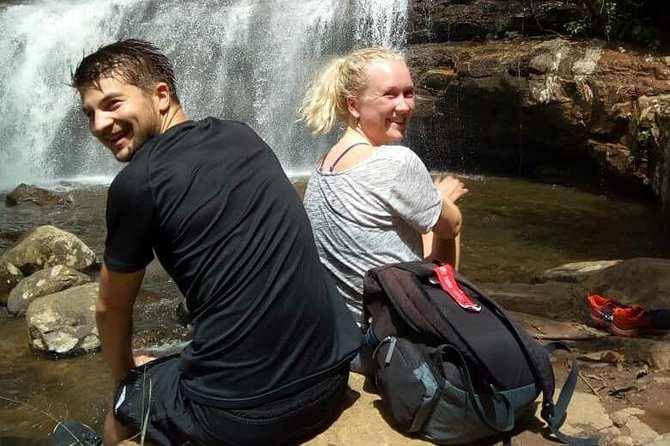
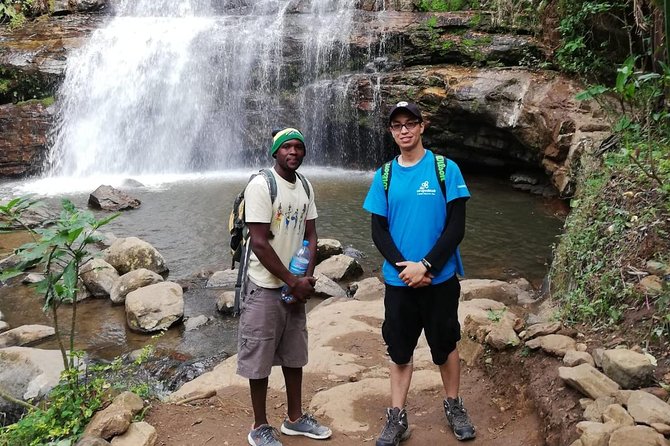
Choma Waterfall is the day’s natural reward. After the walk, you can swim in the cool water before heading to the camping area for lunch. Swimming is optional, so you can simply enjoy the setting if you prefer not to enter the water.
The order of the day is sensible. You get the physical work done first, cool off at the waterfall, then eat before the cultural activities begin. I would not plan this as a rushed photo stop. The value is in giving yourself time to sit, listen, and take part.
After lunch, the focus shifts to Luguru traditions. Activities may include:
- Pot making
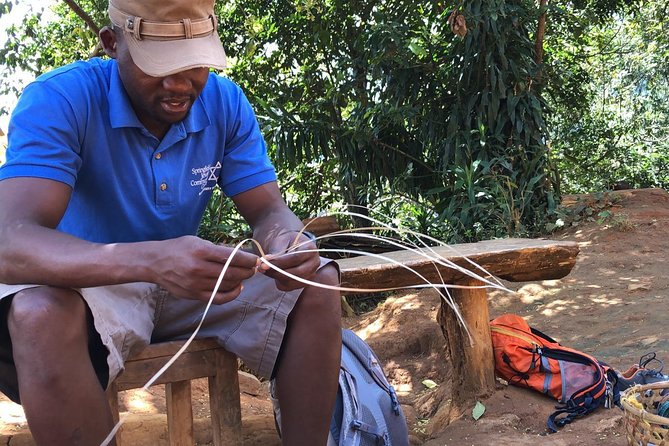
- Mat weaving
- Traditional food preparation
- Traditional dance
- Luguru storytelling
These activities give the trip its strongest sense of place. You can see practical skills rather than just hearing a short explanation about local culture. Storytelling also helps explain how Luguru people have lived in these mountains over many generations.
The traditional food is included as part of the meal plan, with two lunches, two dinners, and two breakfasts covered during the trip. The supplied details do not list exact dishes, so you should not book expecting one named specialty. Instead, expect food to be part of the cultural exchange and mountain routine.
Dinner follows the activities, and you spend the night at the camp. The listing describes the first day as lasting 21 hours, which appears to be a timing error rather than a literal schedule. The useful point is clear: day one begins in the morning, includes the walk, waterfall, lunch, cultural activities, dinner, and an overnight stay.
Day two: Bondwa Peak and the old German settlement
Breakfast is scheduled for 7:45 a.m. on the second morning. After eating, you set out for Bondwa Peak, which reaches about 2,080 meters above sea level.
The round trip takes approximately five to six hours. This is the most demanding walking section, and you should treat it as a serious mountain day. The distance is not the only factor. The route gains height, and the return walk still requires energy after you have reached the viewpoint.
The reward is the view from Bondwa Peak. The exact sightline depends on weather and conditions, but the height gives you a strong sense of the Uluguru ridges and the Morogoro area below. Several people who have taken this trip especially valued the peak views and the sunset viewpoint near the overnight area.
You return toward Morning Side or the old German settlement, where camping is planned. After arriving, lunch gives you a chance to recover before the afternoon visit to strawberry farms around Morning Side.
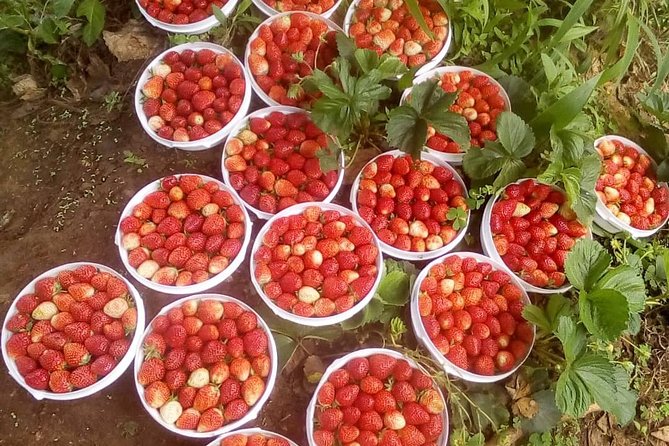
That farm visit adds a useful change of pace. After a long uphill walk, you are not immediately pushed into another major climb. Instead, you see one of the ways people use the mountain’s cooler highland conditions.
The route also offers chances to notice wildlife. The experience has been associated with sightings or identification of birds, primates high in the trees, a three-horned chameleon, and a green mamba snake. These are possibilities, not guarantees, and a snake sighting should be treated with respect and distance.
A guide such as Evans can add real value here. His role is not just to keep the group on the path. The available guide feedback describes him identifying birds and animals, explaining the environment, and helping with the practical details of a three-day hike. The name is spelled both Evans and Evance in the supplied information, so confirm your assigned guide when booking.
After the farm visit, you return for dinner and the second night in the mountains. The overnight setting is one of the stronger parts of the trip, especially if you want a mountain experience without committing to a much longer expedition.
Day three: Walking back to Morogoro
Breakfast is scheduled for 8:00 a.m. on the final morning. You then start walking back to Morogoro town.
The supplied information gives no exact duration for this descent or return route. That is worth clarifying before you book, especially if you have a fixed onward departure. The activity ends back at the meeting point, listed at 17/II in Morogoro.
A final walk into town gives the trip a natural ending. You do not simply drive away from the mountain after breakfast. You return on foot, completing the connection between the villages, high ridges, and town below.
Because transport is not included, you need to arrange your own journey to Morogoro and the starting point. Airport pickup is also excluded. This matters most if you are arriving directly from Dar es Salaam or connecting with a safari, beach stay, or long-distance bus.
Same corner of Morogoro Region, a completely different kind of day:
- Mikumi National Park Day Trip
★ 5.0 · 76 reviews - 2 Day Safari To Mikumi National Park + transfers from Dar Es Salam
★ 5.0 · 56 reviews - From Zanzibar: Mikumi Safari Day Trip with Flights and Meal
★ 4.5 · 54 reviews - Mikumi National Park in a Day – A Day Tour from Morogoro
★ 5.0 · 21 reviews
What the $175.34 price really covers
At $175.34 per person, the price is reasonable for a three-day mountain outing if you value the cultural program and camping as much as the walking.
The included items are:
- Nature reserve or hiking permit
- Two lunches
- Two dinners
- Two breakfasts
The package also covers the guided activity itself and the two overnight camping portions described in the schedule. You are paying for more than a day hike to a viewpoint. You get village visits, waterfall time, cultural demonstrations, a peak walk, farm visits, and meals across two nights.
Still, budget for the parts left out. Alcohol, airport pickup, and transfers are not included. The details also do not specify equipment rental, so ask directly if tents, sleeping gear, or other camping equipment are supplied or if you must bring your own.
The price looks best for someone already in Morogoro or able to reach the meeting point independently. If you need private transport from an airport, the total cost will be higher.
Fitness, group size, and what to pack
The activity requires a strong physical fitness level. The key test is day two, with five to six hours of walking to Bondwa Peak and back. Day one also involves up to six hours of walking if the estimated return time is accurate.
I would pack:
- Sturdy walking shoes
- A refillable water bottle
- Light clothes for walking
- Warm layers for the overnight mountain camps
- Swimwear and a towel for Choma Waterfall
- Sun protection
- A small daypack
- Personal toiletries and any needed medication
The exact gear list is not provided, so ask the operator what camping equipment is included. Keep your overnight load manageable. You want enough for two nights without turning the Bondwa Peak walk into a pack-carrying contest.
The group limit is 15 people. That is large enough for a social outing but small enough for a guide to keep the group together. If you prefer a private or very quiet walk, ask about group composition before booking.
The cultural side is the real strength
Many mountain trips reduce local culture to a quick village pass-through. This one gives it more time. Pot making, mat weaving, food, dance, and storytelling are built into the first overnight section.
That makes the experience especially useful if you want to understand the people who live in the Uluguru Mountains, not just photograph the ridges. You may also have opportunities to practice Kiswahili with local people, which can make the exchange feel more personal and less formal.
Approach the village activities with patience. The point is not to rush from one demonstration to the next. Watch how a craft is made, ask questions through the guide, and take part when invited. Photography should be handled respectfully, especially during dance, food preparation, or family settings.
The trip also presents Luguru culture as distinct from other Tanzanian traditions. That is an important reason to choose Uluguru over a generic forest walk. You get a regional experience tied to this particular mountain community.
Nature, views, and wildlife along the route
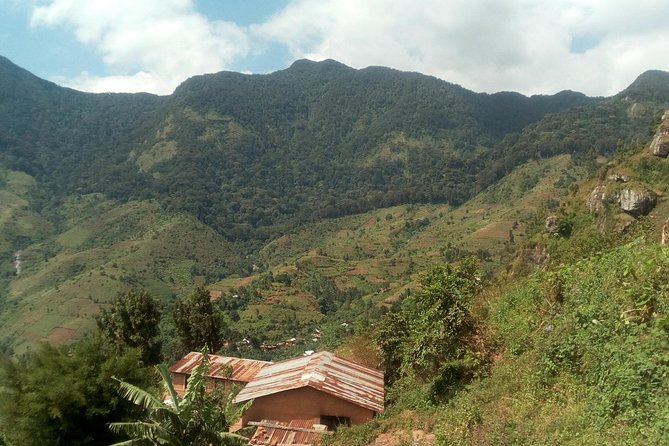
The Uluguru area is protected for its ecosystem and biodiversity. On the trail, you may notice unusual plants, birds, primates, and reptiles. The guide can help identify what you see, but wildlife is never guaranteed.
The three-horned chameleon is one of the more memorable possible sightings. Primates high in the trees and a green mamba have also been seen on mountain outings in the area. Keep your eyes open, but do not expect a safari-style parade of animals.
The views are more reliable than the wildlife. Bondwa Peak and the overnight viewpoints offer broad mountain scenery, especially when the air is clear. Sunset is another highlight near the camp, though weather can change quickly in the mountains.
The scenery is not the only reason to go. The combination of cool waterfall water, forest paths, high ridges, farms, and village life gives each day a different feel.
Booking, weather, and cancellation details
You receive confirmation when you book, and the activity operates Monday through Sunday from 7:00 a.m. to 4:30 p.m. The stated operating period runs through June 18, 2026.
You can cancel for a full refund up to 24 hours before the experience starts. Changes made less than 24 hours before the start time are not accepted, and cancellations inside that window are not refunded.
The hike needs suitable weather. If poor weather causes cancellation, you are offered another date or a full refund. The activity also requires a minimum number of participants, so a cancellation for that reason brings the same choice of another date, another experience, or a refund.
Should you book the Uluguru overnight hike?
I would book this if you want a physically demanding but culturally grounded mountain trip near Morogoro. It is a strong choice for fit hikers who care about village life, local food, traditional crafts, wildlife, and mountain views in equal measure.
I would hesitate if you need a precisely timed itinerary, private transport, or a soft hotel-based holiday. The schedule has a few unclear points, including the final walking time, camping equipment, and the odd 21-hour duration shown for day one. Ask those questions before paying.
For the price, the trip offers a lot: two nights, meals, permits, guided walking, Choma Waterfall, Luguru cultural activities, Bondwa Peak, and Morning Side farms. If Evans or Evance is your guide, you may also get useful help with birds, animals, plants, and local customs.
Choose Uluguru for the mix, not just the summit. The mountain walk is worthwhile, but the strongest memory is likely to be the connection between the trail and the people who have lived among these ridges for centuries.
FAQ
How long is the Uluguru mountain experience?
The experience lasts approximately three days and includes two overnight stays in the Uluguru Mountains.
Where does the tour start?
It starts at 17/II in Morogoro, Tanzania, and ends back at the meeting point.
What is included in the price?
The price includes a permit, two lunches, two dinners, and two breakfasts.
Is airport pickup included?
No. Airport pickup and transfers are not included.
How difficult is the hike?
You should have a strong physical fitness level. The Bondwa Peak walk takes about five to six hours there and back, and the Choma Waterfall walk takes about two and a half to three hours each way.
What cultural activities are included?
The program includes pot making, mat weaving, traditional food, traditional dance, and Luguru storytelling.
How large can the group be?
The maximum group size is 15 people.
Can I cancel for a full refund?
Yes. You can cancel at least 24 hours before the experience starts for a full refund. Poor weather or failure to meet the minimum number of participants may also lead to another date or a full refund.
Just added around Morogoro Region
- Uluguru Mountains Hiking To The Peak 2 Days 1 Night Camping★ 5.0 · 4 reviews
- 2 Days Morogoro- Selous Game Reserve(Nyerere national park)★ 4.5 · 8 reviews
- Mikumi National Park in a Day – A Day Tour from Morogoro★ 5.0 · 21 reviews
- Maasai Boma Cultural Tour★ 5.0 · 3 reviews
- Day trip Hiking to Uluguru Mountains-Choma Waterfalls★ 5.0 · 19 reviews
- Day trip tour to Choma Waterfalls★ 5.0 · 14 reviews
- A day trip to mikumi from morogoro★ 5.0 · 5 reviews
- Day Trip To Lupanga Peak★ 5.0 · 3 reviews
3-Day Experiences, compared.
3 Days Serengeti & Ngorongoro Group Camping Safari
Read our review →
3-Day Ngorongoro Crater Manyara and Tarangire Safari from Arusha
Read our review →
From Zanzibar: 3-Day Selous Safari Trip with Flights
Read our review →
3days Serengeti National park and Ngorongoro Crater Tanzania Safari
Read our review →