
Reviewed · STONE TOWN TOURS
Stone Town Foodie Walk
Stone Town’s best stories often arrive on a plate. This three-hour walk starts with traditional coffee at Forodhani Garden, then leads through narrow streets, a bakery, local food stops, and Darajani Market while your guide explains how African, Indian, Arab, and European influences shaped Zanzibar’s cooking. The food is the route map.
I like the small group limit of five, which gives you room to ask questions and makes local stops feel less rushed. I also like the generous tasting list for $40, especially the chance to try boflo bread, urojo, hand-pressed sugarcane juice, seasonal fruit, and snacks in one outing. The main thing to watch is the walking: you need moderate fitness, and hotel pickup can cost extra.
Key points at a glance
- Start with coffee at Forodhani Garden: Begin beside the Indian Ocean with traditional coffee and sweet snacks.
- Taste everyday Zanzibar food: Try boflo bread, Indian Zanzibar urojo, sugarcane juice, tropical fruit, and other small bites.
- Walk beyond the postcard streets: Your guide points out local food joints and takes you through inner Stone Town.
- Keep the group personal: Bookings are limited to five people, with private tours also available.
- Learn the food story: The walk connects Zanzibar’s dishes to the archipelago’s links with nearby regions and former colonizers.
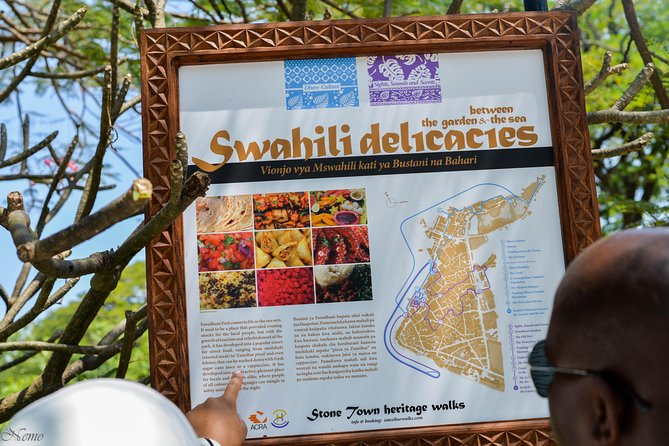
- Finish near Darajani: The route ends at Darajani, close to a busy market and more local food options.
Why Stone Town is best understood through food
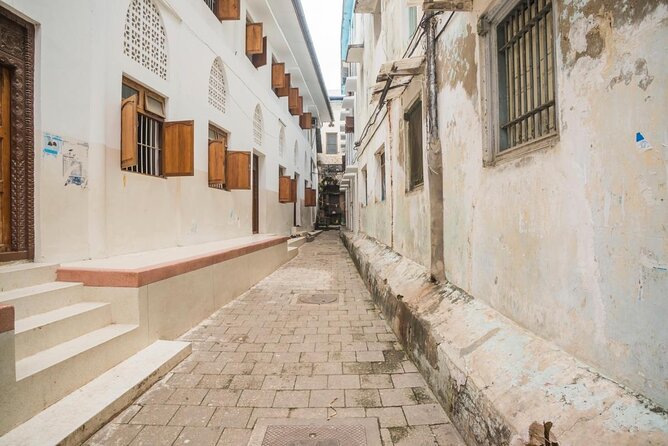
Stone Town can feel like a maze at first. Its lanes bend, narrow, and open into small squares with no clear sign telling you what matters. A food walk gives those streets a purpose. Instead of passing a bakery or market without context, you stop, taste, and learn why that food belongs in Zanzibar.
The tour focuses on the archipelago’s mixed food traditions. Zanzibar’s cooking has been shaped by local African traditions, Indian connections, Arab influence, and European colonial rule. Your guide does not simply point out old buildings. The aim is to show how food moved through the port and became part of daily life.
That makes this a useful first activity in Stone Town. You get an introduction to the city’s streets, local eating habits, and food vocabulary before choosing your own restaurants later. The walk is also a good fit if you would rather eat at modest local stops than spend the whole afternoon in a formal restaurant.
More Walking Tours in Zanzibar
- Stone Town Private Walking Tour
★ 5.0 · 371 reviews - Zanzibar: 3 Hours Private Stone Town walking Tour with Guide
★ 4.6 · 301 reviews - Zanzibar: Stone Town Historical Cultural Walking Guided Tour
★ 4.5 · 179 reviews
Starting at Forodhani Garden with coffee
The meeting point is Forodhani Garden, a clear and central place beside the Indian Ocean. The tour begins with a briefing over traditional coffee and sweet snacks, so you get time to meet the guide and understand the plan before setting off.
This opening matters because it eases you into Stone Town. You are not immediately pushed into a fast march through unfamiliar lanes. You start with a drink, a small bite, and a view across the water.
From there, the guide introduces the food influences found across Zanzibar. The exact pace can depend on the group and the stops, but the stated plan gives you around three hours on foot. Bring water, wear practical shoes, and avoid arriving after a large meal. One past participant’s most useful tip was to come hungry, since the tastings add up.
The tour includes bottled water, but you should still think of the outing as a long tasting walk rather than a quick snack stop. Lunch is not included as a separate meal. For many people, the food samples will be enough to cover most of the midday appetite, but that depends on how much you normally eat.
Boflo bread at a local bakery
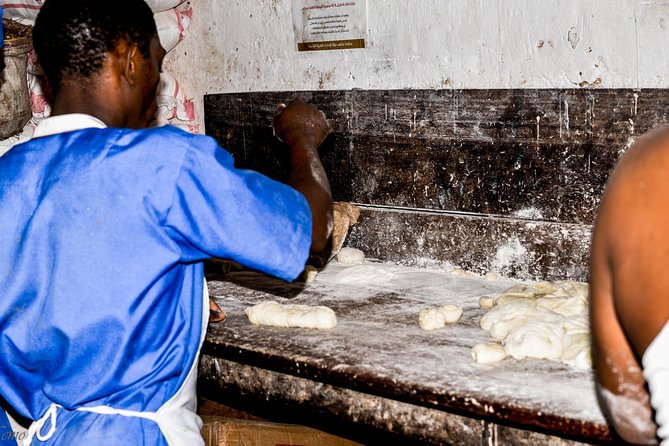
One of the early food stops is a local bakery for boflo bread. This is a useful choice because bread tells you a lot about ordinary eating habits. It is not a special-occasion dish designed only for visitors. You get a look at a familiar local food in the setting where it is made or sold.
The bakery stop also gives the guide a chance to explain how local food fits into daily life. You can ask questions about ingredients, preparation, and how people eat it. Since the group is small, you have a better chance of getting a direct answer than you would on a large coach tour.
Do not expect every stop to feel polished or staged. That is part of the point. The walk is built around local vendors and food joints, not a sequence of formal tastings in a restaurant. If you prefer a highly controlled menu with fixed portions and printed descriptions, this may feel informal.
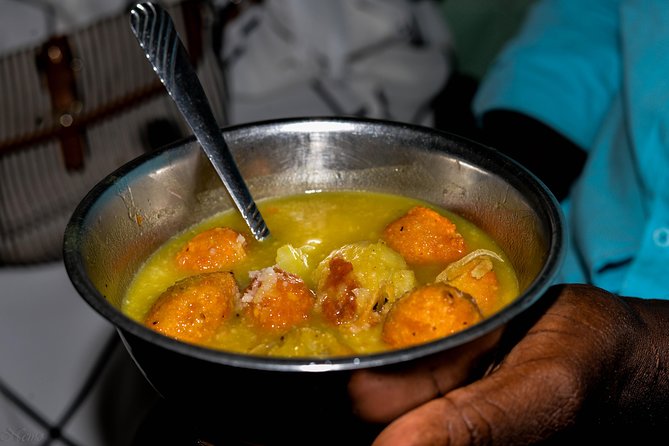
Urojo and the food links with India
The tasting of Indian Zanzibar urojo is one of the more distinctive parts of the route. Urojo is tied to Indian influence in Zanzibar, and the guide uses the dish to explain how ingredients, cooking methods, and trade connections shaped local food.
This is where the tour becomes more than a checklist of bites. You are not just trying something unfamiliar and moving on. You are learning why it appears in Zanzibar and how the island’s position in the Indian Ocean affected what people cooked and ate.
The dish may be unfamiliar to you, so listen to the guide’s explanation before deciding what you think. Food tours are most useful when they give you enough context to recognize flavors and ingredients later. If urojo suits you, the guide can also point you toward local food spots where you might find similar dishes after the tour.
More Stone Town walks:
- Zanzibar: Stone Town, Spice Tour, Prison Island with Lunch
★ 4.4 · 1,219 reviews - Zanzibar: Prison Island, Stone Town, & Spice Farm Tour
★ 4.5 · 579 reviews - Zanzibar; Prison Island, Nakupenda, StoneTown Tour with BBQ
★ 4.3 · 457 reviews - Zanzibar: Stone Town, Spice tour & Prison Island with Lunch
★ 4.6 · 453 reviews
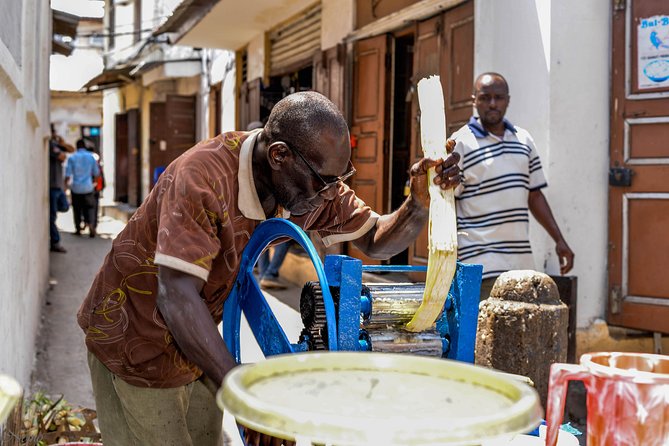
Hand-pressed sugarcane juice

The route includes a stop for hand-pressed sugarcane juice. This is the kind of drink that makes a walking food tour feel tied to place. You are tasting something prepared locally, rather than receiving a standard bottled drink found in any city.
The juice also offers a welcome break from walking. Stone Town’s lanes can require steady attention, with uneven surfaces and frequent turns. A cold or freshly prepared drink gives you a pause while the guide continues explaining the food scene.
The wording hand-pressed is important here. This is presented as a local preparation, not simply a packaged beverage. Still, the exact taste and serving conditions can vary by the day and vendor. Keep an open mind, and remember that this is a street-food style stop rather than a café visit.
Inner Stone Town and local food joints
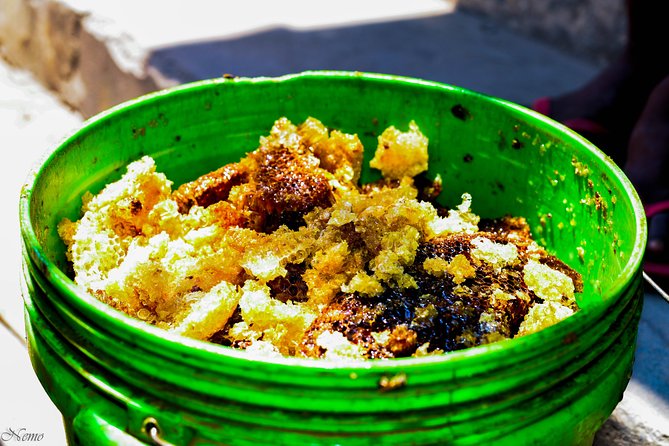
After the first tastings, the guide leads you through inner Stone Town. The value of this section is not only what you eat. It is the chance to see where local food is bought and consumed, and to learn which modest spots are worth noting for later.
A good guide can make this part especially useful. Haj is described as arriving early at the meeting point and taking care to explain both Stone Town’s past and its less obvious food stops. Mussawir is also named as a guide who gives a broad introduction to Zanzibar’s food and practical advice about the city.
The tour is not designed as a grand architectural walk, but Stone Town’s streets are part of the meal. The route gives you a sense of how food sellers fit into the old city and how easy it is to miss good local places if you only follow the main sights.
You should expect a fair amount of walking. The tour requires a moderate fitness level, and the surface may not always be comfortable in thin sandals. Casual clothing is fine, but your shoulders and knees should be covered to respect local culture. That advice is useful beyond this tour, since conservative dress is appropriate across Stone Town.
Seasonal fruit at the food market

The market stop brings another side of Zanzibar’s food culture into view. You will visit a busy food market and taste seasonal tropical fruit. The selection can change, since it depends on what is available at the time of your visit.
That changing menu is a strength. You are not being promised one fixed fruit in every season. Instead, you get a small lesson in what the island is producing and selling when you arrive.
Markets can be crowded and energetic, so stay close to the guide and keep your belongings secure. The small group helps here. With no more than five people, it should be easier to hear instructions and move together without blocking the narrow market spaces.
The market is also a practical place to ask about food prices, ingredients, and where to return later. The tour does not include a full lunch or transport to other attractions, so you may want to use the guide’s advice to plan your next meal after the walk.
A small group that changes the experience
The maximum of five people is one of the tour’s strongest features. Food walks work better when you can stop without a large crowd gathering around a vendor. You can ask about a dish, request clarification, or tell the guide about dietary preferences more easily in a small group.
The format can be private or shared, depending on the booking. Private hotel pickup in Stone Town is available at extra cost, and pickup from beach hotels also costs extra. The standard meeting point is Forodhani Garden, so check the pickup details carefully before booking.
A small group does not guarantee a completely private experience. It simply limits the size and keeps the guide’s attention closer to the people on the walk. For a food tour based on local stops, that is a meaningful advantage.
Is $40 good value for three hours?
At $40 per person, the tour is priced fairly for a guided three-hour walk with several tastings, bottled water, and a small group. You are paying for more than the food. The guide provides the route, local context, market introduction, and advice about places to eat afterward.
The value is strongest if you want to sample several dishes without guessing where to go. Boflo bread, urojo, sugarcane juice, fruit, coffee, and snacks could cost less if bought independently, but finding the right stops and understanding the food would take time.
The price is less attractive if you only want a full meal. Lunch is not included, and the samples are spread across the walk. You may still want another meal later, especially if you have a large appetite.
For a first Stone Town visit, I think the cost is justified by the small group and the amount of food included. The experience also helps you avoid spending your first day choosing restaurants at random.
Timing, transport, and what to wear
Plan on roughly two to three hours, with the advertised walk lasting about three hours. The meeting point is Forodhani, and the route ends at Darajani. That makes the walk convenient if you want to continue exploring the market or central Stone Town afterward.
Pickup is not automatically part of the basic price in every situation. Designated meeting-point pickup and drop-off may be available, while hotel pickup in Stone Town for private tours and pickup from beach hotels cost extra. Transportation to and from attractions is not included, so arrange your own way to the start unless your booking specifically includes a pickup option.
Dress for walking and local customs. Casual clothes are fine, but cover your shoulders and knees. Comfortable shoes are more important than stylish ones, and a small bottle of water is sensible even though bottled water is included.
Confirmation is provided at booking. The tour is not suited to someone who cannot manage a moderate amount of walking, and children must be accompanied by an adult. The child rate applies only when sharing with two paying adults.
Who should book the Stone Town Foodie Walk?
I would suggest this tour to you if you enjoy trying ordinary local food, asking questions, and walking through a city rather than viewing it from a vehicle. It is especially useful on your first day in Stone Town, when you want both an orientation and a list of places to eat later.
It also suits solo visitors and couples who prefer a personal guide but do not need a private luxury tour. The five-person limit keeps the outing friendly and manageable.
You may want to skip it if you dislike unfamiliar food, need a full sit-down lunch, or find three hours of walking difficult. The route is practical and local, not a polished culinary class. Some stops may feel simple, and the market can be busy.
Booking is flexible up to 24 hours before the start time, when you can cancel for a full refund. Changes or cancellations inside that window are not accepted for a refund.
Should you book it?
Book the Stone Town Foodie Walk if you want food to lead you through the city. The strongest reasons are the small group, the range of tastings, and the chance to learn from guides such as Haj or Mussawir while visiting places you might not choose on your own.
The main caution is to set your expectations correctly. This is a walking introduction to local food, not a formal lunch and not a private car tour. Arrive hungry, dress respectfully, wear good shoes, and confirm any hotel pickup fee before you pay. For $40, it offers a useful first taste of Stone Town, both in the bowl and on the street.
FAQ
How long does the Stone Town Foodie Walk last?
The tour lasts about two to three hours, with the planned walking tour taking approximately three hours.
How much does the tour cost?
The listed price is $40 per person.
Where does the tour start?
The tour starts at Forodhani in Stone Town, Zanzibar.
Where does the tour end?
The tour ends at Darajani in Stone Town.
What food and drinks are included?
The tastings include traditional coffee, sweet snacks, boflo bread, Indian Zanzibar urojo, hand-pressed sugarcane juice, seasonal tropical fruit, and other local snacks. Bottled water is also included.
How many people can join the tour?
The tour has a maximum of five people per booking and a maximum of five participants overall. Private tours are also available.
Is hotel pickup included?
Hotel pickup and drop-off may be available from designated meeting points. Pickup from Stone Town hotels on private tours and pickup from beach hotels cost extra. Transportation to and from attractions is not included.
What should I wear?
Casual clothing is suitable, but you should cover your shoulders and knees to respect local culture. You should also be comfortable walking for up to three hours.
Can I cancel the booking?
You can cancel at least 24 hours before the start time for a full refund. Cancellations or changes made less than 24 hours before the start time are not accepted for a refund.
Just added around Zanzibar
- Walking in Stone Town with a Expert Tourguide★ 3.7 · 3 reviews
- Stone Town Tour★ 5.0 · 16 reviews
- Jet Ski Experience from Kendwa Beach★ 5.0 · 21 reviews
- Turtle Snorkeling, Jozani Forest, Kuza Cave, Rock Restaurant★ 3.7 · 8 reviews
- Zanzibar boat rental/charters★ 5.0 · 6 reviews
- Prison island(Changuu island) & stone town walking tour★ 5.0 · 6 reviews
- Full Day Private Zanzibar Triple Delight Tour★ 4.5 · 3 reviews
- Zanzibar Tumbatu Island Cultural Experience★ 5.0 · 4 reviews
Stone Town Tours, compared.

Stone Town, Spice Tour, Prison Island with Lunch
Read our review →
Prison Island, Nakupenda, StoneTown Tour with BBQ
Read our review →
3 Hours Private Stone Town walking Tour with Guide
Read our review →
Stone Town Historical Cultural Walking Guided Tour
Read our review →
Stonetown: Food Markets and Street Food Walking Tour
Read our review →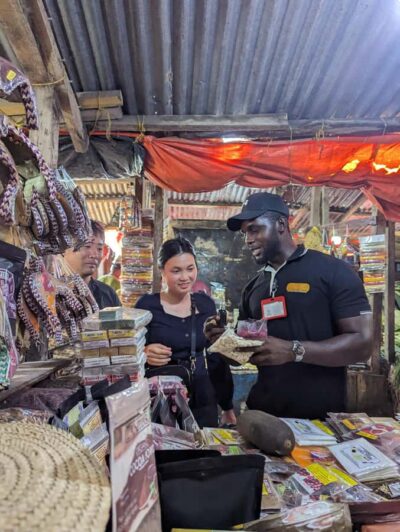

Zanzibar full day Jozani forest + Spice farm and stone town
Read our review →
Browse the lists this tour appears in