
Reviewed · STONE TOWN TOURS
Stone Town and Spice Tour in Zanzibar
Stone Town’s past and Zanzibar’s famous spices fit into one useful half-day outing here. You walk through the old city with a local guide, then ride to Jambo Spice Farm near Kizimbani, about 6 or 7 kilometers away. Guides named Mohamed, Ali, and Sayafri are associated with the experience, and the strongest praise centers on their clear explanations of Swahili culture and history.
I like the private transport and the sensible pairing of a city walk with a farm visit. I also like the local feel of the spice stop, which is described as interactive rather than a quick photo stop. The main catch is that the $68 price does not include the $8 slave-market admission or lunch, and five hours can feel tight if you want long visits at every stop.
Key points at a glance
- A private five-hour route: Your group travels together, with pickup offered and private transport between Stone Town and the spice farm.
- Slave-trade history in the old city: The former market and Anglican Cathedral provide the tour’s most serious historical stop.
- A working food market: Darajani Bazaar gives you a direct look at seafood, meat, grains, and spices used in daily life.
- A hands-on spice visit: Jambo Spice Farm near Kizimbani takes about two hours and is the longest stop.
- Several named guides: Mohamed, Ali, and Sayafri are specifically connected with the guiding team in the supplied information.
- Extra costs to plan for: The slave-market entry fee is $8, and lunch is available at the farm for an added charge.
Why this Stone Town and spice combination works
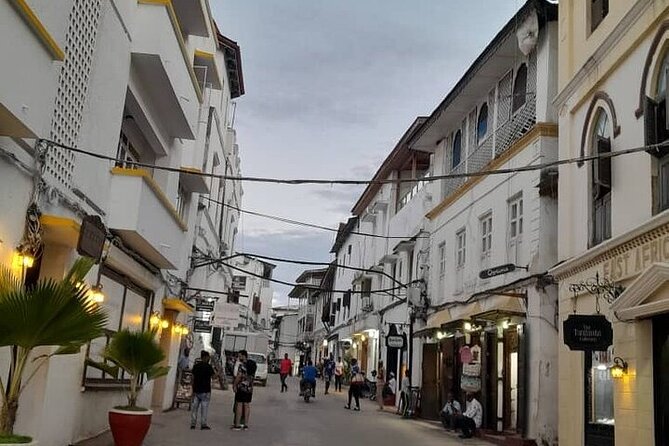
Stone Town can feel like a maze if you arrive without a plan. Narrow streets, old buildings, markets, and waterfront sights all compete for your attention. This tour gives you a clear route, beginning at the Old Fort at 8:30 a.m. and moving through the city before heading to the countryside.
That order makes practical sense. You get the walking portion done in the morning, then shift to private transport for the spice farm. The city section covers major sights, while the farm gives you a different side of Zanzibar. You are not spending the whole morning looking at buildings, and you are not treating the spice visit as an isolated stop.
The private format is one of the best reasons to consider it. Only your group takes part, so you can ask Mohamed, Ali, or Sayafri to explain a historical point again or clarify a detail about Zanzibar’s coastal culture. The experience is not described as a large group excursion with a fixed script.
Still, you should keep the schedule in perspective. The listed stops add up to roughly five hours before allowing much flexibility. If you linger at the market, spend extra time at the cathedral, or stop often for photographs, the day may run longer than the approximate duration.
More Stone Town walks:
- Zanzibar: Stone Town, Spice Tour, Prison Island with Lunch
★ 4.4 · 1,219 reviews - Zanzibar: Prison Island, Stone Town, & Spice Farm Tour
★ 4.5 · 579 reviews - Zanzibar; Prison Island, Nakupenda, StoneTown Tour with BBQ
★ 4.3 · 457 reviews
Starting at the Old Fort on Mizingani Road
The meeting point is the Old Fort on Mizingani Road, a straightforward place to begin in Stone Town. The activity starts at 8:30 a.m. and ends back at the same meeting point. Pickup is also offered, so confirm the exact arrangement when booking rather than assuming you must make your own way there.
The Old Fort, also called Ngome Kongwe or the Arab Fort, is among Stone Town’s major landmarks. The fort is described as the oldest building in the city and gives you an immediate introduction to Zanzibar’s layered past.
The planned visit here lasts about 20 minutes. That is enough for an orientation and a look at the fort, but not a long, slow exploration. I would treat it as a useful opening landmark rather than the main event.
Because the tour returns to the Old Fort, you do not need to arrange a separate endpoint. That is helpful if you have plans later in the day or need a known location for your next activity.
The former slave market and Anglican Cathedral
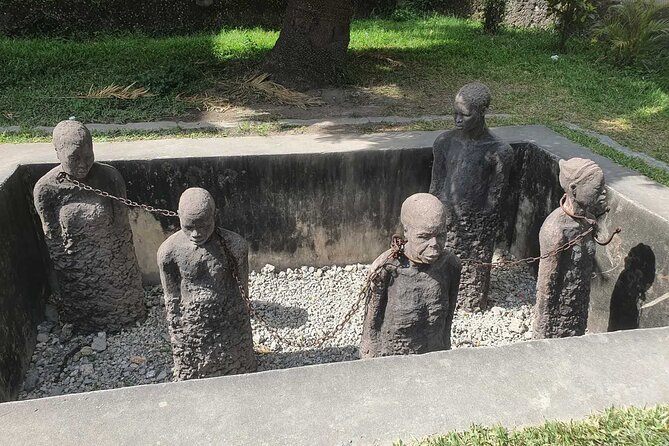
The Old Slave Market and Anglican Cathedral are the most serious part of the Stone Town walk. This site marks the location of one of the largest slave markets in the world, and the cathedral occupies an important place in that difficult story.
The scheduled visit lasts about 50 minutes. That gives the guide time to explain the site, connect it to Zanzibar’s coastal trade, and discuss the people affected by the slave trade. The guides are praised for covering human history, Bantu communities, and the people of the coastal zone, so you can expect more than a quick landmark description.
Admission is not included. The stated cost is $8, so add it to the tour price when working out your real budget. The general inclusion of all fees and taxes does not cover this particular entry charge, and that distinction is worth noting before you book.
This stop may be uncomfortable, but it gives the day weight. Stone Town is not only a pretty collection of old doors and waterfront buildings. Its prosperity was tied to trade, power, and slavery. A good guide can help you understand that past without turning the visit into a rushed list of dates.
Darajani Bazaar and everyday Zanzibar
Next comes Darajani Bazaar, an old market built by Bomanjee for Sultan Ali. You get about 40 minutes here, with no admission charge.
The market focuses on food: seafood, meat, grains, and spices. This is the kind of stop that helps you see how the city functions beyond its historic facades. The smells and products may tell you as much about daily life as the grander buildings do.
Forty minutes is enough for a guided walk and a close look at the main sections, but it is not a long shopping session. If you hope to browse every stall or buy several spices, ask the guide how much free time is possible. The tour is designed to show you the market, not to provide an open-ended market morning.
The bazaar also prepares you for the spice farm later. In Stone Town, spices appear as part of commerce and food. At the farm, you see them in a more rural setting and learn more about the plants themselves.
More spice farm tours in Zanzibar:
- Zanzibar: Stone Town, Spice tour & Prison Island with Lunch
★ 4.6 · 453 reviews - Full-Day Private Stone Town +Spice Farm and Prison Island Tour
★ 4.5 · 216 reviews - Spice Tour + Stone Town Tour + Prison Island
★ 4.5 · 130 reviews - Zanzibar: Spice Tour & Stone Town Walking Tour
★ 4.8 · 115 reviews
Forodhani Gardens and the waterfront landmarks
Forodhani Gardens receives about 30 minutes. The historic garden is near the waterfront and offers views toward the House of Wonders, one of Stone Town’s best-known buildings.
This is a shorter stop, so expect an introduction and time to look around rather than a full architectural visit. The value comes from placing the garden and House of Wonders within the old city’s central story.
The stop can also give the walking route a change of pace. After the serious subject of the slave market and the sensory intensity of Darajani Bazaar, a waterfront garden offers a little breathing room before the next landmarks.
The House of Wonders is included as something you will see, not as a separate interior visit. Keep that distinction in mind if you are specifically seeking an inside tour of the building.
Freddie Mercury’s Stone Town connection
The Freddie Mercury Museum stop lasts about 40 minutes and includes Shangani Street. Freddie Mercury, the famous singer of Queen, was born in Zanzibar Town, and this part of the route connects his early life with the old city.
The visit is described as a chance to see his house and the museum. The listed price does not identify a separate admission charge for this stop, so confirm any entry details when booking if going inside the museum matters to you.
This is a lighter part of the morning, but it adds variety. You move from slavery and trade to music, neighborhood history, and a modern cultural figure known around the world. Shangani Street also gives you another view of Stone Town’s street plan and older buildings.
Forty minutes is generous enough for an introduction, photographs, and questions. If Freddie Mercury is a major reason you are interested in the tour, ask how the time is divided between the museum and the street walk.
A two-hour visit at Jambo Spice Farm
The final major stop is Jambo Spice Farm near Kizimbani, about 6 or 7 kilometers from Stone Town. Private transport is included, which makes this part easier than arranging a separate taxi after a long city walk.
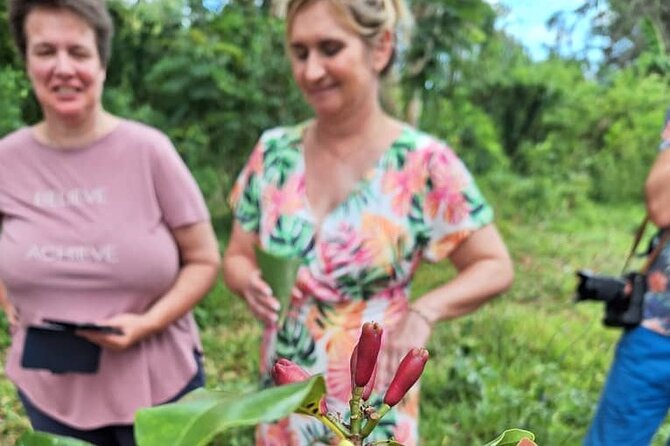
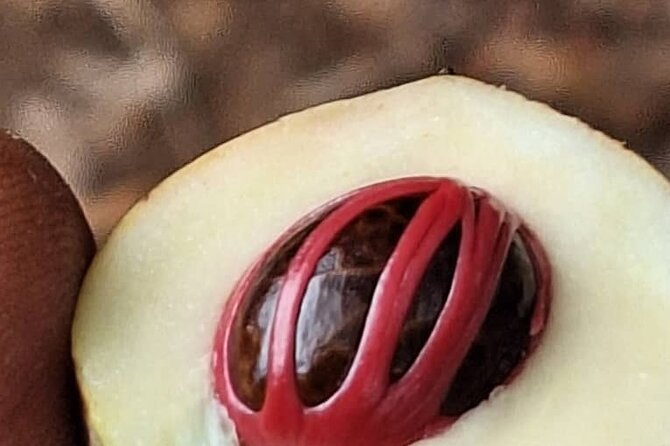
The farm visit is scheduled for two hours, making it the longest single stop. You learn about spices and take part in an interactive visit run by local people. That hands-on element is important. You are not simply looking at labeled plants from a distance. The experience is meant to help you understand the spices associated with Zanzibar in a direct, practical way.
The farm also shifts the setting from dense historic streets to a more open agricultural area. The tour information does not promise a particular meal, tasting menu, or harvest activity, so I would not book it expecting a full cooking class. Think of it as a guided spice education with time to explore.
Lunch is not included, but you can arrange lunch at the spice farm before or after the tour. That option may make the half-day outing more convenient, especially if you have no meal planned afterward. Confirm the price and timing in advance, since the stated $68 does not cover it.
What the $68 price really buys you
At $68 per person, the value depends on how much you would otherwise pay for separate transport and guiding. The fee includes private transportation, all stated taxes and fees, and admission to Jambo Spice Farm. It also combines a guided Stone Town route with a countryside visit, which saves you from organizing two activities.
The slave-market entry fee is separate at $8. Lunch is also extra. If you add both, your actual cost will be higher than the headline price, but you still receive private transport and a full half-day program.
The price is easier to justify for a small group that values its own vehicle and guide. If you are alone, it may feel less economical than joining a larger city walk, though this activity’s main advantage is personal attention. If two or more people are booking together, the private format becomes more appealing.
The tour is also useful early in a Zanzibar stay. It gives you historical context for Stone Town and introduces the spice trade before you spend more time elsewhere on the island. On a tight schedule, the combination is efficient.
Guides and the quality of the explanation
The guide can shape this experience more than any single landmark. Mohamed is specifically praised for explaining the history of Stone Town and the slave trade. Ali is associated with historical explanations about Zanzibar and the coastal zones. Sayafri is described as considerate, modest, and willing to offer more than expected.
You should still confirm which guide will lead your departure. The supplied information names several guides, but it does not guarantee one particular person for every booking.
The most useful quality to seek is not speed. It is the ability to connect the places. At the slave market, you want context. At Darajani, you want an explanation of what is being sold. At the spice farm, you want to understand how the plants relate to Zanzibar’s identity and economy.
The private format gives you a better chance to ask those questions. Use it. Ask about the coastal communities, the city’s trade connections, and the difference between seeing spices in a market and seeing them at the farm.
Who should book this experience
I would recommend this tour to someone visiting Zanzibar for the first time who wants a compact introduction to Stone Town and the spice trade. It suits couples, families, and small groups that prefer a private guide and vehicle.
It is also a good fit if you want history with your sightseeing. The former slave market is not a decorative stop, and the guides are noted for discussing human history, Bantu people, and coastal communities. This gives the city walk more substance than a simple landmark circuit.
You may want a different plan if you prefer a slow day with long visits inside museums and buildings. Six listed stops plus transport in about five hours creates a fairly full schedule. It is also not the best match if you want lunch, shopping, or photography to take up most of the morning.
Most people can participate, according to the supplied information, and the meeting point is near public transportation. The activity is private, but pickup details should be confirmed directly.
Cancellation and booking details
You receive confirmation at booking. Free cancellation is available if you cancel at least 24 hours before the 8:30 a.m. start time. Cancellations or changes made less than 24 hours before the start are not accepted for a refund, and the cutoff follows local Zanzibar time.
That policy is fairly simple, but pay attention to the local-time rule if you are arranging the tour from another country. Also confirm the guide, pickup point, slave-market admission, and lunch before the day begins.
Should you book the Stone Town and Spice Tour?
Book it if you want a private, well-packed introduction to Zanzibar, especially if you value guides who explain the city’s difficult past as well as its food and spice culture. Mohamed, Ali, and Sayafri are the names to ask about, and the two-hour Jambo Spice Farm visit gives the day a strong second half.
Skip it if you want a slow Stone Town visit or if the extra $8 admission and optional lunch would stretch your budget. For most first-time visitors with only half a day available, though, the combination of old-city history, Darajani Bazaar, Forodhani Gardens, Freddie Mercury’s connection, and a local spice farm makes the $68 base price a practical choice.
FAQ
How long does the Stone Town and Spice Tour last?
The tour lasts approximately five hours. The listed stops include about three hours in Stone Town and two hours at Jambo Spice Farm, with private transport between the city and farm.
Where does the tour start and end?
It starts at the Old Fort on Mizingani Road in Zanzibar, Tanzania, at 8:30 a.m. The activity ends back at the same meeting point.
Is pickup available?
Yes. Pickup is offered, but you should confirm the exact pickup arrangement when booking.
Is the tour private?
Yes. Only your group participates in the private activity, and private transportation is included.
Is admission to the old slave market included?
No. Admission to the slave market costs $8 and is not included in the tour price.
Is lunch included?
No. Lunch is not included, but lunch can be arranged at the spice farm before or after the tour for an additional charge.
What is the cancellation policy?
You can cancel up to 24 hours before the experience start time for a full refund. Cancellations or changes made less than 24 hours before the start are not accepted for a refund.
Just added around Zanzibar
- Walking in Stone Town with a Expert Tourguide★ 3.7 · 3 reviews
- Stone Town Tour★ 5.0 · 16 reviews
- Jet Ski Experience from Kendwa Beach★ 5.0 · 21 reviews
- Turtle Snorkeling, Jozani Forest, Kuza Cave, Rock Restaurant★ 3.7 · 8 reviews
- Zanzibar boat rental/charters★ 5.0 · 6 reviews
- Prison island(Changuu island) & stone town walking tour★ 5.0 · 6 reviews
- Zanzibar Tumbatu Island Cultural Experience★ 5.0 · 4 reviews
- Full Day Private Zanzibar Triple Delight Tour★ 4.5 · 3 reviews
Stone Town Tours, compared.

Stone Town, Spice Tour, Prison Island with Lunch
Read our review →
Prison Island, Nakupenda, StoneTown Tour with BBQ
Read our review →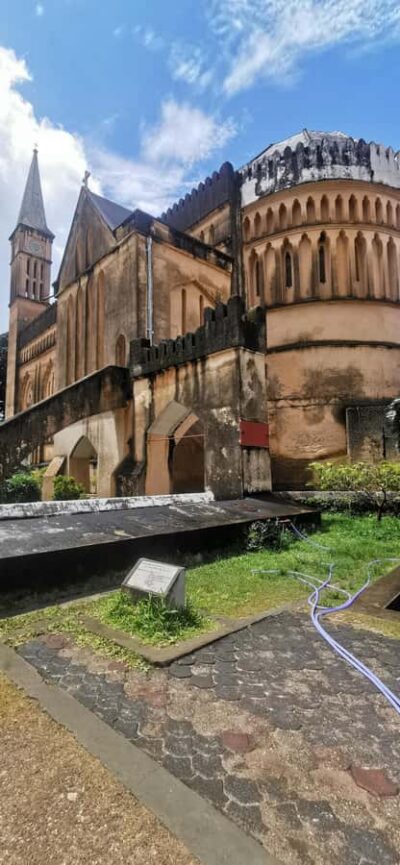
3 Hours Private Stone Town walking Tour with Guide
Read our review →
Stone Town Historical Cultural Walking Guided Tour
Read our review →
Stonetown: Food Markets and Street Food Walking Tour
Read our review →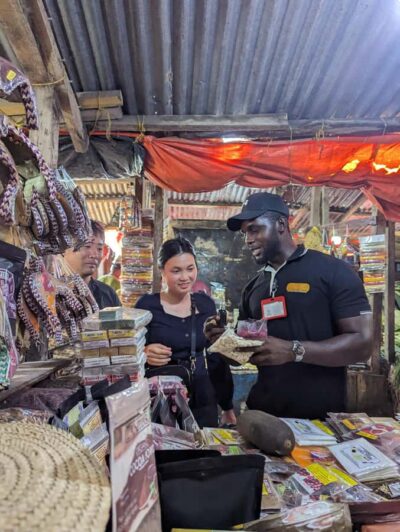
Zanzibar full day Jozani forest + Spice farm and stone town
Read our review →
Browse the lists this tour appears in