
Reviewed · CULTURAL TOURS
Safari & Culture
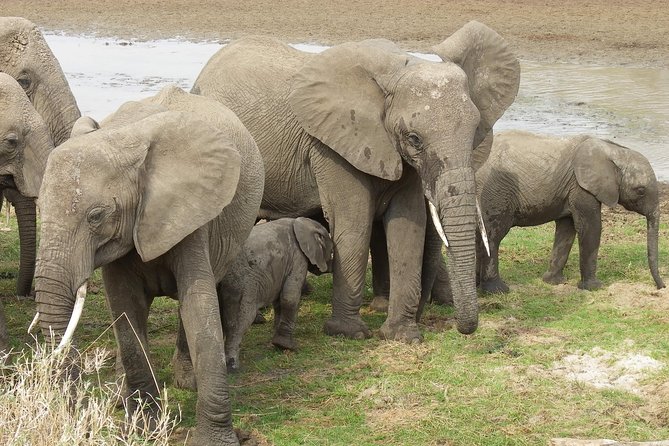
The rare feature here is the combination of classic safari and living culture. In six days, you move from Tarangire’s giant baobabs and elephant herds to the open Serengeti, then meet Hadzabe bushmen and Datoga artisans near Lake Eyasi. You get more than a wildlife checklist.
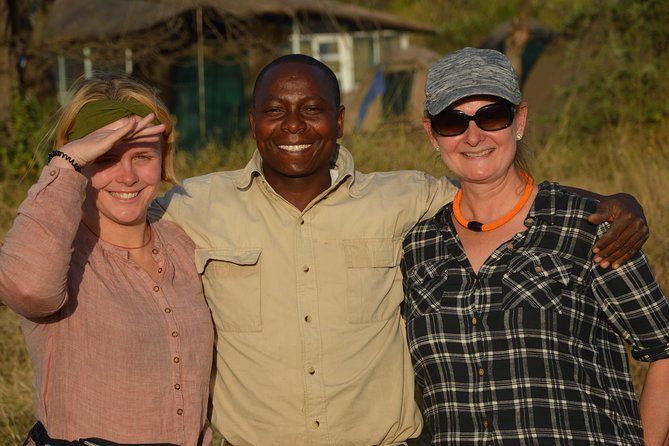
I especially like the private format, since your group can focus on its own pace, and the chance to spend a full day in Serengeti rather than rushing through. I also like the guide experience associated with this company: Joseph is described as having 20 years of driving in Tanzania’s parks, while Roussagé is praised for his animal, bird, and plant knowledge. The trade-off is simple: this is a busy six-day route with several very long drives, including a 10-hour day to Serengeti.
Key points at a glance
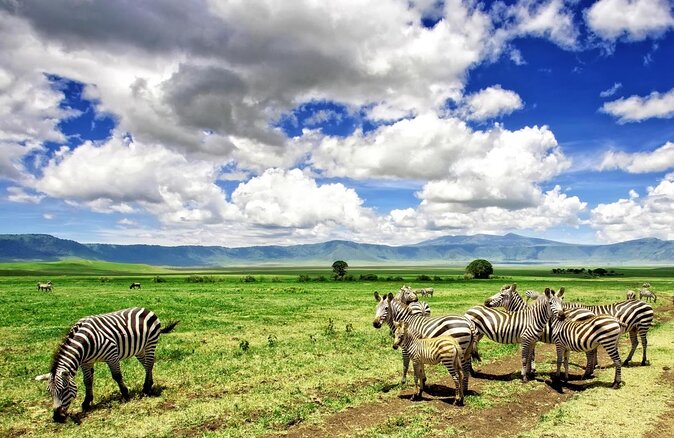
- Tarangire’s elephant country: See a park shaped by the Tarangire River, with baobabs, acacias, and varied vegetation.
- A full Serengeti game drive: Spend a dedicated day looking for lions, leopards, elephants, rhinos, buffaloes, hippos, and plains animals.
- Ngorongoro from rim to crater floor: Descend into a 260-square-kilometer caldera with year-round water and a high concentration of wildlife.
- Lake Eyasi cultural visit: Meet Hadzabe people and see the Datoga working metal and making jewelry with local tools.
- Private touring: Only your group participates, which gives the trip a more personal feel.
- A demanding schedule: Expect early starts, rough-road driving, packed lunches, and long days in the vehicle.
Why this six-day route works
This trip is built for someone who wants Tanzania’s major safari names without giving the entire holiday to wildlife drives. You see three famous natural areas, then use a day near Lake Eyasi for direct cultural contact. That mix gives the journey a better rhythm than six straight days of looking through a vehicle window.
The route begins and ends in Arusha. Pickup is offered, and the published operating hours run from 6:00 a.m. to 7:00 p.m., Monday through Sunday. The experience is private, so you are not placed with a large mixed group. That matters on safari, where the people in your vehicle affect everything from photo stops to how long you wait beside an animal.
The price is $2,572.31 per person. That is a serious cost, but a private six-day trip through several major parks can offer good value if the price includes the stated accommodation, park access, meals, transport, and guide services. The information provided does not spell out every inclusion, so ask for a written breakdown before paying. Ngorongoro admission is specifically listed as not included, which is an important extra to clarify.
More Cultural Tours in Arusha
- Arusha Guided Walking City Tour, Culture, Lifestyle & History
★ 5.0 · 150 reviews - Arusha; Walking City Tour History, Culture & Lifestyle
★ 4.9 · 63 reviews - Hidden Arusha Waterfall, Coffee & Village Tour (All-Inclusive)
★ 5.0 · 42 reviews
Day 1: Tarangire and its giant baobabs
Your first drive from Arusha to Tarangire takes about two to three hours. The park day lasts around eight hours, so this is not just a quick stop on the way to somewhere else.
Tarangire is named for the river that runs through it. That river is described as the only water source available to animals in the area, which helps explain the park’s strong wildlife appeal. The varied terrain includes nine growth zones, with open savannah, acacia trees, and large baobabs. Here, the trees can be as memorable as the animals.
The park is especially known for elephants, including some of the largest elephants in the world. You should keep your camera ready, but do not let the search for a close animal make you miss the setting. Tarangire’s appeal comes from the contrast between broad grassland, sculptural trees, and wildlife moving through it.
This is a good first day because it gives you an immediate sense of northern Tanzania without the long transfer that comes later. It is still a full safari day, so you may feel the early start and vehicle time by evening. Ask your operator what meals and drinks are supplied for this day, since the published details do not specify them.
Day 2: The long road into Serengeti
After breakfast and checkout, you head toward Serengeti through the high country around Ngorongoro. The drive takes about 10 hours, including time for a packed lunch. This is the hardest transfer of the trip, but it is also one of the most interesting.
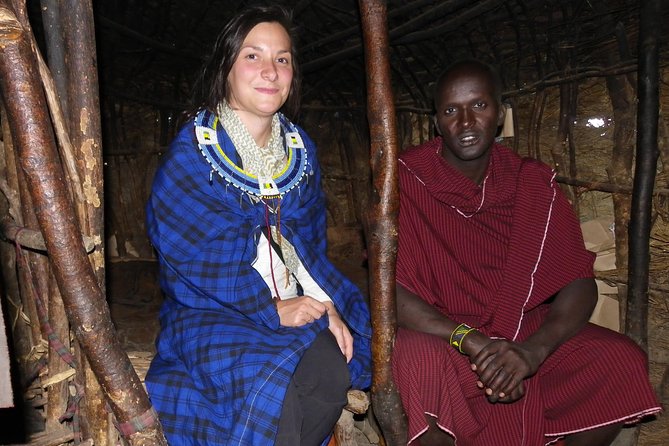
The route passes through hilly plateaus where Maasai communities live in round huts and cattle share the open country with zebras, wildebeest, and giraffes. That setting gives you a glimpse of how people and animals occupy the same broad region, rather than treating the parks as isolated islands.
Once inside Serengeti, the scale changes. The park covers about 14,750 square kilometers, with grasslands, savannah, river forests, and woodlands. The Maasai name is commonly translated as the place where the land runs on forever, and you will understand why when the horizon keeps unfolding beyond the vehicle.
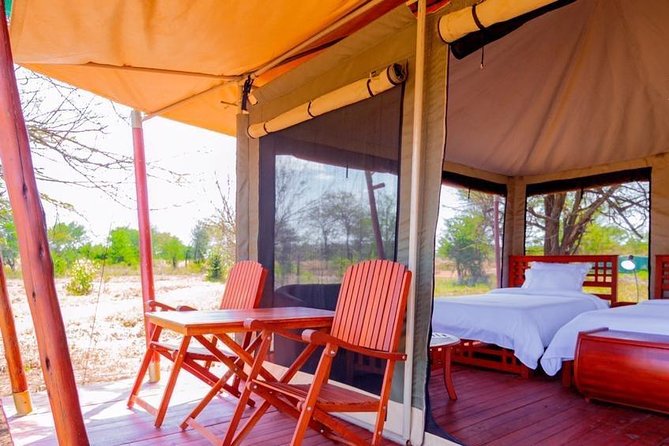
You spend the night at Dik-dik Campsite. Since camping details can vary, confirm whether this means a staffed tented camp, a basic campsite, or another form of accommodation. That small question matters after a long day on the road.
Day 3: A full day on the Serengeti plains
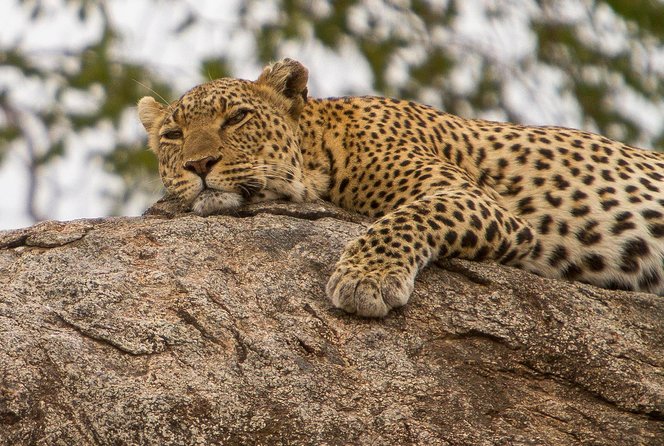
A dedicated game-drive day is one of this tour’s strongest choices. You are not trying to see Serengeti between breakfast and a departure. You have time to search.
The stated goal is the Big Five: lions, leopards, elephants, rhinos, and buffaloes. Sightings are never guaranteed, so treat the list as a target rather than a promise. You may also see Thomson’s gazelles, Grant’s gazelles, topi, eland, warthogs, ostriches, eagles, and other plains animals. Hippo pools add a different kind of wildlife stop, with animals that can be heard and smelled before they are fully seen.
The Serengeti ecosystem is described as one of the oldest in the world. You do not need a lecture to feel its age. Sitting in a Land Cruiser while the grassland stretches around you gives the day a quiet, spacious quality that is very different from a short zoo-like animal encounter.
Guide quality matters most here. Joseph is described as having driven in Tanzania’s parks for 20 years and knowing Serengeti, Ngorongoro, and Tarangire well. Roussagé is praised for identifying animals, birds, and plants and for positioning the vehicle well for photography. These names come from the company’s guide team, not a guarantee that one of them will lead your trip, so confirm the assigned guide before booking.
The overnight stay is at Embalakai Tented Camp. A full day in Serengeti followed by a tented camp gives the journey a classic safari feel, but you should still ask about tent facilities, electricity, meals, and bedding before departure. Those details are not supplied here.
More Safaris in Arusha
- 4 Days Group Camping Safari
★ 5.0 · 1,101 reviews - 5 Days Group Camping Safari
★ 5.0 · 730 reviews - 7-Day Premium Luxury Tanzania Safari All-Inclusive
★ 5.0 · 426 reviews - 8 Days Great Wildebeest Calving Migration Safari from Arusha
★ 5.0 · 254 reviews
Day 4: Down into Ngorongoro Crater
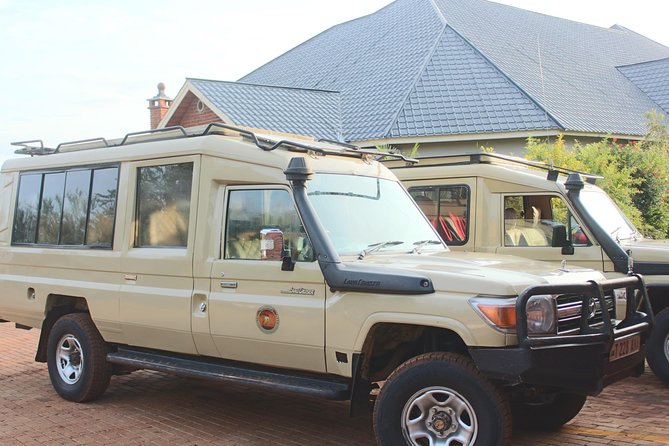
The morning drive to Ngorongoro takes about two hours. The route first reaches the crater area, then passes through lush rainforest before descending to the floor. The change from high, green forest to open crater country is one of the most striking transitions on this itinerary.
Ngorongoro is the world’s largest intact caldera, with walls rising roughly 600 meters above the 260-square-kilometer floor. The rim sits around 2,200 meters above sea level, so even though you descend into the crater, you remain at considerable altitude.
The crater supports about 25,000 animals and 350 bird species, with water available throughout the year. That permanent water supply helps explain the concentration of wildlife. You have a strong chance of seeing a wide mix of animals in a relatively compact area, although no safari can promise a particular sighting.
The day is listed at around 10 hours. That includes the approach, descent, game viewing, and return or onward travel. Ngorongoro admission is not included in the stated price, so budget for that separately and ask about any other park or conservation charges.
One practical point: crater roads can be rough, and the early departure means you should be ready for a long day. The payoff is the sense of entering a natural bowl, with the rim visible above you and animals spread across the floor.
Day 5: Hadzabe life and Datoga metalwork
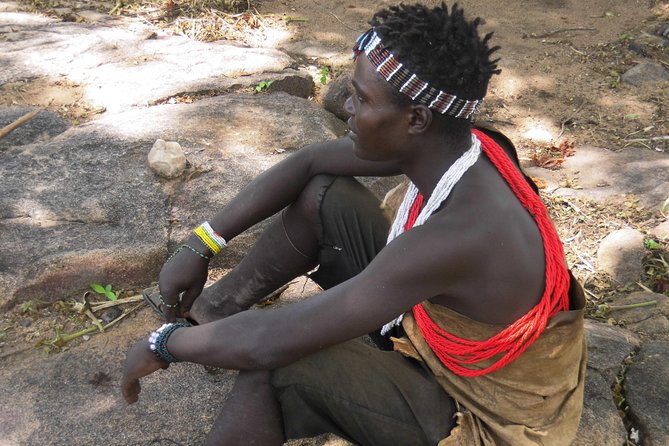
This is the day that separates the tour from a standard northern Tanzania safari. You leave very early with a breakfast box and drive about an hour to Lake Eyasi, where you visit Hadzabe and Datoga communities.
The Hadzabe visit focuses on their daily life and hunting traditions. The description says you have time to experience their way of life and hunt with them. That kind of encounter needs a respectful attitude. Follow the guide’s instructions, ask before taking photographs, and remember that this is a community visit, not a staged wildlife show.
You then continue to the Datoga people, where local craftspeople demonstrate metalwork and jewelry making with basic tools. This offers a useful contrast to the safari days. Instead of watching animals adapt to their habitat, you see people using practical skills passed through their community.
After the visit, you drive back for a hot lunch in Karatu town. The day lasts about eight hours, but the early start may make it feel longer. The cultural portion is valuable because it gives context to northern Tanzania beyond parks and lodges. At the same time, the experience is brief, so do not expect a detailed anthropological program. It is a focused introduction during an already full trip.
Day 6: Returning to Arusha
After breakfast, you drive back to Arusha, a journey of about three hours. Shopping is planned along the way, which gives you a chance to buy souvenirs before returning home.
The final day is much lighter than the Serengeti transfer or crater day. Still, confirm your departure timing before scheduling a flight or onward transport. The listed duration is approximate, and road conditions or shopping stops can affect the arrival time.
Ending in Arusha makes the tour practical for a trip that begins there. It also means you do not need to arrange a separate return transfer from a remote park.
The private format and guide question
Only your group participates, which is a major advantage if you value privacy or want the vehicle to match your interests. A wildlife photographer may want more time with a leopard or bird. Another person may prefer moving on to find elephants. A private group makes those conversations easier.
The guide is the most important variable. The strongest guide details associated with this company are Joseph’s stated 20 years of park-driving experience and Roussagé’s skill with wildlife, birds, plants, and photo positioning. The company has also been praised for flexible service and for guides who know the parks well.
Ask three questions before booking: Who will guide this departure? What vehicle will be used? What exactly is included in the price? The supplied information confirms a Land Cruiser in the safari description, but it does not give vehicle specifications, seating capacity, or luggage limits.
Is $2,572.31 good value?
The price can make sense if it covers the major moving parts of a private safari: transport from Arusha, guide, park visits, overnight stays, meals, and cultural activities. Six days across Tarangire, Serengeti, Ngorongoro, and Lake Eyasi packs a lot into one route.
Do not judge the price only by the number of parks. Ask how many nights are included, what type of accommodation is used, and which admission fees are extra. Ngorongoro is specifically excluded from the listed admission fees, so the final cost will be higher than the headline amount.
I would also ask about drinks, airport transfers, tips, and the Lake Eyasi community visit. None of those details are fully explained. A clear written answer lets you compare this tour fairly with other private safaris.
The price is easier to justify for two or more people sharing a private vehicle, for a first safari that needs a complete route, or for someone who values the cultural day as much as the animal sightings. It may feel high if you want a simple budget camping trip or prefer to spend most of the time in one park.
Who should book this safari?
You should consider it if you want a compact northern Tanzania route with both wildlife and local culture. It suits first-time safari visitors, couples, photographers, and small private groups who want a guide focused on their interests.
It is less suitable if you dislike early mornings, rough roads, long drives, or changing camps. Day 2 is especially demanding, and the safari days can run for eight to 10 hours.
The cultural visit also requires an open mind. You are not simply watching a performance. You are entering a community setting and should behave with care and patience.
Free cancellation is available if you cancel at least 24 hours before the start time. Changes or cancellations inside that period are not accepted for a refund. The experience depends on good weather, and a weather cancellation should result in a different date or full refund.
Should you book it?
Book this tour if you want the big northern Tanzania parks but also want one meaningful day outside the standard safari pattern. The combination of Tarangire elephants, a full Serengeti day, Ngorongoro’s crater floor, and Hadzabe and Datoga visits is the main reason to choose it.
Before paying, confirm your guide, accommodation, meal plan, vehicle, and all extra park fees. If those answers are clear and you can handle the long driving days, this is a well-rounded private introduction to Tanzania.
FAQ
Where does the tour begin and end?
The tour begins in Arusha and returns to Arusha on Day 6. Pickup is offered.
How long does the experience last?
The tour lasts approximately six days.
Is this a private tour?
Yes. Only your group participates in the activity.
Which parks are included in the route?
The route visits Tarangire National Park, Serengeti National Park, Ngorongoro Crater, and the Ngorongoro Conservation Area. It also includes a cultural visit near Lake Eyasi.
What cultural experiences are included?
You visit Hadzabe communities near Lake Eyasi and spend time learning about their life and hunting traditions. You also visit the Datoga people to see jewelry and metalwork made with local tools.
Is the Ngorongoro admission fee included?
No. Ngorongoro admission is listed as not included, so you should confirm the extra charge before booking.
Can I cancel for a full refund?
You can cancel at least 24 hours before the experience starts for a full refund. Cancellations or changes made less than 24 hours in advance are not accepted for a refund. If poor weather cancels the experience, you should be offered another date or a full refund.
Just added around Arusha
- From Arusha: 11 days The Classics Northern Tanzania safari★ 5.0 · 11 reviews
- 6-Day Mount Meru Climb through Momella Route Guided Tour★ 5.0 · 5 reviews
- Private Day Trip to Arusha National Park with a Walking Safari★ 5.0 · 4 reviews
- From Arusha : 11-day Amazing North Tanzania safari tour★ 5.0 · 4 reviews
- Walking Day Tour to Safari in Arusha National Park★ 5.0 · 5 reviews
- 2 Days Tanzania Midrange Group Join Safari★ 5.0 · 7 reviews
- Best 5 Days Tanzania Private Luxury Safari with luxury Lodges★ 5.0 · 12 reviews
- Waterfall & Coffee Walking Tour★ 5.0 · 6 reviews
Cultural Tours, compared.

Stone Town Historical Cultural Walking Guided Tour
Read our review →
Arusha Guided Walking City Tour, Culture, Lifestyle & History
Read our review →
4h-Quad Explore the Heart and Culture of Nungwi and Kendwa
Read our review →
Materuni Waterfalls, Visiting Chagga Village, CoffeeTour Kikuletwa Hotsprings
Read our review →
The Best/Top Rated Cultural City Tour in Dar es Salaam
Read our review →
Mamas of Zanzibar – A Unique Cultural & Culinary Experience
Read our review →
Stone Town Guided Tour: Culture, Slave Market & Spice Market
Read our review →
Hidden Arusha Waterfall, Coffee & Village Tour (All-Inclusive)
Read our review →Browse the lists this tour appears in