
Reviewed · STONE TOWN TOURS
Private Walking Tour Of Stone Town
Stone Town is best understood on foot, one shaded lane and carved wooden door at a time. This private walk takes you from Forodhani Gardens through palaces, markets, churches, forts, and narrow streets shaped by African, Arab, Indian, Persian, and European influences. The rooftop stop at Maru Maru Hotel adds a useful view of the town’s tightly packed roofs and the sea beyond.
I like the private format, since Nas can adjust the pace and answer your questions instead of following a fixed group script. I also like the mix of grand landmarks and everyday Zanzibar, especially Darajani Bazaar and the quick stop at Freddie Mercury’s former home. The main consideration is timing: two and a half hours is enough for an excellent introduction, but not enough for long visits inside every site.
Key points to know before you book
- A strong first look at Stone Town: You cover the main historic quarter on foot in about 2 hours 30 minutes.
- A private guide named Nas or Nassor: The guide is praised for clear English, patience, flexibility, and detailed explanations.
- A rooftop view at Maru Maru Hotel: This gives you a helpful sense of Stone Town’s compact layout.
- The route covers serious history: Expect discussion of Zanzibar’s trading past and its role in the slave trade.
- The market is part of the experience: Darajani Bazaar brings fish, vegetables, meat, fruit, spices, and daily commerce into the tour.
- Good value at $29 per person: A private walk, professional guide, and bottled water are included, while food, drinks, and some admission fees are extra.
Why Stone Town makes such a good walking tour
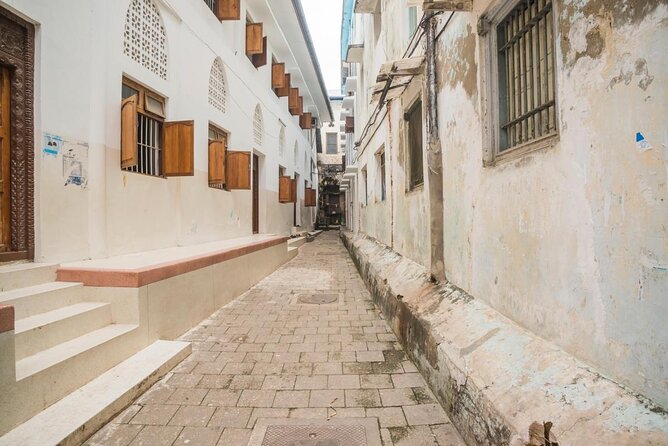
Stone Town is not a place you understand from a passing drive. Its important sights are close together, but the streets twist, narrow, and change character quickly. One moment you are beside a seafront garden; a few minutes later you are in a lane lined with old limestone buildings and heavy carved doors.
The town covers about 50 hectares and contains more than 2,000 limestone buildings. Around 25,000 people live in the surrounding area. That compact scale makes walking the right choice, especially with a guide who can explain what you are seeing instead of leaving you to guess.
The tour introduces Stone Town as a meeting point of cultures. African, Arab, Indian, Persian, and European elements appear in the architecture, religion, food, trade, and street life. Stone Town became a UNESCO World Heritage Site in 2000, but the appeal is not just the formal designation. You get a feel for a living town, not an open-air museum emptied of daily life.
The serious side of the tour matters too. Zanzibar’s position as a trading port brought wealth and influence, but it also connected the island to the slave trade. A good guide can place the grand palaces and commercial streets beside that darker past, giving you a more honest view of how Stone Town developed.
More Private Tours in Zanzibar
- Stone Town Private Walking Tour
★ 5.0 · 371 reviews - Zanzibar: 3 Hours Private Stone Town walking Tour with Guide
★ 4.6 · 301 reviews - Full-Day Private Stone Town +Spice Farm and Prison Island Tour
★ 4.5 · 216 reviews
Meeting at Forodhani Gardens
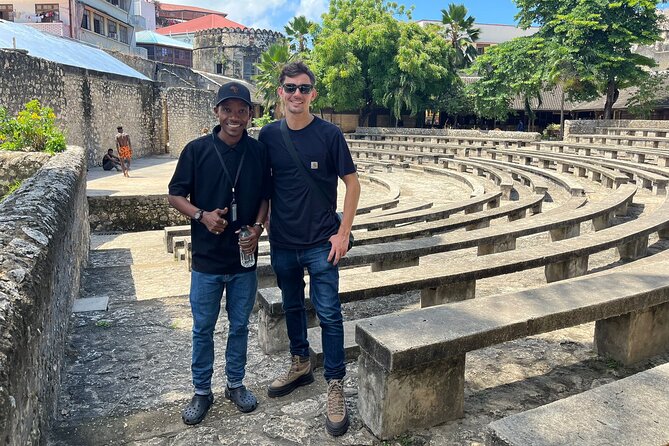
The walk begins at Forodhani, on the waterfront. This is a useful starting point because it puts you near several major sights and gives you an immediate sense of Stone Town’s position beside the sea.
Forodhani Gardens is presented as more than a place to relax or find food. It also carries historical information, so the stop works as an opening lesson about the town and its waterfront role. The listed stop is only about five minutes, though the larger introduction to Stone Town is scheduled for roughly fifteen minutes.
Your guide will help you get your bearings before leading you into the streets. That matters here. A private guide can explain which direction you are walking, what part of town you are entering, and how the major buildings fit together.
The Palace Museum and the story of the sultans
The People’s Palace Museum, also called the Palace Museum, was built by the first Sultan of Zanzibar as his second palace. The stop is scheduled for about ten minutes.
You should expect a short exterior or introductory visit rather than a long museum session. The palace gives context to the rulers who shaped Zanzibar’s political and commercial life, and it helps explain why Stone Town contains such imposing buildings in a relatively small area.
This is one of the places where the guide’s explanation adds real value. On your own, you may notice the size and position of the building but miss how it fits into the history of the sultanate. Nas is praised for answering questions and adapting explanations to the interests of the group, which is useful if you want more than dates and names.
The House of Wonders and Stone Town’s grand scale
The House of Wonders is one of Stone Town’s best-known buildings. It was built in 1883 by the third Sultan of Zanzibar, Sayyid Barghash, and is described as the first building in Zanzibar to have electricity.
The visit lasts about ten minutes. That is enough to learn why the building mattered and to take in its imposing presence, but you should not expect a long museum visit. The building has been affected by restoration issues, so the experience may focus more on the exterior, setting, and historical explanation than on a full interior tour.
I like this stop because it shows how Zanzibar’s rulers used architecture to signal modern power and international connections. It also makes a sharp contrast with the narrow lanes nearby. Stone Town can move from a grand ceremonial building to a modest residential passage within a few steps.
More Walking Tours in Zanzibar
- Zanzibar: Stone Town Historical Cultural Walking Guided Tour
★ 4.5 · 179 reviews - Stonetown: Food Markets and Street Food Walking Tour
★ 4.7 · 151 reviews - Zanzibar Stone Town Walking Tour
★ 5.0 · 145 reviews - Stone Town Historical Walking Tour
★ 5.0 · 143 reviews
The Old Fort, from Portuguese beginnings to Omani rule

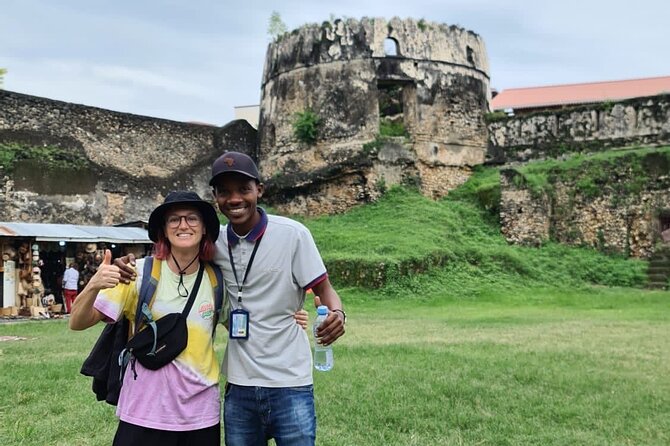
The Old Fort, or Ngome Kongwe, is described as the oldest building in Stone Town. The Portuguese built it first, and the Oman Arabs later developed and used it. The scheduled visit lasts about fifteen minutes.
This is one of the more useful stops for understanding the island’s changing political control. The fort is not simply an old wall. Its construction reflects the competition for power along the East African coast and Zanzibar’s importance as a port.
The tour promises a deeper explanation of the fort, though the overall schedule remains brisk. You will have time to walk through the site and hear its main story, but people who enjoy every architectural detail may want to return later on their own. That is a fair trade for a first walk that covers so much ground.
A rooftop look from Maru Maru Hotel
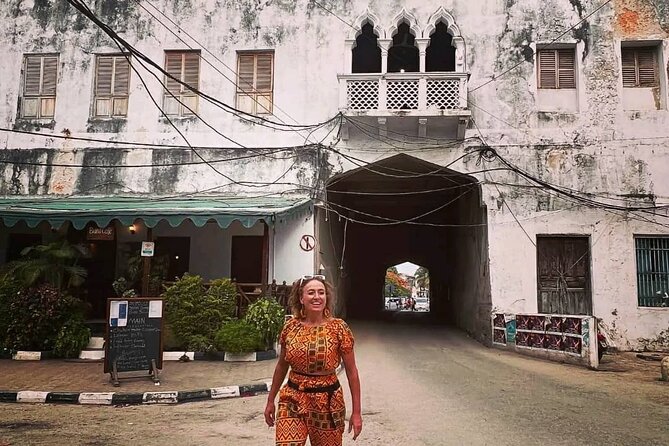
The rooftop stop at Maru Maru Hotel is one of the tour’s more distinctive details. From above, you can see how tightly Stone Town is packed, with limestone buildings, rooftops, lanes, and the waterfront forming a compact urban pattern.
A view like this helps you make sense of the walk. At street level, the town can feel like a maze. From the roof, you gain a clearer picture of its size and position. You can also pause from the close quarters of the lanes and look across the town before continuing.
The description does not specify how long the rooftop stop lasts or whether a purchase is required, so it is sensible to treat it as a short viewing stop rather than a meal or extended hotel visit. Still, it adds something many basic city walks leave out: a chance to see Stone Town as a whole.
Freddie Mercury’s birthplace

The Freddie Mercury Museum stop takes about five minutes. The building is identified as the house where Freddie Mercury was born and grew up, and it has since been changed into a museum.
This is a quick cultural footnote rather than the central theme of the tour. It gives you a link between Zanzibar and one of the best-known musicians of the modern era. The admission ticket is not included, so you should allow for an extra charge if you want to enter.
For many people, the value of this stop is simply seeing how an internationally famous name connects to an ordinary Stone Town address. If music history is not a priority, the short visit will not take much time from the main route.
Christ Church Cathedral and Zanzibar’s difficult past
Christ Church Cathedral was built by French missionaries and is visited for about five minutes. The stop adds a Christian landmark to a route that also includes Islamic, Arab, Indian, and African cultural influences.
The cathedral is especially important when discussing the slave trade. The tour’s larger introduction includes Zanzibar’s role in that trade, and this part of Stone Town helps connect that subject to the buildings and institutions that developed around it.
Five minutes is brief, so do not expect a full church tour or a long architectural study. The value comes from placing the cathedral within the wider story of Stone Town and its mixed religious and cultural past.
Darajani Bazaar, where Stone Town feels most immediate
Darajani Bazaar is the main market in Stone Town. It was built in 1904 and is divided into sections for fish, vegetables, cow and goat meat, spices, and fruit.
The listed visit lasts five minutes, but the market may be the part of the walk where you want to slow down. You will see the practical side of Zanzibar, with food and trade taking place in a setting that feels very different from the grand palaces and forts.
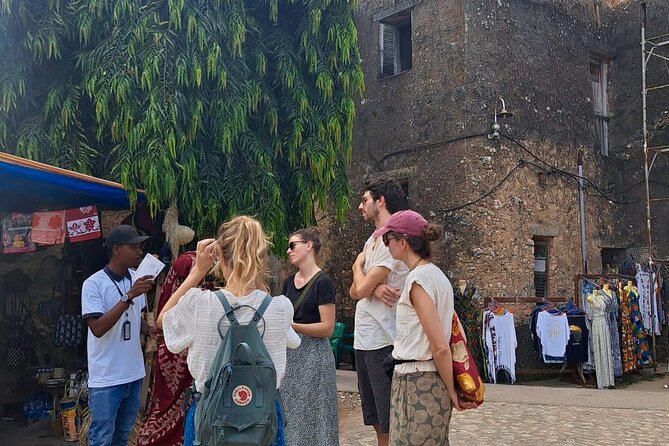
A guide is particularly useful here. Nas can explain what the different sections are for and help you understand the market without turning the visit into a shopping exercise. Some of the people who have toured with him also appreciated his help with souvenirs and finding good prices. You should still make your own buying decisions, but local advice can be useful.
The market is also a reminder that Stone Town is not only a historic district. People shop, work, and move through it every day. That everyday activity gives the walk its strongest sense of place.
What the guide adds to the experience
The most praised part of this tour is the guide’s personal approach. Nas, also referred to as Nassor in some tour accounts, is described as friendly, fluent in English, patient with questions, and able to explain both past events and modern Zanzibar culture.
That flexibility matters in a private tour. If your group has limited time, the route can be adjusted to cover as much as possible. If you are traveling with children, the guide can make the stories easier to follow. If you want more detail about architecture, trade, religion, or local life, you can ask as you go.
The guide has also been praised for helping people get their bearings quickly and for suggesting shops and restaurants. Those extras are not formal inclusions, but they can make the walk more useful at the start of a Zanzibar stay.
One small tip is to ask about fresh sugar cane juice with lemon at the end of the walk. It is specifically recommended as a local refreshment. Food and drinks are not included in the tour price, so plan to pay separately.
Is $29 good value for a private Stone Town walk?
At $29 per person, this is a strong value if you want a private introduction rather than a large group walk. The price includes a professional guide and a bottle of water. It does not include food, drinks, or admission to the Freddie Mercury Museum, and the exact treatment of other site admissions may vary, so ask before entering anything that requests payment.
The main value is time saved. Stone Town’s main sights are close together, but finding them and understanding their connection can take much longer without help. In two and a half hours, you receive a route through the main historic quarter, an overview of Zanzibar’s past, and suggestions for places to revisit.
The price is less attractive if you prefer long museum visits or want to study each building in detail. The schedule moves quickly, with many stops listed at five or ten minutes. Think of this as an orientation walk with historical depth, not a full-day specialist tour.
Timing, comfort, and who should book
The tour lasts about 2 hours 30 minutes and ends back at the meeting point. It is a walking experience through narrow streets, so comfortable shoes and water are sensible, even though a bottle is provided.
The booking information says most people can participate, service animals are allowed, and the meeting point is near public transportation. It is also a private activity, so only your group joins the tour. That makes it suitable for couples, families, and small groups who want to ask questions freely.
Families may find the flexible style helpful. Several tour accounts describe Nas as good with children and teenagers, especially when explaining history in an interactive way. People with a short stay in Zanzibar can also use the walk to get oriented before exploring Stone Town alone.
Book with care if you need a fully accessible route or extended indoor visits, since the supplied details do not describe street surfaces, stairs, or interior access at each stop. The walk is also less suited to anyone who dislikes busy markets, close lanes, or a fast sightseeing pace.
You receive confirmation when booking, and free cancellation is available up to 24 hours before the start time. Within 24 hours, the amount paid is not refunded, and changes are not accepted.
Should you book this Stone Town tour?
Book it if you want a private, affordable introduction to Stone Town with a guide who can explain the history, answer questions, and adjust the route to your interests. The mix is unusually useful: palaces and forts for the big story, Darajani Bazaar for daily life, Christ Church Cathedral for difficult history, and the Maru Maru rooftop for a wider view.
Skip it if you want to spend a long time inside each museum or prefer to explore silently at your own pace. For most first visits, though, the price and route make sense. You will leave with a better map of Stone Town, a clearer understanding of Zanzibar’s past, and several places worth returning to slowly.
FAQ
Where does the private Stone Town tour begin?
The tour begins at Forodhani, Zanzibar, Tanzania.
Where does the tour end?
The activity ends back at the meeting point.
How long does the walking tour last?
The tour lasts approximately 2 hours 30 minutes.
What is included in the tour price?
The price includes a professional tour guide and a bottle of water.
Are food and drinks included?
No. Food and drinks are not included.
Can I cancel the tour for a full refund?
Yes. You can cancel at least 24 hours before the experience start time for a full refund. Cancellations or changes made within 24 hours are not accepted, and the amount paid is not refunded.
More Stone Town Tours
- Zanzibar: Stone Town, Spice Tour, Prison Island with Lunch
★ 4.4 · 1,219 reviews - Zanzibar: Prison Island, Stone Town, & Spice Farm Tour
★ 4.5 · 579 reviews - Zanzibar; Prison Island, Nakupenda, StoneTown Tour with BBQ
★ 4.3 · 457 reviews - Zanzibar: Stone Town, Spice tour & Prison Island with Lunch
★ 4.6 · 453 reviews
Just added around Zanzibar
- Walking in Stone Town with a Expert Tourguide★ 3.7 · 3 reviews
- Stone Town Tour★ 5.0 · 16 reviews
- Jet Ski Experience from Kendwa Beach★ 5.0 · 21 reviews
- Turtle Snorkeling, Jozani Forest, Kuza Cave, Rock Restaurant★ 3.7 · 8 reviews
- Zanzibar boat rental/charters★ 5.0 · 6 reviews
- Prison island(Changuu island) & stone town walking tour★ 5.0 · 6 reviews
- Zanzibar Tumbatu Island Cultural Experience★ 5.0 · 4 reviews
- Full Day Private Zanzibar Triple Delight Tour★ 4.5 · 3 reviews
Stone Town Tours, compared.

Stone Town, Spice Tour, Prison Island with Lunch
Read our review →
Prison Island, Nakupenda, StoneTown Tour with BBQ
Read our review →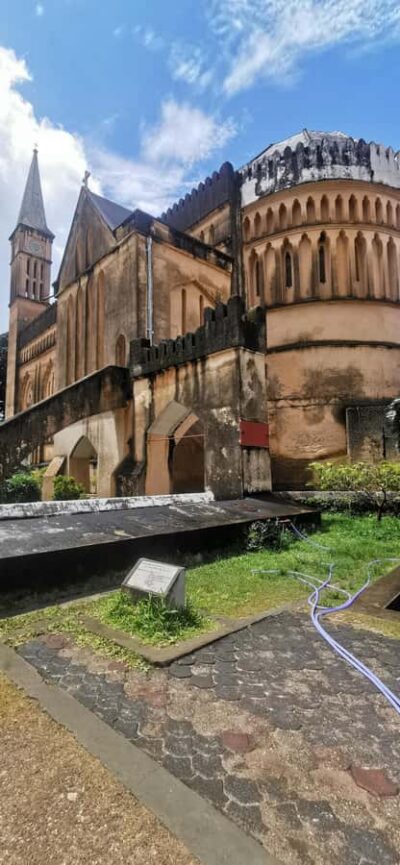
3 Hours Private Stone Town walking Tour with Guide
Read our review →
Stone Town Historical Cultural Walking Guided Tour
Read our review →
Stonetown: Food Markets and Street Food Walking Tour
Read our review →

Zanzibar full day Jozani forest + Spice farm and stone town
Read our review →
Browse the lists this tour appears in