

Reviewed · WALKING TOURS
Moshi Town: Walking Tour: Theme Urban lifestyle
Moshi’s everyday life is the main attraction here. In two hours, you move from fruit and vegetable stalls to Makonde paintings and carvings, then on to the old train station, bus stand, and KNCU. I like the chance to see how the town works rather than only its postcard sights, and I like that the walking route connects culture, transport, food, and coffee history. James, one guide named in past feedback, was described as warm and welcoming.
The main consideration is timing. The route covers a lot in two hours, and the walking is described as moderate for two hours or more. The tour also has one serious service warning: one January 2026 booking reported that the operator did not arrive and did not answer a refund request. Confirm the meeting details before setting out.
Key points at a glance

- Mbuyuni Market: Sample local fruits and snacks while watching everyday buying and selling.
- Tinga Tinga Artist Cooperative: See Makonde paintings, carvings, and souvenirs, with time to shop if something catches your eye.
- Moshi’s old train station: Learn how a once-quiet transport site has returned to local use.
- Moshi Bus Stand: Get a practical explanation of local and regional routes.
- KNCU’s coffee story: Connect Moshi’s town life with the cooperative movement and coffee economy.
- Small-group walking: The group is limited to 10, with pickup and drop-off available at your chosen location.
Moshi in two hours: a useful first look
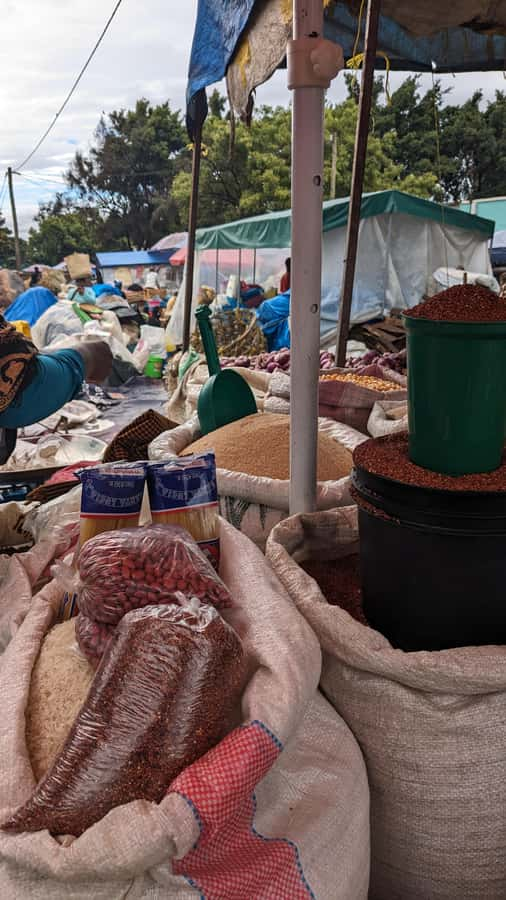
This is a town orientation with a cultural edge. You are not being taken from one grand sight to another. Instead, you follow the details that shape daily life in Moshi: where food is sold, how buses move people, how art reaches customers, and how KNCU helped organize coffee production.
That makes the tour especially useful at the start of a stay. I like having a local guide explain the town before exploring alone. You can ask about places to eat, transport, markets, and the meaning of what you are seeing. The small group, capped at 10 people, should make those questions easier than on a large coach outing.
The route is done on foot, with pickup from your hotel, hostel, or another chosen location. You can also meet at Coffee Union Cafe or KNCU if you already know the center. Drop-off is available at those same two points. This flexibility is handy, but you should confirm the exact pickup time and address before the tour begins, especially given the one reported no-show.
More walking tours in Moshi:
- 9 Days 8 Nights Walking Safari
★ 5.0 · 11 reviews - Full-Day Moshi Private Forest Walk and Local Market Tour
★ 5.0 · 4 reviews - Stone Town Private Walking Tour
★ 5.0 · 371 reviews
Starting at Tinga Tinga Artist Cooperative
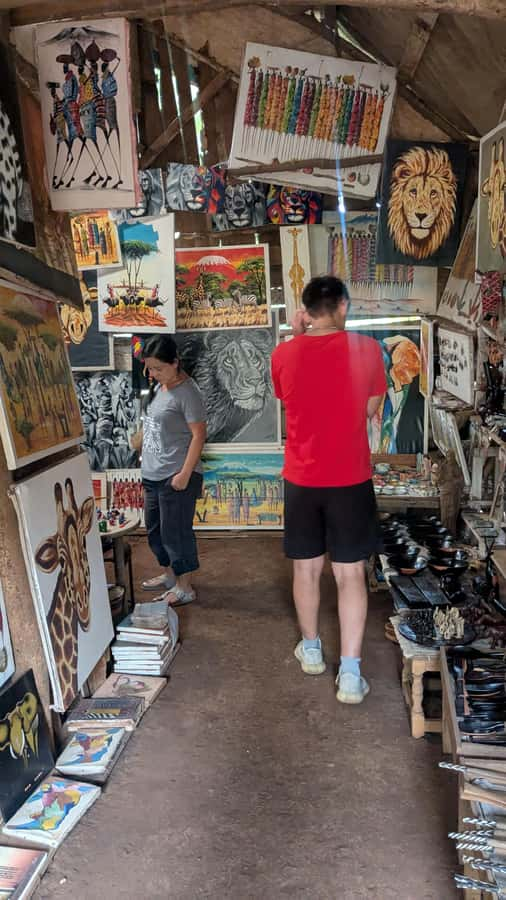
The first listed stop is the Tinga Tinga Artist Cooperative, where you spend about 30 minutes walking and looking around. This is the art portion of the morning, with paintings, carvings, and souvenirs connected to local artistic traditions.
The stop works best if you enjoy seeing handmade work in person rather than browsing a generic souvenir shop. You can look closely at the artists’ work and purchase a piece if you wish. The activity includes the opportunity to buy art, but any purchases are your responsibility.
Do not expect a long museum visit. Thirty minutes passes quickly, and the focus is on seeing the work and understanding the local craft market. If you are considering a purchase, use this stop to compare styles and ask the guide about the work. A guide can also help you understand how the market fits into Moshi’s wider cultural life.
Mbuyuni Market and the practical side of food

Mbuyuni Market is scheduled for about 30 minutes. Here, you see fruits and vegetables being sold, learn about local commerce, and receive samples of local fruits and snacks.
This is one of the strongest parts of the walk because food markets tell you a great deal about a town without requiring a formal lecture. You see what is available, how goods are displayed, and how people shop. The guide can help explain the produce and introduce you to the social side of the market.
Go with an open mind, but keep your expectations practical. Thirty minutes gives you a useful look, not a full market tour. The description promises local fruit and snack sampling, but the information also says traditional dishes and beverages are not included. That is an important inconsistency to clear up before booking: the activity lists food tastings as both included and not included.
You should also bring sunscreen and sunglasses. The route is outdoors, and the market stop may not provide much shade. Wear comfortable walking shoes even though they are not listed among the required items. That is simple advice for any tour described as two hours or more of walking.
The old train station and Moshi’s changing town center
The train station visit lasts about 20 minutes. You will walk around the site and hear about its past, including its period of inactivity and its return to use.
This stop gives the tour a sense of time. Moshi is not presented as a frozen old town. The station represents change, movement, and the way public places can take on a new role. I like that the tour includes a landmark with a working connection to local life rather than treating history as a separate subject.
The stop is relatively short, so expect an introduction rather than an extended railway history lesson. If you enjoy transport history, you may want to ask focused questions while you are there. The guide’s explanation is likely to be most useful when connected to how people move around Moshi today.
A few more Moshi trips worth comparing
- Materuni Waterfalls, coffee tour & Kikuletwa Hot Springs
★ 5.0 · 643 reviews - Materuni Waterfalls & Chemka Hotsprings Day Trip
★ 5.0 · 214 reviews - Materuni waterfalls coffee tour & Chemka hot springs Day trip
★ 5.0 · 131 reviews - Materuni Waterfall, Coffee Tour and Picnic Hot Lunch
★ 5.0 · 128 reviews
Moshi Bus Stand: understanding local transport
After the train station, the route continues to Moshi Bus Stand for another 30-minute walk and sightseeing stop. The guide explains the local bus system, including routes within town and connections to other areas.
This is a very practical addition. Transport can be confusing when you first arrive, and a bus stand shows how the town connects to the surrounding region. Even if you do not plan to use a bus, the stop helps you understand the rhythm of local movement and the importance of public transport.
I would pay close attention here if you are staying in Moshi for more than a night or two. Ask how the system works, what the different stations do, and which routes are local or regional. The tour promises an explanation of the system, not help arranging a specific later journey, so keep the questions focused on general use.
As with the market, this is an active public place rather than a quiet attraction. Stay close to the guide and keep your belongings secure. That is sensible city-walking practice, not a special warning about this particular tour.
KNCU and Moshi’s coffee connection
KNCU is the final major point, followed by a 10-minute break. The tour explains the organization’s role in Tanzania’s cooperative movement and its effect on Moshi’s social and economic life.
This is where the different parts of the walk come together. The market shows local trade, the art cooperative shows small-scale creative work, the station and bus stand show movement, and KNCU adds the story of organized agricultural commerce. You get a wider picture of how work, transport, and local institutions connect.
There is also a coffee curing industry in Moshi town, but the entrance fee is not included. The experience described here provides historical and cultural information about KNCU. It does not clearly promise entry into the curing facility. If seeing the coffee-processing operation is important to you, ask whether it can be added and what the separate fee will be.
The short break at KNCU is useful after the market and town-center walking. It is also one of the two possible meeting and drop-off points, along with Coffee Union Cafe.
Food and drink: read the inclusions carefully
The activity description refers to local culinary discoveries, traditional recipes, dishes, and beverages. It also lists fruit and snack sampling at the market. Yet the not-included section says tastings of traditional Moshi dishes and beverages are excluded.
You should treat this as a point to verify, not as a promise of a full food tour. The safest expectation is market sampling of fruit and snacks, while any meal, traditional dish, or drink may cost extra. Ask the provider exactly what is supplied before booking.
That distinction matters because the experience is primarily a walking and cultural orientation. You are not paying $20 for a large meal. You are paying for access to local explanations, a planned route, and a taste of town life. If food is your main reason for booking, confirm the details first.
Is $20 good value?
At $20 per person, the tour offers solid value if you want a guided introduction to Moshi rather than a private vehicle excursion. The price covers a two-hour walk, a local guide, market sampling as specified, cultural explanations, and pickup and drop-off at an agreed location.
The value is strongest for first-time visitors. You can see several parts of town in one morning and get context that is hard to gain by simply walking around alone. The group limit of 10 also gives the experience a more personal scale.
The price looks less attractive if you want long visits at each stop or a dedicated food tour. The schedule gives about 30 minutes each at the art cooperative, market, and bus stand, 20 minutes at the train station, and 10 minutes at KNCU. That is a brisk introduction, not a slow afternoon of browsing.
You should also budget for any art you buy, food or drink not covered by the provider, and the separate entrance fee for the coffee curing industry. The tour price does not cover those extras.
Who will enjoy this walk most?
I would recommend it to you if you want to understand Moshi through ordinary places. It suits people who enjoy markets, local transport, handmade art, and short historical explanations. It is also a good fit if you have just arrived and want a quick orientation before exploring independently.
The tour is available in English and Swahili. A past booking praised James for being warm and welcoming, but the information does not guarantee that he will lead every departure. If having a particular guide matters to you, ask when you book.
Families should note that children under five are not accepted. The activity is described as wheelchair accessible, but it also calls for a moderate fitness level and two hours or more of walking. If you use a wheelchair or have mobility concerns, confirm the exact route, surfaces, and access at each stop before paying.
Booking details worth checking
Free cancellation is available up to 24 hours before the start for a full refund. You can also reserve now and pay later, which helps if your plans in Moshi are still shifting.
The clearest practical concern is reliability. One verified booking dated January 17, 2026 reported that the operator did not appear and had not responded to a refund request at the time of the report. That single account does not tell you how common the problem is, but it is enough reason to reconfirm your booking, pickup point, start time, and phone contact shortly before the walk.
The overall rating is 3.1 from four reviews, with two detailed five-star accounts praising the introduction to daily life and the welcoming guide, plus the no-show complaint. The sample is small and mixed. I would book with reasonable caution rather than assuming either perfect service or poor service.
Should you book the Moshi walking tour?
Book it if you want a compact, people-focused introduction to Moshi and value a local guide’s explanations more than major monuments. The market, bus stand, art cooperative, train station, and KNCU create a useful picture of town life, and $20 is fair for that range of stops.
Skip it if you want a relaxed food experience, a long art visit, or guaranteed access to the coffee curing industry. Before booking, confirm the tasting details and pickup arrangement. If the provider responds clearly and reliably, this can be a worthwhile first look at Moshi. If communication is poor, choose a backup plan for your first day.
FAQ
How much does the Moshi walking tour cost?
The price is $20 per person.
How long does the tour last?
The stated duration is two hours, with two hours or more of walking described in the fitness information.
Where can the tour begin?
You can be picked up at a chosen location such as a hotel or hostel. You can also meet at Coffee Union Cafe or KNCU.
Where does the tour end?
Drop-off is available at KNCU or Coffee Union Cafe.
Which languages are available?
The live guide is available in English and Swahili.
Is the tour suitable for children?
Children under five are not accepted.
Is the tour wheelchair accessible?
The activity is described as wheelchair accessible, but it also requires a moderate level of fitness and extended walking. Confirm the route details before booking if you need specific mobility support.
Are food and coffee tastings included?
The information says local fruits and snacks are sampled at the market, but it also says traditional Moshi dishes and beverages are not included. Confirm exactly what is covered before booking. The entrance fee for the coffee curing industry in Moshi town is not included.
Just added around Moshi
- Day trip to Materuni waterfall, Coffee tour and Moshi Nightlife★ 5.0 · 6 reviews
- Sip & Paint: Unleash Your Inner Artist!★ 5.0 · 7 reviews
- Rau Forest Bike tour★ 5.0 · 12 reviews
- Private Market Tour and Tanzanian Cooking Class in Moshi★ 5.0 · 7 reviews
- Moshi city bike day trip★ 5.0 · 17 reviews
- Full-Day Moshi Private Forest Walk and Local Market Tour★ 5.0 · 4 reviews
- Private guided tour to the night lifestyle of Moshi town★ 5.0 · 13 reviews
- Savannah Escape & Active Culture Tour★ 5.0 · 9 reviews
Walking Tours, compared.

Stonetown: Food Markets and Street Food Walking Tour
Read our review →
Arusha Guided Walking City Tour, Culture, Lifestyle & History
Read our review →

Underwater Walking Experience in Zanzibar,No Swimming Needed
Read our review →

7-Day Private Tanzania Safari with Sunset Walking on the Crater Rim and Maasai
Read our review →Browse the lists this tour appears in