
Reviewed · STONE TOWN TOURS
From Stone Town: Spice Tour of Zanzibar
Zanzibar’s spice story makes most sense when you see a clove bud, smell fresh cinnamon bark, and taste fruit straight from the farm. This 2.5-hour plantation visit shows you why the island earned its nickname, Spice Island, without requiring a full day away from Stone Town. I like the hands-on approach, and I especially like the fresh coconut stop, where a singing coconut climber cuts down a coconut for you to drink.
I also like that the tour explains practical uses, not just plant names. You learn about vanilla, nutmeg, ginger, pepper, turmeric, cardamom, and local plants such as neem and the iodine tree. The main consideration is that the experience includes walking around a farm and watching a tree climb, so it may not suit anyone with mobility limitations, despite the activity information also describing it as wheelchair accessible.
Key points to know before you go
- Fresh coconut from a singing tree climber: The famous finale combines a coconut climb, traditional Jambo singing, and fresh coconut water.
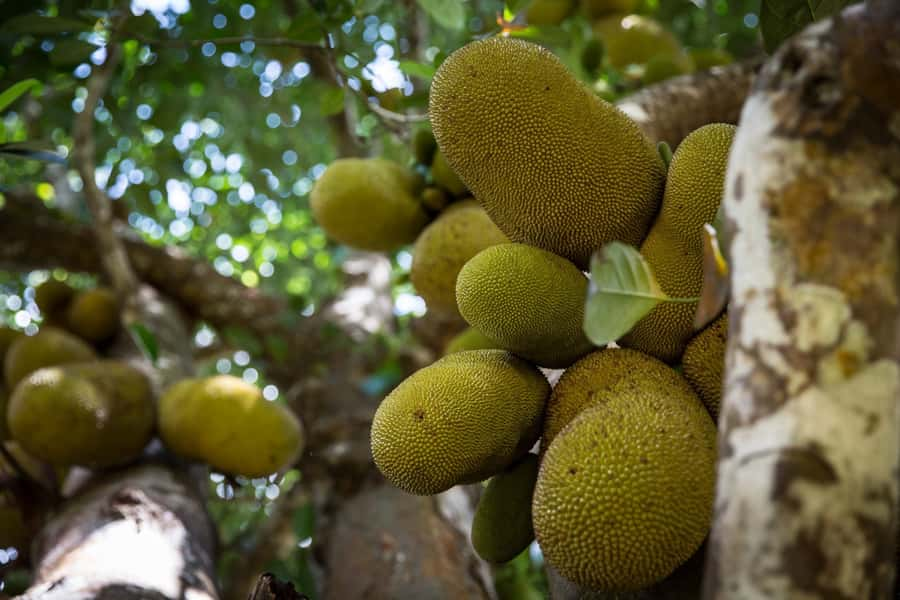
- Touch, smell, and taste the plants: You can handle many spices and sample several, along with mango, papaya, jackfruit, guava, avocado, and other fruit when available.
- A useful short excursion from Stone Town: Hotel pickup and return are included, making this easy to fit into a busy Zanzibar schedule.
- Practical plant knowledge: The guide explains harvesting and traditional uses, including neem for malaria and indigestion and the iodine tree for wound infections.
- Shopping is part of the finish: The farm shop sells spices, perfumes, soaps, and other handmade items, so bring cash if you want to buy something.
- Good value at $30: Entrance, guiding, transport pickup, and government taxes are included, but food is not.
Why Zanzibar is called Spice Island
The nickname is not just a piece of tourist branding. Zanzibar has long been linked with cloves and the wider trade in spices, and a farm visit gives you a clearer sense of how these products begin. Instead of seeing a jar of ground cinnamon or a packet of cardamom in a shop, you see the plant itself and learn what part is harvested.
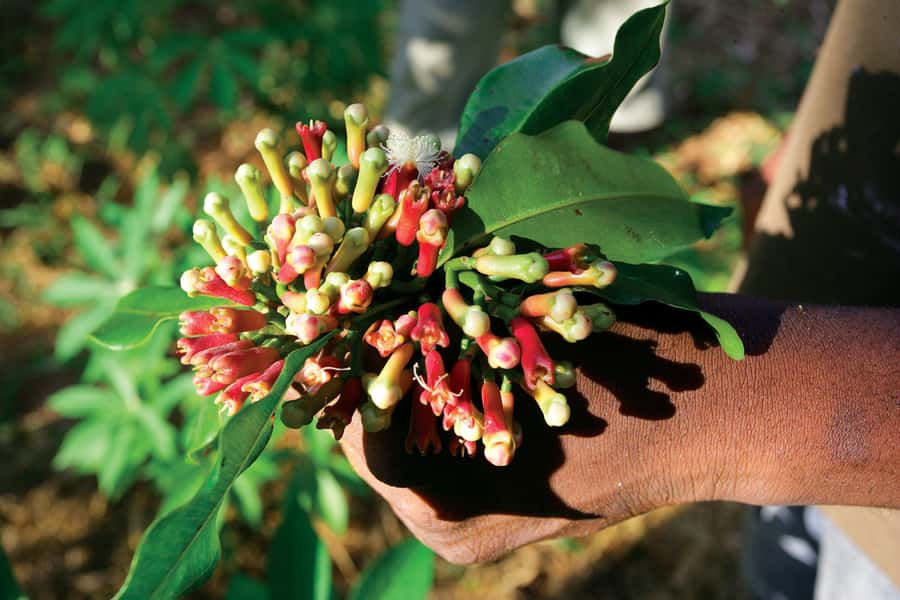
That change in scale matters. Cloves are not mysterious brown powder. They begin as flower buds. Cinnamon comes from bark. Nutmeg and mace come from the same fruit, while ginger and turmeric grow differently again. The guide helps connect the kitchen cupboard to the soil.
You will hear about cloves, nutmeg, vanilla, cardamom, cinnamon, curry plants, menthol, pepper, tamarind, and ginger. The exact plants producing the best display may depend on the season, but the range is broad enough to make the visit more than a quick photo stop.
The farm is small, which works in its favor. You are not being sent across a huge agricultural site with little explanation. The tour focuses on close-up details: the shape of a leaf, the smell of a crushed plant, the way a spice is gathered, and the traditional purpose of a local herb.
More Stone Town walks:
- Zanzibar: Stone Town, Spice Tour, Prison Island with Lunch
★ 4.4 · 1,219 reviews - Zanzibar: Prison Island, Stone Town, & Spice Farm Tour
★ 4.5 · 579 reviews - Zanzibar; Prison Island, Nakupenda, StoneTown Tour with BBQ
★ 4.3 · 457 reviews
From Stone Town hotel to small plantation
Pickup is available from any hotel within Stone Town. You wait at reception, and the transfer takes you to the farm in the Unguja South Region. That simple arrangement is useful because Stone Town hotels can be difficult to locate precisely on a booking map.
If your hotel pin causes trouble, contact Babu Tours & Safaris by WhatsApp before the pickup time. One booking had an initial mix-up because the hotel could not be pinned correctly, but direct communication fixed it. I would send the hotel name, address, and a clear landmark in advance rather than rely only on the map marker.
Transport is included in the $30 price, along with the entrance fee, guide, and government taxes. For a short outing, that keeps the cost easy to understand. You are paying for the ride, access to the farm, and a guided introduction rather than having to arrange separate transport and admission.
The duration is about two and a half hours. That makes it a sensible morning or afternoon activity, especially if you want to keep time for Stone Town, the beach, or another outing. Starting times vary, so check availability when booking.
Seeing spices before they reach your kitchen
The best part of the tour is the change from ordinary sightseeing to close observation. You can touch and smell the plants, and you may be able to taste some of them. That is much more memorable than a guide simply pointing at a sign.
Cinnamon is a good example. You see the source rather than only the finished stick or powder. Ginger and pepper become easier to recognize in their growing form. Cardamom, cloves, nutmeg, turmeric, and vanilla each have a different look and scent, and the guide explains how they are harvested and used.
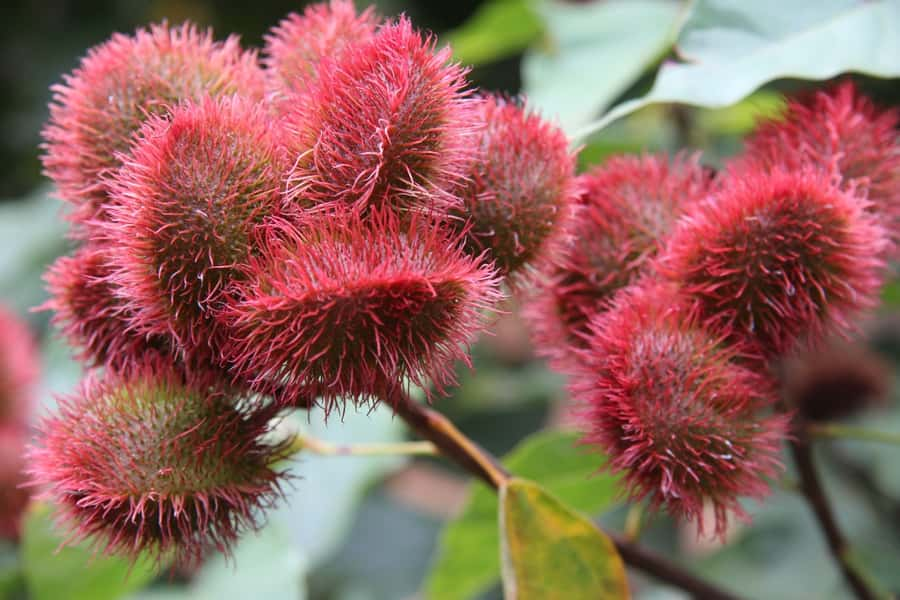
The information also reaches beyond cooking. The tour explains traditional uses of plants such as neem, whose leaves were used locally as a traditional treatment for malaria and indigestion. The iodine tree is described as a plant used to help fight infections in wounds.
You should treat these points as cultural and historical plant knowledge, not as medical advice. The value is in understanding how local communities have used the plants, and how much practical knowledge can sit behind an ordinary tree or herb.
Guides are a major part of the experience. Juma is described as a funny and effective guide, while other tours have been led by guides from the farm itself. A farm guide can answer questions about local habits and cultivation in a direct way. If you have a particular interest in cooking, farming, or traditional plant uses, ask questions as you walk.
The advertised guide languages are English, French, German, Spanish, and Italian. That makes the activity accessible to a wide range of visitors, though you should select or confirm your preferred language when booking.
Tropical fruit tasting at the farm
The spice walk is only half the appeal. The plantation also grows tropical fruit, and tasting it gives the tour a welcome change of pace. You may see papayas, mangoes, jackfruit, guava, and avocado, along with other fruit depending on what is ready.
Fruit availability is seasonal, so do not treat a particular selection as guaranteed. Still, the tasting adds something important. Spices can be subtle, especially when you are comparing several plants in a row. Fresh fruit gives you an immediate taste of the farm and helps break up the information.
Jackfruit is often the most striking fruit for people who have not seen it growing. Mango and papaya are familiar in many places, but they taste different when picked locally and eaten fresh. The tour also provides some fruit to eat near the end, according to the experience details.
This is not a meal, and food is not included as a separate part of the booking. Have breakfast or lunch before or after the outing if you need something substantial. The fruit tasting is a pleasant sample, not a replacement for a meal.
More spice farm tours in Zanzibar:
- Zanzibar: Stone Town, Spice tour & Prison Island with Lunch
★ 4.6 · 453 reviews - Full-Day Private Stone Town +Spice Farm and Prison Island Tour
★ 4.5 · 216 reviews - Spice Tour + Stone Town Tour + Prison Island
★ 4.5 · 130 reviews - Zanzibar: Spice Tour & Stone Town Walking Tour
★ 4.8 · 115 reviews
The coconut climber and Jambo song
The coconut tree climb is the most theatrical moment. A local climber goes up the tree, singing the traditional Jambo song, and cuts down a coconut for you. You then drink fresh coconut water.
It is a simple scene, but it gives the tour a strong finish. You have spent the earlier part of the visit learning about plants in a measured way, then suddenly the farm becomes a stage. Some tours also include handwoven crowns and playful King and Queen of Spice titles, along with small handmade gifts.
There is a practical point here: carry some cash. The coconut climber, assistant, and guide may expect tips, and cash is also useful at the farm shop. Tipping is not listed as part of the $30 price, so budget for it separately if you wish to acknowledge the work.
The coconut stop may not appeal to someone who prefers a quiet botanical tour with no performance element. For most people, though, it adds local character and gives you a story that is more specific than simply buying a packet of spices.
The farm shop and what to buy
The visit ends at the small spice shop. You can buy fresh spices for home cooking, along with perfumes, soaps, and other handmade items. This is a useful place to buy small gifts because the products connect directly to what you have just seen.
I would wait until the end to shop. After smelling and handling the plants, you have a better idea of what interests you. You can also ask the guide to explain the difference between products before spending money.
Bring cash, particularly if you want to buy several items or tip the people who made the tour happen. The price does not include shopping, and the available information does not specify card payment at the farm shop.
Do not bring luggage or large bags. A small personal bag is the sensible choice, along with comfortable shoes. You will be walking around the plantation, and practical footwear is more useful than anything formal.
What the $30 price really covers
At $30 per person, this is good value if you want a short, guided introduction to Zanzibar’s agricultural identity. The fee includes the entrance charge, guide, government taxes, and pickup from a Stone Town hotel. You do not have to bargain for a taxi to the farm or arrange admission separately.
The value is strongest for first-time visitors who want context. A spice shop alone can show you finished products, but it cannot show you where they grow or how they are harvested. This tour combines transport, interpretation, tasting, and a small cultural performance in one compact outing.
The price does not cover food, shopping, or tips. Those costs are easy to control, but you should know about them before you go. You can enjoy the farm without buying anything, but the shop is part of the normal ending and cash makes the visit easier.
Free cancellation is available up to 24 hours before the activity for a full refund. You can also reserve and pay later, which helps if your Stone Town plans are still shifting.
Who will enjoy this tour most
I would recommend this for first-time visitors to Zanzibar, curious cooks, families with older children, and anyone who likes learning through smell and taste rather than only listening to a guide. The fruit, coconut climb, handmade crowns, and short duration give it a light, social feel.
It also suits you if you want an outing that is more grounded in local production than a standard city walk. You see plants, hear about traditional uses, and meet people working at the farm. The tour is not just a shop visit with a few labels attached.
You may want to choose another activity if you are looking for a long agricultural tour, a serious botany lesson, or a full meal. The plantation is small and the total visit lasts only two and a half hours. The coconut performance and tipping expectation may also feel too arranged for someone seeking a completely quiet, independent walk.
Mobility needs deserve special attention. The activity information says it is wheelchair accessible, but it also says it is not suitable for people with mobility impairments. Since the tour takes place on a plantation and includes walking, confirm the ground conditions and access details with Babu Tours & Safaris before booking.
Should you book the Stone Town spice tour?
Book it if you want an affordable, manageable introduction to the plants behind Zanzibar’s famous spices. The strongest reasons are the hands-on tasting, the variety of fruit, the useful explanations from guides such as Juma, and the memorable coconut climb with its Jambo song.
Skip it if you dislike guided farm visits, do not want a shopping stop, or need a fully accessible route without uncertainty. For most people staying in Stone Town, though, the included pickup and modest time commitment make this an easy way to add a different side of Zanzibar to your trip.
FAQ
How long does the Zanzibar spice tour last?
The tour lasts approximately 2.5 hours.
How much does the tour cost?
The listed price is $30 per person.
Is hotel pickup included?
Yes. Pickup is available from any hotel within Stone Town. Wait at your hotel reception to be collected.
What languages are available for the guide?
Guides are available in English, French, German, Spanish, and Italian.
What will I see on the plantation?
You can see spices and herbs including cloves, nutmeg, vanilla, cardamom, cinnamon, curry, menthol, pepper, tamarind, and ginger. Tropical fruit may include papayas, mangoes, jackfruit, guava, and avocado.
Is food included?
No. Food is not included, although the experience includes opportunities to taste spices and fresh tropical fruit.
Can I buy spices at the end?
Yes. The farm shop sells spices, perfumes, soaps, and other handmade items.
What should I bring, and what is not allowed?
Bring comfortable shoes. Luggage and large bags are not allowed. Cash is also useful for shopping and tips.
Just added around Zanzibar
- Walking in Stone Town with a Expert Tourguide★ 3.7 · 3 reviews
- Stone Town Tour★ 5.0 · 16 reviews
- Jet Ski Experience from Kendwa Beach★ 5.0 · 21 reviews
- Turtle Snorkeling, Jozani Forest, Kuza Cave, Rock Restaurant★ 3.7 · 8 reviews
- Zanzibar boat rental/charters★ 5.0 · 6 reviews
- Prison island(Changuu island) & stone town walking tour★ 5.0 · 6 reviews
- Full Day Private Zanzibar Triple Delight Tour★ 4.5 · 3 reviews
- Zanzibar Tumbatu Island Cultural Experience★ 5.0 · 4 reviews
Stone Town Tours, compared.

Stone Town, Spice Tour, Prison Island with Lunch
Read our review →
Prison Island, Nakupenda, StoneTown Tour with BBQ
Read our review →
3 Hours Private Stone Town walking Tour with Guide
Read our review →
Stone Town Historical Cultural Walking Guided Tour
Read our review →
Stonetown: Food Markets and Street Food Walking Tour
Read our review →
Zanzibar full day Jozani forest + Spice farm and stone town
Read our review →
Browse the lists this tour appears in