
Reviewed · CITY TOURS
Dar es Salaam: Experience the real Dar es Salaam (City Tour)
Dar es Salaam makes the most sense when you see its working markets, not just its monuments. This private city tour takes you from the wet floors of Kivukoni Fish Market to the carved-wood stalls at Mwenge, with Saed helping you understand the daily life behind each stop.
I like the wide mix of places and the personal attention of a private guide. You get museums, churches, markets, art, and the coast in one day, while Saed can explain subjects that are easy to miss on your own, from family life to the pressures facing market traders.
The main drawback is the pace. Eight hours is a lot of ground for Dar es Salaam, and several stops are scheduled for about 20 minutes. The fish market can also be wet underfoot, so leave the flip-flops at your hotel and wear shoes with a firm sole.
Key points at a glance
- Kivukoni Fish Market: See the city’s seafood trade up close, but expect wet floors and strong market activity.
- Saed as your guide: His English or Swahili commentary covers history, politics, food, family life, and everyday city problems.
- National Museum and House of Culture: A useful stop for Tanzania’s art, archaeology, and national story, with your guide adding context.
- Tinga Tinga and Mwenge crafts: Shop for painted art and carved souvenirs, while keeping in mind that bargaining and quality checks matter.
- Private transport: Air conditioning, bottled water, WiFi, and hotel or airport pickup make a full city day easier.
- Slipway at the end: Finish beside the water with time to rest, eat, or watch the coast as the day cools.
Dar es Salaam is not a city best understood from behind a coach window. Its character is in the movement: fish arriving at the harbor, shoppers filling market lanes, woodcarvers working by hand, and families shaping daily life in a fast-growing coastal city.
This tour gives you a broad introduction in one private day. At $99 per person, it is not the cheapest way to see Dar es Salaam, especially if you are alone. But the price includes private transport, an air-conditioned vehicle, WiFi, bottled water, pickup, and a live guide. For two or more people, the cost becomes easier to justify because you are paying for access, interpretation, and convenience rather than a simple ride between sights.
Start at Kariakoo and see Dar at street level
The day begins with pickup from one of three listed points: Julius Nyerere International Airport, Hyatt Regency Dar es Salaam, or The Kilimanjaro. Airport pickup is useful if you have a long layover or are starting your Tanzania trip in the city. At a hotel, the guide meets you in the lobby.
Kariakoo Market is one of the best choices for an opening stop because it quickly shows you how Dar works. The point is not polished sightseeing. You see commerce, movement, color, and the practical business of buying and selling food and household goods.
A guide matters here. Market activity can feel confusing if you do not know what you are looking at or how the different sections fit together. Saed can help you read the scene and answer questions about food supply, prices, and local routines. The market also gives useful context for the rest of the day: Dar es Salaam is not just a port and former colonial center, but a place where trade shapes ordinary life.
Wear light clothing and bring sunscreen. You will spend time moving between the vehicle and open-air areas, and Dar’s coastal heat can build quickly.
More City Tours in Dar es Salaam
- Dar es Salaam: City Tour
★ 4.7 · 159 reviews - Dar es Salaam City Tour – Everyday
★ 5.0 · 64 reviews - The Best/Top Rated Cultural City Tour in Dar es Salaam
★ 5.0 · 57 reviews
Kivukoni Fish Market brings the harbor to life
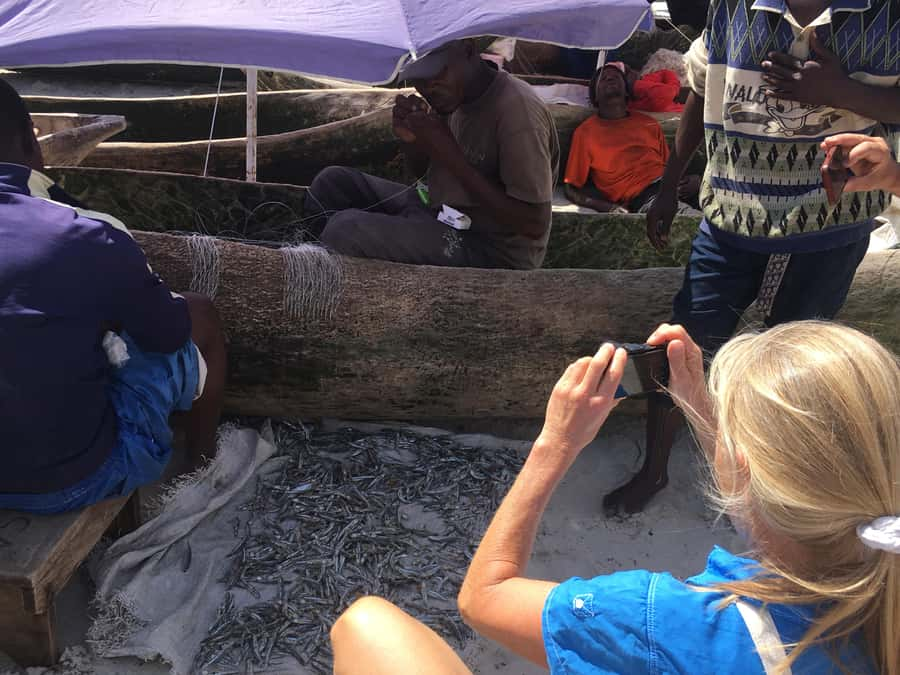
Kivukoni Fish Market is one of the more memorable stops because it connects the city directly to the water. Fishermen bring in fresh catch, and the market turns that arrival into trade. You can see a working side of Dar that is difficult to understand through museums alone.
This is not a neat, quiet market designed for sightseeing. The surface is usually very wet, and the setting can be slippery. The practical advice is simple: wear closed shoes or sturdy sandals with good grip, and do not wear delicate footwear. If you dislike strong smells, crowds, or messy working conditions, this may be the hardest stop of the day.
I like the fact that the market is treated as part of the city’s social and economic life, not just as a photo stop. Ask Saed about the people who depend on this trade, how food reaches the city, and how market activity helps meet demand. His commentary is especially useful here because you are watching a real process rather than a staged performance.
Askari Monument and the short central-city stops
The Askari Monument is a brief but important stop. The soldier statue honors African troops who served in the First World War, and it sits at a key point in central Dar es Salaam. Your guide can explain the colonial setting and why the monument remains part of the city’s public memory.
The schedule allows about 20 minutes here, so this is more of an orientation stop than a long visit. You should have time for photographs and an explanation, but not an extended historical lecture.
Other short guided stops are listed around the central city before the longer cathedral visit. Because the exact names of two of these brief entries are not specified, it is best to think of this section as a compact look at central Dar rather than a series of full museum visits. The benefit is variety. The cost is that you may feel hurried if traffic slows the route.
Dar es Salaam traffic can affect any city tour, so keep your expectations practical. The route covers many districts and attractions, but the exact time spent at each place may shift.
St Joseph’s Cathedral and the city’s colonial past
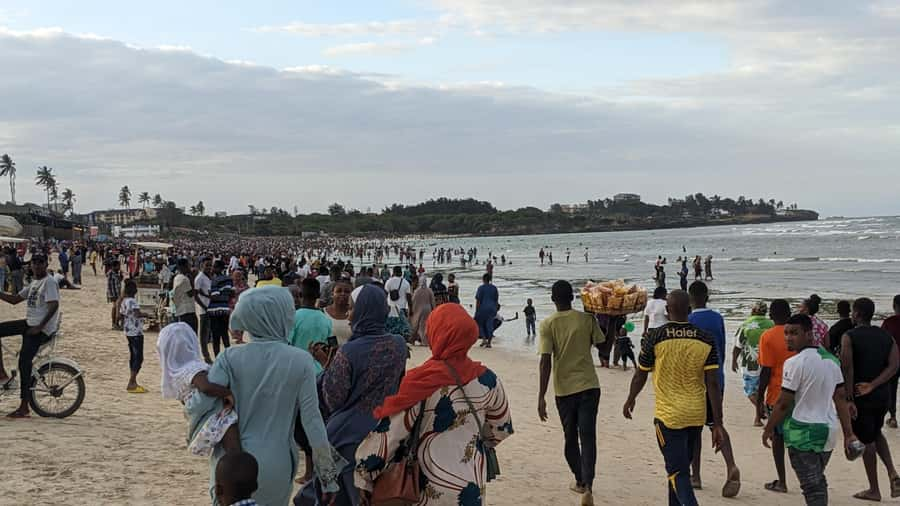
The cathedral stop is identified as KKKT Azania Front Cathedral in the schedule, while the tour description also names St Joseph’s Cathedral. Together, these churches point to Dar es Salaam’s layered religious and colonial architecture.
You are not simply looking at old walls. The churches help explain the influence of German and later European rule, as well as the way Christian institutions became part of the city’s built environment. Your guide can connect the buildings to the wider story of Dar, rather than leaving you with a few dates and photographs.
The scheduled hour gives this part of the tour more room than the monument stop. That makes sense, since the cathedral area benefits from a slower look at the architecture and a conversation about the city’s past. Dress respectfully when entering religious spaces, even if no specific dress rule is provided.
Same corner of Dar Es Salaam, a completely different kind of day:
- Dar es Salaam City Center: Walking Tour
★ 4.8 · 102 reviews - Joining Safari from Mwanza
★ 5.0 · 54 reviews - Magical Mwanza 6 days Safari Package
★ 5.0 · 42 reviews - Dar Es Salaam City Tour (Full Day With Private Guide And Car)
★ 5.0 · 39 reviews
The National Museum adds Tanzania-wide context
The National Museum and House of Culture is scheduled for about 90 minutes. That is enough time to see selected displays without trying to absorb everything in one visit.
The museum covers art, archaeology, and national history. It is useful early in a Tanzania itinerary because it gives you background for places you may visit later, including the country’s precolonial societies and political development. It also provides a break from the heat and street activity.
Keep your expectations measured. The museum can feel less polished than major European institutions, and some displays may not present the country’s story as fully or clearly as you hope. That does not make the stop worthless. In fact, Saed’s explanations are especially helpful here. He can discuss what the museum presents, what it leaves out, and how official memory is shaped.
The museum also gives you a chance to ask broader questions about Tanzania. The strongest part of this tour is not just seeing objects, but having someone connect them to modern life. If you enjoy history but prefer conversation to a silent audio guide, this stop should suit you.
Tinga Tinga art and practical souvenir shopping
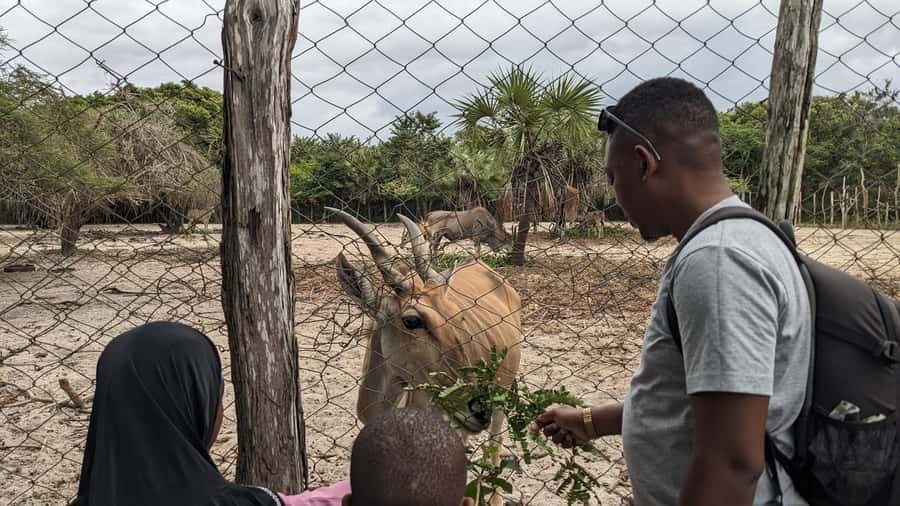
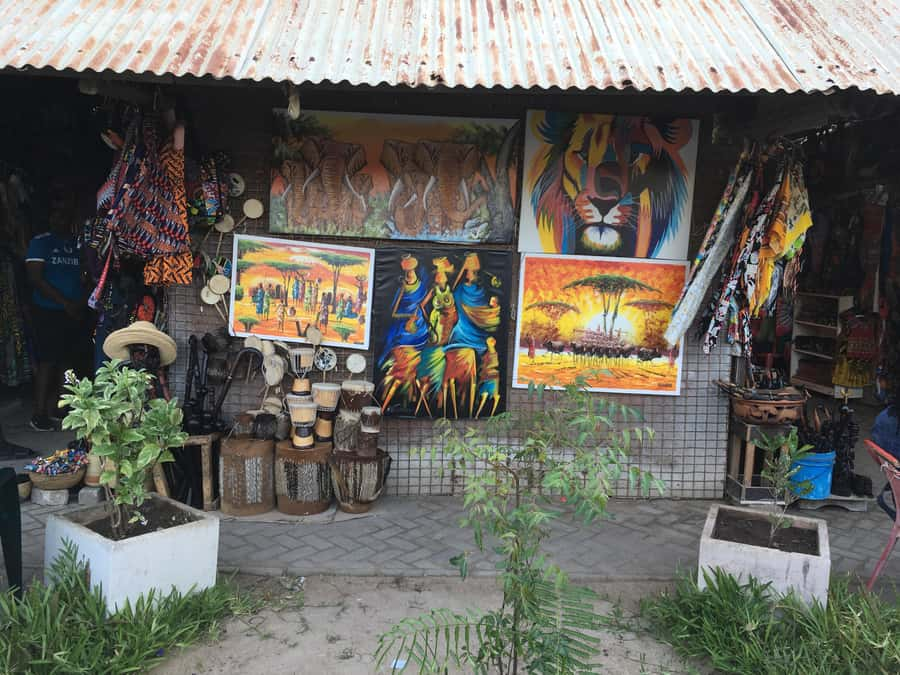
The Tinga Tinga Arts Cooperative Society introduces one of Tanzania’s best-known painting traditions. Expect colorful artwork and a chance to see or purchase locally made pieces.
This is a good point in the day to buy a souvenir with a clear connection to Tanzania. Paintings are easier to pack than many large wood carvings, though you still need to consider size and protection if you are continuing your trip.
The tour also includes the Mwenge Woodcarvers Market in the broader description. Mwenge is a useful place to compare carved figures, masks, furniture, and other handicrafts. You may find appealing work, but examine pieces closely. Ask about the wood, finish, and whether an item is suitable for travel. Prices may be open to discussion, so decide what you think an item is worth before bargaining.
A private guide can make shopping less awkward, but the final purchase remains your choice. Do not feel pressured to buy at the first stall. Walk around, compare similar pieces, and leave room in your luggage.
Makumbusho Village Museum shows older ways of life
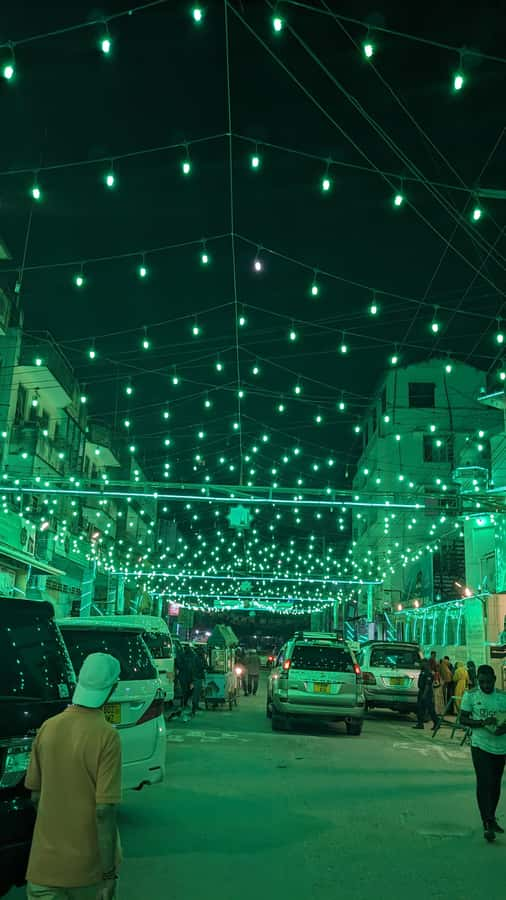
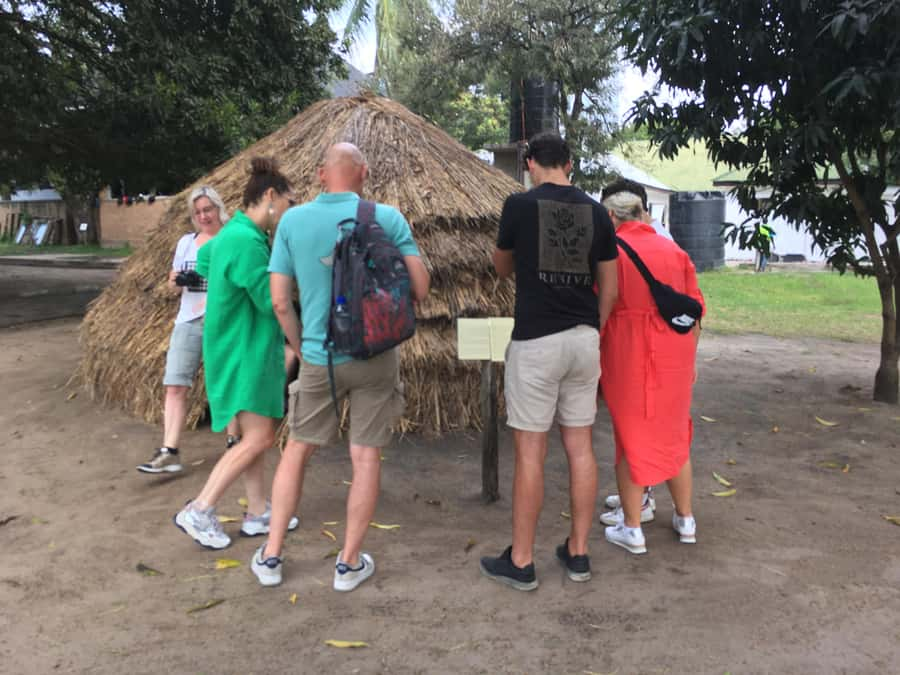
The Makumbusho Village Museum receives about 90 minutes on the schedule. It offers a look at traditional homes, building styles, and cultural practices from different parts of Tanzania.
This stop works well after the National Museum. The national museum gives you objects and broad historical context, while the Village Museum lets you see how homes and community life were represented through physical structures. That contrast helps you understand that Tanzania is not one single cultural block.
The open-air setting can mean more sun and walking, so use sunscreen and carry the bottled water provided. The tour includes transportation, but you should still expect to move on foot at several stops.
If you are most interested in local life, this may be one of the day’s strongest visits. If you prefer major monuments and formal galleries, you may find it less compelling. Saed’s explanation makes the difference because he can point out why particular buildings or customs matter rather than leaving you to guess.
Sunset at Slipway gives the day a softer ending
The final part of the route brings you to Slipway, a shopping and dining complex beside the ocean. After markets, traffic, museums, and several guided visits, this is a sensible place to slow down.
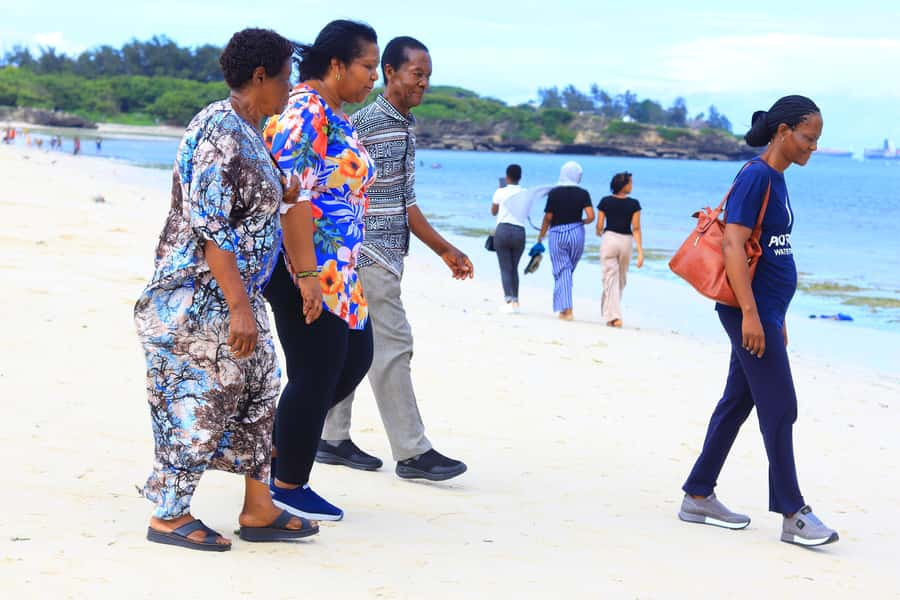
You can look over the water, watch the harbor area, browse shops, or take a break as the sun goes down. Traditional dhow boats are part of the coastal scenery described for the tour, and the waterfront helps tie the day back to Dar es Salaam’s role as a port city.
The itinerary allows about an hour for a break and sunset. Food is not listed as included, so budget separately if you want a meal or drink. One useful point from the tour experience is that Saed can suggest a place for local food and fresh juice if you want to eat during the day. Confirm what is included before ordering, since meals are not part of the stated package.
Slipway is more relaxed and commercial than Kariakoo or Kivukoni. That contrast is useful, but it also means the final stop may feel less distinctly local. I see it as a comfortable finish, not the main cultural reason to book the tour.
What the $99 price really covers
The $99 per-person price buys an eight-hour private outing rather than a basic sightseeing transfer. You get private transportation, air conditioning, WiFi on board, bottled water, pickup, and a live guide in English or Swahili.
The private format is the biggest value point. You can ask questions about subjects that interest you, spend a little longer at a market, or make your priorities clear. A shared group tour may be cheaper, but it is less likely to give you this level of conversation.
The price is easier to defend for a couple, family, or small private group. A solo visitor should compare the cost with hiring transport and arranging separate entry visits, although the guide’s local context is hard to price separately.
The tour has a five-star rating from seven verified bookings, with repeated praise for Saed’s care, organization, and command of Tanzanian history and daily life. The most useful takeaway is not the number itself. It is that the guide appears to be the main reason the route works so well. Without good explanation, this could feel like a long drive between unrelated stops.
Who should book this Dar es Salaam day?
I would choose this tour for a first day in Dar es Salaam, especially if you want a fast orientation before heading to other parts of Tanzania. It suits people who enjoy markets, museums, local food, public history, and asking questions.
It is also a strong choice for a short stay or airport layover, provided your timing is generous and you confirm the pickup plan. The airport is listed as both a pickup and drop-off point, but you should allow plenty of margin for traffic and flight schedules.
You may want something else if you prefer a slow beach day, a focused food tour, or one museum explored in great depth. The schedule is ambitious, and the city’s traffic can make the day feel full. The fish market is also not a polished attraction, so bring the right attitude and footwear.
The tour offers free cancellation up to 24 hours in advance and a reserve-now, pay-later option. Those terms add flexibility, but the bigger booking decision is whether you want breadth or depth. This is a broad, conversation-led introduction to Dar es Salaam.
Should you book it?
Book this tour if you want to see several sides of Dar es Salaam in one day and you value a local guide who can explain more than the names of buildings. Saed’s role is central, particularly at Kariakoo, Kivukoni, and the National Museum, where context turns busy scenes and imperfect displays into useful lessons about Tanzania.
Skip it if your priority is a slow schedule or a single theme. For most first-time visitors with eight hours to spare, though, the combination of markets, museums, crafts, churches, and waterfront time gives you a practical first look at the city.
FAQ
How long does the Dar es Salaam city tour last?
The tour lasts 8 hours.
What is the price?
The price is $99 per person.
Is the tour private?
Yes. It is offered as a private group experience.
Where can pickup take place?
Pickup is available from Julius Nyerere International Airport, Hyatt Regency Dar es Salaam, and The Kilimanjaro. Airport pickup takes place in the arrivals lounge, while hotel pickup is arranged in the accommodation lobby.
Where can drop-off take place?
The listed drop-off points are Julius Nyerere International Airport, Hyatt Regency Dar es Salaam, and The Kilimanjaro.
Which languages does the guide speak?
The live guide speaks English and Swahili.
Is transportation included?
Yes. The tour includes private transportation in an air-conditioned vehicle, along with WiFi on board and bottled water.
What markets are included?
The route includes Kariakoo Market and Kivukoni Fish Market. The broader tour description also includes Mwenge Woodcarvers Market.
What should I wear to the fish market?
The fish market usually has a wet surface, so wear shoes with good grip and avoid slippers.
Can I cancel for a full refund?
Yes. You can cancel up to 24 hours in advance for a full refund.
Just added around Dar Es Salaam
- The Ultimate Guide for 2-Day Tanzania Safari from Mwanza★ 5.0 · 3 reviews
- 5 Days Tanzania Safari from Mwanza to Arusha★ 5.0 · 8 reviews
- Sunrise Beach Walk with Picnic Breakfast Activity★ 5.0 · 3 reviews
- Saadani National Park Day Tour★ 5.0 · 3 reviews
- Private Tour in Historical Dar es Salaam with Lunch★ 4.5 · 6 reviews
- Dar es salaam Airport Transfer (Private & Group)★ 3.5 · 7 reviews
- Dar es salaam Private City Tour with Professional Guide★ 5.0 · 5 reviews
- Full Day Private Tour in Dar es Salaam City★ 5.0 · 4 reviews
City Tours, compared.
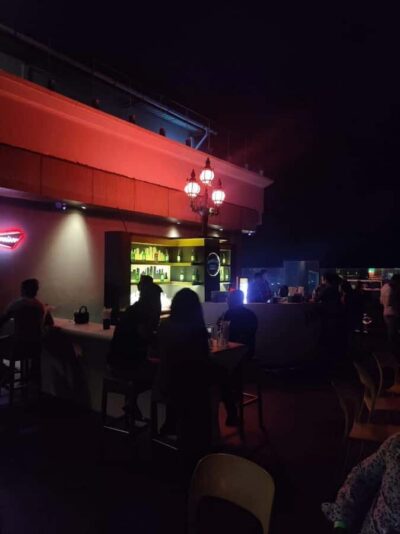
A Nightlife Adventure with a Local Guide: Dar es salaam city
Read our review →Browse the lists this tour appears in