
Reviewed · 4-DAY EXPERIENCES
4 Days Tanzania Safari
The best part of this four-day safari is the variety packed into a short trip: Tarangire’s elephant herds, the wide-open Serengeti, and a close look at wildlife inside Ngorongoro Crater. You get three of northern Tanzania’s headline places without having to organize separate park visits.
I like the small group size, capped at seven, and the chance to learn from a guide such as Sallu, who explains animals, birds, plants, and local life in detail. I also like the picnic-lunch format, which keeps you out in the parks instead of sending you back to a hotel at midday. The main consideration is the pace: four days means long drives and early starts, with much of the trip spent moving between parks.
Key points at a glance
- Tarangire starts the safari with elephants, baobabs, and swamp country, especially appealing during the dry season.
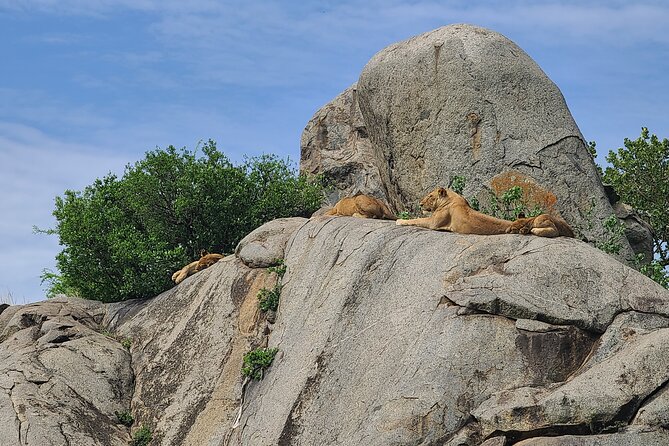
- Serengeti’s Seronera area gives you a strong central base for seeing many of the park’s familiar species.
- Ngorongoro Crater offers a concentrated wildlife day, including a chance to see black rhino.
- The group is limited to seven people, a useful size for sharing a safari vehicle without joining a very large party.
- Sallu is a guide to look for, with a reputation for explaining animals, birds, flowers, trees, and local experiences.
- The $930 price covers four days of major park visits, making this worth comparing with longer and more private safaris.
Three major parks in four days
This safari follows a classic northern Tanzania route from Arusha. You visit Tarangire National Park first, then cross through the Ngorongoro Conservation Area to Serengeti National Park, and finish with a game drive in Ngorongoro Crater.
That sequence works well. Tarangire gives you an immediate wildlife day close to Arusha. Serengeti then supplies the big sense of open country and the chance to look for large predators. Ngorongoro finishes with a compact, wildlife-heavy setting where many animals can be seen within a relatively small area.
You should think of this as an active safari, not a relaxed lodge holiday. The road sections matter. On Day 2, for example, you travel through the high farmland around Karatu and the Ngorongoro Conservation Area before dropping toward the Serengeti. Those transfers are part of the experience, but they also take time away from game viewing.
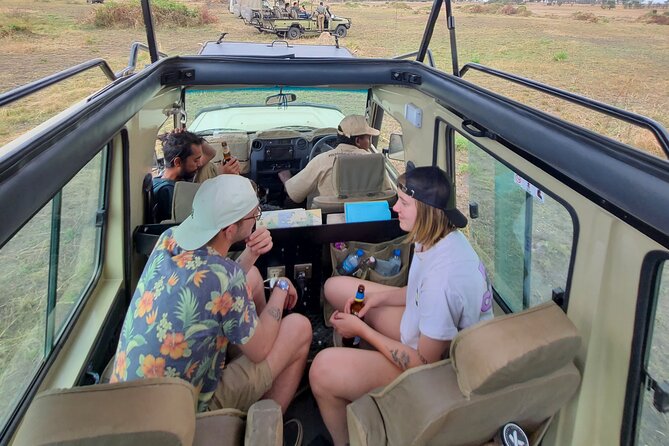
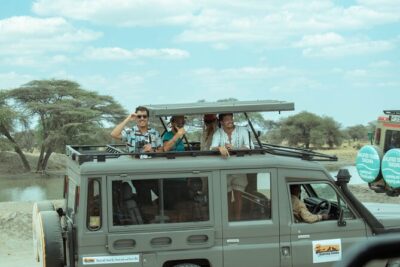
The tour is a group safari for a maximum of seven people. That is a useful compromise between a private trip and a large shared vehicle. You get the social side of meeting people from different parts of the world, while the group remains small enough to keep the vehicle from feeling crowded.
More Safaris in Arusha
- 4 Days Group Camping Safari
★ 5.0 · 1,101 reviews - 5 Days Group Camping Safari
★ 5.0 · 730 reviews - 7-Day Premium Luxury Tanzania Safari All-Inclusive
★ 5.0 · 426 reviews
Day 1: Tarangire’s elephants and baobab country
The first day begins with pickup in Arusha and a drive to Tarangire National Park. The published details give two start times: hotel pickup at 8:30 a.m. and a Mount Meru Hotel meeting time of 7:30 a.m. If you are staying elsewhere, confirm the exact pickup time before departure.
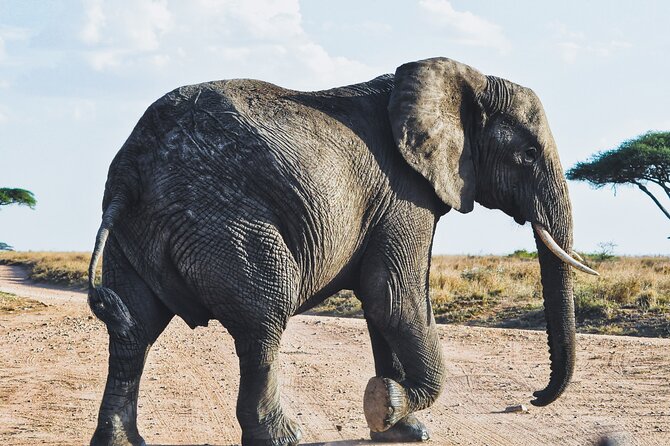
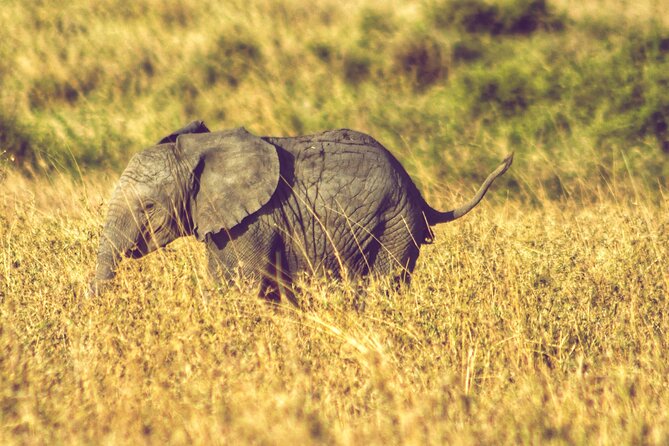
Tarangire is known for its large elephant population. The park’s vegetation includes acacia woodland, giant African baobab trees, and broad swamp areas in the south. During the dry season, the Tarangire River and swamps draw animals toward dependable water, which can make this a particularly rewarding time for sightings.
The setting has a character of its own. Baobabs give the park a striking profile, while elephants moving through the woodland provide the main attraction. The park is also associated with the greater kudu, fringed-eared oryx, and ashy starling, three less common species that add interest beyond the usual safari checklist.
You spend the day on game drives and eat a picnic lunch in the park. That is practical because it keeps your viewing time focused on the reserve. It also means you should be ready for a full day outside, with limited control over when and where the schedule pauses.
Tarangire is a smart first stop because it offers a distinct habitat rather than repeating the open plains you see later. If elephants are high on your list, this day may be one of the strongest parts of the trip.
Day 2: From Karatu to the Seronera plains
After breakfast, you head toward Serengeti through the highland farmland near Karatu and the Ngorongoro Conservation Area. The road then descends toward the broad plains of Serengeti National Park.
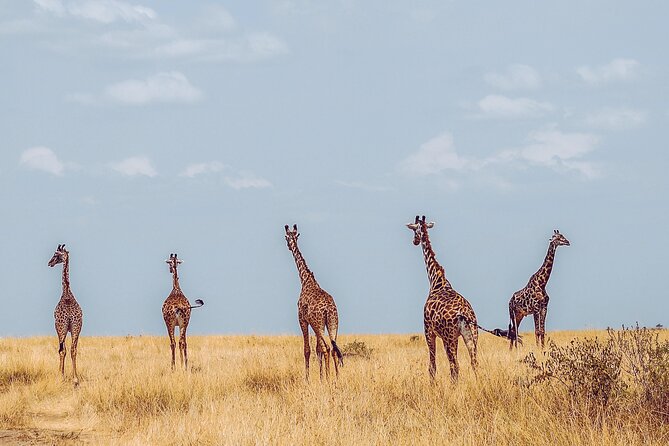
The change in scenery is a major part of the day. You leave cultivated highlands behind and reach the open country for which the Serengeti is famous. The view can stretch far into the distance, giving you a sense of scale that is difficult to get from a short visit to a smaller reserve.
The route takes you toward the central Serengeti and the Seronera area. The Seronera River provides water, so this part of the park attracts a wide range of wildlife. That makes it a sensible place to spend your first Serengeti afternoon.
You arrive in time for lunch, followed by an afternoon game drive. The schedule gives you a chance to see the park on the same day you enter it, but the tradeoff is another long travel day. You should not expect hours of nonstop sightings from Arusha to Seronera. The appeal is the gradual change from farmland to one of Africa’s most famous wildlife regions.
The description of the safari highlights the possibility of seeing the big five: lion, leopard, elephant, buffalo, and rhino. No safari can promise every animal, but the central Serengeti is chosen because it supports many of the park’s main species. Your guide’s skill matters here. Sallu, one of the guides associated with this company, is praised for explaining animal behavior along with birds, trees, flowers, and personal experiences from the region.
That kind of explanation changes the way you look at a game drive. Instead of only searching for a lion, you begin to notice the smaller details around the road and understand why animals gather in a particular area.
Day 3: A last Serengeti drive and the Maasai grazing lands
Day 3 begins with an early breakfast and a final morning game drive in Serengeti. Early starts are normal on safari because the cooler part of the day can be useful for wildlife viewing, and you will want to make the most of your remaining time in the park.
After the morning drive, you leave for the Ngorongoro Conservation Area. The route includes another game drive and a picnic lunch, so the transfer is not simply a long road journey. You continue watching for wildlife as you move toward the crater region.
Ngorongoro is not a national park. It is a conservation area managed for wildlife and for Maasai communities who graze cattle in the same broader region. That shared use gives this part of the trip a cultural dimension that you do not get from a wildlife-only reserve.
The day is also where the safari’s tight schedule becomes most obvious. You have a morning drive, a transfer, an en-route drive, and a picnic lunch before settling in near the crater area. I would view this as a productive travel day rather than a restful one.
For you, the value lies in seeing how northern Tanzania manages more than wildlife alone. The route connects protected areas, farmland, grazing areas, and major safari destinations. That wider view helps explain that the region is a lived-in place, not just a series of animal viewing zones.
More Arusha safaris to compare:
- 8 Days Great Wildebeest Calving Migration Safari from Arusha
★ 5.0 · 254 reviews - Group Safari 7 Days in Tanzania’s Main Parks
★ 5.0 · 240 reviews - Tanzania Simba Safari – 5 Days
★ 5.0 · 217 reviews - 5 Days Budget Private Safari, Tanzania
★ 5.0 · 191 reviews
Day 4: Five hours inside Ngorongoro Crater
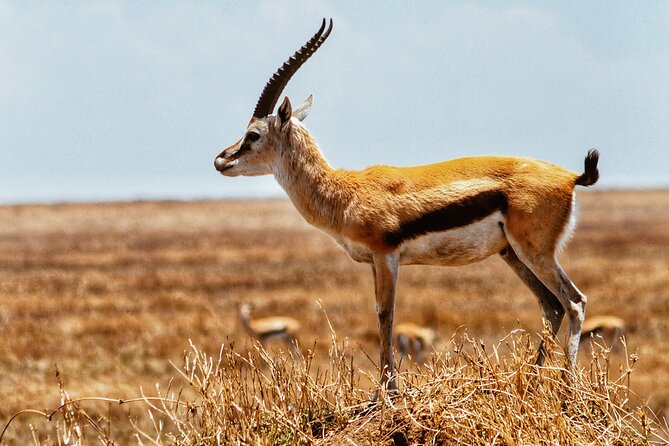
After breakfast, you descend into Ngorongoro Crater for about five hours of game viewing. The crater is one of the most concentrated wildlife areas in Africa, with an estimated 30,000 animals and a dependable supply of water and grazing.
The crater’s enclosed setting gives the day a different feel from the Serengeti. You are looking across a contained natural basin rather than an immense open plain. The shorter distances between wildlife areas can make the crater especially satisfying when you have only one final safari day.
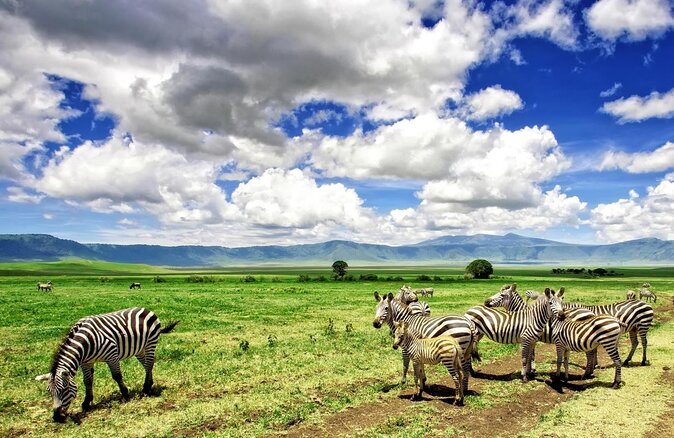
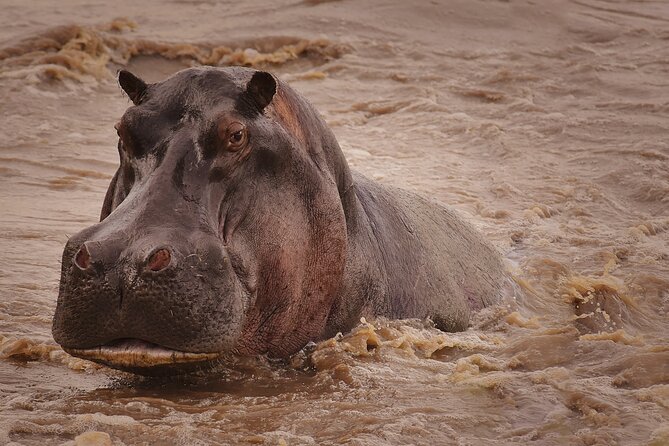
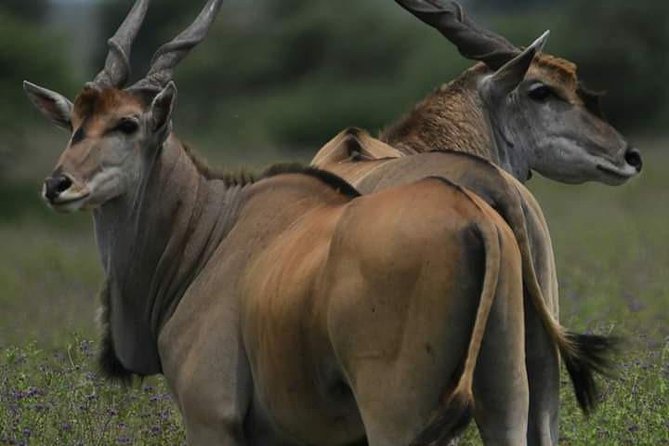
The animal list is strong. You might see wildebeest, zebra, buffalo, eland, warthog, hippo, and elephants. Predators include lions, hyenas, jackals, cheetahs, and the more elusive leopard. The crater is also known for black rhino, among Tanzania’s rarest large mammals.
You eat a picnic lunch on the crater floor. That keeps you close to the action and avoids a long break away from the wildlife area. It also means the day is structured around being outside, so bring patience and accept that the best sightings may not happen on a fixed timetable.
The crater can feel like a grand finale because it brings many species into one memorable setting. Still, its popularity and concentrated wildlife should not be confused with a guarantee. Animal sightings are never fixed, and the exact experience depends on the day, weather, animal movement, and guide decisions.
What the $930 price really gives you
At $930 per person, this is priced as a budget to mid-range group safari rather than a private luxury trip. The value comes from combining three major destinations in four days, with pickup offered, a mobile ticket, picnic lunches, and game drives included in the planned schedule.
The small maximum group of seven improves the value. A much larger group can make a safari vehicle feel cramped and can make it harder for everyone to see or hear the guide. With seven people, you still share the experience and meet people from other countries, but the group remains reasonably manageable.
The price is strongest for someone who wants the main northern Tanzania highlights without paying for a private vehicle. It is less appealing if you want a slow itinerary with extra nights in each park, long periods at one lodge, or complete control over stops.
You should also compare what competing safaris include before booking. The supplied details confirm the destinations, duration, pickup option, group size, picnic lunches, and game drives, but they do not spell out every accommodation or meal arrangement. Ask for those details in writing, along with the exact Arusha pickup time.
The guide can shape the entire experience
On safari, the vehicle gets you there, but the guide helps you understand what you are seeing. Sallu is specifically associated with friendly, detailed guiding and explanations covering animals, birds, flowers, trees, and local experiences. That broad knowledge is valuable because a good safari is not only a search for the big five.
Another guide name connected with the company is Supat. The available information does not describe Supat’s role on this exact departure, so you should not assume who will lead your group. Ask for the assigned guide if that matters to you.
The company’s other safari programs include Lake Manyara, Ngorongoro Crater, and Serengeti, showing that the team works across the northern circuit. This particular trip focuses on Tarangire, Serengeti, and Ngorongoro, so it suits you if those three parks matter more than adding Lake Manyara.
A guide who explains local culture can also help you understand the Ngorongoro Conservation Area, where Maasai cattle graze alongside wildlife. That context gives the journey more meaning than a simple list of parks.
Practical points before you book
You can cancel for a full refund if you do so at least 24 hours before the experience begins. Changes made within 24 hours are not accepted, and cancellations inside that window are not refunded.
The company may also require a minimum number of participants. If the departure is canceled because that minimum is not reached, you are offered another date or experience, or a full refund.
Most people can take part, according to the supplied tour information. The details do not provide a specific accessibility plan, so contact the operator if you need mobility support or have concerns about long drives, park roads, or getting in and out of the vehicle.
Pickup is offered, and Mount Meru Hotel in Arusha is listed as the meeting point. Because the details show both 7:30 a.m. and 8:30 a.m. in different places, confirm your personal pickup instructions before the day begins.
Who should choose this safari?
I would recommend this trip to you if you have four days, want the classic northern Tanzania route, and prefer a shared safari to the cost of a private one. It is also a good fit if you want a social trip and enjoy hearing different languages and backgrounds around the vehicle.
It suits first-time safari visitors because the route includes a range of habitats and the best-known parks in the area. Tarangire offers elephants and baobabs, Serengeti gives you the great open plains, and Ngorongoro brings a high concentration of wildlife into the final day.
I would hesitate if you dislike long transfers, early breakfasts, or tightly planned days. The itinerary is ambitious. You see a lot, but you do not have much spare time if weather, road conditions, or wildlife viewing slows the schedule.
Should you book the four-day route?
Book it if your priority is seeing Tarangire, Serengeti, and Ngorongoro Crater in one practical trip at a shared-safari price. The seven-person limit, picnic lunches, and strong guide profile make it a useful choice for someone who wants substance over luxury.
Before paying, confirm the exact pickup time, accommodation details, meal inclusions, and assigned guide. If you accept the long drives and active pace, $930 buys a strong introduction to Tanzania’s northern safari circuit. If you want more time in each park, choose a longer itinerary instead.
FAQ
Where does the safari begin?
The listed meeting point is Mount Meru Hotel on Arusha-Taveta Road in the Sekei area of Arusha. Pickup from your Arusha hotel is also offered.
What time does the safari start?
The information gives a 7:30 a.m. start at Mount Meru Hotel and an 8:30 a.m. hotel pickup. Confirm your exact meeting time with the operator before departure.
How many people can join the safari?
The group has a maximum of seven people.
Which parks and conservation areas are included?
The route includes Tarangire National Park, Serengeti National Park, and the Ngorongoro Conservation Area, including a game drive inside Ngorongoro Crater.
Is this a private safari?
No. It is described as a group safari, giving you the chance to share the vehicle and meet people from different parts of the world.
How long is the game drive in Ngorongoro Crater?
The final day includes about five hours of game viewing inside the crater, along with a picnic lunch on the crater floor.
Can I cancel for a refund?
Yes. You can receive a full refund if you cancel at least 24 hours before the experience start time. Cancellations within 24 hours are not refunded, and changes within that period are not accepted.
More Four-Day Trips in Arusha
- 4 Days safari Tour Tanzania
★ 5.0 · 159 reviews - 4 Days Mount Meru Trekking
★ 5.0 · 55 reviews - 4 days safari in Tanzania
★ 5.0 · 49 reviews - 4-Day Simba Safari – Mid Range Tour
★ 5.0 · 47 reviews
Just added around Arusha
- From Arusha: 11 days The Classics Northern Tanzania safari★ 5.0 · 11 reviews
- 6-Day Mount Meru Climb through Momella Route Guided Tour★ 5.0 · 5 reviews
- Private Day Trip to Arusha National Park with a Walking Safari★ 5.0 · 4 reviews
- From Arusha : 11-day Amazing North Tanzania safari tour★ 5.0 · 4 reviews
- Walking Day Tour to Safari in Arusha National Park★ 5.0 · 5 reviews
- 2 Days Tanzania Midrange Group Join Safari★ 5.0 · 7 reviews
- Best 5 Days Tanzania Private Luxury Safari with luxury Lodges★ 5.0 · 12 reviews
- Waterfall & Coffee Walking Tour★ 5.0 · 6 reviews
4-Day Experiences, compared.
4 Days Join Group tour Tarangire Serengeti and Ngorongoro crater
Read our review →
4-Day Safari from Arusha: Tarangire, Serengeti and Ngorongoro
Read our review →
4 days Best experience Kilimanjaro Hike, Serengeti &Ngorongoro
Read our review →
4 Days lodge safari Tarangire , Ngorongoro crater & Walking
Read our review →Browse the lists this tour appears in