
Reviewed · MIDRANGE SAFARIS
4-Day Simba Safari – Mid Range Tour
The big draw here is the chance to see three of northern Tanzania’s best-known wildlife areas in just four days. You move from Lake Manyara’s birdlife and tree-climbing lions to the open plains of the Serengeti, then down into the wildlife-filled bowl of Ngorongoro Crater.
I like the private format, since only your group takes part, and I like the attention paid to meals, with hot lunches prepared in the bush rather than a quick sandwich. The main caution is time: long road journeys leave little room for error, and the final overnight and drop-off details need confirming before you pay.
Key points to know before booking
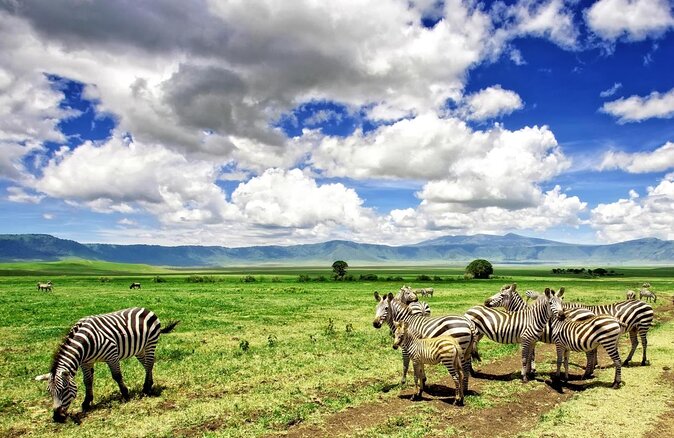
- Three major parks in four days: Lake Manyara, Serengeti, and Ngorongoro Crater each offer a different type of wildlife viewing.
- Private group format: You share the vehicle only with your own party, not with a mixed group.
- Guiding is a major strength: Guides including Mwinyi, Inno, Juma, George, Zadock, Calvin, and Hassni are praised for wildlife spotting, safe driving, patience, and clear explanations.
- Hot safari lunches: The stated meals include soup, bread rolls, a main dish, fruit salad, tea, coffee, and wine.
- The price needs a close look: At $2,179 per person, park fees and meals are included, but accommodation is not clearly itemized in the included list.
- Expect full days: Each listed park stop is about eight hours, before counting the long drives between parks.
A fast route through Tanzania’s northern parks
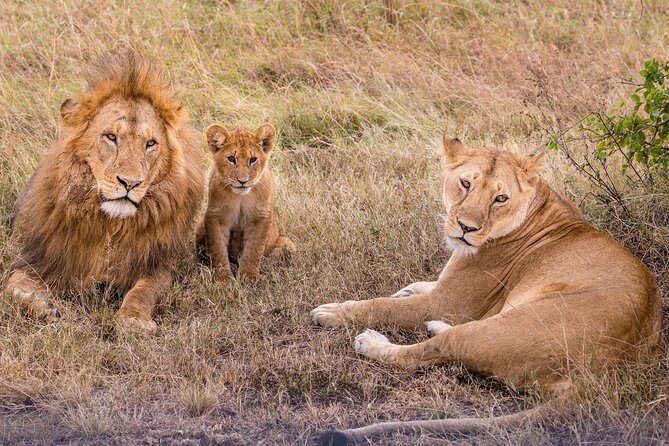
This is a classic northern Tanzania circuit, designed for someone who wants the major names without committing to a week or more. From Arusha, you head first to Lake Manyara, then onward to the Serengeti, and finally to Ngorongoro Crater before returning to the meeting point.
The route gives you variety. Lake Manyara is compact and especially good for birds. The Serengeti is the grand open stage, with the possibility of wildebeest, big cats, elephants, and other plains animals. Ngorongoro brings a different setting, with wildlife gathered inside an enormous volcanic caldera.
The trade-off is obvious. Four days sounds generous on paper, but northern Tanzania is large. You will spend substantial time on the road, and the Serengeti section is not a casual side trip from Arusha. I would choose this plan for a first safari when the goal is to see several major areas, not for a slow, stay-put holiday.
More Midrange Safaris in Arusha
- 5-Day Private midrange Tour in Arusha with Airport Pickup
★ 5.0 · 160 reviews - 5 Days Mid-Range Group Safari with Accommodation
★ 5.0 · 67 reviews - 6 Day Tanzania Wildlife Mid range Safari
★ 5.0 · 54 reviews
Day 1: Lake Manyara’s birds, elephants, and tree-climbing lions
After breakfast, you drive from Arusha to Lake Manyara National Park for a full-day game drive. The park is a strong opening act because it offers more than the usual big-animal checklist.
More than 400 bird species have been recorded here. On a good day, you may see a remarkable range of birds in a single visit, including water birds near the lake and woodland species farther inland. If birds matter to you, bring binoculars and tell your guide early. A guide who knows your interests can help turn passing birds into part of the main event.
The park is also associated with large-tusked elephants and its famous tree-climbing lions. You should keep expectations sensible: no wildlife sighting is guaranteed, and the lions may be resting on the ground rather than perched in a tree. Still, the possibility gives Manyara a character that differs from the open plains farther north.
The stated lunch service is more elaborate than the usual packed safari meal. Your driver prepares a table with hot soup, bread rolls, a main course, fruit salad, tea, coffee, and a glass of wine. That sounds pleasant, but it also takes time, so ask your guide how lunch will fit with the day’s wildlife activity.
After lunch, you continue the game drive before checking into the lodge for dinner and the night. The description gives this day about eight hours, but the drive from Arusha and the final transfer can make it feel longer. Wear comfortable clothes, carry water, and keep your camera ready even between formal game-drive stops.
Day 2: The long road to the Serengeti
After breakfast, you set out for Serengeti National Park. This is the day when the tour’s compact schedule becomes most noticeable. The Serengeti is enormous, and reaching the park from the Lake Manyara area takes time. You gain access to one of Africa’s best-known wildlife regions, but you lose some hours that a longer safari would spend searching slowly.
The stated aim is to look for the Great Migration. That is an exciting possibility, but migration sightings depend on the date, rainfall, animal movements, and the area open to your vehicle. Ask for the expected migration zone before arrival, and do not treat a sighting as guaranteed simply because it appears in the tour description.
The Serengeti is not only about migrating wildebeest. The park also supports resident wildlife, including large herds and predators. Lions, cheetahs, leopards, elephants, and many smaller animals may be seen, with the quality of the experience depending greatly on your guide’s ability to read tracks, communicate with other drivers, and choose where to spend time.
The lunch promise again favors a proper hot meal, with soup, rolls, a main dish, fruit salad, tea, coffee, and wine. The private setup is a useful comfort after a long drive. It also makes the day feel less like a race from one park gate to another.
You spend the evening at a camp or lodge in the Serengeti. The accommodation type and exact property are not named, so ask for those details before booking. That matters because mid-range can mean different things in Tanzania, from a solid permanent tented camp to a more basic lodge.
Day 3: A second Serengeti game drive for big cats
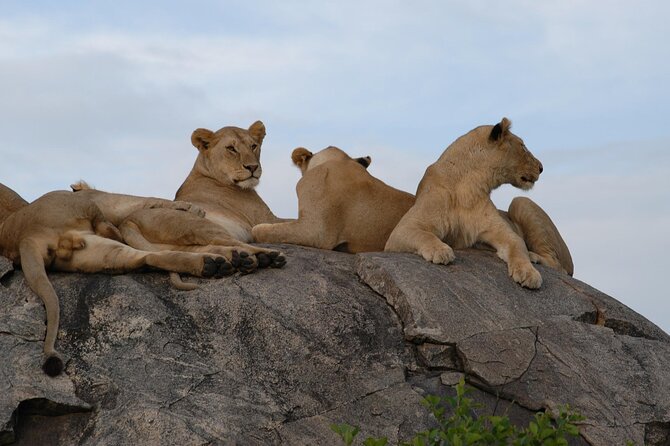
Day three gives you more time inside the Serengeti before the late-afternoon move toward Ngorongoro. That extra morning and afternoon search is important. Wildlife viewing is built on patience, and a second game drive gives you a better chance to find the animals that were absent or hidden the day before.
The focus is on big cats and the Big Five. Lions are often easier to locate than leopards, while cheetahs and leopards require more luck and sharper eyes. Several guides associated with this safari have been praised for spotting difficult animals, including cheetahs in open country and leopards in trees.
The guide can make a real difference here. Mwinyi Hamza is praised for explaining animals, birds, plants, and trees, while Inno is noted for strong English and Swahili, careful searching, and finding lions, cheetahs, and leopards. Juma is praised for patience and enthusiasm, and George for wildlife spotting and an engaging manner. Calvin Kileo is described as patient and highly alert on the routes. Hassni is singled out for safe driving, trustworthiness, and a willingness to help. Zadock is praised for tracking animals, especially cheetahs.
Those names do not guarantee which guide you will receive, so ask whether you can request one. More important, ask about the guide’s language ability and experience with your interests. A bird watcher and a first-time safari visitor may want different explanations and different pacing.
Lunch follows the same hot-table arrangement. Later, you drive toward Ngorongoro for dinner and the night. This transfer can be tiring after a full game drive, but it positions you well for the early start into the crater the following day.
More Safaris in Arusha
- 4 Days Group Camping Safari
★ 5.0 · 1,101 reviews - 5 Days Group Camping Safari
★ 5.0 · 730 reviews - 7-Day Premium Luxury Tanzania Safari All-Inclusive
★ 5.0 · 426 reviews - 8 Days Great Wildebeest Calving Migration Safari from Arusha
★ 5.0 · 254 reviews
Day 4: Ngorongoro Crater and Lake Magadi
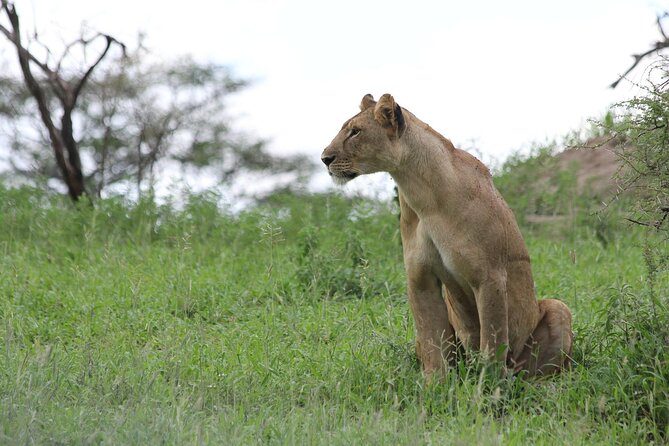
You begin with an early breakfast, then drive into Ngorongoro Crater for a full-day crater tour. The crater is the visual high point of the route. It is about 20 kilometers across, roughly 600 meters deep, and around 300 square kilometers in area. Its steep sides create a contained setting where many animals can be seen within a relatively small area.
That concentration is the reason Ngorongoro works so well on a short safari. You may find lions, elephants, buffalo, hippos, birds, and other animals during one long day. The crater is also home to Lake Magadi, a large, shallow alkaline lake in the southwest. Flamingos and other water birds may gather there, while hippos can often be seen in suitable water areas.
The crater is not a private wildlife park. It is a popular destination, and several vehicles may gather around a notable sighting. Your guide’s judgment matters. A good guide can help you enjoy the animal rather than only the traffic around it, and may know when to wait or move on.
The final game drive continues after lunch, followed by a drive to the lodge for dinner and another overnight stay in the supplied schedule. This is the one point I would clarify carefully. The tour is described as four days and ends back at the meeting point, but the day-four wording includes dinner and an overnight stay without naming the location or explaining the final transfer. Confirm exactly where the last night is, and when you return to Arusha.
What the private format really gives you
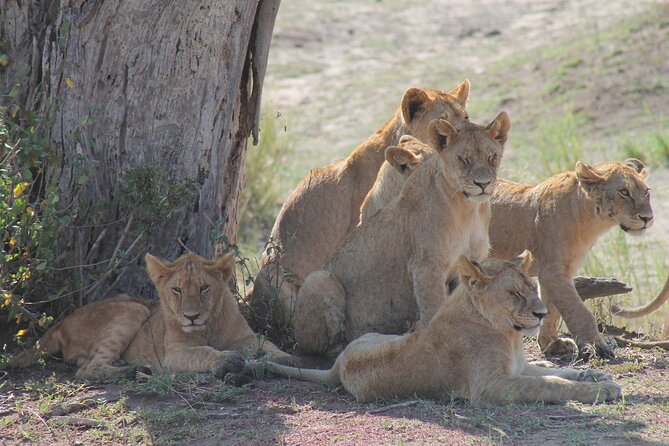
The tour is private, meaning only your group participates. That is a useful feature if you want to ask frequent questions, adjust the balance between birds and large mammals, or spend longer at an interesting sighting.
It does not mean the parks themselves will be empty. Other safari vehicles can be present, especially around popular animals and in Ngorongoro Crater. The advantage is control over your own vehicle and guide, not exclusive access to the parks.
The vehicle is not described in detail, but several accounts praise the car’s condition, comfort, space, and useful equipment. Ask for a current vehicle description before booking, especially if you have a larger group or plan to carry substantial camera gear.
Meals, lodges, and the mid-range question
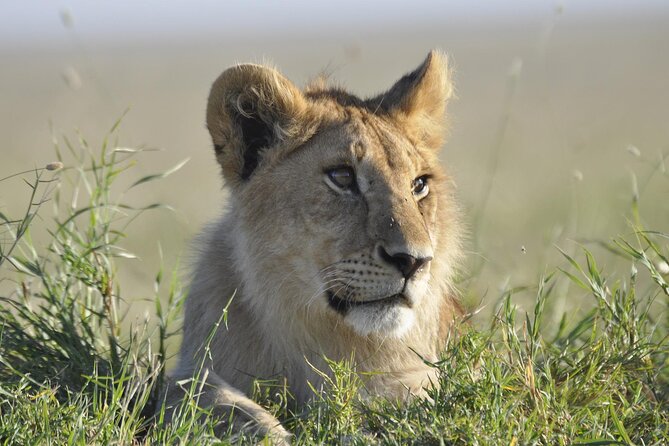
The included meals are clear: three breakfasts, four lunches, and three dinners. The daily hot lunches are a real selling point if the service is delivered as described. They offer a more comfortable break than a cold sandwich and give you a chance to sit at a proper table during a long day outdoors.
Accommodation is less clear. The daily schedule refers to lodges and camps, but the included section lists park fees, a professional driver-guide, and meals without explicitly naming accommodation. At $2,179 per person, this is not a minor detail. Before paying, ask for the names of every lodge or camp, whether rooms are private, and whether all accommodation nights are included in the quoted price.
The price can still make sense if it covers quality lodging, a private vehicle, experienced guiding, park fees, and all meals. Park fees alone are a meaningful part of a Tanzania safari budget, and private guiding costs more than joining a shared vehicle. But you should compare the total package, not just the headline number.
Also budget for tips. The stated guideline is $10 per person per day. International flights, airport transfers, travel insurance, visa fees, souvenirs, and other personal items are not included.
Who will enjoy this safari most
I would recommend this route to a first-time safari visitor who wants the major northern parks and has only four days available. It also suits a family or small private group that values a dedicated guide and wants to keep the vehicle to itself.
Bird watchers will appreciate Lake Manyara, while wildlife photographers may like the chance to spend time with guides praised for sharp spotting and patience. The route also suits people who want some comfort at mealtimes instead of carrying a basic packed lunch every day.
I would hesitate if you dislike long drives or want a relaxed schedule. The plan is ambitious, and each park day is full. I would also choose a longer safari if the Great Migration is the main reason for coming. More nights in the Serengeti give you a better chance of matching your visit with the animals’ actual location.
Practical advice before you commit
Ask these questions before booking:
- Which lodge or camp is used on each night?
- Is the final night included, and where does day four end?
- Which guide is assigned, and can you request Hassni, Juma, Mwinyi, Inno, George, Calvin, or Zadock?
- What type of safari vehicle is provided?
- Does the quoted price include all accommodation, or only the items named under inclusions?
- What is the exact pickup time and final return plan from Arusha?
Pack light, since you will change locations. Bring binoculars, sun protection, a hat, comfortable clothing, and camera batteries. The supplied cancellation terms allow a full refund when you cancel at least 24 hours before the start time. Late cancellations are not refunded, and poor weather may lead to a new date or a full refund.
Should you book the 4-Day Simba Safari?
Book it if you want a private, tightly planned introduction to Lake Manyara, Serengeti, and Ngorongoro Crater, and you value a guide who can spot animals, drive safely, and explain what you are seeing. The hot lunches and strong reports about guides such as Mwinyi, Inno, Juma, George, Hassni, Calvin, and Zadock add real appeal.
Pause before booking if the $2,179 price stretches your budget or if the accommodation details remain vague. Confirm the lodges, final overnight, vehicle, and airport or Arusha transfer plan in writing. With those points settled, this can be a practical first safari, but its compact schedule asks you to trade slow exploration for a broad sample of Tanzania’s northern parks.
FAQ
Where does the safari start and end?
It starts in Arusha, Tanzania, and the activity is stated to end back at the meeting point.
Which national parks and protected areas are included?
The route includes Lake Manyara National Park, Serengeti National Park, and the Ngorongoro Conservation Area, including Ngorongoro Crater.
Is this a private safari?
Yes. Only your group participates in the activity.
Are meals included?
Yes. The package includes three breakfasts, four lunches, and three dinners. Lunch is described as a hot meal with soup, bread rolls, a main dish, fruit salad, tea, coffee, and a glass of wine.
Are park fees included?
Yes. Park fees for non-residents are included.
Is airport transfer included?
No. Roundtrip airport transfer is not included.
What is the cancellation policy?
You can cancel at least 24 hours before the experience starts for a full refund. Cancellations or changes made less than 24 hours before the start time are not accepted for a refund. If poor weather causes the operator to cancel, you will be offered another date or a full refund.
More Four-Day Trips in Arusha
- 4 Days safari Tour Tanzania
★ 5.0 · 159 reviews - 4 Days Mount Meru Trekking
★ 5.0 · 55 reviews - 4 days safari in Tanzania
★ 5.0 · 49 reviews - 4-Day fascinating Camping Safari in Tanzania
★ 5.0 · 35 reviews
Just added around Arusha
- From Arusha: 11 days The Classics Northern Tanzania safari★ 5.0 · 11 reviews
- 6-Day Mount Meru Climb through Momella Route Guided Tour★ 5.0 · 5 reviews
- Private Day Trip to Arusha National Park with a Walking Safari★ 5.0 · 4 reviews
- From Arusha : 11-day Amazing North Tanzania safari tour★ 5.0 · 4 reviews
- Walking Day Tour to Safari in Arusha National Park★ 5.0 · 5 reviews
- 2 Days Tanzania Midrange Group Join Safari★ 5.0 · 7 reviews
- Best 5 Days Tanzania Private Luxury Safari with luxury Lodges★ 5.0 · 12 reviews
- Waterfall & Coffee Walking Tour★ 5.0 · 6 reviews
Midrange Safaris, compared.
5-Day Highlights mid-Range Crater, Serengeti, Tarangire
Read our review →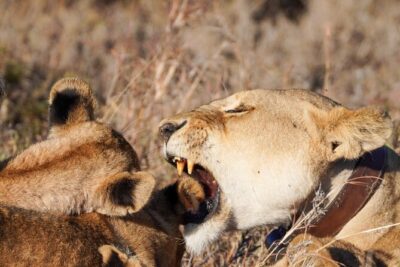
5-Day Private midrange Tour in Arusha with Airport Pickup
Read our review →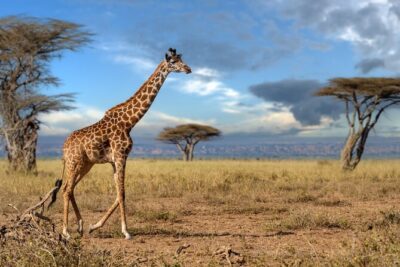
4 Days Tarangire, Serengeti and Ngorongoro Mid-Range Group Safari
Read our review →
7-Day Midrange Tanzania Safari Adventures (Big 5)
Read our review →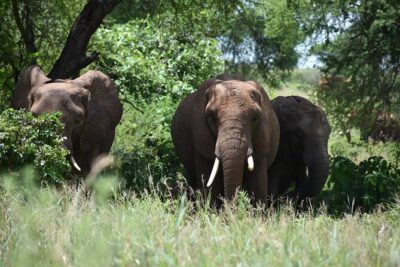
7 Days Highlight of Tanzania Mid-Range Standard
Read our review →
5- Days Best Mid-range Safari and Maasai Village experience
Read our review →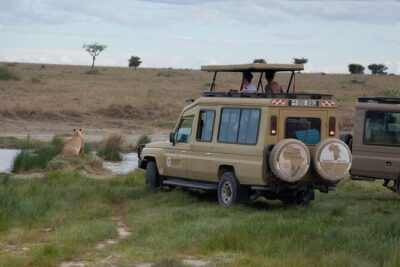
5 days Tanzania midrange lodge Private safari
Read our review →Browse the lists this tour appears in