
Reviewed · STONE TOWN TOURS
Best of Zanzibar: Spice Tour & Stone Town Visit
Zanzibar’s best introduction may be found in two very different places: a fragrant spice farm and the narrow stone lanes of Stone Town. At the farm, you smell cinnamon, cloves, vanilla, nutmeg, and cardamom where they grow, then switch gears for Zanzibar’s complex history in the old city.
I like the hands-on spice tasting, which turns a simple garden walk into something you can feel and remember. I also like the two-part design: the plantation explains everyday island life, while Stone Town brings in trade, architecture, religion, and the legacy of slavery.
The main drawback is that the day can feel touristy, especially at the spice farm, and the Stone Town walk includes moderate walking in hot weather. Some timing details have also differed between booking information and the day itself, so keep your phone available for messages from the operator.
Key points
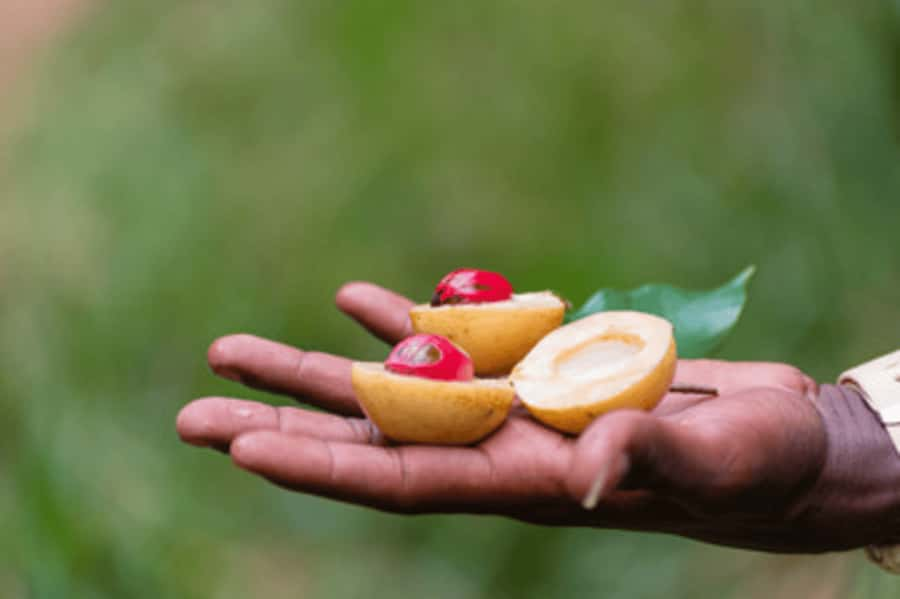
- Fresh spices and fruit: Smell, touch, and taste cloves, cinnamon, vanilla, nutmeg, cardamom, and tropical fruit at a working plantation.
- Two distinct Zanzibar experiences: Pair rural farming traditions with Stone Town’s old forts, markets, doors, and historic buildings.
- Guides with local character: Farm guides such as Mimo, Salim, and Yassir have been singled out for clear explanations and a good sense of humor. Stone Town guide Ahmed Issa Ahmed is noted for explaining the meaning behind Zanzibar’s carved doors.
- Hotel transport included: Pickup and drop-off are provided in selected areas, with the exact pickup time confirmed the evening before.
- Expect heat and uneven streets: Wear light, modest clothing and sturdy, comfortable shoes.
- Good value at $60: The price combines transport, a plantation entry, two guided portions, and bottled water, though some site fees, food, and purchases are extra.
Why the spice farm is the heart of the day

The first half of the experience takes you into Zanzibar’s agricultural side. The island is often called the Spice Island, and this visit shows you why in a direct, sensory way. You are not simply looking at labeled jars in a shop. You walk through tropical gardens while a local guide explains how spices grow, how farmers use them, and why they became so important to Zanzibar.
You can smell and handle familiar ingredients in their natural form. Cinnamon, vanilla, cloves, nutmeg, cardamom, and other spices become easier to understand once you see the plants that produce them. The guide also explains local farming methods and the role of spices in the island’s past and present.
This is where guides such as Mimo, Salim, and Yassir can make a real difference. A good farm guide keeps the walk moving, answers questions, and connects the plants to cooking and daily life. Salim has been praised for being both entertaining and well informed, while Mimo has been warmly remembered for the farm visit and tastings.
The tasting is not a small footnote. Fresh tropical fruit and spices are served toward the end, giving you a chance to compare flavors you may know from a supermarket with produce taken much closer to its source. The food is one reason this portion earns so much praise.
More Stone Town walks:
- Zanzibar: Stone Town, Spice Tour, Prison Island with Lunch
★ 4.4 · 1,219 reviews - Zanzibar: Prison Island, Stone Town, & Spice Farm Tour
★ 4.5 · 579 reviews - Zanzibar; Prison Island, Nakupenda, StoneTown Tour with BBQ
★ 4.3 · 457 reviews
What the plantation visit feels like

The farm is a real working place, but you should set your expectations correctly. This is also a well-established stop on the Zanzibar sightseeing circuit, so it can feel organized for visitors rather than like a private farm visit. If you want a quiet, off-the-beaten-path experience, this may feel too polished.
Still, the tourist setup has a useful side. The route is easy to follow, the plants are explained in a clear order, and the tastings help you remember what you have learned. I would treat it as an introduction to Zanzibar’s spice trade, not as a full agricultural study.
Wear clothing that handles heat well. One person found the high-season conditions very hot, and that is worth taking seriously. The gardens are outdoors, and the day operates in all weather, so a raincoat or umbrella is sensible during the rainy season.
Bring water, though a bottle is included. Sunscreen and insect repellent are not included, so pack them if you need them. The tour does not provide every comfort automatically, but the practical needs are easy to cover with a small day bag.
From the farm to Stone Town
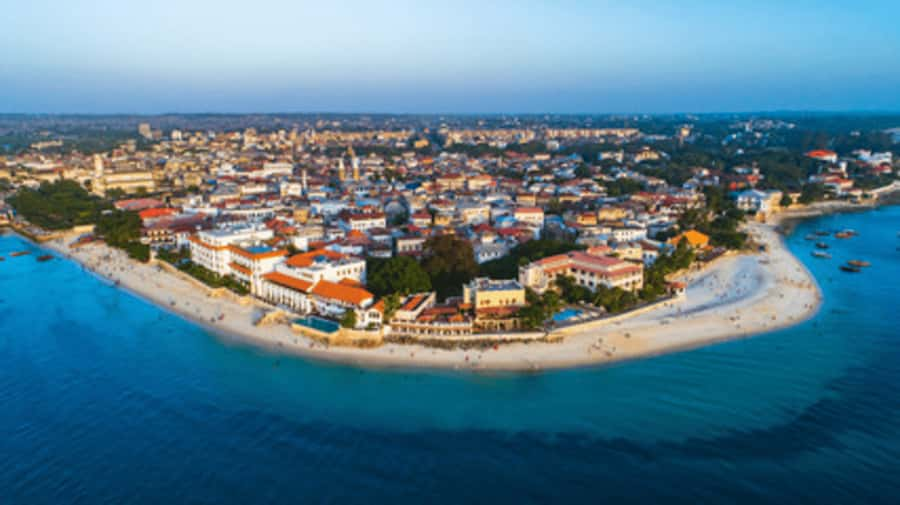
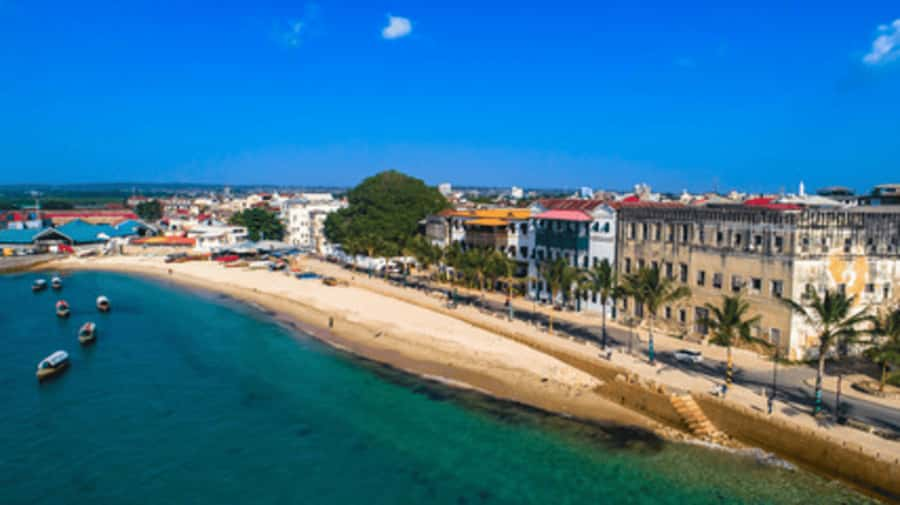
After the plantation, the focus shifts from crops and flavors to Zanzibar’s urban past. Stone Town is the cultural and historical center of the island, with narrow lanes, old buildings, markets, and layers of African, Arab, Indian, and European influence visible in its streets.
The walking tour is guided, which matters here. The lanes can feel confusing at first, and a local guide can point out details you might otherwise pass without noticing. Ahmed Issa Ahmed has been praised for explaining Zanzibar’s carved doors, including their architecture, symbols, and patterns. That kind of detail gives the walk more value than simply ticking off buildings.
The pace can vary by guide. One account found the Stone Town guide too quick, as if trying to finish early. If you want time for photographs or questions, say so near the start. The guides are described as responsive to what you need, but it helps to be direct rather than quietly trying to keep up.
Expect moderate walking over uneven surfaces. Comfortable shoes matter more here than stylish sandals. Stone Town’s lanes are not the place for footwear that slips, rubs, or leaves you wishing you had packed something sturdier.
Old Fort, House of Wonders, and the changing city

The Old Fort is one of the key stops. Its walls help you picture Stone Town as a place shaped by defense, trade, and shifting power. The fort is important even if your visit is brief, because it anchors the old city physically and gives you a clear sense of how compact the historic center is.
The House of Wonders is another major landmark on the route. Building work has affected the experience at times, and construction may limit what you can see or how long you stay. That is frustrating if you expect every site to be open in perfect condition, but it is also part of visiting a living historic city where old structures require constant work.
You may also pass through Darajani Market, one of the best places to see the everyday side of Stone Town. The market adds sound, movement, and local commerce to a route that could otherwise focus only on monuments. The mix of fish, fruit, and other goods helps connect the old city to ordinary life rather than leaving it as a collection of photo stops.
This is not a silent museum tour. You are walking through streets still used by residents, traders, and shopkeepers. Be patient in crowded areas, listen to your guide, and keep your belongings secure without becoming so cautious that you miss the setting.
More spice farm tours in Zanzibar:
- Zanzibar: Stone Town, Spice tour & Prison Island with Lunch
★ 4.6 · 453 reviews - Full-Day Private Stone Town +Spice Farm and Prison Island Tour
★ 4.5 · 216 reviews - Spice Tour + Stone Town Tour + Prison Island
★ 4.5 · 130 reviews - Zanzibar: Spice Tour & Stone Town Walking Tour
★ 4.8 · 115 reviews
Freddie Mercury’s birthplace and the former slave market

The visit to Freddie Mercury’s birthplace offers a modern cultural link within the older city. It is a quick way to connect Zanzibar with one of its most famous international figures. Do not expect the whole tour to revolve around music. The stop is one part of a wider walk that gives more attention to architecture, markets, colonial-era buildings, and the island’s painful past.
The former slave market is represented today by the Anglican Cathedral built on the site. This is one of the most serious parts of the day. The location opens a conversation about the slave trade and the human cost behind Zanzibar’s historic importance as a trading center.
The cathedral and former market site should not be treated as just another landmark for a photograph. Give yourself time to listen. The guide’s explanation is especially important here because the physical remains alone cannot communicate the full meaning of the place.
This combination of Freddie Mercury’s birthplace and the former slave market may seem unusual, but it reflects Stone Town’s character. The city contains personal stories, religious buildings, trade routes, entertainment history, and painful memories within a relatively small area.
The guides shape the experience
The quality of the day depends heavily on the people leading it. The farm and Stone Town portions may involve different guides, so the tone can change between the two halves.
At the spice farm, Mimo, Salim, and Yassir have been praised for warmth, humor, and clear explanations. Salim in particular is described as entertaining and well informed. The best part of the plantation visit is often the conversation, not just the plants.
In Stone Town, Ahmed Issa Ahmed is noted for his professional approach and strong grasp of Zanzibar’s past. His explanations of the doors sound especially useful, since those details are easy to miss without someone pointing them out.
Do not assume every guide will use exactly the same pace or level of detail. If you want more time at the market, more explanation at the cathedral, or slower stops for photographs, ask early. You can help shape the tour by telling the guide what interests you.
Communication before pickup also matters. The exact time is confirmed the evening before by email, WhatsApp, or SMS. Keep your contact details correct and check your messages. There have been occasional differences between app information and printed timing details, although a message to the local operator helped resolve the confusion.
What $60 gets you

At $60 per person, this is a solid value if you want both major experiences in one day. You get a local professional guide, entry to the spice plantation, the guided Stone Town walk, hotel pickup and drop-off in selected areas, and bottled water.
The price is most useful for people who would otherwise need to arrange separate transport and guides. Moving from a plantation to the city takes planning, and a combined tour removes much of that work. You also gain local interpretation at both stops, which is more valuable than simply being driven from place to place.
The price does not cover every cost. Specific entrance fees at attractions may be extra, as can optional activities, added tasting sessions, cultural performances, meals, souvenirs, and personal items such as sunscreen or insect repellent. Ask what is included before agreeing to any additional experience at the farm or along the route.
Food is not included as a full meal, though the plantation tasting includes fresh spices and tropical fruit. Bring money if you want products from the farm or market, but do not feel pressured to buy something simply because it is available.
The reserve-now-and-pay-later option can help if your Zanzibar plans are still moving around. Cancellation is allowed up to 24 hours before the experience for a full refund, which gives you some room to adjust plans.
Clothing, weather, and practical comfort

Dress modestly for Stone Town’s religious and historic sites. Cover your shoulders and knees, even if your beach clothing feels fine at your hotel. Light, breathable clothes are the sensible choice, especially during the hotter season.
Shoes should be comfortable and secure. The tour includes a moderate amount of walking over uneven surfaces, and the old lanes are more enjoyable when your feet are not complaining.
Pack a camera, but keep it ready for more than famous buildings. Doors, market details, spice plants, fruit, and small architectural features may become your best photographs. Ask before photographing people, particularly in the market.
The experience runs in all weather conditions. During rainy periods, carry a raincoat or umbrella. The day is not designed around perfect sunshine, and wet streets can make uneven walking more awkward.
Alcohol and drugs are not allowed. Keep your day bag simple, bring the personal supplies you need, and leave room for small purchases if you plan to shop.
Who will enjoy this Zanzibar combination
I would recommend this tour to a first-time visitor who wants a broad introduction to Zanzibar without arranging separate outings. It gives you food, farming, architecture, trade, music history, and the legacy of slavery in one organized day.
It also suits couples, families with older children, and anyone who enjoys learning through a local guide rather than wandering alone. The spice tasting adds an easy, hands-on element, while Stone Town gives the day more depth.
You may want a different plan if you dislike organized stops, prefer slow photography walks, or want a quiet farm experience with no other visitors. The spice farm can feel highly geared to tourism, and the Stone Town portion may move too quickly for some people.
It is also less suited to anyone who struggles with heat or moderate walking. The route is not presented as accessible, and the uneven surfaces, outdoor farm visit, and warm weather deserve consideration before booking.
The available languages are English, German, French, Italian, and Russian. That gives you a better chance of following the historical explanations in a language you are comfortable with.
Should you book this tour?
Book it if you want an efficient, good-value introduction to Zanzibar and like the idea of pairing fresh spice tastings with Stone Town’s historic core. The strongest parts are the farm guides, the tropical fruit and spice tasting, and the chance to learn about carved doors and local history from a guide such as Ahmed Issa Ahmed.
Skip it if you want a private, unhurried day or if tourist-oriented farm visits bother you. If you do book, wear light modest clothing, bring sturdy shoes, check your pickup message the evening before, and tell the Stone Town guide when you want more time at a stop. At $60, it is a practical choice for seeing two important sides of Unguja in one day.
FAQ
Where does the Best of Zanzibar tour take place?
The experience takes place in Zanzibar’s Unguja South Region. It includes a spice plantation visit and a guided walking tour in Stone Town.
What is included in the $60 price?
The price includes a local professional guide, entry to the spice plantation, a guided Stone Town walking tour, hotel pickup and drop-off in selected areas, and bottled water.
Is a meal included?
No full meal is included. The spice farm visit includes tastings of fresh spices and tropical fruits, but other meals and refreshments are not provided.
Which Stone Town landmarks are visited?
The walking tour includes key places such as the Old Fort, House of Wonders, Darajani Market, Freddie Mercury’s birthplace, and the Anglican Cathedral built on the site of the former slave market.
What should I wear?
Wear comfortable clothes and shoes. Shoulders and knees should be covered when visiting Stone Town’s religious and historic sites. Light clothing is useful in hot weather.
Is there much walking?
Yes. The tour includes moderate walking over uneven surfaces, particularly during the Stone Town walk. Comfortable shoes are strongly recommended.
How will I know my pickup time?
The exact pickup time is confirmed the evening before by email, WhatsApp, or SMS. Make sure your contact details are correct when booking and check your messages.
What languages are available?
The experience is offered in English, German, French, Italian, and Russian.
Just added around Zanzibar
- Walking in Stone Town with a Expert Tourguide★ 3.7 · 3 reviews
- Stone Town Tour★ 5.0 · 16 reviews
- Jet Ski Experience from Kendwa Beach★ 5.0 · 21 reviews
- Turtle Snorkeling, Jozani Forest, Kuza Cave, Rock Restaurant★ 3.7 · 8 reviews
- Zanzibar boat rental/charters★ 5.0 · 6 reviews
- Prison island(Changuu island) & stone town walking tour★ 5.0 · 6 reviews
- Full Day Private Zanzibar Triple Delight Tour★ 4.5 · 3 reviews
- Zanzibar Tumbatu Island Cultural Experience★ 5.0 · 4 reviews
Stone Town Tours, compared.

Stone Town, Spice Tour, Prison Island with Lunch
Read our review →
Prison Island, Nakupenda, StoneTown Tour with BBQ
Read our review →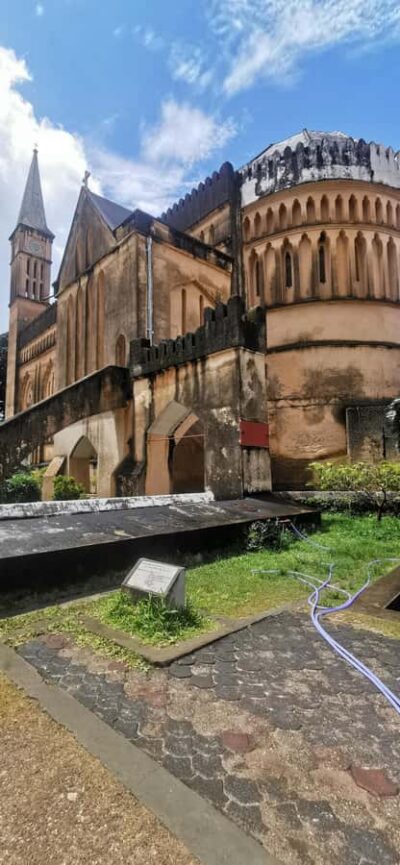
3 Hours Private Stone Town walking Tour with Guide
Read our review →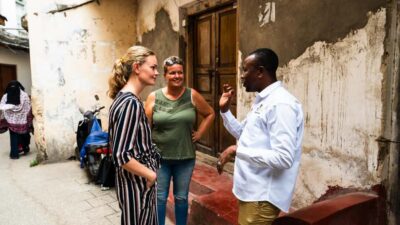
Stone Town Historical Cultural Walking Guided Tour
Read our review →
Stonetown: Food Markets and Street Food Walking Tour
Read our review →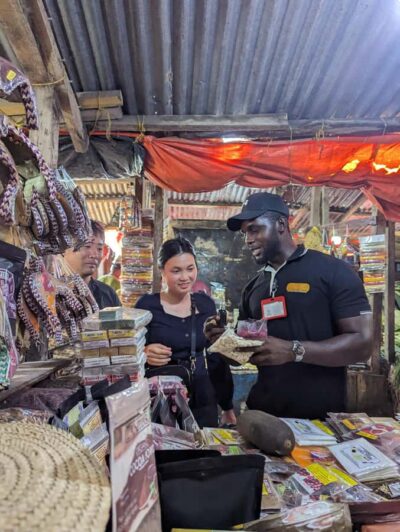
Zanzibar full day Jozani forest + Spice farm and stone town
Read our review →
Browse the lists this tour appears in