
Reviewed · STONE TOWN TOURS
Stone Town: Guided Walking Tour
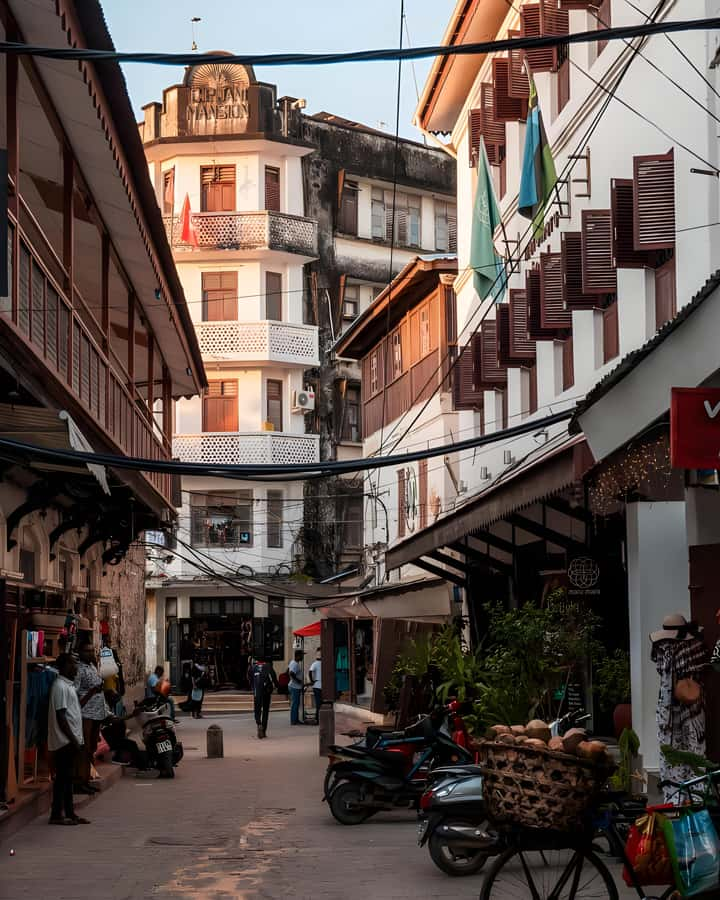
Stone Town is best understood on foot, where a few steps can take you from an Anglican cathedral and former slave market to an Indian-influenced shopfront or an Arab-style carved door. I like the way this tour connects history with everyday life, especially at Darajani Market, and I like that it includes both major sights and smaller details such as Zanzibar’s doors.
The main caution is pace and access. Some people find the sightseeing rushed, and several attractions may be closed or under renovation. A guide named Samuel has been praised for clear, friendly explanations, but guide quality and punctuality can vary, so confirm your meeting point carefully.
Key points to know before you book
- Stone Town’s mixed heritage: Learn how African, Arab, Indian, Persian, and European influences shaped the old city.
- A market visit with local context: Walk through fish, meat, spice, and textile areas at Darajani Market.
- Major sights in a compact walk: See the Anglican Cathedral, Old Fort, House of Wonders, Palace Museum, and Hamamni Baths.
- Useful guide choice: English, German, French, and Italian tours are available, with private and small-group options.
- A flexible duration: The experience can last from 2 to 5 hours, depending on the selected option and sightseeing pace.
- Plan for walking: Comfortable shoes, water, sunscreen, and protection from the sun matter here. The route is not suitable for wheelchair users or people with mobility impairments.
Why Stone Town makes a strong first walk
Stone Town is not a place you understand from a vehicle window. Its narrow streets twist between more than 2,000 limestone buildings spread across about 50 hectares. That compact size makes walking practical, but it also means the city can feel crowded and confusing without someone explaining what you are seeing.
I like this tour because it gives you a useful introduction to Zanzibar’s layered past without limiting the experience to museums. You hear about the city’s geography, politics, architecture, and culture, then see those subjects in churches, markets, old fortifications, baths, and family homes.
The mix of influences is the real subject. African traditions meet Arab and Persian design, Indian trading connections, and European religious buildings. You are not simply ticking off old structures. You are watching several cultures share the same small area, sometimes comfortably and sometimes through a difficult past.
More Walking Tours in Zanzibar
- Stone Town Private Walking Tour
★ 5.0 · 371 reviews - Zanzibar: 3 Hours Private Stone Town walking Tour with Guide
★ 4.6 · 301 reviews - Zanzibar: Stone Town Historical Cultural Walking Guided Tour
★ 4.5 · 179 reviews
Starting the walk in Stone Town
The exact starting point depends on the option you select. Pickup can be arranged from hotels in Stone Town, but you need to request it in advance and send a message to the provider. If a driver is collecting you, wait at the hotel reception and be ready at least five minutes before departure.
If you stay elsewhere on Zanzibar, pay close attention to the transport terms. The walk begins in Stone Town, and transfers from other parts of the island are not included. Some schedules show van travel of about an hour each way, but that does not mean an island-wide transfer is automatically part of the $40 price.
A full day in Stone Town can become tiring if you arrive from the far side of the island, complete a two to five hour walk, and then return. I would arrange transport separately and confirm the pickup details before paying. One punctuality complaint involved a guide arriving late and changing the meeting point, so clear communication is worth the small effort.
The Anglican Cathedral and Zanzibar’s difficult past
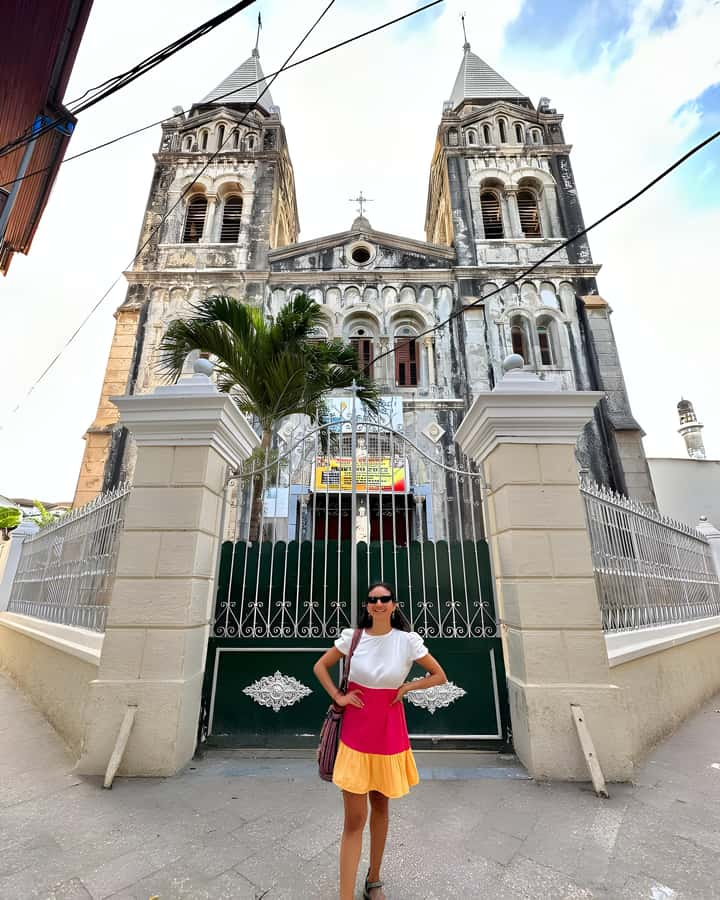
The Anglican Cathedral is one of the most important stops because it links Stone Town’s grand architecture with the history of the slave trade. The church occupies the site of the former slave market, making the visit more than a look at an impressive building.
Your guide should explain the connection between the cathedral, the market, and Zanzibar’s role in regional trade. This is where a good guide makes a real difference. The building itself can be viewed quickly, but the historical setting deserves time and careful explanation.
Conditions can change. Some sights have been closed or under repair, so you may not get full interior access. If the cathedral or another major stop is closed, ask your guide to explain what can still be seen from outside and how the site fits into Stone Town’s past.
House of Wonders and the Palace Museum

The House of Wonders is described as the national museum stop. Its name comes from the sense of modern marvel it once represented, and its prominent position near the waterfront makes it an easy landmark during the walk.
The Palace Museum, also called the Sultan’s Palace in many descriptions of Stone Town, offers another look at Zanzibar’s royal past. Together, these stops help explain how the island was governed and how the ruling elite lived.
Do not judge the tour only by how many interiors you enter. Building access can be limited by renovation or opening conditions. Even when you stay outside, the House of Wonders, palace area, and nearby waterfront give your guide useful points for explaining Zanzibar’s rulers, trade links, and changing political story.
This is also where timing matters. A two-hour version may give you a brisk overview, while a longer option should allow more questions and more time around the museums. If museums are your main reason for booking, ask which buildings are open on your chosen date.
More Stone Town walks:
- Zanzibar: Stone Town, Spice Tour, Prison Island with Lunch
★ 4.4 · 1,219 reviews - Zanzibar: Prison Island, Stone Town, & Spice Farm Tour
★ 4.5 · 579 reviews - Zanzibar; Prison Island, Nakupenda, StoneTown Tour with BBQ
★ 4.3 · 457 reviews - Zanzibar: Stone Town, Spice tour & Prison Island with Lunch
★ 4.6 · 453 reviews
Old Fort and the Freddie Mercury stop
The Old Fort is an easy place to recognize and a natural pause in the route. Its thick walls reflect Stone Town’s defensive past, while the open interior is often used for public activity and cultural events. Expect a photo stop and a short explanation rather than a long archaeological visit.
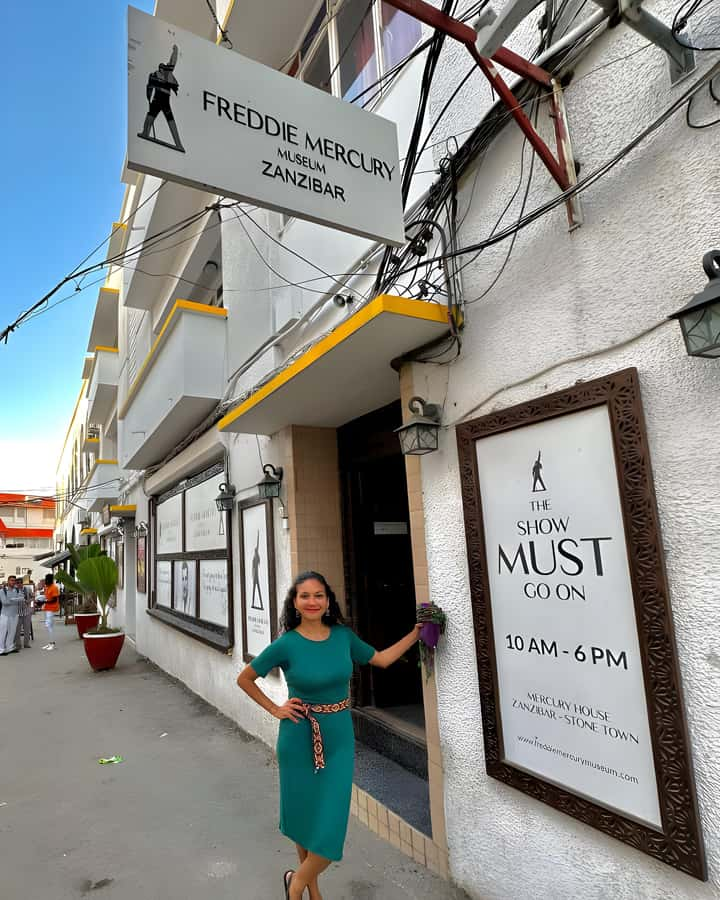
The Freddie Mercury House adds a modern cultural note to the tour. The singer was born in Zanzibar, and the stop connects the old city with one of its most famous modern names. For some people, this will be a highlight. For others, it is a brief photo opportunity rather than a full museum experience.
The advertised route refers to the Freddie Mercury House and a Freddie Mercury Museum. Clarify what your selected tour includes, since the time spent there may be limited. You should not expect this stop to replace a dedicated music or biography tour.
Darajani Market: the most useful part for daily life
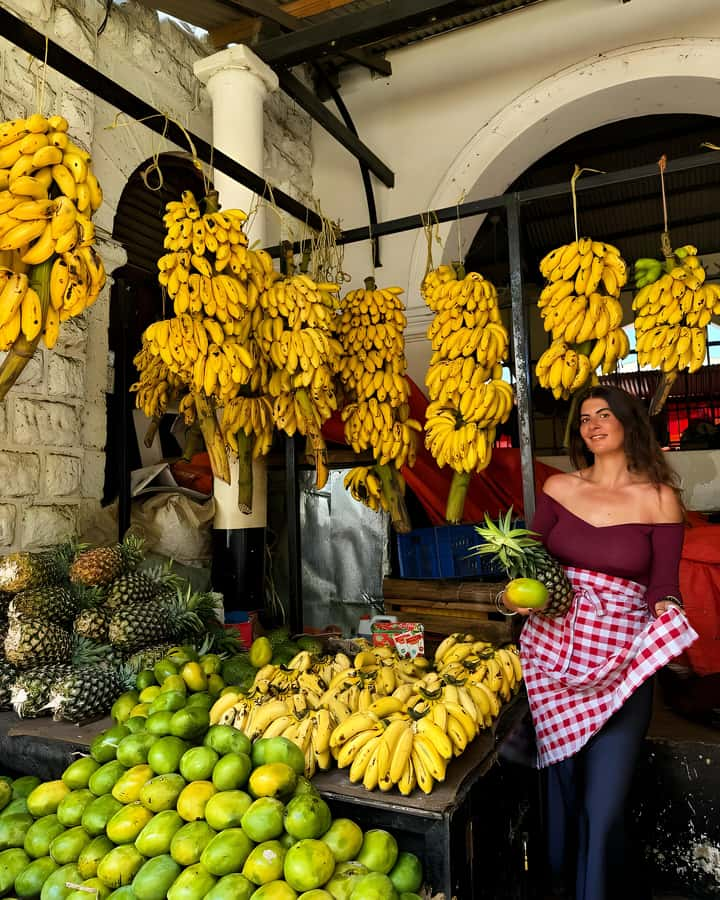
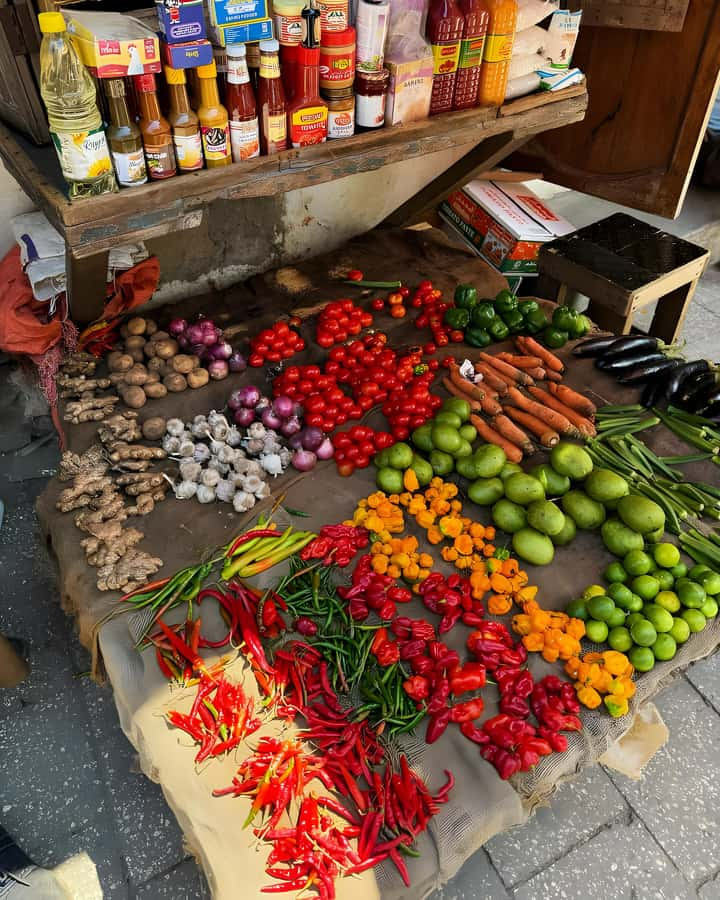
Darajani Market is where the city feels most immediate. You can walk through areas selling fish, meat, spices, colorful textiles, and everyday supplies. This is not a polished display designed only for sightseeing. It is a working market where local residents buy what they need.
I especially like this part of the route because it gives you a better sense of present-day Stone Town. The sights explain the past, but the market shows how the city functions now. You can look at food, fabrics, smells, sounds, and shopfronts while your guide points out what you might miss alone.
The market may be crowded and the walking surface uneven. Keep your belongings secure, stay close to the guide, and wear shoes with a firm sole. If shopping interests you, the market provides a chance to see local textiles and spices, but the purpose of the stop is broader than buying souvenirs.
One practical point: ask before taking close-up photos of people or market stalls. A respectful approach makes the visit more comfortable for everyone.
Hamamni Baths and the city’s layered architecture

The Hamamni Baths show another side of Stone Town’s public life. These historic baths reflect the importance of bathing and social spaces in the city’s built environment. They are not as instantly recognizable as the Old Fort, but they help fill in the picture of daily life in an earlier Stone Town.
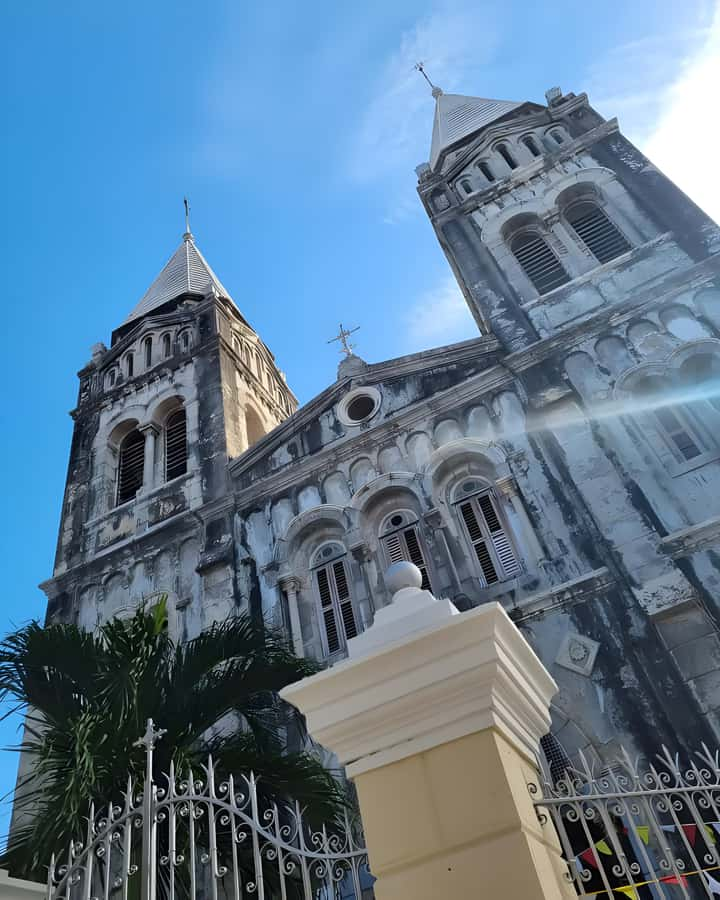
Your guide also points out the Catholic Cathedral, which adds another religious and architectural layer to the walk. Seeing the Catholic and Anglican buildings alongside Islamic and Indian-influenced structures is one of the clearest ways to understand the city’s cultural mix.
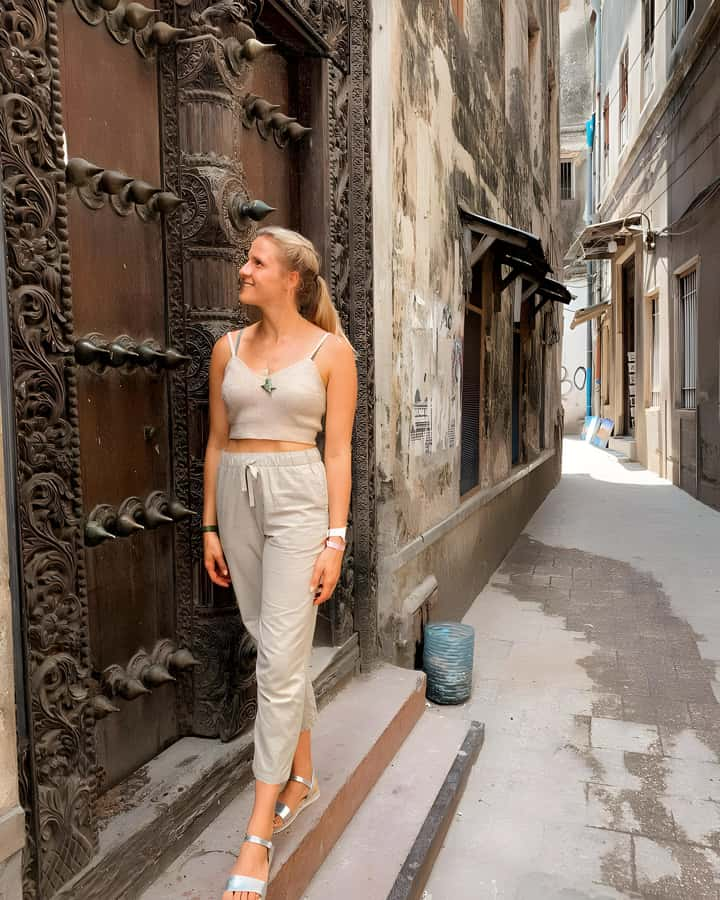
The carved doors are another small but rewarding detail. Look above eye level as you walk. Zanzibar is known for beautiful doors with elaborate woodwork and metal fittings, and each one gives you a reason to slow down and study a building rather than hurry past it.
The door stops may sound minor, but I find them useful for understanding how architecture communicates wealth, status, taste, and outside influence. A guide who knows the city can turn a quick doorway into one of the more memorable parts of the walk.
How much time do you really need?
The stated duration ranges from two to five hours, which is a wide spread. A shorter version suits you if you want basic orientation before exploring independently. A longer walk is better if you want several interiors, market time, questions, and a slower look at architecture.
A three-hour visit is a sensible middle ground for many people. It gives you time for the main historic sights, Darajani Market, the Old Fort, the Freddie Mercury stop, and some doors and churches without turning the day into a marathon.
The schedule can feel quick when many stops are packed together. One German-speaking participant felt that the sights were covered too fast, even though the content was interesting. If you prefer taking photographs or lingering in markets, request a private or small-group option and tell the guide at the start.
Private and small-group choices can also help if your interests are specific. You might ask for more market time, more architectural detail, or a stronger focus on political and religious history. The exact balance depends on the guide and the time available.
Guide quality and language choices
The tour is offered in English, German, French, and Italian. That is useful in a city where historical details can become hard to follow when the streets are busy and the subject matter is serious.
Guide quality matters more here than on a simple photo walk. The route covers slavery, royal rule, religion, trade, architecture, and modern culture. One guide named Samuel has been praised for being patient, clear, and careful in his explanations. If he is assigned to your departure, you may appreciate his teaching style, but you should not assume a particular guide is guaranteed.
There have also been mixed experiences with punctuality and subject knowledge. A German-language booking did not provide the depth of explanation the customer expected, while another guide gave a strong overview of history, politics, and culture. I would confirm the language, meeting place, and start time in advance, then tell the guide what matters most to you.
Is $40 good value?
At $40 per person, the tour can be good value if you want a structured introduction and access to a professional guide. You are paying for several hours of walking, historical explanation, and a route that connects major sights with local streets and markets.
The value is strongest when you are new to Stone Town and want context quickly. A guide can help you understand why a cathedral occupies a former slave-market site, how the palace fits into Zanzibar’s government, and why a doorway deserves attention. That context is difficult to gather from a casual solo walk.
The value is weaker if your priority is entering every attraction or spending a long time at each one. Some sights may be closed or under repair, and the pace may be brisk. Meals, drinks, and personal expenses are not included, so carry water and budget for anything you buy at the market.
Free cancellation up to 24 hours before the start gives you some flexibility, and you can reserve now and pay later. Those terms help if your Zanzibar plans are still shifting, but they do not remove the need to confirm transport and pickup details.
What to wear and carry
You will spend much of the time on foot, often in narrow streets and busy market areas. Wear comfortable shoes with good grip rather than sandals that offer little support.
Bring a bottle of water, sunscreen, and a camera. Sun protection matters even when parts of the route pass through shade. Light clothing is practical, but religious buildings may call for respectful coverage, so dress with those stops in mind.
The tour is not suitable for wheelchair users or people with mobility impairments. The supplied information does not promise an adapted route, and the narrow streets, market conditions, and walking duration can make access difficult.
Who should book this Stone Town walk?
I would recommend it to first-time visitors who want a clear introduction to Zanzibar’s old city, especially people who enjoy architecture, markets, religious buildings, and social history. It also suits anyone who prefers learning from a local guide instead of reading about each building afterward.
It is a good choice for a private or small group wanting to set the pace and ask questions. A longer option should suit you if museums and history matter most. A shorter option may work if you simply want orientation before exploring on your own.
I would be more cautious if you dislike walking, need guaranteed interior access, or want a slow photography tour. Check which attractions are open, confirm the guide’s language, and ask exactly where pickup will occur.
Should you book it?
Book this tour if you want Stone Town explained as a living city, not just a row of old buildings. The combination of the Anglican Cathedral, former slave market, House of Wonders, palace, Old Fort, Darajani Market, baths, cathedrals, Freddie Mercury stop, and carved doors gives you a broad first look.
Skip it if you need a fully accessible route or guaranteed access to every museum. For the best result, choose a longer or private option, confirm the meeting details, and ask for enough time at the market and the historic buildings. At $40, it is a fair introduction, provided you treat it as a guided overview rather than a slow, in-depth museum tour.
FAQ
How long does the Stone Town guided walking tour last?
The tour lasts between 2 and 5 hours, depending on the selected option and available start time.
What languages are available?
Guides are available in English, German, French, and Italian.
Does the tour include hotel pickup?
Pickup is available from Stone Town hotels if requested in advance. Transfers from other parts of Zanzibar are not included, and the tour begins in Stone Town.
Which main sights are included?
The route includes the Anglican Cathedral, House of Wonders, Palace Museum, Old Fort, Darajani Market, Hamamni Baths, Catholic Cathedral, Freddie Mercury House, and Zanzibar’s decorative doors.
Is the tour suitable for wheelchair users?
No. The activity is not suitable for wheelchair users or people with mobility impairments.
Can I cancel or pay later?
You can cancel up to 24 hours before the activity for a full refund. Reserve now and pay later is also available.
Just added around Zanzibar
- Walking in Stone Town with a Expert Tourguide★ 3.7 · 3 reviews
- Stone Town Tour★ 5.0 · 16 reviews
- Jet Ski Experience from Kendwa Beach★ 5.0 · 21 reviews
- Turtle Snorkeling, Jozani Forest, Kuza Cave, Rock Restaurant★ 3.7 · 8 reviews
- Zanzibar boat rental/charters★ 5.0 · 6 reviews
- Prison island(Changuu island) & stone town walking tour★ 5.0 · 6 reviews
- Full Day Private Zanzibar Triple Delight Tour★ 4.5 · 3 reviews
- Zanzibar Tumbatu Island Cultural Experience★ 5.0 · 4 reviews
Stone Town Tours, compared.

Stone Town, Spice Tour, Prison Island with Lunch
Read our review →
Prison Island, Nakupenda, StoneTown Tour with BBQ
Read our review →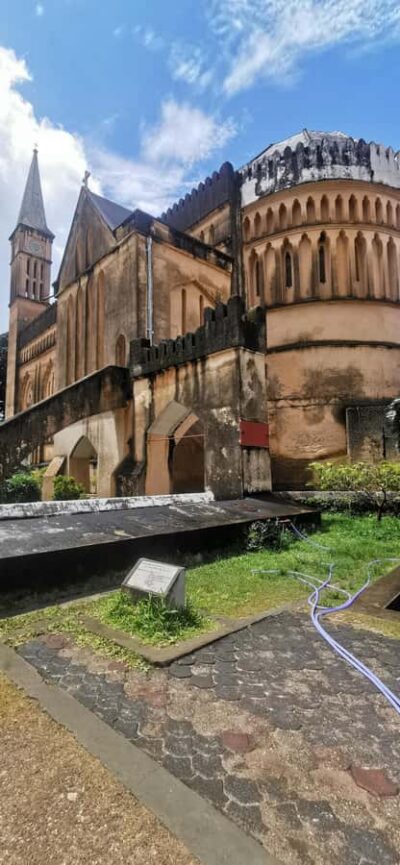
3 Hours Private Stone Town walking Tour with Guide
Read our review →
Stone Town Historical Cultural Walking Guided Tour
Read our review →
Stonetown: Food Markets and Street Food Walking Tour
Read our review →

Zanzibar full day Jozani forest + Spice farm and stone town
Read our review →
Browse the lists this tour appears in