
Reviewed · STONE TOWN TOURS
Zanzibar: Stone Town 3-Hour Walking Tour
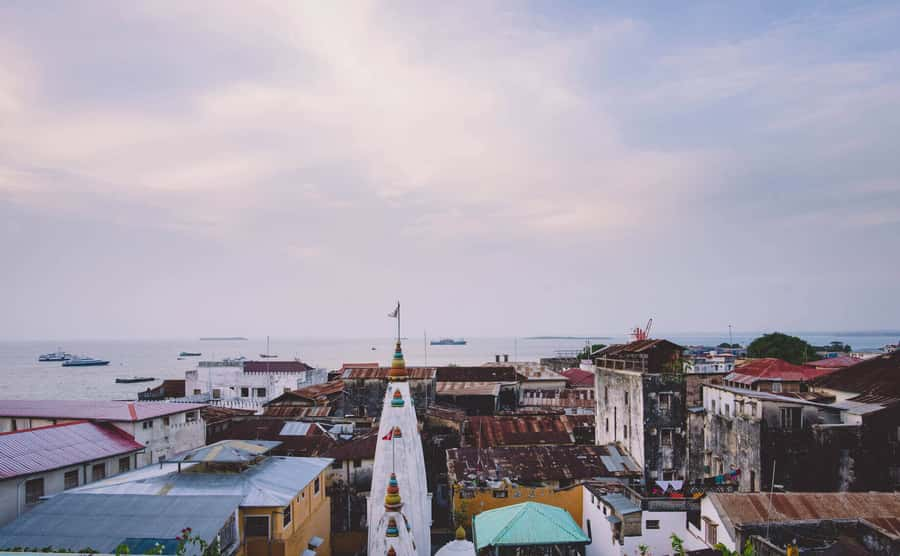
Stone Town is best understood on foot, one shaded lane and carved doorway at a time. This three-hour tour takes you from the Old Fort and House of Wonders to the former slave market, Darajani Market, Forodhani Gardens, and the ferry terminal, with stops at Freddie Mercury’s house and Jaws Corner.
I like the clear introduction to Zanzibar’s past, and I like the chance to see everyday life at the fruit and spice market, not just restored landmarks. Guides such as Amari, Mohamed, and Mohammed have received praise for explaining the city and answering questions. The main caution is that the pace and quality can vary, and one traveler reported being steered toward a particular spice stall.
Key details before you book
- Three hours on foot: You cover major Stone Town sights in a compact morning or afternoon tour.
- A serious historical stop: The Anglican Cathedral occupies the site of the former slave market, a difficult but important part of Zanzibar’s past.
- Markets are part of the route: Darajani Market brings fruit, spices, and ordinary local trade into the experience.
- Several famous landmarks: Expect the Old Fort, House of Wonders, Forodhani Gardens, ferry terminal, Freddie Mercury’s house, Jaws Corner, and curio shops.
- Hotel pickup is included: If you stay in Stone Town, pickup is scheduled for 9:00 AM from your hotel lobby.
- Check mobility needs carefully: The activity is marked wheelchair accessible, but the old streets and fortress entrance can be difficult, and the tour is also described as unsuitable for people with mobility impairments.
Why three hours works well in Stone Town
Stone Town can feel confusing at first. Its streets twist past old doors, small shops, mosques, cafés, markets, and crumbling facades, and a map does not always tell you why a place matters. A guide gives the streets a basic order and helps you connect the city’s African, Arab, Indian, and European influences.
Three hours is enough for a strong first look. You will not study every museum or spend a long time shopping, but you can see the main landmarks and get a feel for the old town before returning on your own.
The tour begins with a greeting and short briefing. If you are staying in Stone Town, the stated pickup time is 9:00 AM at your hotel lobby. Pickup and drop-off are included, which is useful if you are staying outside the old center or would rather not arrange a taxi for a short city visit.
The walking itself matters. You should wear comfortable shoes and bring sunscreen. Large bags and luggage are not allowed, so leave your suitcase at the hotel.
More Walking Tours in Zanzibar
- Stone Town Private Walking Tour
★ 5.0 · 371 reviews - Zanzibar: 3 Hours Private Stone Town walking Tour with Guide
★ 4.6 · 301 reviews - Zanzibar: Stone Town Historical Cultural Walking Guided Tour
★ 4.5 · 179 reviews
The Old Fort gives you your first sense of Stone Town
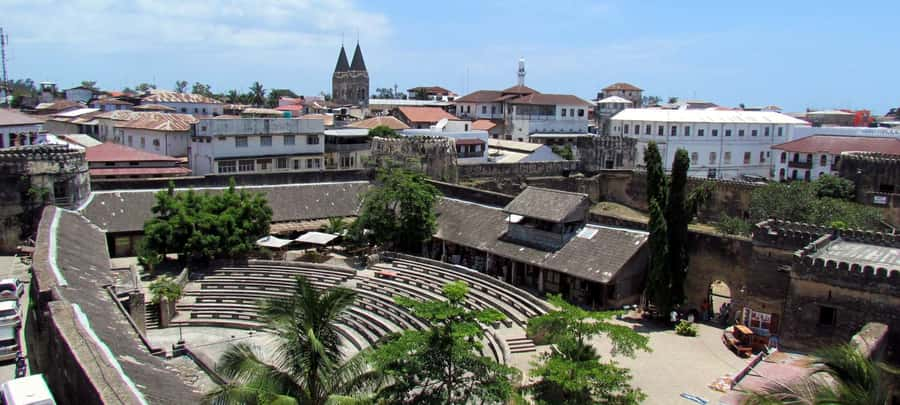
The Old Fort, also called the Arab Fort, is one of the most recognizable buildings in Stone Town. It sets the tone for the tour: this is not a polished open-air museum but a working city built around layers of power, trade, religion, and daily life.
You can expect the guide to use the fort as a starting point for explaining the town’s past. The stop is useful because it places later sights in context. You see how the waterfront, fort, palace buildings, and market streets fit together rather than visiting each one as an isolated photo stop.
The fort has uneven surfaces and old construction. That is part of its character, but it also explains why the accessibility description deserves care. One account specifically noted difficulty with the fortress entrance and the streets. If you use a wheelchair or have trouble with steps and rough paving, ask for a detailed route before booking.
The tour includes an entrance fee to the Sultan Palace. The listed route also names the House of Wonders, so confirm with the operator which buildings you will enter and which you will view from outside. That small check can prevent confusion on a short tour where every few minutes count.
House of Wonders and the waterfront
The House of Wonders is among the grandest historic buildings in Stone Town, facing the seafront near the Old Fort. Even from the outside, it gives you a sense of the city’s former importance and its links to rulers, merchants, and the wider Indian Ocean world.
The exact amount of time here may depend on the guide, opening conditions, and the group’s pace. A three-hour tour has to balance landmarks with walking, market time, and shopping stops. I would treat the building as an orientation stop rather than expect a long museum visit unless the guide confirms otherwise.
The waterfront leads naturally toward Forodhani Gardens. This public space is particularly useful for understanding Stone Town as a living place, not only a collection of old buildings. It also gives you a break from the narrow lanes and a chance to see the relationship between the town and the sea.
The nearby ferry terminal adds another everyday detail. Ferries connect Zanzibar with the mainland, and the terminal is a practical transport hub rather than a formal attraction. That is precisely why it belongs on a city walk. You see where people actually arrive and depart, not only where tourists take photographs.
The former slave market is the tour’s most serious stop
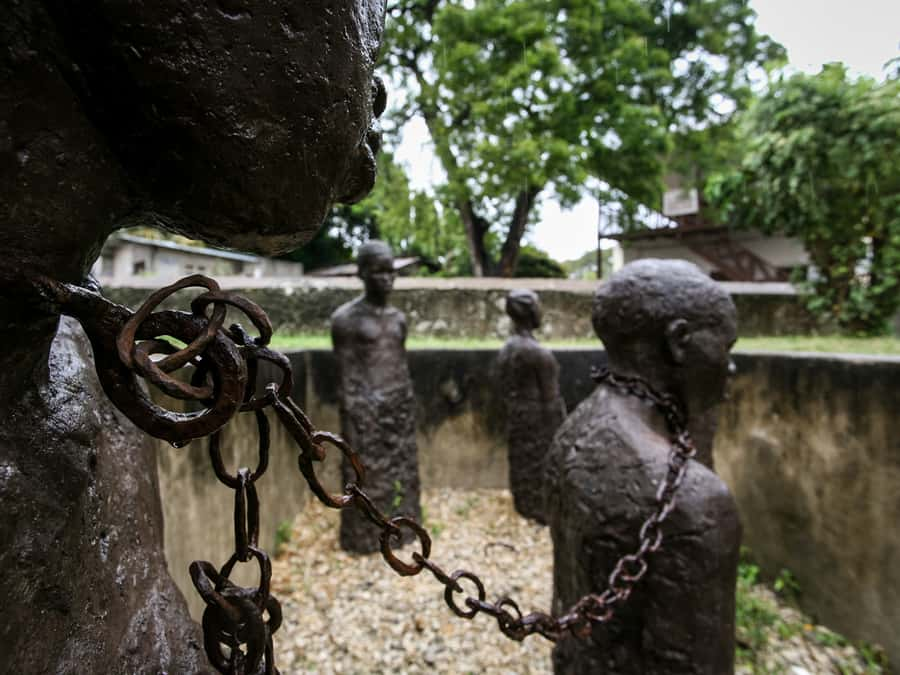
The Anglican Cathedral occupies the site of the former slave market. For centuries, this area served as a major center in the East African slave trade, involving people seized from places including Malawi, Congo, Zambia, and other parts of East Africa.
This part of the tour can be difficult, but it is essential for understanding Zanzibar. The guide may explain the market’s role, the movement of enslaved people through the region, and the forces that shaped the island’s wealth and connections. You should give this stop your full attention rather than treating it as another quick landmark.
There is an important practical point here. One person reported that the guide did not enter the slavery museum and said talking inside was not allowed, while other guides were present. That suggests you should confirm in advance what the tour includes: the cathedral, the museum, the memorial area, or some combination.
The description promises a visit to the former slave market, but the exact museum access may not be consistent. If this is your main reason for booking, ask the operator to spell out the plan before you arrive.
More Stone Town walks:
- Zanzibar: Stone Town, Spice Tour, Prison Island with Lunch
★ 4.4 · 1,219 reviews - Zanzibar: Prison Island, Stone Town, & Spice Farm Tour
★ 4.5 · 579 reviews - Zanzibar; Prison Island, Nakupenda, StoneTown Tour with BBQ
★ 4.3 · 457 reviews - Zanzibar: Stone Town, Spice tour & Prison Island with Lunch
★ 4.6 · 453 reviews
Darajani Market brings the city down to street level
Darajani Market is one of the strongest parts of the route for seeing ordinary Stone Town life. The stop includes fruit and spice stalls, and the guide fee covers access to the markets.
This is where the tour moves beyond monuments. You may see produce, spices, narrow aisles, and the practical rhythm of local shopping. The market is not arranged for easy sightseeing, so stay close to the guide and watch your footing.
A market visit also helps explain why Zanzibar is associated with spices. The tour presents the island’s trading past through things you can see and smell, rather than only through dates and names. Still, you should keep your expectations sensible. This is a city market, not a quiet spice farm visit.
Be alert around shopping stops. One highly positive experience became less positive because the guide directed the group to a particular spice stand where prices seemed higher than at nearby stalls. You do not have to buy anything. If you want spices, compare prices and ask whether the shop is part of the planned tour or simply a suggested place to purchase.
Narrow lanes, curio shops, and Jaws Corner
After the major landmarks, you get leisure time in Stone Town’s narrow streets. This is a useful part of the tour because it lets you look beyond the official stops. Curio shops display local crafts and souvenirs, while the old lanes reveal carved doors, small businesses, and sudden views into courtyards and side streets.
The word leisure is important. You may have time to browse, but three hours goes quickly. One person wished for more time to shop after the guide had finished the main explanation. If shopping is a priority, use the walking tour to learn the layout, then return later without a schedule.
The Zanzibar Curio Shop is included among the stops. It gives you a chance to see the sort of goods sold to visitors, but do not assume every shop offers the same value. Compare prices before buying, especially for spices and souvenirs.
Jaws Corner coffee shop is another named stop. It is a familiar meeting place in Stone Town and adds a social detail to the route. The information does not promise a meal or a coffee tasting, so think of it as a point of interest rather than a food tour.
The guide may also point out local art or craft work. One account described a visit to an association displaying paintings by local artists and teaching visitors how traditional products are made. This is not listed as a fixed stop, so treat it as a possible addition rather than a guarantee.
Freddie Mercury’s house and the limits of the itinerary
Freddie Mercury’s connection to Zanzibar makes his former home a natural stop for many visitors. The tour includes a visit to Freddie Mercury’s house in its outline, but the exact format is not clear. You may see the building or receive an explanation from the street rather than enter a dedicated museum.
One person said the Freddie Mercury museum was not included and that the guide did not identify the house. Again, this is worth clarifying before booking. Ask if the tour includes only the exterior, a named address, or admission to an interior museum.
This is a good example of why a short tour needs realistic expectations. The route lists many places: the fort, palace area, House of Wonders, gardens, market, cathedral, ferry terminal, Mercury site, curio shop, and Jaws Corner. You can see a lot, but most stops will be brief.
How the guides shape the experience
A good guide makes this tour worth far more than a self-guided walk. Stone Town’s buildings are attractive, but their meaning is not always obvious. You need someone to explain the Swahili language and culture, the trading links, the religious buildings, and the city’s difficult past.
The tour is offered with live guides in Spanish, French, German, Italian, and Russian. Several named guides received warm praise for clear explanations and careful answers. Amari was credited with helping one couple understand why Stone Town’s history deserved a guide, while Mohamed was praised for sharing anecdotes about the city and its residents. Mohammed was described as attentive during another overview tour.
Those experiences suggest that guide quality can be a real strength. At the same time, the mixed reports show why you should stay engaged. Ask questions, confirm which sites you are entering, and speak up if you want more history and less shopping.
The tour can be booked as a private group, which may give you more control over pace and questions. The supplied information does not state the standard group size, so ask before booking if group size matters to you.
Price, timing, and practical value
At $27 per person, the tour is fairly priced for a three-hour guided introduction that includes hotel pickup and drop-off, market guidance, government taxes, and an entrance fee to Sultan Palace. The value is strongest if you are new to Stone Town and want the main streets explained without arranging several separate visits.
The price is less compelling if you mainly want unhurried shopping or long museum visits. You are paying for structure and an overview, not a full-day historical study. A private group may be a better choice if you want to set the pace, though the private-group price is not provided.
The 4.1 rating from 68 reviews points to a generally positive but uneven experience. The most consistent praise centers on learning Stone Town’s history, seeing the market, and having an attentive guide. The main concerns involve unclear inclusions, spice-shopping pressure, pickup communication, and accessibility.
Pickup communication has also caused trouble for at least one booking. The problem was resolved through direct contact, but I would confirm the pickup time and hotel details before the morning of the tour.
Cancellation is flexible: you can cancel up to 24 hours before the activity for a full refund. You can also reserve now and pay later, which helps if your Zanzibar schedule is still moving.
Clothing, photography, and comfort
Wear clothing that covers at least below the knees. This is especially important around the cathedral and other religious or historic sites. Light, modest clothing also makes sense in the heat, though the only stated requirement is coverage below the knees.
Bring sunscreen and comfortable walking shoes. Do not bring luggage or large bags. Stone Town’s lanes can be tight, and a large bag would make the walk harder for you and for people moving through the market.
Ask before photographing people. The tour information specifically says you may not take someone’s picture without permission. This is basic courtesy, but it matters most in crowded markets and residential lanes, where a quick snapshot can feel intrusive.
The activity is listed as wheelchair accessible but also marked unsuitable for people with mobility impairments. The old streets, fortress entrance, and uneven route make the warning more useful than the accessibility label. Contact the provider before booking if you need step-free access or a shorter route.
Who should book this Stone Town walk?
I would recommend it to first-time visitors who want a broad introduction in a short window. It suits you if you care about history, markets, local streets, and a guide who can explain what you are seeing.
It also works well early in a Zanzibar stay. After three hours, you will know which lanes and markets you want to revisit, and you can return later for slower shopping or more time at a museum.
I would be more cautious if you have limited mobility, want a fully accessible route, or care deeply about visiting the slavery museum and Freddie Mercury site inside. Ask direct questions before paying. I would also avoid buying spices at the first recommended stall without checking nearby prices.
Should you book it?
Book this tour if you want an affordable, guided first look at Stone Town’s major sights and difficult past. The market, former slave market, Old Fort, waterfront, and narrow lanes give you a good three-hour cross-section of the city.
Skip it, or arrange a more tailored private walk, if you need guaranteed museum entry, a fully accessible route, or a slow shopping day. For most able-bodied visitors staying in or near Stone Town, the $27 price makes sense, provided you confirm the exact inclusions and keep your expectations focused on orientation rather than exhaustive sightseeing.
FAQ
How long is the Stone Town walking tour?
The tour lasts three hours.
How much does the tour cost?
The stated price is $27 per person.
Is hotel pickup included?
Yes. Hotel pickup and drop-off are included. If you are staying in Stone Town, pickup is scheduled for 9:00 AM from your hotel lobby.
Which languages are available?
Live guides are available in Spanish, French, German, Italian, and Russian.
Can I book a private group?
Yes. A private group option is available.
What places are included on the route?
The route includes the Old Fort, House of Wonders, Forodhani Gardens, Darajani fruit and spice market, Zanzibar ferry terminal, Freddie Mercury’s house, Zanzibar Curio Shop, Jaws Corner, and the Anglican Cathedral on the site of the former slave market.
Is an entrance fee included?
An entrance fee to Sultan Palace is included. Confirm with the provider which buildings are entered, since the route also names the House of Wonders and several other sites.
What should I bring?
Bring sunscreen and wear comfortable shoes. Do not bring luggage or large bags.
Is the tour suitable for wheelchair users?
The activity is marked wheelchair accessible, but it is also described as unsuitable for people with mobility impairments. The old streets and fortress entrance may be difficult, so contact the provider before booking if you need accessible arrangements.
More Short Outings in Zanzibar
- 3 Hours Private Stone Town Walking Tour
★ 5.0 · 71 reviews - 3-Hour Private City Tour in Zanzibar Island
★ 5.0 · 47 reviews - 3-Hour Private Stone Town Walking Tour
★ 5.0 · 44 reviews - 3-hour quad bike tours in Nungwi and Kendwa along coastal paths and through villages
★ 4.1 · 7 reviews
Just added around Zanzibar
- Walking in Stone Town with a Expert Tourguide★ 3.7 · 3 reviews
- Stone Town Tour★ 5.0 · 16 reviews
- Jet Ski Experience from Kendwa Beach★ 5.0 · 21 reviews
- Turtle Snorkeling, Jozani Forest, Kuza Cave, Rock Restaurant★ 3.7 · 8 reviews
- Zanzibar boat rental/charters★ 5.0 · 6 reviews
- Prison island(Changuu island) & stone town walking tour★ 5.0 · 6 reviews
- Full Day Private Zanzibar Triple Delight Tour★ 4.5 · 3 reviews
- Zanzibar Tumbatu Island Cultural Experience★ 5.0 · 4 reviews
Stone Town Tours, compared.

Stone Town, Spice Tour, Prison Island with Lunch
Read our review →
Prison Island, Nakupenda, StoneTown Tour with BBQ
Read our review →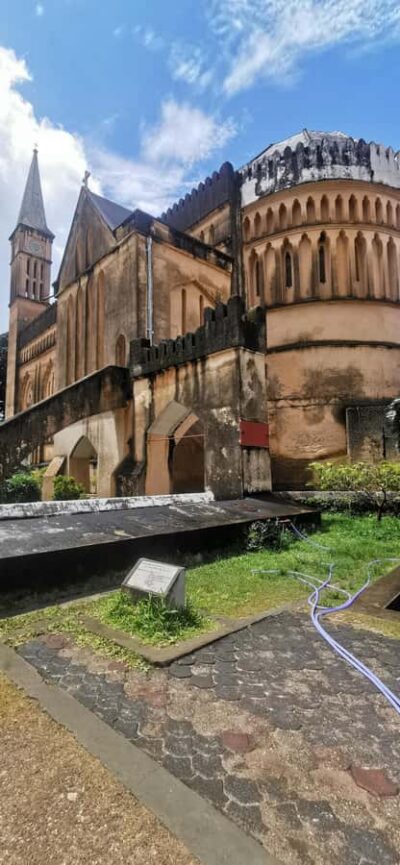
3 Hours Private Stone Town walking Tour with Guide
Read our review →
Stone Town Historical Cultural Walking Guided Tour
Read our review →
Stonetown: Food Markets and Street Food Walking Tour
Read our review →

Zanzibar full day Jozani forest + Spice farm and stone town
Read our review →
Browse the lists this tour appears in