
Reviewed · DAY TRIPS IN MOSHI
Moshi town 1 day tour
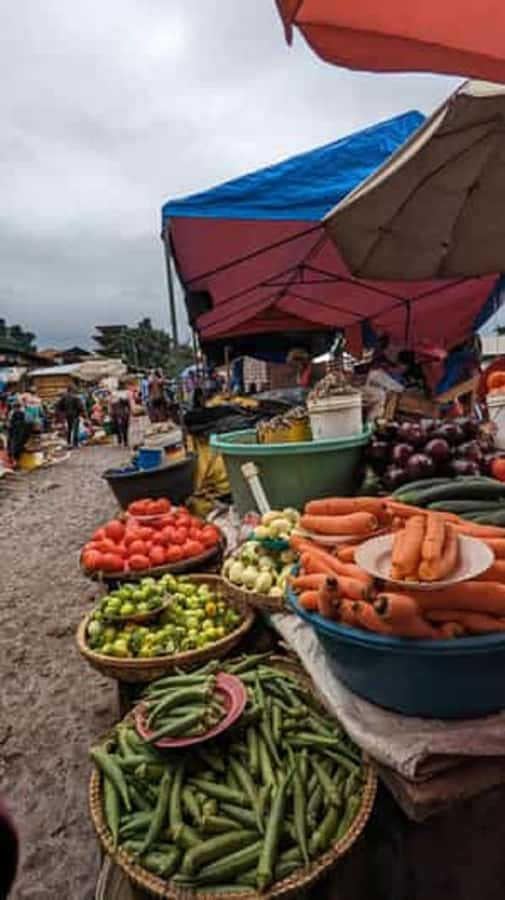
Moshi’s best sights are not grand monuments. They are the farmers’ markets, dusty streets, rice fields, and everyday conversations that show how the town works. This tour gives you a local guide, hotel pickup, and seven hours to see parts of Moshi that are easy to miss from a safari vehicle or hotel terrace.
I like two things here. First, Thomas, the named guide, brings strong local connections and speaks excellent English. Second, the route links town life with working farms, including bananas and rice. The main drawback is the price: at $1,000 per person, it is costly for a day tour, so you should confirm whether that rate is correct for your booking before paying.
Key points to know before booking
- Thomas is the guide to request: He is a former Kilimanjaro guide who now leads town tours and is well connected around Moshi.
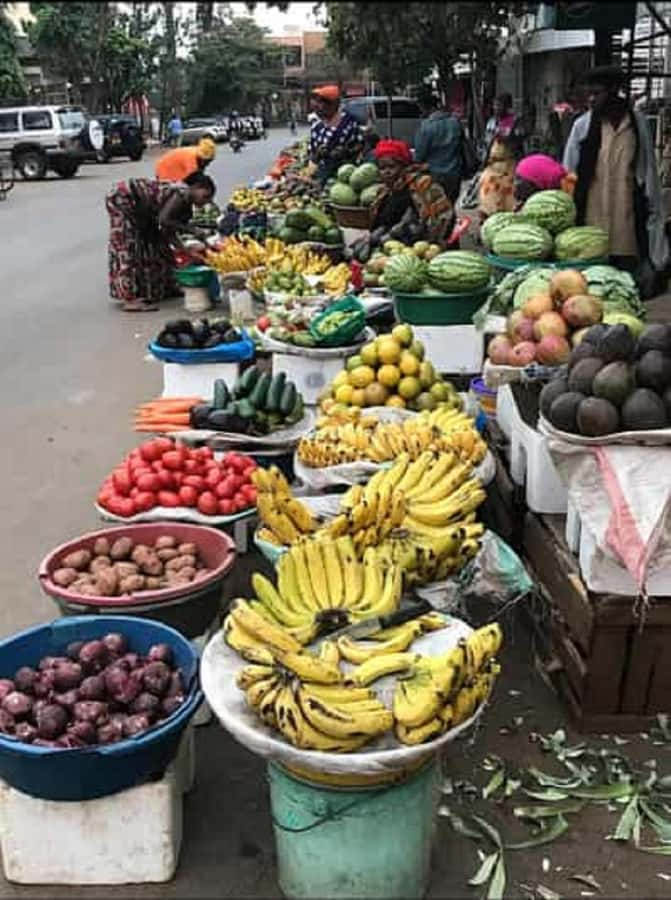
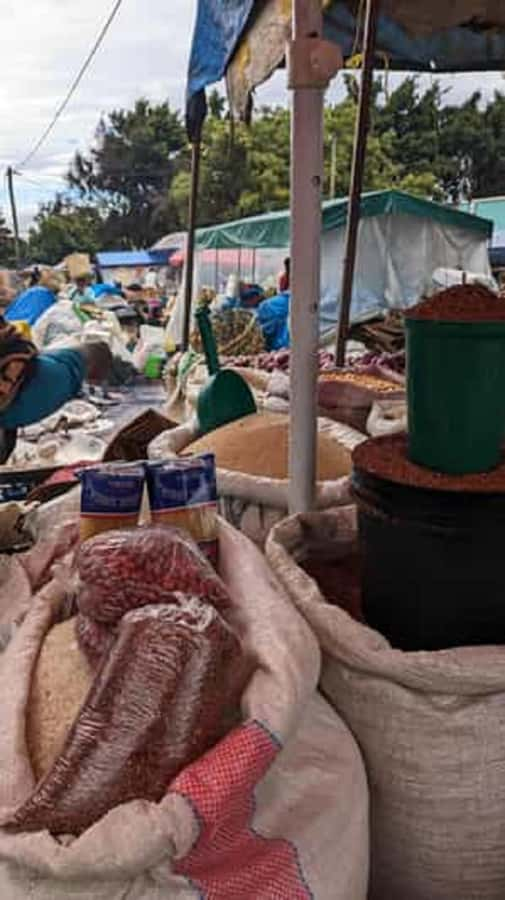
- The markets are the heart of the day: Expect vegetables, cereal crops, tomatoes, fish, and local food rather than polished tourist displays.
- You see Moshi beyond the center: The route includes banana farms, rice fields at Mabogini, neighborhoods, schools, and religious sites as time allows.
- The old railway station adds historical context: You hear the story linking the name Moshi with Old Moshi village.
- Plan for walking on dusty roads: This is a town walk with transport between areas, not a bus-based sightseeing circuit.
- The $1,000 price needs checking: Pickup, drop-off, and the guide are included, but meals and other extras are not listed.
Why a Moshi town day is worth your time
Many people reach Moshi only as a staging point for Kilimanjaro or a safari. That is a shame. The town has its own rhythm, and this outing gives you a chance to see it before you move on to the mountain, the national parks, or Zanzibar.
I like the mix of stops. You are not spending seven hours looking at similar streets. You move from transport hubs to food markets, then out toward farms and historic sites. That contrast helps you understand Moshi as a working town, not just a convenient base for outdoor trips.
The tour also suits a spare day after a climb. You can stay close to town, meet local people, and learn about daily routines without committing to another demanding excursion. One important note: the itinerary includes plenty of walking on dusty roads. If your legs are sore after Kilimanjaro, tell the guide at the start and ask how much walking is planned that day.
The group is limited to 10 people. That is a useful size for markets, where a large party can block narrow paths and make conversation awkward. A small group also gives you a better chance to ask Thomas about what you are seeing.
More Day Trips in Moshi
- Materuni Waterfalls & Chemka Hotsprings Day Trip
★ 5.0 · 214 reviews - Materuni waterfalls coffee tour & Chemka hot springs Day trip
★ 5.0 · 131 reviews - 1-Day Moshi Villages bike tour
★ 5.0 · 59 reviews
Starting at Keys Hotel and Moshi’s transport hub
The stated meeting point is your hotel, with Keys Hotel listed as the starting location. Pickup is scheduled for 8:00 in the morning, followed by a visit to Moshi Bus Stand at about 8:30.
The bus stand is a practical first stop. Instead of beginning with a postcard view, you begin with the transport system that connects Moshi with other parts of Tanzania. You can watch vehicles arrive and leave, see how people move around the region, and learn why the town matters as a regional center.
The planned stop lasts about 30 minutes. That is enough for photographs and a guided look, but not enough for a long wander. Stay close to your guide, since transport areas can be crowded and traffic needs attention. One useful detail from the day’s feedback is that Thomas has helped visitors cross streets and move safely through busy areas, an especially helpful service for a solo visitor.
Central Market: start with the food people buy
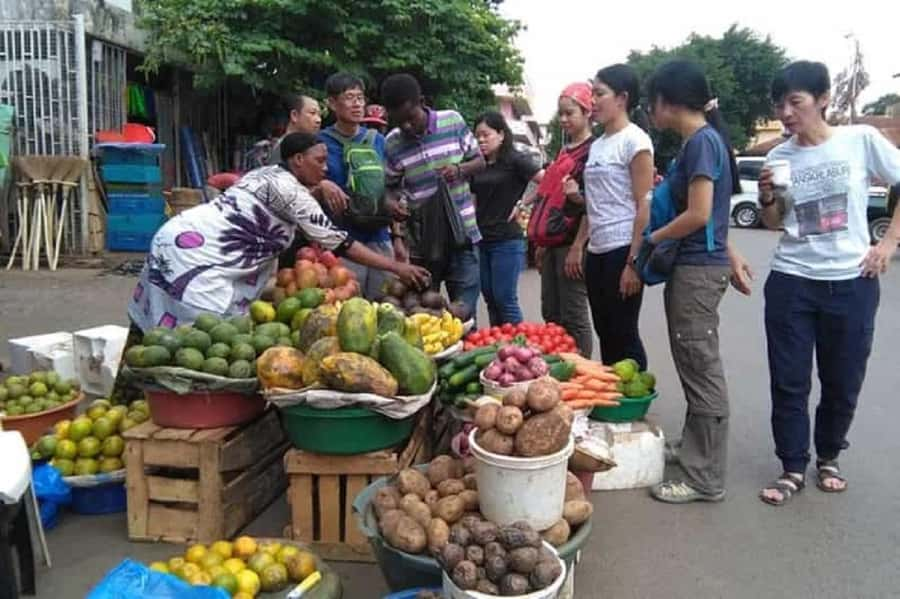
At about 9:30, the route reaches the central market. Here you see vegetables, cereal crops, and other goods sold by local traders. This is the kind of stop where a guide makes a real difference. A market can look like a wall of produce when you first enter. Thomas can explain what is being sold, how it fits into local cooking, and what you are seeing in the wider town economy.
The market is not arranged for sightseeing. Items may be displayed simply, and the experience can be dusty, noisy, or crowded. That is part of its value, but it also means you should dress for practical walking and avoid expecting a tidy, staged attraction.
Food sampling may be possible as you move through the market, but it is not listed as an included part of the price. Ask the guide before eating anything, especially if you have dietary restrictions. The useful point is that you get to see ingredients where local people buy them, rather than only meeting Tanzanian food on a restaurant menu.
Mbuyuni Market and Manyema fish market
Mbuyuni Market is described as another farmers’ market, with women selling tomatoes and other goods directly on the ground. The stop is short, about 30 minutes, but it adds a different view of trade from the central market.
I would pay attention to how the products are arranged and who is selling them. The point is not to rush through and take photographs. It is to watch ordinary commerce and let Thomas explain what is happening. Always ask before photographing people, especially vendors who are working.
The Manyema fish market follows at about 11:30. Here you learn the story behind the name Manyema and see different types of local fish sold in the market. This stop is likely to appeal to anyone interested in food, trade, or the everyday economy of Moshi.
Fish markets can have strong smells and wet floors, so sensible shoes matter. The itinerary gives around 30 minutes, which keeps the visit focused. If you dislike fish markets, this is one place to tell the guide early, though skipping a stop may affect the day’s flow.
Same corner of Moshi, a completely different kind of day:
- Materuni Waterfalls, coffee tour & Kikuletwa Hot Springs
★ 5.0 · 643 reviews - Materuni Waterfall, Coffee Tour and Picnic Hot Lunch
★ 5.0 · 128 reviews - Big Five Safari In Tanzania
★ 5.0 · 99 reviews - Maasai village visit, Materuni waterfalls & coffee experience
★ 4.5 · 95 reviews
The old railway station and Moshi’s name
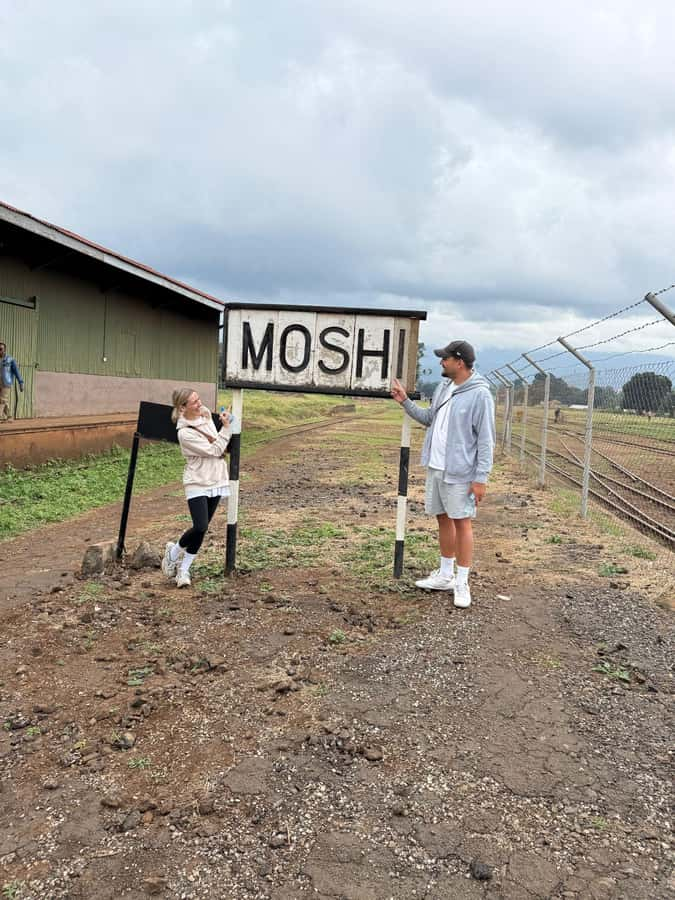
The old railway station is one of the most distinctive stops. The tour uses it to explain the story of Moshi and its connection with a village called Old Moshi.
This is more than a quick photo stop. Railway buildings often make better sense when someone explains their role in a town’s growth, and the guide provides that local context. You also get a break from market activity and a chance to look at an important historic site at a slower pace.
The timing needs clarification. The general schedule places the old station at 12:30, while the detailed route lists Moshi Station near the start of the itinerary and includes Old Moshi Cultural Tourism Enterprise later. The published times also show the tour ending at 2:00, despite describing a seven-hour duration. Ask Kuhetours for the exact order and timing before booking, particularly if you have a flight, transfer, or restaurant reservation afterward.
Coffee Union Cafe and Old Moshi Cultural Tourism Enterprise
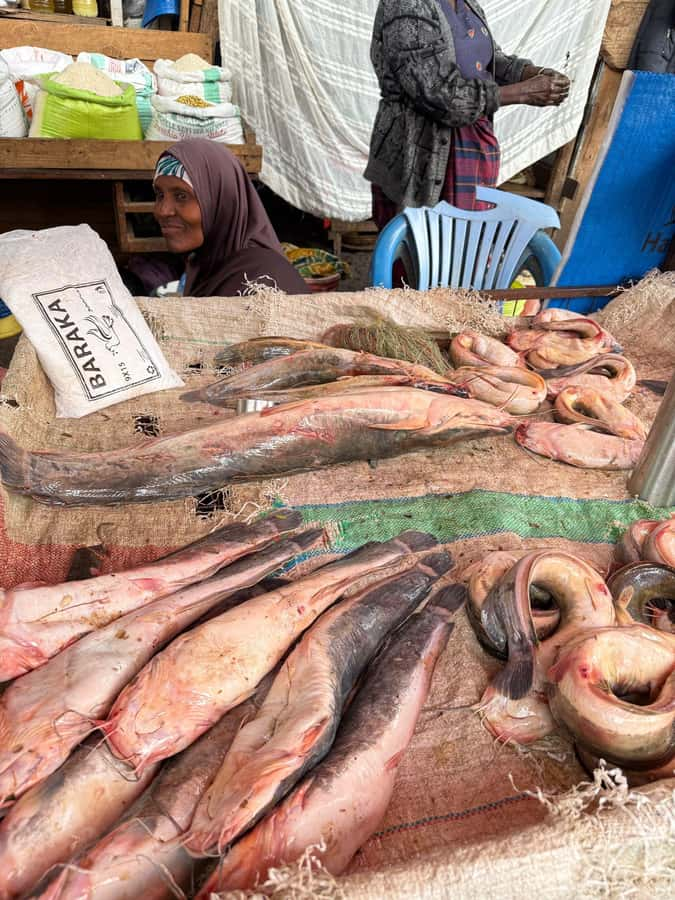
The detailed route includes Coffee Union Cafe, with about 30 minutes for a visit and guided sightseeing. The broader description also refers to coffee farms, although the timed schedule gives more detail about banana and rice farms than about a specific coffee plantation.
That distinction matters. If coffee is important to you, ask whether this stop includes a farm visit, a tasting, or simply time at the cafe. The available information confirms the cafe and mentions coffee farms, but it does not specify a tasting menu or a full coffee-production tour.
Old Moshi Cultural Tourism Enterprise is another listed stop. It includes a photo opportunity, a visit, and guided walking. Its position in the route may provide more background on Old Moshi and local culture, though the exact activities are not stated. This is another reason to confirm the day’s final route with the operator.
Banana farms and the rice fields at Mabogini
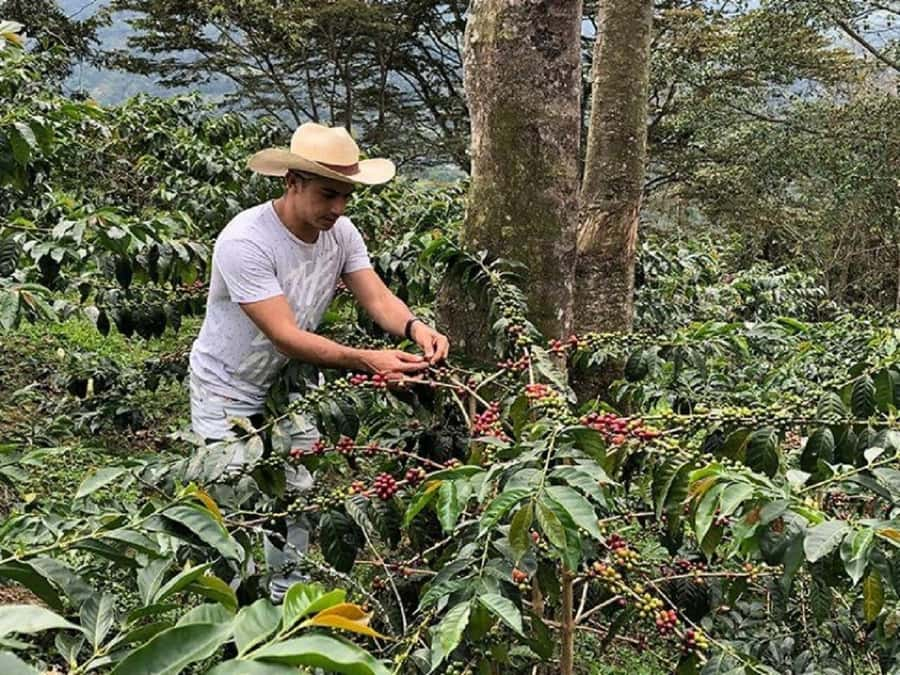
The agricultural section is where the outing moves beyond town streets. At a banana farm, you learn about the plant’s history and how bananas are cultivated. This can be a simple stop, but it gives useful context to food you may already have eaten in Tanzania.
The rice farms at Mabogini offer a different lesson. You learn how rice is cultivated and irrigated, and you see the practical work behind a staple crop. The listed itinerary allows about 30 minutes at Mabogini, enough for a guided look and photographs rather than a full farming workshop.
These stops are valuable because they connect the market produce with the land where it comes from. You see the chain from farm to market in the same day. Conditions may be muddy or dusty depending on the ground, so sandals are not the safest choice.
The farm visits also help set this tour apart from a standard town walk. You are not only looking at buildings and shops. You are seeing how food is grown, sold, and used.
What Thomas adds to the day

Thomas is the central reason this tour can work well. He is described as a former Mount Kilimanjaro guide who now knows Moshi’s streets, neighborhoods, and social life. His English is reported as excellent, and he introduces people along the route rather than simply reciting facts.
That local access changes the tone of the day. You may meet residents, children, vendors, and people connected with churches, schools, or a local clinic. These additional encounters are not presented as fixed stops, so do not book expecting a guaranteed visit to every one. Think of them as possible parts of a flexible town walk.
Thomas also seems suited to visitors who want direct explanations of daily life. He can answer questions about customs, work, markets, and the people you meet. Several of the strongest comments about the day focus on feeling safe and comfortable while walking through unfamiliar parts of Moshi. That is particularly useful for solo visitors, including solo women.
Still, the operator and the guide are not the same thing. One booking account was described as late and slow to respond, while Thomas himself received strong praise. Confirm pickup details, timing, and the exact route directly with Kuhetours before the tour date.
Walking, timing, and what to bring
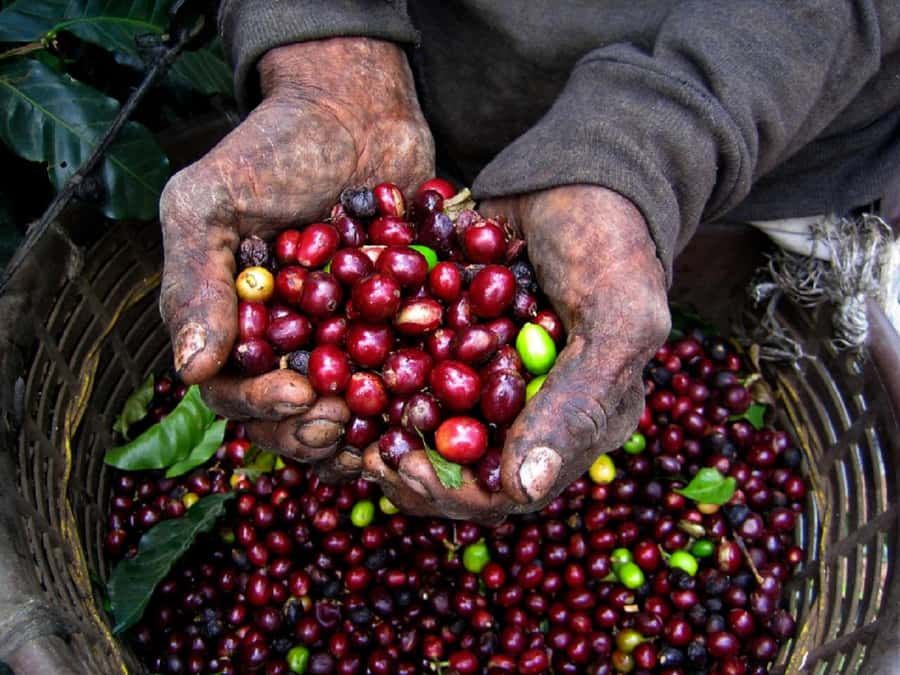
The tour lasts about seven hours and uses a mix of walking, sightseeing, and transport between locations. The itinerary lists 30-minute visits at many stops, so the day moves at a steady pace.
Wear light, practical clothing and closed walking shoes. You will spend time in markets and on dusty roads, then walk around farms and historic areas. A hat, water, sunscreen, and a small bag are sensible choices, though water and food are not listed as included.
Bring a phone or camera, but use it with care. Markets are workplaces, not photo sets. Ask before photographing people, particularly vendors and children. If you want to sample food, ask Thomas what is suitable and whether it costs extra.
The tour is in English, and the group is limited to 10 people. Hotel pickup and drop-off are included, as is the guide fee. Meals, drinks, entrance charges, and food samples are not listed among the inclusions, so budget separately for anything beyond the stated package.
Is $1,000 per person good value?
At $1,000 per person, this is an expensive seven-hour town tour. The small group, hotel transport, and guide are included, but the listed inclusions are otherwise limited to pickup, drop-off, and the guide fee.
The price may make more sense if it is a private or specially arranged rate for your party, but the supplied details describe a small group of up to 10, not a private tour. I would ask Kuhetours to confirm the currency, the number of people covered, and exactly what is included before paying.
For a solo visitor, the cost is harder to justify unless personal guiding and local access are your top priorities. For a larger group sharing a vehicle and guide, the per-person value may improve, but you should still compare the confirmed total with other Moshi day tours.
The strong point is not the number of sights. It is the human connection and the range of ordinary places you see in one day. If Thomas is guiding, the value lies in his explanations, introductions, and ability to help you move through town with confidence. If you only want a cheap orientation walk, this price is not a good fit.
Who should book this Moshi day tour?
I would recommend it to someone with a free day before or after Kilimanjaro, a safari, or a Zanzibar holiday. It is also a good match for a solo visitor who wants a local guide rather than exploring Moshi’s markets alone.
You will get the most from it if you enjoy asking questions, walking through working neighborhoods, and seeing ordinary life. The tour is less suitable if you want a polished attraction, a relaxed cafe day, or a tightly timed historical sightseeing circuit.
I would be cautious if you have limited mobility, although the available information does not give formal accessibility details. The walking, dusty roads, markets, and farm areas may be tiring. Contact the operator before booking if that matters to you.
Final call: book after confirming the price and route
This is a strong cultural day with a clear local focus. The markets, rice fields, banana farms, fish sellers, and old railway station give you a better feel for Moshi than a hotel-based rest day will.
My advice is simple: ask for Thomas by name, confirm the seven-hour schedule, and have Kuhetours explain the $1,000 price in writing. If the rate is correct and you value personal guiding, local introductions, and a close look at daily life, the tour could be a memorable addition to a Kilimanjaro or safari trip. If the price is a mistake or you are seeking a budget outing, look for clarification before committing.
FAQ
Where does the Moshi town tour start?
The listed starting location is Keys Hotel, and hotel pickup is scheduled for 8:00 AM.
How long does the tour last?
The activity is described as a seven-hour tour. The schedule lists stops from about 8:00 AM until 2:00 PM, so confirm the exact timing with Kuhetours because the published times do not fully match.
What language is the tour conducted in?
The live guided tour is conducted in English.
How many people can join the tour?
It is described as a small-group tour limited to 10 participants.
What markets are included?
The route includes Moshi Central Market, Mbuyuni Market, and Manyema fish market. These stops cover vegetables, cereal crops, tomatoes, fish, and other local goods.
Does the tour visit farms?
Yes. The experience includes banana cultivation and rice farms in Mabogini. The description also refers to coffee farms, and the detailed route includes Coffee Union Cafe.
Is hotel transportation included?
Yes. Hotel pickup and drop-off are included, along with the guide fee.
Can I cancel the booking?
You can cancel up to 24 hours in advance for a full refund. The activity also offers reserve now and pay later booking.
Just added around Moshi
- Day trip to Materuni waterfall, Coffee tour and Moshi Nightlife★ 5.0 · 6 reviews
- Sip & Paint: Unleash Your Inner Artist!★ 5.0 · 7 reviews
- Rau Forest Bike tour★ 5.0 · 12 reviews
- Private Market Tour and Tanzanian Cooking Class in Moshi★ 5.0 · 7 reviews
- Moshi city bike day trip★ 5.0 · 17 reviews
- Full-Day Moshi Private Forest Walk and Local Market Tour★ 5.0 · 4 reviews
- Private guided tour to the night lifestyle of Moshi town★ 5.0 · 13 reviews
- Savannah Escape & Active Culture Tour★ 5.0 · 9 reviews
Day Trips in Moshi, compared.

Materuni Waterfalls & Chemka Hotsprings Day Trip
Read our review →
Amazing Chemka (Kikuletwa) Hot Spring Day Trip | Burigi Chato Safaris CO LTD
Read our review →
Private Day Trip to Materuni Waterfall and Coffee Tour
Read our review →
Browse the lists this tour appears in