
Reviewed · STONE TOWN TOURS
Stone Town Private Tour with Slave Market Tickets
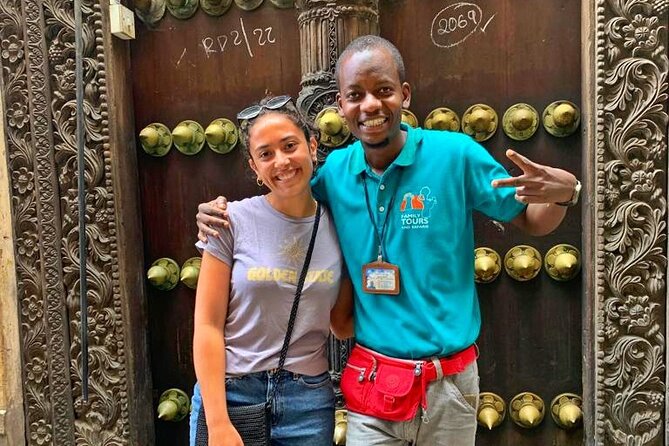
Stone Town’s narrow lanes carry Zanzibar’s whole story in a few blocks: slave-trade history, Sultan’s palaces, Indian Ocean commerce, Catholic churches, Arab forts, and markets scented with spices. This private walk with Maulid Omar gives you a clear route through that complicated past, rather than leaving you to guess what each carved door or weathered building means.
I like the included admission to the former slave market and the time spent at Darajani Bazaar, where you can see fish, fruit, vegetables, meat, and spices sold for local life rather than staged for visitors. I also like the private format, which makes it easier to ask questions and adjust your pace. The main drawback is the packed schedule: ten stops in roughly three to four hours means some sites receive only a quick look.
Key points to know before booking
- Former slave market admission is included: Spend about an hour at the chambers, monuments, and Anglican Cathedral site.
- Maulid Omar leads a private walking tour: Your group travels together, with guiding services and bottled water included.
- Ten Stone Town stops fit into a short morning: Expect a brisk route through major landmarks, markets, museums, and coastal spaces.
- The Freddie Mercury Museum costs extra: You can visit for about 20 minutes, but its admission is not part of the $30 price.
- Darajani Market adds everyday Zanzibar: The produce, fish, spices, and bargaining offer a useful counterpoint to the grand buildings.
- The tour begins and ends at Forodhani Park: Start time is 8:30 am, and the activity returns to the same meeting point.
Why Stone Town works best with a guide
Stone Town can look like a maze of narrow streets, carved entrances, old balconies, and blank stone walls. Without context, you may notice the architecture but miss the connections between Zanzibar’s Arab, Indian, European, Portuguese, and Swahili influences.
A guide gives those connections a human shape. You move from the former slave market to the palace district, then to the markets and seafront. The route shows how commerce, religion, politics, and daily life shared the same compact quarter.
The private format matters here. You are not tied to a large group or a fixed set of questions. If the slave-trade history raises questions, you can stay with that subject. If food, architecture, or Freddie Mercury interests you more, you can ask Maulid to add context as you walk.
The tour has earned a 4.9 rating from 13 ratings, with 100 percent recommending it. The strongest praise focuses on Maulid’s storytelling, his ability to take people through the local markets and winding lanes, and the added value of seeing places beyond the most obvious tourist route.
More Private Tours in Zanzibar
- Stone Town Private Walking Tour
★ 5.0 · 371 reviews - Zanzibar: 3 Hours Private Stone Town walking Tour with Guide
★ 4.6 · 301 reviews - Full-Day Private Stone Town +Spice Farm and Prison Island Tour
★ 4.5 · 216 reviews
Beginning at the former slave market
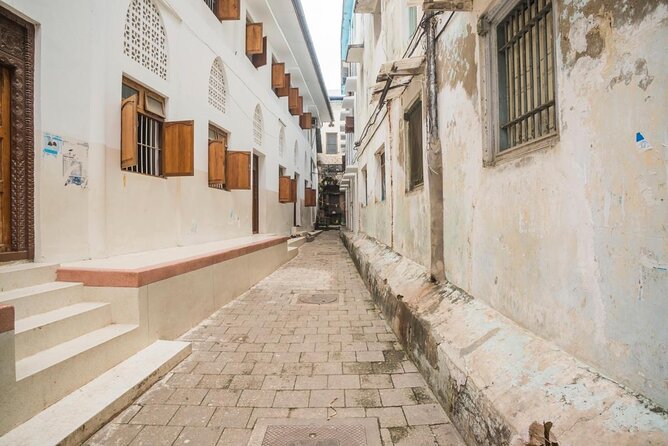
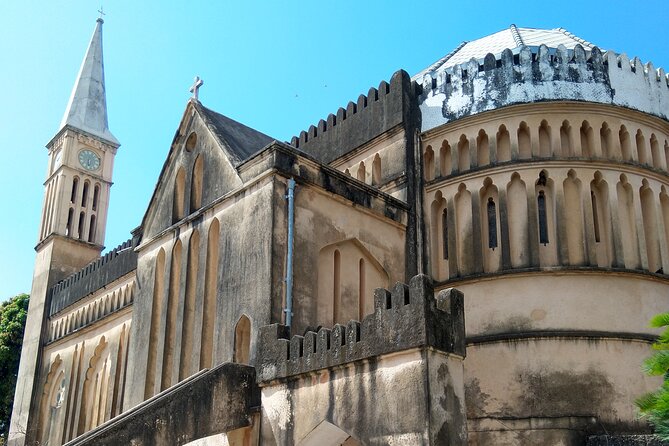
The first stop lasts about an hour, making it the most serious and substantial part of the morning. At the former slave market and Anglican Cathedral, you examine the site of East Africa’s slave trade, including the slave chambers, monuments, and place where enslaved people were sold.
This is not light sightseeing. The subject calls for time and attention, and the hour allotted here is useful. You can look at the remaining structures and artefacts while hearing how Zanzibar functioned as a major trading center for slaves, ivory, and spices during the 19th century.
The site also connects the slave trade to missionaries and abolitionist history. Dr. David Livingstone and other missionaries are part of the story presented here. The Anglican Cathedral adds another layer, since the church occupies the former market area and points to the changes that followed the end of the trade.
I would begin the tour ready for a sober visit. The experience is not only about attractive buildings and photo stops. It asks you to face one of Zanzibar’s darkest subjects before moving into the rest of the city.
Freddie Mercury and Stone Town’s modern identity
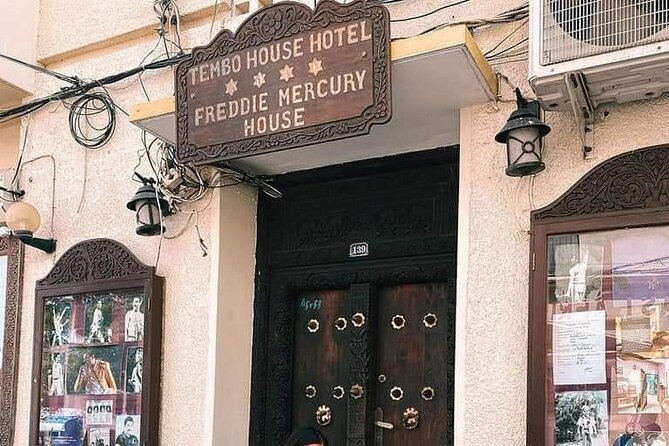
The Freddie Mercury Museum follows the former slave market, with about 20 minutes set aside for the visit. The museum focuses on Farrokh Bulsara, better known as Freddie Mercury, the singer, songwriter, guitarist, and Queen frontman associated with Zanzibar.
This stop gives the morning a sharp change of tone. After the historical weight of the slave-market site, you turn to a 20th-century cultural figure whose birthplace is linked with Stone Town. The contrast helps show that Zanzibar’s story did not end with the Sultanate or the old trading economy.
Admission is not included. That is the clearest extra cost on the route, so decide before arrival if the museum matters to you. The short time allocation suggests a compact visit rather than a long museum session.
If you are mainly interested in architecture and political history, you might prefer to keep this stop brief. If Queen or Freddie Mercury is a major interest, ask about the entrance fee before booking and treat the museum as a worthwhile optional addition rather than part of the base price.
Old Fort and the Portuguese traces

The Old Fort, also called Ngome Kongwe, gets about 20 minutes. This heavy stone structure brings together several periods of Stone Town’s past, including a Portuguese chapel and the Arab fort built by the Busaid rulers.
You will see an open amphitheatre within the fort and hear how the site developed from Portuguese influence into a later Arab defensive stronghold. It is a useful stop for understanding why Stone Town’s buildings rarely belong to one culture alone.
Twenty minutes is enough to see the main spaces and hear the basic story, but not enough for a slow architectural study. Admission is free, which helps keep the tour’s overall price reasonable.
The fort is also a good place to reset after the first two stops. Its open space offers a break from the narrow lanes, while the stone walls give you a physical sense of the city’s defensive and political past.
More Stone Town walks:
- Zanzibar: Stone Town, Spice Tour, Prison Island with Lunch
★ 4.4 · 1,219 reviews - Zanzibar: Prison Island, Stone Town, & Spice Farm Tour
★ 4.5 · 579 reviews - Zanzibar; Prison Island, Nakupenda, StoneTown Tour with BBQ
★ 4.3 · 457 reviews - Zanzibar: Stone Town, Spice tour & Prison Island with Lunch
★ 4.6 · 453 reviews
Darajani Bazaar, where Stone Town shops for daily life

Darajani Bazaar may be the most useful stop for understanding present-day Zanzibar. The market sells fruit, vegetables, fish, meat, and spices, with fresh catches from the Indian Ocean and produce from local growers.
You can browse, photograph, shop, and sample items as the visit allows. The key value is not simply the color or smell of the market. It is seeing where local food enters the city and how Stone Town’s commercial life continues beyond its historic monuments.
This is also where a private guide can make a real difference. A market is easy to pass through without knowing what you are seeing. Maulid’s role is to guide you through the stalls and explain the setting while allowing you to look at your own pace.
Keep your expectations practical. The tour gives the market about 20 minutes, so you will not have unlimited time to shop or linger at every stall. If you want to buy spices or fruit, have a rough idea of what interests you before arriving.
Coffee, narrow lanes, and the texture of Stone Town
After Darajani, the route moves through Stone Town’s narrow streets toward Zanzibar Coffee House. The scheduled time here is about 15 minutes, with the chance to rest and enjoy a coffee of your choice.
That short pause is welcome. Stone Town is best understood on foot, but walking in heat through tight lanes can wear you down. A brief coffee stop gives you a chance to sit, regroup, and take in the smells and sounds of the old quarter.
The city’s architectural blend becomes especially clear in these streets. Look for the mix of Arab, Indian, European, and Portuguese influence in the buildings, mosques, doors, and palaces. You do not need to identify every style to appreciate the way they sit side by side.
The short stop also explains why the tour feels brisk. You are covering a lot of ground, with a little time to pause rather than a long café visit. If coffee is not your thing, the break still works as a rest between landmarks.
The Sultan’s Palace and the People’s Palace Museum
The People’s Palace Museum, also known as the Sultan Palace, receives about 20 minutes. Inside, you explore the history of Zanzibar’s Sultan dynasty and the atmosphere of the former royal residence.
This stop helps connect the city’s trade economy with its ruling family. The palace is not only a grand building. It represents the political power that shaped Zanzibar while the island served as a center for commerce across the Indian Ocean.
You can also compare the palace with the more modest or practical spaces seen earlier. Stone Town’s doors, markets, churches, and forts tell different parts of one story. The palace shows how wealth and authority were displayed.
Again, twenty minutes means a focused visit. You will get an introduction and time for photographs, but not an exhaustive museum experience. The stop works best if you listen for the broad story of the Sultanate and notice the setting rather than expecting to examine every object.
Forodhani Gardens and the Indian Ocean edge
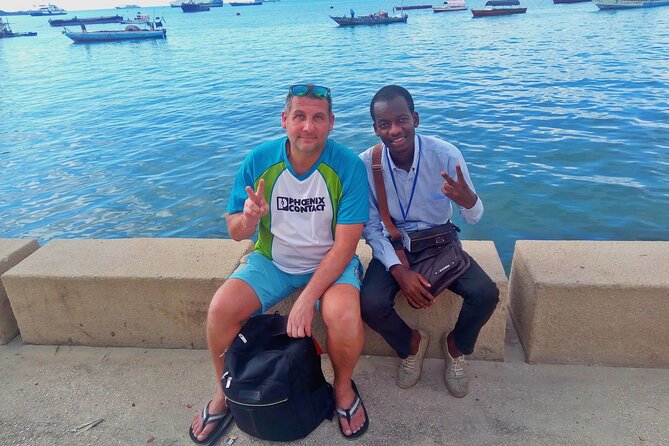
Forodhani Gardens is both the meeting point and one of the final stops. The garden is known as an evening food area, with seafood, sugarcane juice, barbecue, Zanzibar pizza, and other local dishes.
Because this tour starts at 8:30 am, you will not experience the evening food scene at its busiest during the tour itself. You can still see the seafront setting and return later if your schedule allows. The end point makes that easy, since the activity finishes back at Forodhani Park.
The oceanfront adds a change of scale after the enclosed lanes. Stone Town faces the Indian Ocean, and the coastal setting helps explain its long trading connections with Arabia, India, East Africa, and Europe.
Food is not listed as included, so plan to pay for anything you choose to eat or drink. The tour provides bottled water, but personal purchases remain your responsibility.
Three religious and commercial landmarks in quick succession
The final section includes St. Joseph’s Roman Catholic Cathedral, the Old Dispensary, and Tippu Tip’s House. Each stop receives about 20 minutes, so these are focused visits rather than long guided tours.
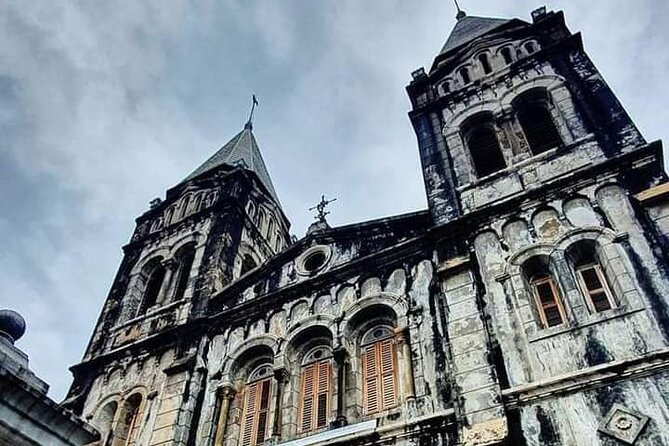
St. Joseph’s Roman Catholic Cathedral is a French Catholic church in the center of Stone Town. Its interior and design add another European religious influence to the city, following the Anglican site and the older Portuguese connections seen at the fort.
The Old Dispensary was established by Tharia Thopan, a business adviser to the Sultan. Its purpose points to the commercial and civic life that grew around the palace and port. The building offers another chance to see how Indian and Arab connections shaped Stone Town’s public spaces.
Tippu Tip’s House on Shangani Street brings the story back to the slave trade. Tippu Tip was a powerful and well-known slave trader, and his house provides a direct link between an individual figure and the wider system discussed at the former market.
These stops are valuable because they keep the city’s story from becoming too polished. You see churches, commercial buildings, royal sites, and places linked to exploitation. The route asks you to hold all of those facts together.
What $30 includes, and where the value lies
At $30 per person, the price is reasonable for a private three to four-hour tour that includes guiding, bottled water, entrance fees, and admission to the former slave market. The private format is the main value: you are paying for a personal route through a complicated city, not just a ticket to one monument.
The former slave-market ticket matters most, since that is the longest and most serious stop. You also receive a broad introduction to Stone Town’s main sites without arranging separate visits or working out the route yourself.
The Freddie Mercury Museum admission is extra. Personal purchases, food, coffee, and other items are also not included, so the base price is not the full cost of the morning if you plan to shop or eat along the way.
The schedule is efficient but tight. Ten stops in three to four hours will suit you if you want a strong first look at Stone Town. It will frustrate you if you prefer to spend an hour inside each museum or photograph every doorway without hurry.
Who will get the most from this morning walk
I would recommend this tour to a first-time visitor who wants the major historical subjects explained in one short outing. It also suits anyone interested in Zanzibar’s slave-trade history, Sultanate, markets, religious buildings, and coastal setting.
The private format is useful for couples, families, and small groups with different interests. You can ask Maulid to explain a detail, pause for a photograph, or give more attention to the market or architecture.
You should think twice if the Freddie Mercury Museum is your main reason for visiting. It receives only about 20 minutes, and admission costs extra. You should also choose a longer or more specialized visit if your priority is detailed museum study.
The tour requires good weather. If poor weather cancels it, you are offered another date or a full refund. You can cancel for a full refund up to 24 hours before the 8:30 am start time, but changes or cancellations inside that window are not accepted.
Should you book Stone Town Private Tour with Slave Market Tickets?
Book it if you want a compact, private introduction to Stone Town with serious historical context and plenty of variety. The best parts are the hour at the former slave market, Maulid Omar’s storytelling, the walk through Darajani Bazaar, and the chance to connect famous landmarks with ordinary city life.
At $30, the tour gives you a practical first orientation and includes the most important admission. Just keep the pace in mind. You will see a lot, but you will not linger long. If that sounds right for your morning, this is a useful way to meet Stone Town on foot.
FAQ
How long does the Stone Town private tour last?
The tour lasts approximately three to four hours.
What time and where does the tour begin?
It starts at 8:30 am at Forodhani Park in Zanzibar. The listed meeting point is Forodhani, Zanzibar, Tanzania.
Where does the tour end?
The activity ends back at the meeting point at Forodhani Park.
Is the tour private?
Yes. Only your group participates in the activity.
Is admission to the former slave market included?
Yes. The tour includes the entrance ticket to the former slave market, including the former slave-market site and its related historic areas.
Is the Freddie Mercury Museum ticket included?
No. Admission to the Freddie Mercury Museum is not included in the tour price.
What does the $30 price include?
The price includes bottled water, guiding services, entrance fees, and admission to the former slave market.
Can I cancel for a full refund?
Yes. You can cancel at least 24 hours before the local start time for a full refund. Cancellations or changes made less than 24 hours before the start time are not refunded or accepted.
Just added around Zanzibar
- Walking in Stone Town with a Expert Tourguide★ 3.7 · 3 reviews
- Stone Town Tour★ 5.0 · 16 reviews
- Jet Ski Experience from Kendwa Beach★ 5.0 · 21 reviews
- Turtle Snorkeling, Jozani Forest, Kuza Cave, Rock Restaurant★ 3.7 · 8 reviews
- Prison island(Changuu island) & stone town walking tour★ 5.0 · 6 reviews
- Zanzibar boat rental/charters★ 5.0 · 6 reviews
- Full Day Private Zanzibar Triple Delight Tour★ 4.5 · 3 reviews
- Zanzibar Tumbatu Island Cultural Experience★ 5.0 · 4 reviews
Stone Town Tours, compared.

Stone Town, Spice Tour, Prison Island with Lunch
Read our review →
Prison Island, Nakupenda, StoneTown Tour with BBQ
Read our review →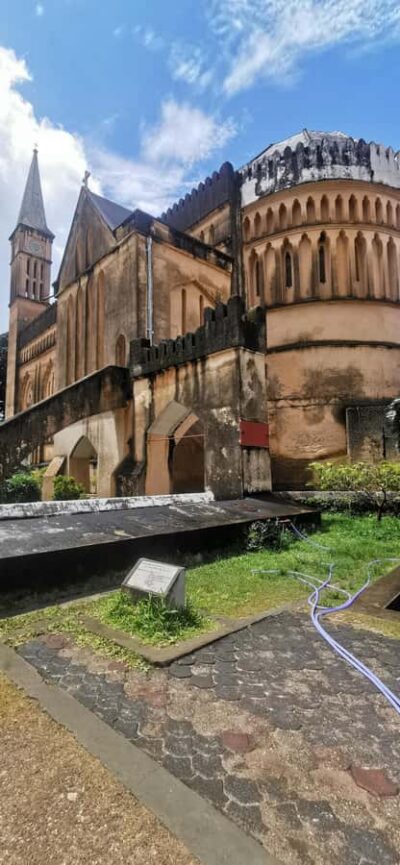
3 Hours Private Stone Town walking Tour with Guide
Read our review →
Stone Town Historical Cultural Walking Guided Tour
Read our review →
Stonetown: Food Markets and Street Food Walking Tour
Read our review →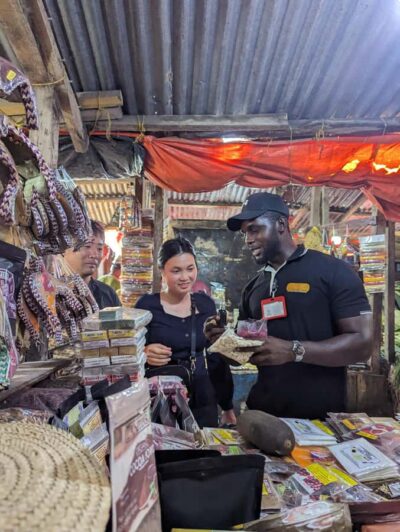
Zanzibar full day Jozani forest + Spice farm and stone town
Read our review →
Browse the lists this tour appears in