
Reviewed · PRIVATE TOURS IN TARANGIRE
4 Days Private Safari – Tarangire, Serengeti & Ngorongoro Crater
The big draw here is variety. In four days, you move from Tarangire’s baobabs and elephant herds to the endless Serengeti plains, then down into Ngorongoro Crater for a concentrated wildlife day. I like the chance to see three very different habitats without committing to a week-long safari.
I also like that the price includes park fees, camping gear, breakfast, lunch, and dinner. Guides such as Penda, Joseph, Miraji, and Erasto have earned praise for safe driving, animal spotting, and clear explanations of wildlife. The main caution is the pace: long road days and basic camping are part of the bargain, and the stated start time of 12:30 a.m. does not match the Day 1 pickup time of 8:30 a.m., so confirm this before paying.
Key points to know before booking
- Three major wildlife areas in four days: Tarangire, Serengeti, and Ngorongoro Crater each offer a different setting.
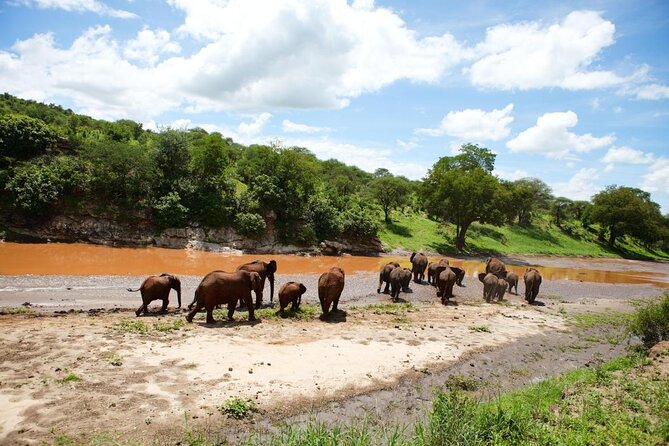
- Tarangire is the elephant specialist: Expect baobabs, acacia woodland, swamps, and a good chance of large elephant herds.
- Seronera is the central wildlife base: The Seronera River draws animals and gives you strong odds of seeing several predator species.
- Camping keeps the price down: You sleep in waterproof two-person tents with mosquito nets at public campsites inside or outside the parks.
- Meals are included: Four lunches, three breakfasts, and three dinners are part of the package, with past departures also using a safari cook.
- Private does not always mean solitary: The activity is sold as private, but some past departures combined small groups or used two vehicles.
Three parks, three very different safari moods
This route works because each stop brings something different. Tarangire feels wooded and sculpted by giant trees. Serengeti opens wide, with grassland stretching toward the horizon. Ngorongoro is compact and crowded with animals because its crater walls and permanent water supply keep wildlife close together.
You pay $1,500 per person for about four days. That is not a budget bus ride, but it covers the costly parts of a northern Tanzania safari: park fees, transport, meals, camping equipment, and a guide-driver. The value is strongest if you want the classic northern circuit but do not need lodge accommodation.
The tradeoff is time. You spend a lot of it in a safari vehicle, often on rough roads. A four-day plan can show you the highlights, but it leaves little room for delays, long animal sightings, or a relaxed morning at camp. I would choose this trip for concentrated wildlife viewing, not for slow travel.
More Private Tours in Tarangire
- Private 6-Day Tarangire Manyara Crater and Serengeti with Mid-Range Lodges
★ 5.0 · 238 reviews - 4 Day Private Tour Throughout Tarangire, Serengeti and Ngorongoro
★ 5.0 · 42 reviews - 5 Days Private Safari- Tarangire, Serengeti, Ngorongoro & Manyara
★ 5.0 · 27 reviews
Day 1: Tarangire’s elephants and baobab country
The first day begins with pickup in Arusha and a drive to Tarangire National Park. The itinerary gives an 8:30 a.m. pickup time, followed by a full-day game drive and picnic lunch. A separate meeting-time field lists 12:30 a.m., so ask the operator to confirm the exact pickup hour and location.
Tarangire is a fine opening act. Its natural setting includes acacia woodland, huge baobab trees, and swampy areas in the south. During the dry season, the Tarangire River and swamps draw animals from a wide area. That makes the park especially rewarding when water is scarce elsewhere.
The park is famous for its elephants, and this is the day when you have the best chance to watch large herds moving through woodland or gathering near water. You may also find lions, giraffes, zebras, wildebeest, and many bird species, although the exact sightings depend on season and animal movement.
Tarangire also protects three less common species: greater kudu, fringed-eared oryx, and ashy starling. They are not guaranteed sightings, but their presence adds a little more purpose to careful scanning. A guide who can identify birds, trees, and smaller animals will give you more than a checklist of the Big Five.
The picnic lunch keeps the day moving, but it also means you should be ready for a full day outdoors. Bring sun protection, water, and clothing that can handle dust. The first day is not hard because of walking. It is demanding because you are seated in a vehicle for hours and constantly watching for movement.
Day 2: From the highlands to the Seronera plains
After breakfast, you pass through the farmland around Karatu and the Ngorongoro Conservation Area before descending toward Serengeti National Park. This is a long transfer, but it is not empty travel. The change from cultivated highlands to open grassland gives you a useful sense of northern Tanzania’s geography.
The destination is the Seronera area in central Serengeti. The Seronera River supplies water and helps draw a broad mix of wildlife, making this one of the park’s most productive areas for a short safari. You are scheduled to arrive around lunch, then continue with an afternoon game drive.
This is your best day for the classic Serengeti feeling: broad plains, scattered animals, and a horizon that seems to keep moving away. The park is one of Tanzania’s main places to search for lions, leopards, cheetahs, hyenas, elephants, giraffes, buffalo, zebra, and wildebeest.
The Big Five are lion, leopard, rhinoceros, elephant, and African buffalo. Seeing all five is never guaranteed, especially leopard and rhino, but the route gives you a reasonable chance to encounter several. The tour description places particular emphasis on Big Five sightings, and past departures recorded large lion sightings, hippos, hyenas, ostriches, and cheetahs.
Your guide matters greatly here. Penda was praised for explaining animals, birds, and trees, while Joseph was singled out for safe driving and determined animal spotting. Other named guides include Bakari, Miraji, Erasto, Ernasto, Waldo, and Mirage. The assigned person can vary, so treat these names as examples of the company’s guiding team, not a promise about your departure.
Day 3: A final Serengeti drive and the Maasai-managed conservation area
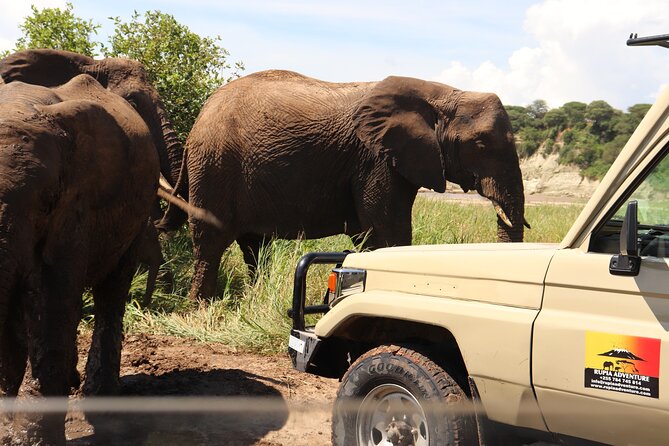
Day 3 starts early with breakfast and a final morning game drive in Serengeti. This is a smart use of time. Animals are often active in the cooler part of the morning, and you get one more chance to find a pride of lions, a leopard near cover, or grazing herds before leaving the park.
You then travel toward the Ngorongoro Conservation Area with an en-route game drive and picnic lunch. The road distance makes this another substantial day. If you prefer easy transfers and long afternoons at camp, four days may feel rushed. If you want three headline destinations in one trip, the schedule makes sense.
Ngorongoro is not managed in the same way as a national park. Maasai communities live and graze cattle in the conservation area alongside wildlife. That human presence is an important part of the place. You are not visiting a fenced animal display. You are passing through a working region where pastoral life and conservation share the same space.
Your overnight camp may be inside or outside the parks. The exact campsite location matters because it affects the next morning’s drive. Ask for the planned campsite and sleeping arrangements in advance, especially if you are sensitive to long transfers or want to know how close you will be to the crater descent.
More Safaris in Tarangire
- 4-Day Safari from Arusha: Tarangire, Serengeti and Ngorongoro
★ 5.0 · 173 reviews - Balloon Safari & Bush Breakfast in Tarangire – Miracle Experience
★ 5.0 · 169 reviews - 2 Days Tarangire and Ngorongoro Group Camping Safari
★ 5.0 · 146 reviews - 3 Days Tarangire, Ngorongoro & Lake Manyara Group Camping Safari
★ 5.0 · 102 reviews
Day 4: Five hours inside Ngorongoro Crater
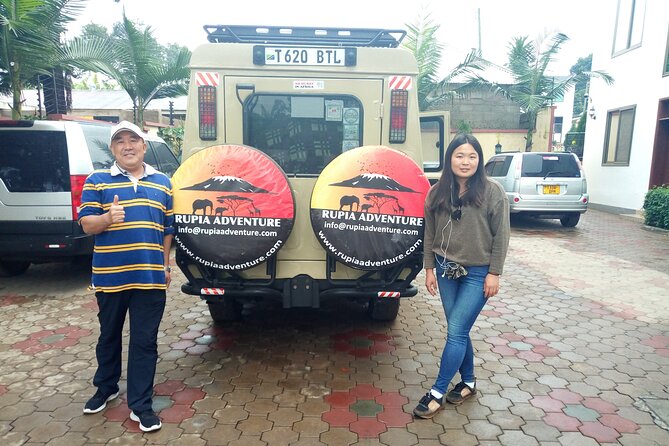
After breakfast, you descend into Ngorongoro Crater for about five hours of game viewing. The crater is an old volcanic caldera with a permanent water supply and grazing areas. Wildlife is concentrated in a smaller area than in the Serengeti, so you may see a great deal without covering such enormous distances.
The crater supports wildebeest, zebra, buffalo, eland, warthog, hippo, and elephants. It is also a strong place to search for predators, including lions, hyenas, jackals, cheetahs, and the elusive leopard. Black rhino are present as well, though a sighting is never something you should count on.
The crater floor is a busy wildlife setting. That can work in your favor when you have limited time, but it can also feel crowded with safari vehicles. The experience is less about solitude and more about the chance to see many species in one morning.
A picnic lunch is planned on the crater floor, followed by the drive back to Arusha in the late afternoon. This final return makes Day 4 a long one. If you have an evening flight, an onward bus, or an important appointment, do not schedule it too tightly. The package promises a drop-off at your hotel, not a precise arrival hour.
Camping, food, and comfort on the road
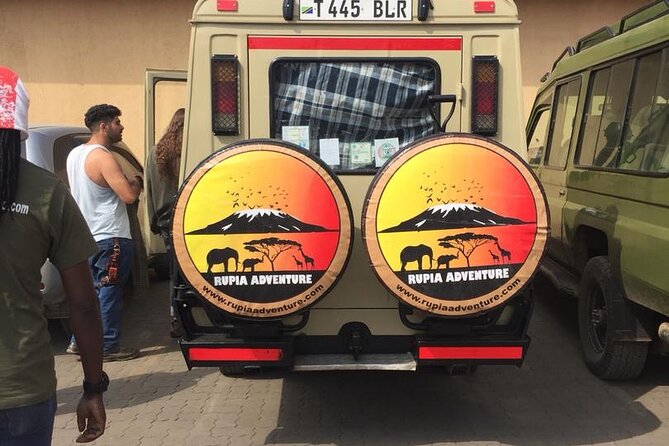
The standard accommodation uses waterproof two-person tents with mosquito nets. Camping equipment is included, and public campsites may be located inside or outside the parks. This is practical safari camping, not a luxury tented camp with private facilities and a polished lodge feel.
I would choose this setup if you want to keep the price focused on wildlife rather than rooms. It also puts you closer to the basic rhythm of a safari: early starts, outdoor meals, dust, canvas, and the sounds of the bush around camp. I would not choose it if you need hotel-level comfort each night.
Past departures mention safari cooks, including David, whose meals were praised for being fresh and well prepared. The package includes three breakfasts, four lunches, and three dinners. That is useful because you do not need to arrange food separately during the route.
One important detail is that the written inclusions list meals but does not spell out every camping facility. Ask what is supplied beyond the tent and mosquito net, including bedding, mattresses, wash facilities, and drinking water. One past departure mentioned a small mattress under the tent, but you should confirm current equipment rather than rely on an older arrangement.
Vehicles, group size, and guide quality
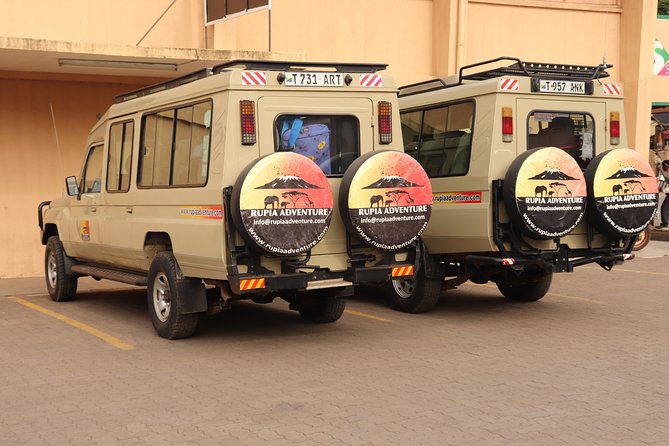
This is advertised as a private activity, with only your group participating. Yet some past departures were combined with another couple or involved groups of 12 traveling in two safari vehicles. That does not automatically make the trip unsuitable, but it does mean you should confirm the actual group size, vehicle arrangement, and whether another party may join after the first day.
The vehicle is central to your comfort. Safari roads can be rough and bumpy, and one departure had serious complaints about vehicle condition and repeated stops. Most of the available feedback describes good drivers, strong animal spotting, and reliable service, but that negative account is worth taking seriously.
Ask three direct questions before booking: How many people will share the vehicle? What happens if the vehicle has a mechanical problem? Is the assigned vehicle equipped for the full route? These questions do not spoil the excitement. They help protect a major investment.
The strongest praise centers on the guides. Joseph was described as safe, attentive, and willing to search for animals. Bakari was credited with detailed explanations and good spirits. Penda was praised for explaining flora and fauna, while Miraji and Erasto were described as friendly and professional. Your guide will shape the trip more than the printed schedule does.
What the $1,500 price really buys
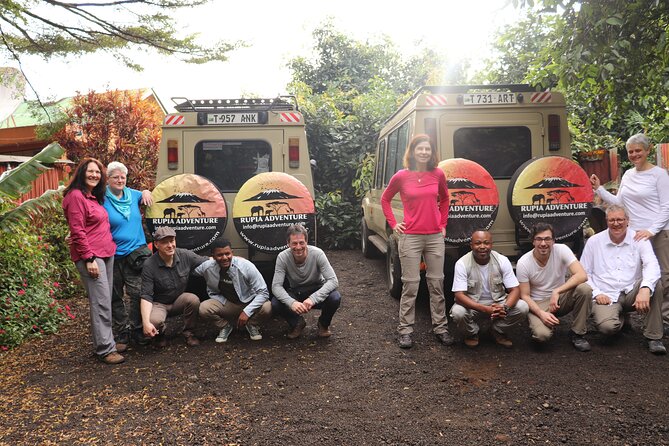
At $1,500 per person, the package offers a fairly direct way into Tanzania’s most famous northern parks. Park fees and taxes are included, as are transport, camping gear, and the main meals. If you were arranging those pieces separately, the total could become difficult to track.
The price does not include tips. Plan for a gratuity if your guide and cook provide good service, but do not treat it as a hidden mandatory fee. The package also does not promise lodge accommodation. A lodge upgrade has been possible on some departures for an additional charge, so ask about that option if camping is not right for you.
The value depends on your priorities. For someone who wants comfortable lodges, short transfers, and more time in each park, this four-day route may feel too compressed. For someone who wants the Serengeti and Ngorongoro without paying for a longer luxury itinerary, it is a sensible middle ground.
Who should book this safari
I would recommend it to an active first-time safari visitor who wants the classic northern Tanzania trio in a short window. It also suits people who are comfortable with tents, early breakfasts, picnic lunches, long drives, and changing scenery from one day to the next.
It is a good fit for wildlife photographers who want several habitats and a strong range of species, though photographers should ask about vehicle space and group size. A crowded vehicle can make long-lens work harder.
I would be cautious if you need guaranteed private space, polished accommodation, or a precise timetable. I would also compare other operators if the condition of the vehicle is your main concern. The high overall rating and many positive comments point to a capable operation, but the conflicting reports mean you should confirm current logistics in writing.
The cancellation terms allow a full refund when you cancel at least three full days before the start time. Later cancellations and late changes are not refunded. Bad weather or failure to meet the minimum number of participants can lead to a different date, a different experience, or a full refund.
Should you book the four-day route?
Book it if your priority is seeing a lot of northern Tanzania in a short time and you are happy to trade comfort for access. Tarangire’s elephants, Serengeti’s open plains, and Ngorongoro’s concentrated wildlife make a strong four-day combination.
Before you commit, confirm the pickup time, final group size, vehicle condition, campsite details, and whether your departure is truly private. If the answers are clear, the trip offers good value at $1,500. If you want a slower pace or lodge comfort, pay extra for a longer or upgraded plan instead.
FAQ
Where does the safari start?
The tour starts in Arusha, Tanzania, with pickup offered from your hotel.
How long does the safari last?
The experience lasts approximately four days.
Which parks and protected areas are included?
The route includes Tarangire National Park, Serengeti National Park, the Ngorongoro Conservation Area, and Ngorongoro Crater.
Is the tour private?
It is described as a private activity in which only your group participates. Some past departures combined groups or used two vehicles, so confirm the arrangement before booking.
What time does pickup take place?
The Day 1 itinerary lists hotel pickup at 8:30 a.m. A separate meeting-time field lists 12:30 a.m., so you should confirm the correct local pickup time with the operator.
What type of accommodation is provided?
The standard accommodation uses waterproof two-person tents with mosquito nets at public campsites inside or outside the parks.
Are meals included?
Yes. The package includes three breakfasts, four lunches, and three dinners.
Are park fees included?
Yes. All fees and taxes are included in the listed package.
Are tips included?
No. Tips are not included in the price.
How far in advance can I cancel for a full refund?
You must cancel at least three full days before the experience start time for a full refund. Late cancellations and changes are not refunded.
More Four-Day Trips in Tarangire
- 4 Days Join Group tour Tarangire Serengeti and Ngorongoro crater
★ 5.0 · 219 reviews - 4 Days Tarangire Serengeti Ngorongoro Crater
★ 5.0 · 117 reviews - 4 Days Tarangire, Serengeti and Ngorongoro Mid-Range Group Safari
★ 5.0 · 84 reviews - 04 Days Tarangire, Serengeti and Ngorongoro crater group (Camping
★ 5.0 · 66 reviews
Just added around Tarangire
- 3 days Safari to Tarangire, Ngorongoro and Manyara from Zanzibar★ 5.0 · 12 reviews
- 3 Day – Tarangire, Ngorongoro Crater Lake Manyara- Mid – Range★ 5.0 · 16 reviews
- #1 Best Tanzania Safari Tarangire Day tour Adventure★ 5.0 · 9 reviews
- Full Day Private Safari – Tarangire National Park★ 5.0 · 5 reviews
- 5 days Safari to Tarangire, Ngorongoro, Serengeti and Lake Manyara★ 5.0 · 5 reviews
- 4 days Tarangire National park, Serengeti National park and Ngorongoro crater★ 5.0 · 3 reviews
- 4-Day Tarangire Serengeti, Ngorongoro & Maasai Guided group tour★ 5.0 · 16 reviews
- 4 Days Safari Tour at Tarangire, Serengeti and Ngorongoro Crater★ 5.0 · 7 reviews
Private Tours in Tarangire, compared.
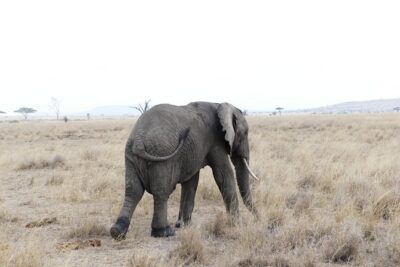
Private 6-Day Tarangire Manyara Crater and Serengeti with Mid-Range Lodges
Read our review →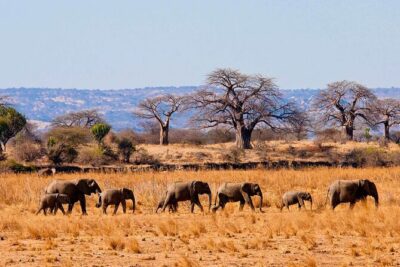
4 Day Private Tour Throughout Tarangire, Serengeti and Ngorongoro
Read our review →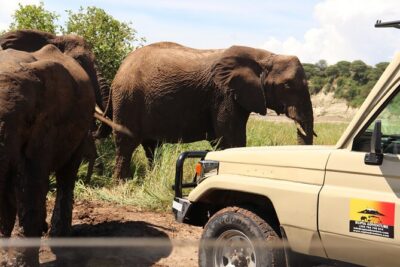
5 Days Private Safari- Tarangire, Serengeti, Ngorongoro & Manyara
Read our review →
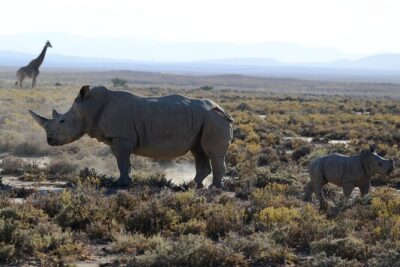
From Arusha: Tarangire and Ngorongoro Crater 3-Day Private Safari
Read our review →Browse the lists this tour appears in