
Reviewed · WATERFALL TOURS
Materuni Waterfalls & Coffee making Cultural Tour | Burigi Chato Safaris LTD
Materuni’s best trick is that it gives you two very different Tanzania experiences in one day: a hands-on Chagga coffee lesson and a forest walk to a tall waterfall. You may pick coffee from the plant, roast beans over firewood, grind them, and drink the cup you helped make. Then you walk through hills and valleys to cool off near Materuni Waterfalls.
I like the direct contact with local life, especially the coffee work, songs, dancing, and lunch prepared with people from the village. I also like that this is more than a roadside photo stop: the roughly 45-minute walk brings you through plant life, farms, and village paths before the waterfall appears.
The main thing to consider is the physical side. The walk is not a major mountain trek, but it includes uneven paths and hills, and the waterfall area can be wet. Confirm the pickup and transport details before booking, since the tour description includes a private car while one booking account describes transport as an additional $40 service.
At a glance
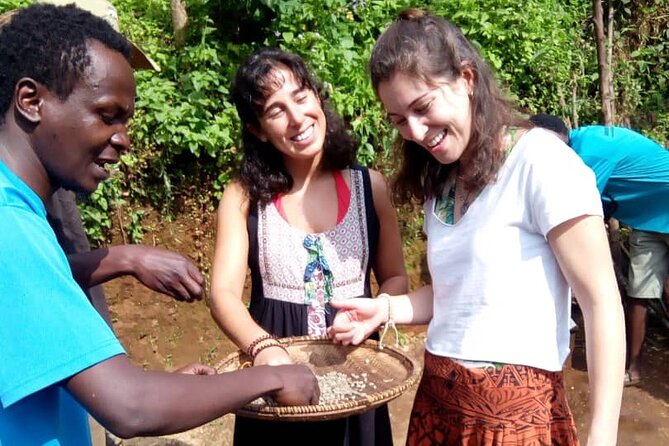
- Coffee is the heart of the visit: Pick, process, roast, grind, and prepare coffee in the local Chagga style.
- Materuni sits high on Kilimanjaro’s slopes: The village is about 1,800 meters above sea level, in a cool, green coffee-growing area.
- The waterfall requires a walk: Plan on about 45 minutes through hills, valleys, village paths, and forest.
- Lunch is included: The day includes an African-style meal, sometimes served near the waterfall or arranged by the local village team.
- Guides shape the experience: Guides named in the tour feedback include Martin and Gabriel, both described as local or closely connected to the area.
- The views can be excellent: From the waterfall area, you may see Moshi Town and Kibo, Kilimanjaro’s main summit cone, when conditions are clear.
Coffee first, waterfall second
The day begins at 8:30 a.m. and takes you from the Arusha area toward Materuni, a village on the lower slopes of Kilimanjaro. The tour is planned for about six hours, though road conditions, the pace of your group, and time spent at the coffee farm can affect the finish time.
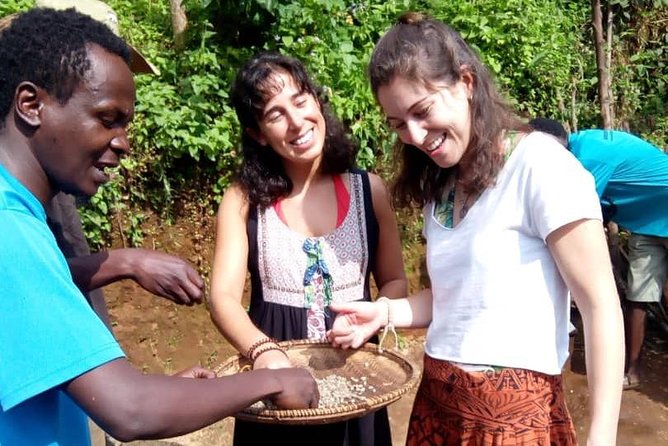
Materuni is not simply a place to drink a cup of coffee. The point is to understand the work behind it. You may see coffee growing on the plant, help pick the ripe beans, and take part in the steps that turn them into a drink.
A local guide leads the process. Martin is named as a guide who showed visitors how to pick coffee and prepare a cup, while Gabriel is described as a local guide who arranged the coffee lesson, village connections, and lunch. Guide assignments can change, so do not book on the assumption that one particular person will lead your group.
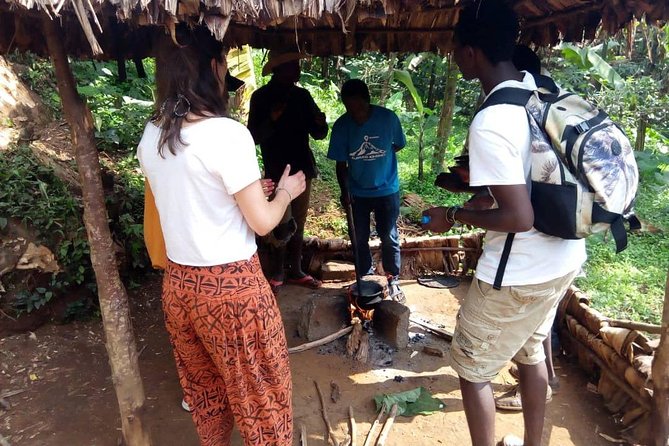
The coffee preparation is pleasantly practical. You can expect to take part in processing, roasting, grinding, and brewing rather than standing back while somebody else does all the work. The beans are roasted over a wood fire, and the process may be accompanied by local songs and dancing.
That makes this a strong choice for you if you want a cultural activity with something to do with your hands. It is also a good fit after a Kilimanjaro climb, when a gentle cultural day can feel more appealing than another demanding hike.
More Waterfall Tours in Moshi
- Materuni Waterfalls, coffee tour & Kikuletwa Hot Springs
★ 5.0 · 643 reviews - Materuni Waterfalls & Chemka Hotsprings Day Trip
★ 5.0 · 214 reviews - Materuni waterfalls coffee tour & Chemka hot springs Day trip
★ 5.0 · 131 reviews
What the Chagga coffee lesson adds
Coffee is one of the clearest ways to connect the setting with daily work. Materuni lies in a high, wet part of Kilimanjaro’s foothills, and the coffee farm gives you a reason to pay attention to the plants, soil, altitude, and human effort around you.
The lesson follows the coffee from tree to cup. That sequence matters. You do not just taste a finished product in a café. You see the beans, handle them, watch them roast, and help make the drink yourself.
I especially like the wood-fire roasting detail. It keeps the activity grounded in village practice rather than turning it into a polished commercial tasting. You also get a chance to ask questions directly and adjust the pace to your interests. One account describes Martin organizing a more personal day around a visitor’s schedule, though you should treat that as a possibility rather than a guaranteed feature.
The coffee is a highlight, but it is not a formal barista course. Expect a local demonstration and participation, not technical instruction about espresso extraction, brewing temperatures, or professional cupping. If you want specialty-coffee theory, this is not the right outing. If you want to understand how coffee is prepared locally and share the work with village hosts, it makes much more sense.
Walking from Materuni village to the falls
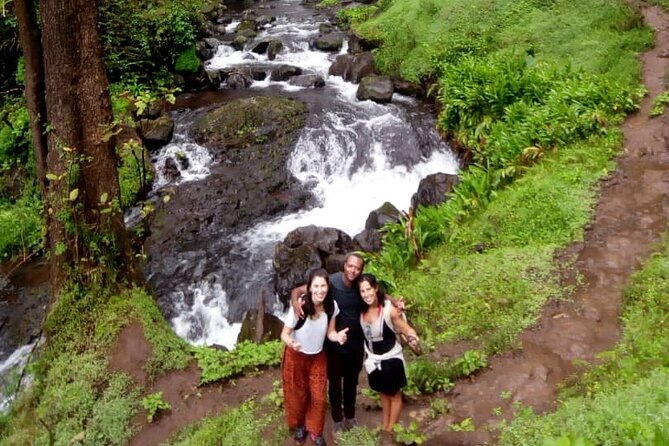
After the coffee activity, the route to the waterfall takes about 45 minutes. The walk passes through hills and valleys, with forest and cultivated areas along the way. Guides explain local plants and point out features of the area as you go.
This walk is one reason the tour feels fuller than a simple drive to a waterfall. You gradually leave the village behind, pass through the surrounding countryside, and reach the water on foot. The route also gives you time to speak with your guide and see how people live and work around Materuni.
The path is not described as paved or fully level. You should wear shoes with a firm grip and expect mud or slippery sections if the weather has been wet. The tour requires good weather, and the operator may offer another date or a full refund if poor conditions force cancellation.
The walk may be manageable for most people, but most travelers can participate does not mean it is effortless for everyone. If you have trouble with uneven ground, hills, or wet paths, ask for a clear description of current trail conditions before you commit.
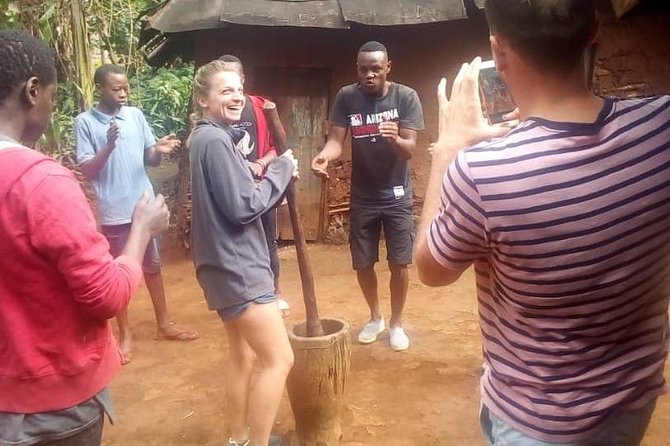
You may also meet children and villagers along the way. That can be a natural part of passing through a lived-in village, but remember that you are walking through someone’s home area, not an outdoor theme park. Ask before taking close-up photographs, and follow your guide’s lead on respectful interaction.
Materuni Waterfalls and the Kibo view
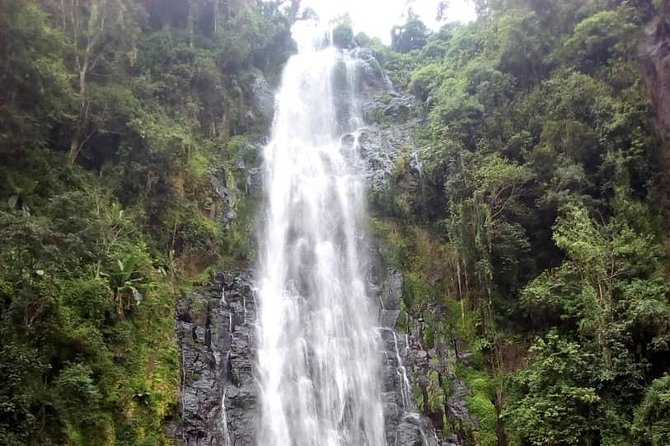
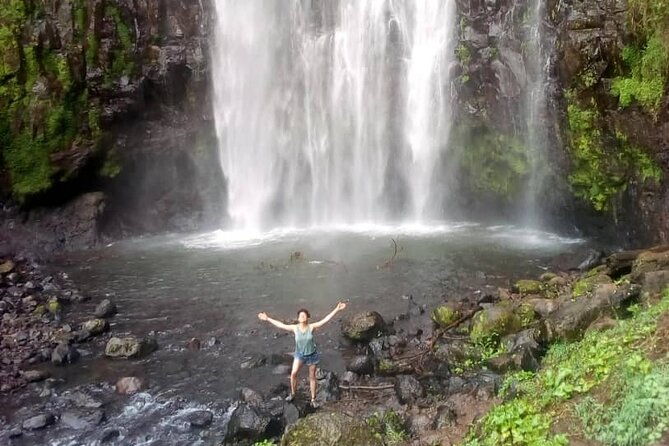
Materuni Waterfalls is the visual payoff. Water drops into a forested setting surrounded by thick greenery, and the cool, damp air makes the area feel far removed from town.
Descriptions of the falls vary by water level and weather, but the attraction is consistently presented as tall and impressive. The water can be cold, and some tour accounts describe swimming as part of the stop. Swimming should be treated as optional, not as the main purpose of the outing, and you should check conditions with your guide before entering the water.
Bring a change of clothes if you might swim or stand close to the spray. Even without swimming, the rocks and ground around a waterfall can become wet. A small dry bag or waterproof phone pouch is useful for protecting valuables.
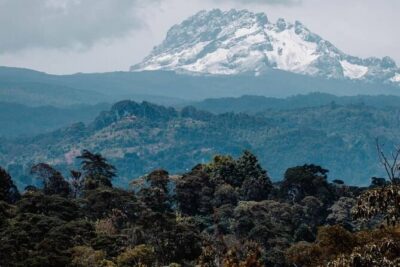
The setting also offers views toward Moshi Town and Kibo. These views depend on cloud cover. Kilimanjaro can hide behind clouds even when you are on its slopes, so do not judge the day by whether the mountain appears in every photograph. When the sky clears, the combination of forest, waterfall, and the mountain’s upper slopes is a memorable part of the outing.
More coffee farm tours around Moshi:
- Materuni Waterfall, Coffee Tour and Picnic Hot Lunch
★ 5.0 · 128 reviews - Maasai village visit, Materuni waterfalls & coffee experience
★ 4.5 · 95 reviews - Materuni Waterfalls & Coffee Tour from Moshi
★ 5.0 · 92 reviews - Materuni Waterfalls, Chemka Hot Springs, &/Or Coffee Tour
★ 4.8 · 76 reviews
Lunch with a local touch
Lunch is included, and several accounts describe an African-style meal shared near the waterfall or arranged by local people in the village. One description highlights the chance to help prepare part of the food, while another praises lunch organized by Gabriel.
The meal gives the day a useful pause between the coffee activity and the walk back. It also helps the visit feel connected to local hospitality rather than built entirely around sightseeing.
Do not expect a restaurant menu or a choice of several dishes. The supplied information does not specify the menu, dietary options, or exact serving location. If you have allergies, follow a special diet, or need a particular meal, ask the operator in advance.
The combination of coffee, lunch, and a waterfall makes the $166.67 price easier to assess. You are paying for a private car, guide wages, admission fees, lunch, and a full half-day outing rather than only paying for access to the falls. The value is strongest if you want a guided cultural day and do not want to arrange separate transport, village activities, and food.
It is less compelling if you mainly want a quick waterfall visit. In that case, six hours and the price may feel like more than you need. The coffee lesson is what gives this tour its character.
Transport, timing, and the price
Pickup is offered, and the activity starts at 8:30 a.m. It ends back at the meeting point. The listed starting point is Arusha, Tanzania, while the experience itself takes place around Materuni and the Kilimanjaro foothills.
The description includes a private car, guide wages, all fees and taxes, and lunch. That is useful because transport and entry costs can otherwise make a half-day excursion harder to compare.
There is one detail worth checking carefully. A booking account describes hotel pickup, a company vehicle, and transport offered for $40, while the main tour information says a private car is included. The difference may reflect a particular pickup arrangement or an optional transport charge. Ask exactly what is included for your departure point, especially if you are staying outside the standard pickup area.
The tour allows mobile tickets and can accommodate a maximum of 100 people. That maximum is large, although the coffee activity and several accounts describe smaller groups. If group size matters to you, ask whether your booking will be private, small group, or part of a larger departure.
Tips for the day:
- Wear shoes suitable for uneven and wet paths.
- Carry water and a change of clothes if you plan to swim.
- Bring a camera, but protect it from spray and rain.
- Allow time for the road journey, coffee lesson, lunch, hike, and return.
- Ask about dietary needs before the morning departure.
- Keep some cash available for tipping your guide, since gratuities are not included.
Who will enjoy this day most
This tour suits you if you want a taste of Kilimanjaro country without committing to a multi-day trek. It is also a natural add-on before or after climbing Kilimanjaro. Several accounts describe using the outing after a climb, when the waterfall, greenery, and slower pace helped ease the transition from the mountain.
It works well for couples, families with active older children, and small groups that like to ask questions and take part in activities. People who enjoy food, farming, and local craft will get more from the coffee session than visitors who only want scenery.
You should think twice if you dislike walking on rough paths or prefer a tightly timed sightseeing schedule. The coffee work, village interactions, songs, lunch, and photo stops can make the day feel flexible rather than clock-driven.
The experience is also not designed as a luxury excursion. The focus is local participation, a simple farm setting, a forest path, and a village meal. That is the appeal, but it also means you should arrive ready for basic conditions.
Booking and cancellation details
Free cancellation is available if you cancel at least 24 hours before the scheduled start time. Changes or cancellations made within 24 hours are not accepted for a refund.
The activity depends on good weather. If the operator cancels because of poor conditions, you can choose another date or receive a full refund. Since the walk and waterfall are central to the day, this weather rule is reasonable, but keep some flexibility in your Arusha schedule.
The booking information identifies Burigi Chato Safaris Ltd in the title and Tanzania Serengeti Safaris as the experience provider. Confirm the exact company contact, pickup point, and included transport before the day begins.
Should you book the Materuni tour?
I would book this tour if you want a well-rounded day built around participation rather than sightseeing alone. The strongest reasons are the coffee process, the chance to meet local village hosts, the forest walk, and the waterfall in one outing. The local guides named in the supplied information, including Martin and Gabriel, also suggest that the experience can be personal and flexible, although guide assignments are not guaranteed.
I would skip it if your only goal is to see a waterfall quickly, or if a 45-minute walk on uneven ground sounds unpleasant. At $166.67 per person, the tour earns its price through the private transport, guide, lunch, entry costs, and coffee activity. Before booking, confirm whether transport from your specific hotel is included and whether swimming is currently suitable.
For an active half-day near Kilimanjaro, this is a sensible choice. The waterfall is the picture, but the coffee making and village connection are what make the day worth remembering.
FAQ
Where does the tour start?
The tour starts in Arusha, Tanzania, at 8:30 a.m. Pickup is offered, and the activity ends back at the meeting point.
How long does the Materuni Waterfalls tour last?
The experience lasts approximately six hours, including the coffee activity, hike, waterfall visit, lunch, and return.
Is lunch included?
Yes. Lunch is included in the tour price. The supplied information describes an African-style meal, sometimes enjoyed near the waterfall or arranged with local people.
Is the hike to Materuni Waterfalls difficult?
The walk from the village to the waterfall takes about 45 minutes through hills and valleys. Most people can participate, but you should expect uneven paths and possible wet conditions.
Can you swim at Materuni Waterfalls?
Some accounts describe swimming at the waterfall, with water that can be cold. Swimming is not listed as a required part of the tour, so check current conditions with your guide before entering the water.
What happens if bad weather cancels the tour?
If the operator cancels because of poor weather, you will be offered a different date or a full refund. You must cancel at least 24 hours before the start time to receive a full refund for your own cancellation.
More Cultural Tours in Moshi
- Materuni Waterfalls, Visiting Chagga Village, CoffeeTour Kikuletwa Hotsprings
★ 5.0 · 63 reviews - Materuni Village Tour | Materuni waterfalls | materuni coffee tour
★ 5.0 · 18 reviews - Savannah Escape & Active Culture Tour
★ 5.0 · 9 reviews - Discover Nature and Culture of Materuni Waterfall & Coffee Tour
★ 5.0 · 6 reviews
Just added around Moshi
- Day trip to Materuni waterfall, Coffee tour and Moshi Nightlife★ 5.0 · 6 reviews
- Sip & Paint: Unleash Your Inner Artist!★ 5.0 · 7 reviews
- Rau Forest Bike tour★ 5.0 · 12 reviews
- Private Market Tour and Tanzanian Cooking Class in Moshi★ 5.0 · 7 reviews
- Moshi city bike day trip★ 5.0 · 17 reviews
- Full-Day Moshi Private Forest Walk and Local Market Tour★ 5.0 · 4 reviews
- Private guided tour to the night lifestyle of Moshi town★ 5.0 · 13 reviews
- Savannah Escape & Active Culture Tour★ 5.0 · 9 reviews
Waterfall Tours, compared.
Materuni Waterfalls, coffee tour & Kikuletwa Hot Springs
Read our review →
Materuni Waterfalls & Chemka Hotsprings Day Trip
Read our review →
Materuni Waterfall, Coffee Tour and Picnic Hot Lunch
Read our review →
Maasai village visit, Materuni waterfalls & coffee experience
Read our review →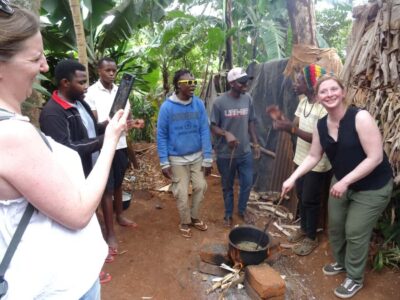
Arusha or Moshi : Hot Spring, Waterfall & Coffee Farm Tour
Read our review →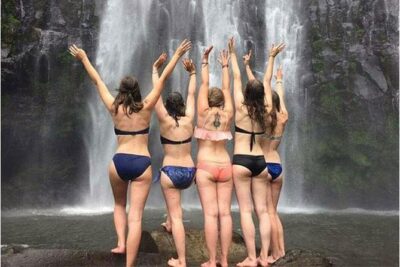
Materuni Waterfalls, Visiting Chagga Village, CoffeeTour Kikuletwa Hotsprings
Read our review →
6 Days Serengeti Safari(hiking waterfalls &coffee tour)
Read our review →
Hidden Arusha Waterfall, Coffee & Village Tour (All-Inclusive)
Read our review →Browse the lists this tour appears in