
Reviewed · WALKING TOURS
Dar es Salaam City Center: Walking Tour
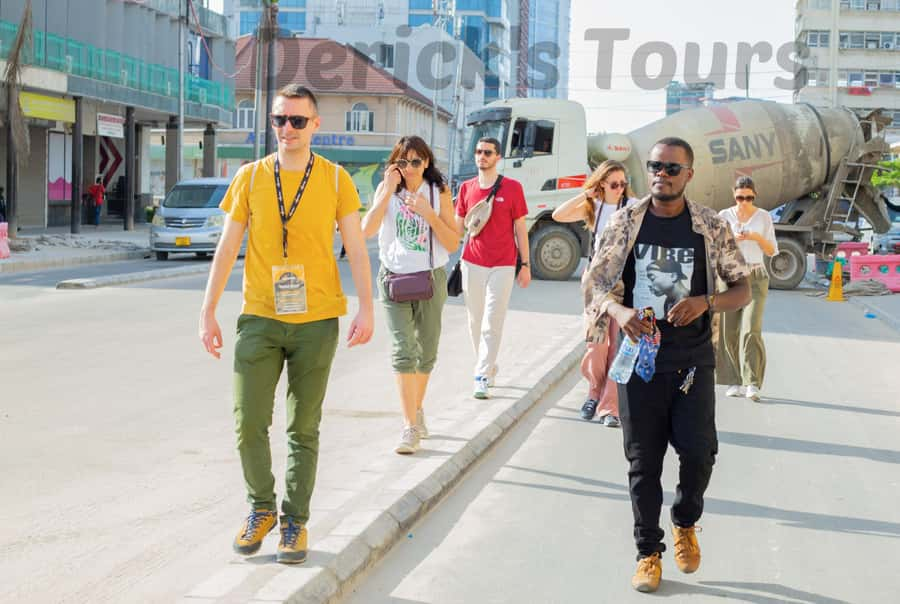
Dar es Salaam’s city center makes the most sense on foot, where grand churches, colonial-era buildings, a war memorial, tropical gardens, and the Kivukoni Fish Market sit within a compact urban route. Guide Derick Lawrence brings the city’s past and present together, then adjusts the outing when a visitor wants something different, such as Coco Beach instead of the fish market.
I like the way this tour combines major landmarks with ordinary city life, rather than keeping you on a sightseeing loop. I also like the flexible timing and personal approach, including one reported 5 p.m. start that made the heat easier to handle.
The main consideration is pace. Two hours covers a lot, and one person found the stops rushed when taking photographs. This is best for a first look at Dar es Salaam, not a slow architectural study of every building.
Key points to know before booking
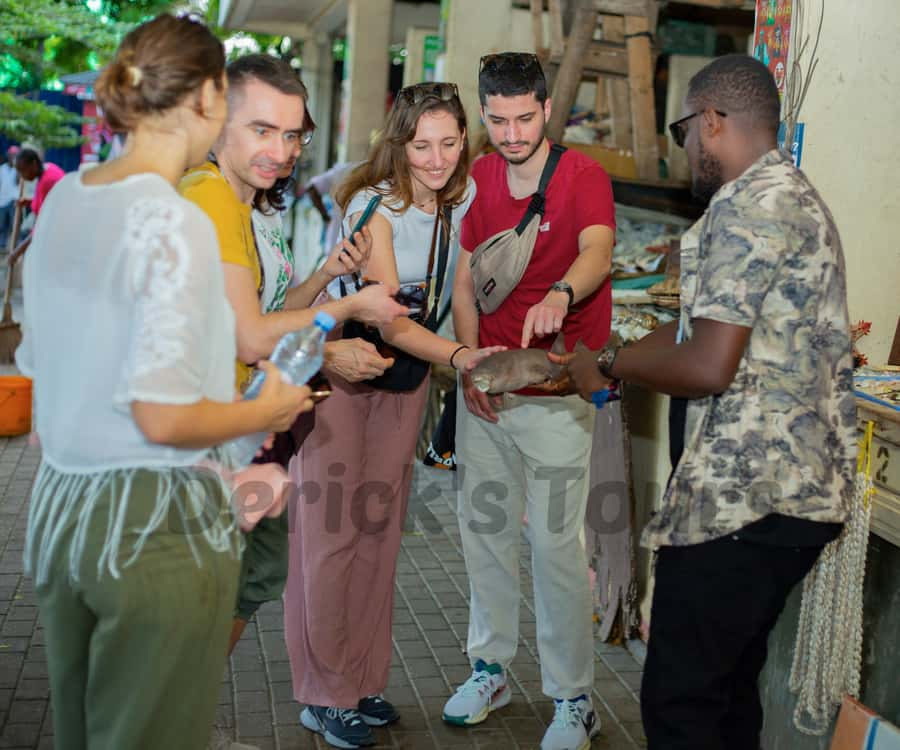
- Kivukoni Fish Market brings the city to life: Expect seafood trading, fishermen at work, nets being handled, and strong smells.
- Derick Lawrence offers a flexible route: The tour can change around your interests, schedule, and comfort.
- The history stretches across several eras: Churches, the Askari Monument, Old Boma, and the city’s wider development all fit into the walk.
- A two-hour route gives you useful bearings: You will see many central sights without giving up a full day.
- A late afternoon start may be more comfortable: One visitor moved a 2 p.m. booking to 5 p.m. to avoid the hottest part of the day.
- The experience suits solo visitors and small groups: Past bookings included private outings and groups of three, with English guiding.
Why this short walk works as a first look at Dar es Salaam
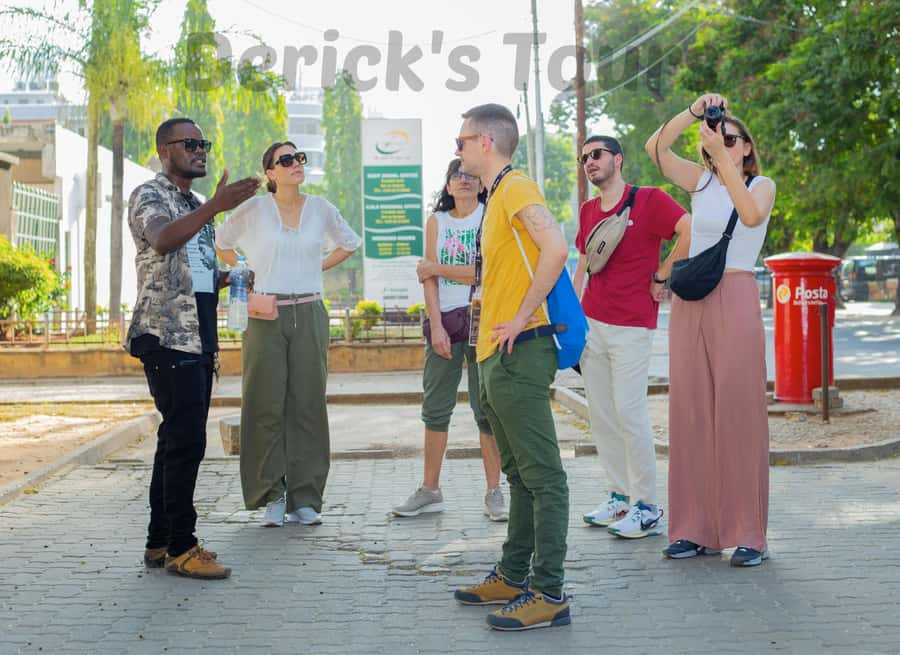
Dar es Salaam can feel sprawling when you first arrive. The city mixes old commercial streets, coastal activity, religious buildings, government-era architecture, modern towers, and busy local districts. A guided walk helps you connect those pieces instead of seeing them as isolated photo stops.
This two-hour tour is useful because it gives you a fast orientation without taking over your day. You can use it soon after arriving, before a ferry trip or another activity, or as a way to decide where you want to return later.
Derick Lawrence is the named guide for the experience. The strongest part of his role is the historical explanation. You can ask about the city’s formation, the sultanate period, German influence, British rule, independence-era change, and present-day Dar es Salaam. Several bookings also describe him as easy to talk to and willing to answer detailed questions.
The walk is conducted in English. It is not designed as a tightly scripted lecture. The route can be adjusted, and the guide has changed timing or substituted a stop when a visitor had a specific need.
More walking tours in Dar Es Salaam:
- Dar es Salaam City Walking tour – Explore the Life of the Local People!
★ 4.5 · 17 reviews - Sunrise Beach Walk with Picnic Breakfast Activity
★ 5.0 · 3 reviews - Stone Town Private Walking Tour
★ 5.0 · 371 reviews
St. Joseph Cathedral and Azania Front Church
The tour begins at St. Joseph Cathedral, a Gothic-style church and one of central Dar es Salaam’s best-known landmarks. Its pointed architectural forms give you an immediate sense that the city center contains more than markets and traffic. It also opens a discussion about the religious communities that helped shape the city.
From there, you continue to Azania Front Lutheran Church. This building reflects the German colonial period, so it provides a useful contrast with St. Joseph Cathedral. Seeing both churches together helps you notice how different European influences left their mark on Dar es Salaam.
I find this pairing especially useful for visitors who know little about the city before arriving. The buildings are not simply old structures to photograph. They give the guide a clear starting point for explaining how Dar es Salaam developed as a port city with many cultural and political influences.
You should also keep your expectations sensible. The tour includes these landmarks as part of a wider route, so you may not have a long interior visit or extended time for architectural detail. If church history is your main interest, ask Derick in advance for more time at these stops.
The Askari Monument and the city’s colonial past
The Askari Monument marks the African soldiers who served during World War I. It is one of the city center’s most recognizable memorials and a good place to consider how Dar es Salaam’s public spaces reflect both local lives and colonial rule.
This is where a guide adds real value. A monument can be easy to pass without context, especially in a busy street setting. Derick can explain what the memorial represents and connect it to the wider story of Tanzania’s past.
The tour’s historical range is one of its most useful features. You are not limited to one colonial viewpoint. The route also touches on earlier sultanate influence, British rule, and the city’s later development. That broad frame helps you understand Dar es Salaam as a changing place rather than a collection of colonial buildings.
If you enjoy taking photographs, plan to speak up. One booking found the route a little hurried for pictures. You can likely get more time at a particular site by telling the guide what matters most to you at the start.
Botanical Garden: a quieter pause in the center
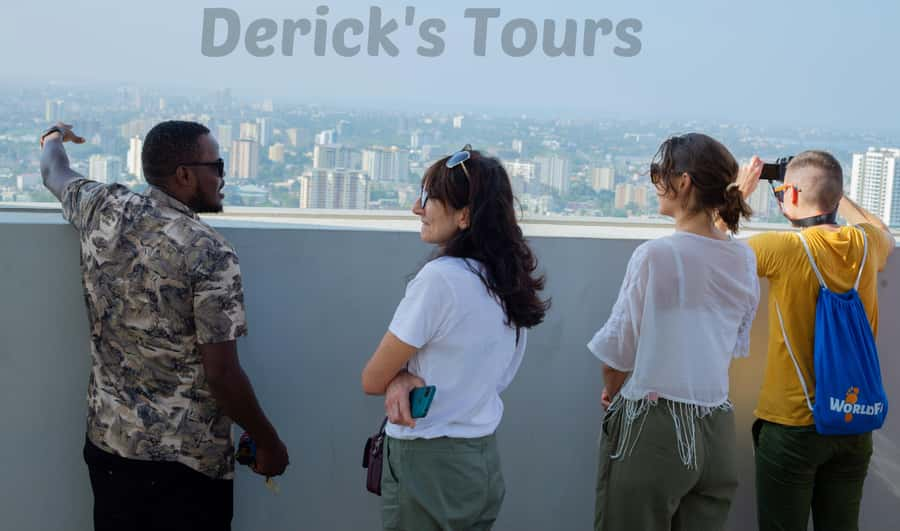
The Botanical Garden provides a break from the hard surfaces and traffic of the central streets. It contains tropical plants and trees, giving you a short period of shade and calm during the walk.
This stop matters for more than scenery. It shows how a busy port city preserves pockets of planted space within its central district. After the churches and monument, the garden changes the rhythm of the tour and gives you a chance to listen, ask questions, and catch your breath.
Do not expect a full garden visit in the style of a dedicated botanical excursion. The entire experience lasts only two hours, and several major sites still need to fit into the route. Think of this as a green pause within a city walk.
For that reason, the garden may be most welcome during a hot part of the day. Still, timing matters. A morning or late afternoon start should generally feel more comfortable than midday, and the guide has shown flexibility with start times.
A few more Dar Es Salaam trips worth comparing
- Dar es Salaam: City Tour
★ 4.7 · 159 reviews - Dar es Salaam City Tour – Everyday
★ 5.0 · 64 reviews - The Best/Top Rated Cultural City Tour in Dar es Salaam
★ 5.0 · 57 reviews - Joining Safari from Mwanza
★ 5.0 · 54 reviews
Kivukoni Fish Market and the strongest local encounter
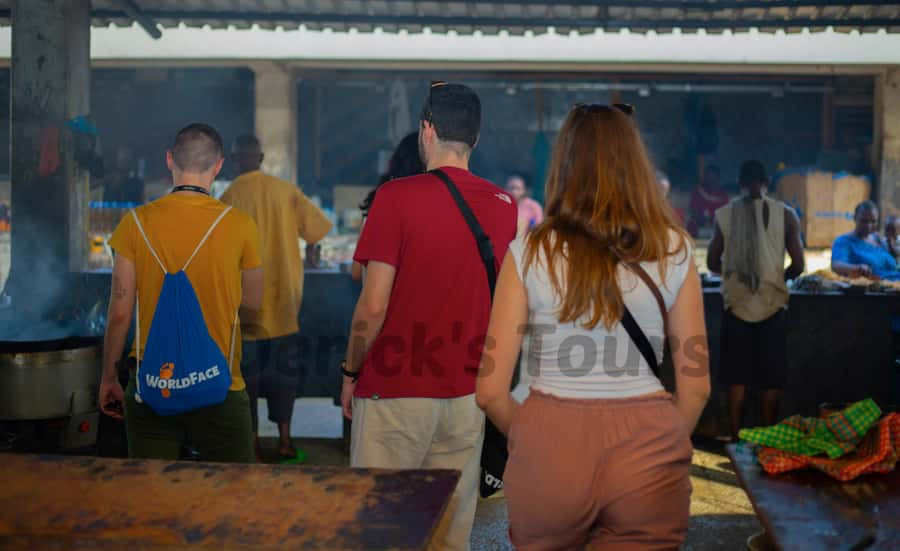
The Kivukoni Fish Market is likely to be the most memorable stop for many people. Here, you see seafood arriving, being sold, and handled as part of daily coastal trade. You may watch fishermen working with nets and observe the quick negotiations that make the market feel active and immediate.
This is not a polished attraction. It is a working market, so expect strong seafood smells, wet surfaces, noise, and close activity. Those conditions are part of the point, but they will not suit everyone. If you have a fish or seafood allergy, or simply cannot tolerate the smell, tell Derick before the tour.
One visitor requested an alternative because of a reaction to the market smell and was taken to Coco Beach instead. That detail matters because it shows how the route can respond to practical needs. You should not assume every substitute is guaranteed, but it is worth discussing your preference ahead of time.
A market visit also gives you a chance to try local street food if you want to. One afternoon booking ended at the fish market, where the guide helped the visitor sample fresh street food. Food is not listed as an included feature, so bring your own budget and treat any tasting as optional.
The market is also a good reason to consider the tour’s endpoint. If you are staying nearby, finishing at Kivukoni may be convenient. If you need to return to a hotel or homestay, ask about the final arrangements before setting out. Derick has dropped a visitor back at a homestay, but that should be treated as a personal courtesy rather than a standard transport service.
Old Boma and Dar es Salaam’s built history
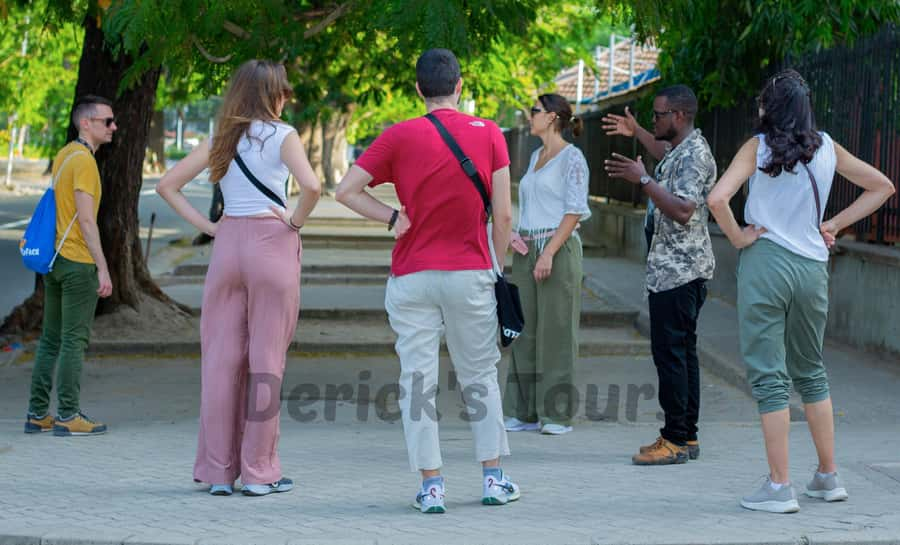
Old Boma is one of the oldest surviving buildings in Dar es Salaam. Its walls provide a direct link to the city’s architectural past and give the guide another place to explain how power, trade, and administration shaped the center.
The building works well after the fish market because the contrast is sharp. Kivukoni shows the city as a working port today. Old Boma points toward earlier systems of rule and urban development. Together, the stops help you connect everyday life with the buildings that frame it.
Again, the value comes from explanation rather than simply standing outside. Ask questions if you want to know how the building fits into the city’s wider story. The guide is prepared to discuss different periods, from the sultanate era through German and British control and into modern Tanzania.
Local art and optional city views
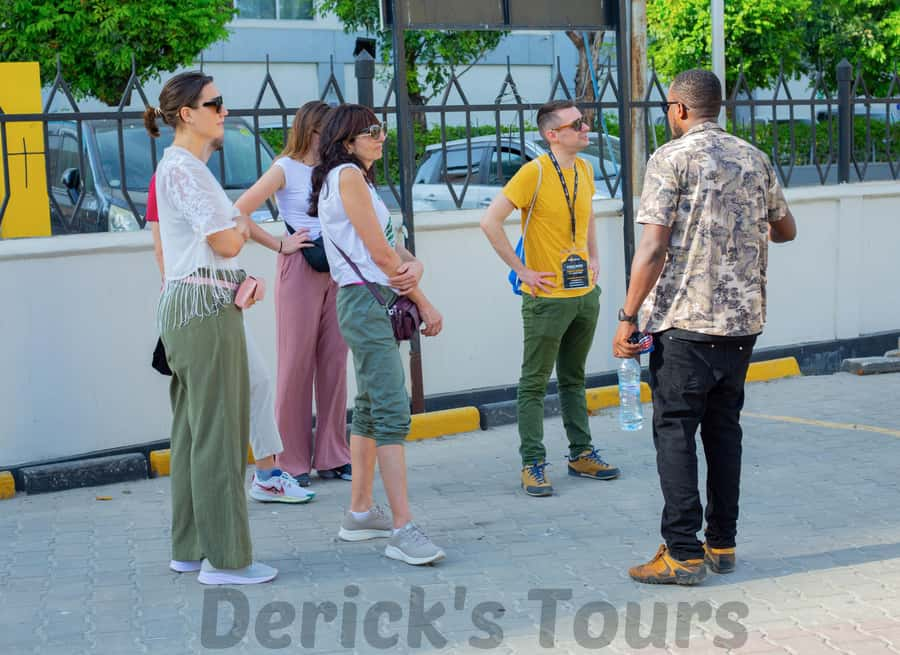
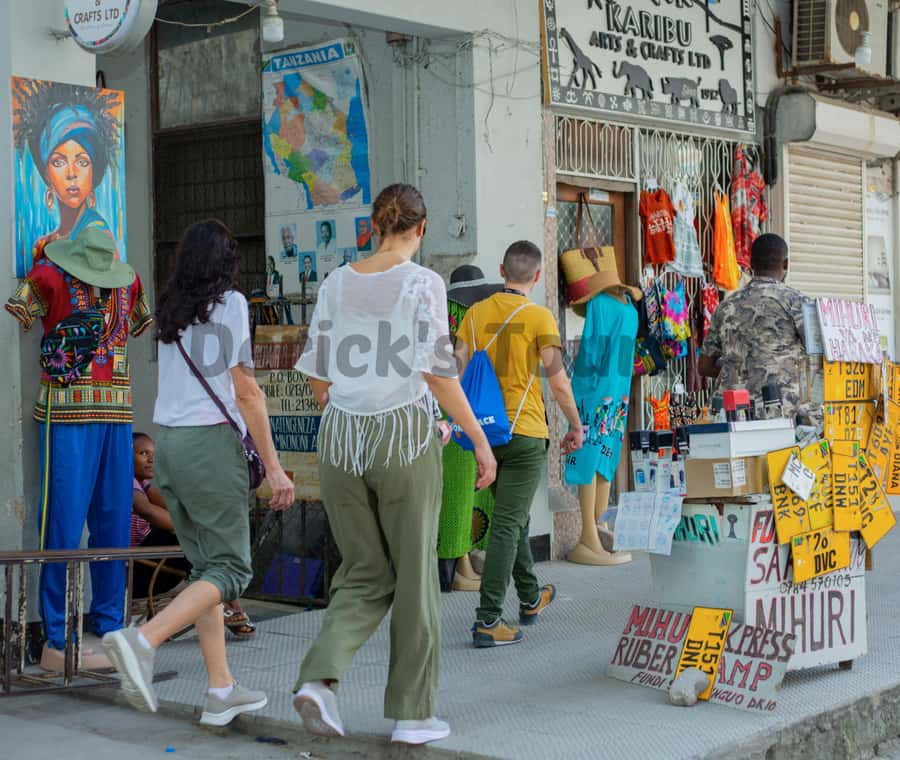
The route also includes a stop at a local art gallery. This adds a present-day cultural note to a tour that otherwise leans heavily toward historic buildings and public landmarks.
The available information does not specify the gallery’s name, size, or exact collection, so you should not book this expecting a major museum visit. Its value is more personal: you get a glimpse of local creative work and a chance to see how Dar es Salaam is represented by artists today.
The route may also include views from one of the city’s twin towers. That option appeared as an unexpected extra on one booking, so it is not clearly a fixed feature for every departure. If a high viewpoint matters to you, ask Derick before the tour rather than assuming it will be included.
These flexible additions are part of what makes the experience feel less rigid. A visitor interested in city views, for example, may get more from a tower stop than from spending extra time at a church. The key is to explain your priorities before the walk begins.
What the two-hour pace feels like
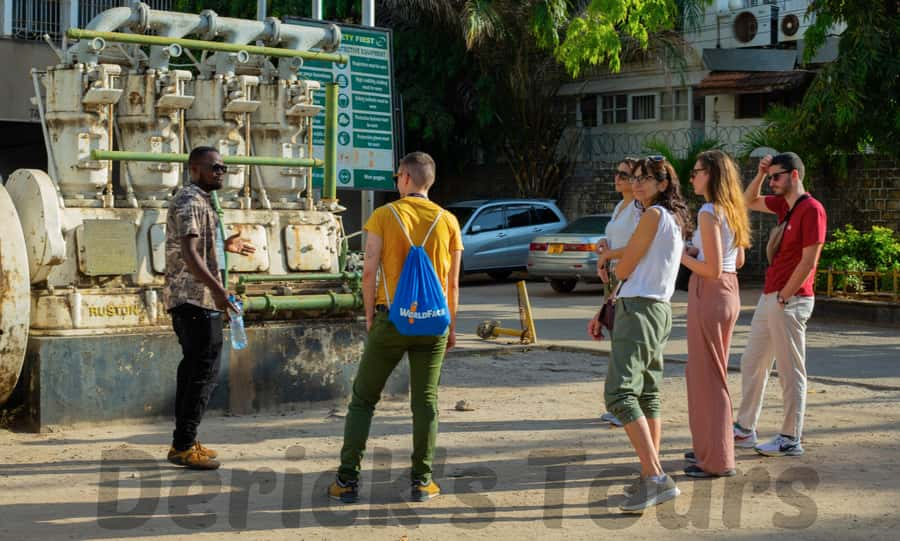
Two hours is enough for a useful introduction, but it is not enough for long visits at every location. You will move between several stops, listen to historical explanations, and still need time for street crossings, photographs, and questions.
I would treat the experience as a city sampler with strong local context. It gives you a framework for later independent exploring. It does not promise the slow pace of a private, full-day cultural tour.
The pace appears to work well for people who want to see as much as possible on foot. One booking described it as a good way to cover the most ground possible in two hours, while another praised the steady pace. The one negative note about rushing photographs is a useful warning, not a deal breaker.
Tell the guide if you prefer fewer stops and more time at each one. Since customization is offered, you may be able to build the route around churches, food, markets, city views, or modern Dar es Salaam instead of trying to cover everything.
Timing, comfort, and what to bring
Dar es Salaam can be hot, and the walk includes outdoor streets, a market, and garden paths. A late afternoon start may be easier than early afternoon. One visitor shifted from 2 p.m. to 5 p.m. and found the later timing more comfortable.
Wear shoes suited to walking and clothing that works for warm weather. Bring water, sun protection, and a phone or camera, but leave room for the possibility that you will want to keep your hands free at the market.
The fish market may involve smells and conditions that are not comfortable for everyone. If you have a sensitivity, say so when arranging the tour. The route can be adapted, and Coco Beach has been used as an alternative in at least one case.
Solo visitors may appreciate the personal format. One solo booking became a private tour, and another solo female visitor felt comfortable on the walk. That does not replace normal city awareness, but it does suggest that the guide pays attention to individual needs.
Is $30 good value?
At $30 per person, the tour offers a sensible price for a two-hour guided introduction, particularly if you value local explanation rather than simply walking between landmarks. You are paying for Derick’s time, English guiding, historical context, route planning, and the ability to adjust the experience.
The value is strongest for a first visit. You get churches, a monument, a garden, a fish market, Old Boma, and local art in one outing. You also avoid spending your first few hours working out the city center alone.
The price is less compelling if you only want a quick list of photo stops or prefer to explore entirely independently. It also does not include a full meal, dedicated transport, or a long museum-style visit. Any food at the market and any optional extras should be treated as separate expenses unless confirmed in advance.
Free cancellation up to 24 hours before the start and reserve-now, pay-later booking make the commitment easier, especially if your Dar es Salaam plans may shift. Check available start times when booking, since the two-hour duration does not by itself guarantee a preferred departure.
Who should book this Dar es Salaam walk?
I would recommend it to first-time visitors who want a clear introduction to the city, especially those with a short stay. It is also a good fit if you enjoy asking questions, seeing working places, and learning how historic buildings connect with modern daily life.
Solo visitors and small groups should find the format particularly suitable. The guide has handled private bookings, small groups, schedule changes, alternative stops, and even a motorbike-based outing when one person was booked for a time slot. Those examples show flexibility, though you should confirm any unusual arrangement before arrival.
You may want another type of activity if you dislike markets, heat, outdoor walking, or quick transitions between stops. Likewise, serious architecture fans may prefer a longer private tour with fewer locations and more time inside each building.
Should you book it?
Book this tour if you want a practical first taste of Dar es Salaam with a local guide who can adapt the route. The best moments are likely to come from the contrast between formal landmarks and the Kivukoni Fish Market, along with the chance to ask about the city’s past in plain, direct conversation.
Choose a later start if heat is a concern, and tell Derick what you want from the walk before you meet. Ask for more photography time, request a market alternative if smells are a problem, or prioritize the churches, art, or city views.
Skip it if you want a slow, specialist tour of one subject. For most visitors with two hours to spare, though, $30 buys a useful orientation and a much better sense of how central Dar es Salaam fits together.
FAQ
How long does the Dar es Salaam walking tour last?
The tour lasts two hours.
How much does the tour cost?
The price is $30 per person.
Which language is the tour conducted in?
The live guide speaks English.
Which main sights are included?
The route includes St. Joseph Cathedral, Azania Front Church, the Askari Monument, Botanical Garden, Kivukoni Fish Market, Old Boma, and a local art gallery.
Can the route be changed?
Yes. The experience offers customization based on your interests. A fish market visit has also been replaced with Coco Beach for a visitor who needed to avoid the smell.
Can I cancel or pay later?
You can cancel up to 24 hours in advance for a full refund. Reserve-now, pay-later booking is also available.
Just added around Dar Es Salaam
- The Ultimate Guide for 2-Day Tanzania Safari from Mwanza★ 5.0 · 3 reviews
- 5 Days Tanzania Safari from Mwanza to Arusha★ 5.0 · 8 reviews
- Sunrise Beach Walk with Picnic Breakfast Activity★ 5.0 · 3 reviews
- Saadani National Park Day Tour★ 5.0 · 3 reviews
- Private Tour in Historical Dar es Salaam with Lunch★ 4.5 · 6 reviews
- Dar es salaam Airport Transfer (Private & Group)★ 3.5 · 7 reviews
- Dar es salaam Private City Tour with Professional Guide★ 5.0 · 5 reviews
- Full Day Private Tour in Dar es Salaam City★ 5.0 · 4 reviews
Walking Tours, compared.

Stonetown: Food Markets and Street Food Walking Tour
Read our review →
Arusha Guided Walking City Tour, Culture, Lifestyle & History
Read our review →

Underwater Walking Experience in Zanzibar,No Swimming Needed
Read our review →
7-Day Private Tanzania Safari with Sunset Walking on the Crater Rim and Maasai
Read our review →Browse the lists this tour appears in