
Reviewed · GROUP JOINING SAFARIS
6 Days Tarangire, Serengeti, Ngorongoro & Manyara Joining Tour
The best part of this six-day safari is the amount of time given to the Serengeti, where you spend three days following wildlife movements rather than rushing through for a single game drive. Add Ngorongoro Crater, Tarangire’s elephant herds and Lake Manyara’s birdlife, and you get a strong tour of Tanzania’s northern circuit.
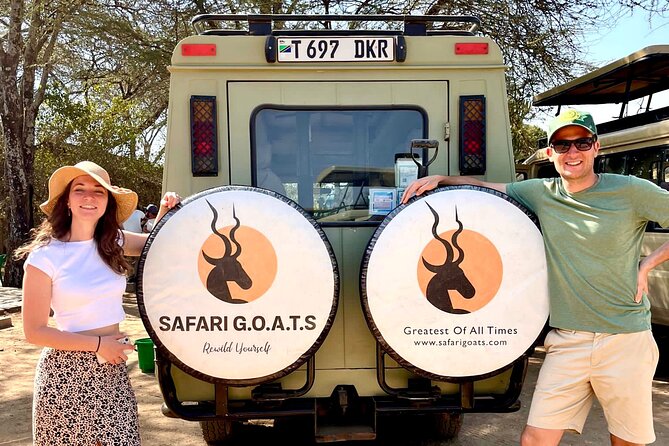
I like the small maximum group of seven, which gives you a better chance of seeing from the pop-up roof without a crowded vehicle. I also like that a chef travels with the group, with breakfast, lunch, dinner, camping gear and at least three litres of bottled water per person each day covered.
The trade-off is the long amount of time spent on the road, especially the roughly six-hour transfer from Mto wa Mbu to the Serengeti. Camping is part of the bargain, so you should be comfortable with basic nights and early starts rather than expecting a polished lodge holiday.
Key points to know before booking
- Three Serengeti days: You have time to search different parts of the park as wildlife shifts.
- Small safari vehicle: The custom jeep seats a maximum of seven people and has a pop-up roof.
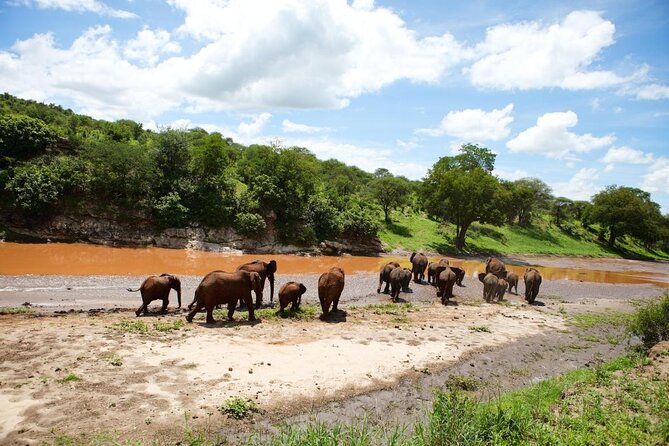
- Elephants in Tarangire: Ancient baobabs and large elephant families are the main draw.
- Ngorongoro Crater: The crater floor makes many animals easier to spot, though black rhino sightings remain difficult.
- Simple all-inclusive setup: Park fees, meals, camping equipment, water and soft drinks are included.
- Early starts and long drives: This is an active safari, with several six-hour touring days and early breakfasts.
Why this northern Tanzania route works
This route follows the classic northern Tanzania circuit, but it gives the Serengeti more time than many short safaris. You begin near Arusha, pass through Tarangire, continue toward the Serengeti, spend two full nights and much of a third day there, then return through Ngorongoro and finish at Lake Manyara.
That order gives each park a different role. Tarangire is your first wildlife fix, with elephants and baobabs. The Serengeti is the main event for broad animal sightings and changing wildlife patterns. Ngorongoro offers concentrated viewing on a crater floor, while Manyara brings birds, hippos, monkeys and the chance of seeing its famous tree-climbing lions.
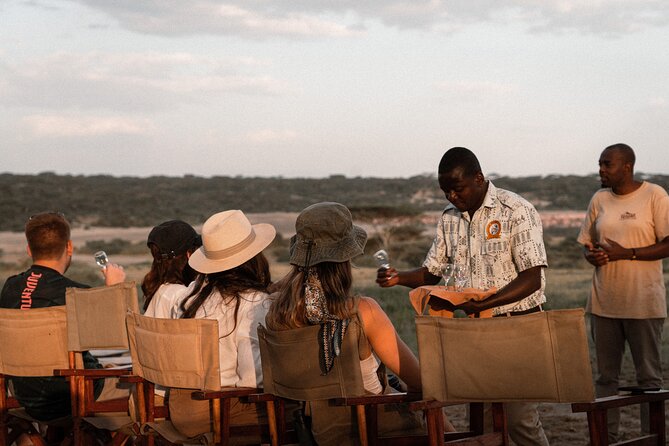
The experience is built around a guide-driver and chef. That matters. You do not have to search for every meal after a long game drive, and the guide can adjust the day based on reported animal sightings. The exact quality of a safari always depends on weather, animal movement and the guide’s judgment, but this format gives you enough time for those factors to work in your favor.
More Group Joining Safaris in Tarangire
- 4 Days Join Group tour Tarangire Serengeti and Ngorongoro crater
★ 5.0 · 219 reviews - 5 Days Tanzania Group Joining Safari, Tarangire/Serengeti/Ngorongoro Crater
★ 5.0 · 85 reviews - 4 Days Group Joining Camping Safari to Tarangire Serengeti Ngorongoro Crater
★ 5.0 · 50 reviews
Day 1: Tarangire elephants and baobab country
Pickup is scheduled for 7:30 a.m. From there, the drive to Tarangire takes about two hours. This is a useful first day because the transfer is not excessive, and you get into a national park soon after leaving Arusha.
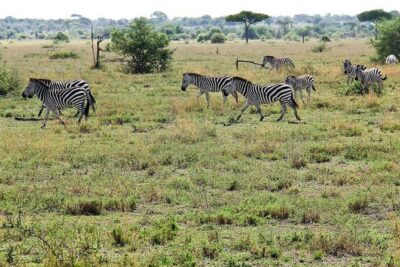
Tarangire is famous for its ancient baobab trees and large elephant population. The elephants are not simply a background sight here. You may watch family groups moving together, feeding, or interacting near the vehicle. Giraffes, wildebeest, zebras and other herbivores are expected to be easier to find.
Predators are a different matter. Lions, cheetahs and leopards are among the animals the guide will search for, but they are less predictable than the large grazing herds. That is one reason the open-roof jeep helps. You can scan farther across the park and look into trees and open clearings.
The game drive lasts about six hours. After a first safari day, you will have a good idea of the rhythm: watch, wait, photograph, move on, and stop again when something catches the guide’s eye. Tarangire is a strong opening park because it offers elephants and distinctive trees even if the more elusive cats stay out of sight.
Day 2: The long road to the Serengeti
After breakfast, you drive from the Mto wa Mbu area toward the Serengeti. The journey takes about six hours, including stops, and passes through the Ngorongoro area. This is the least relaxed part of the route for anyone who dislikes long road days.
The stop at the Ngorongoro gate and viewpoint lasts about 20 minutes. The view over the crater is a powerful preview, but it is only a viewpoint stop on this day. You return for the proper crater visit on Day 5.
There is also an optional Maasai village visit, lasting around 20 to 45 minutes. The visit is intended to introduce you to Maasai culture and traditions. It is not compulsory, and the schedule notes that many people choose not to include it. That gives you a useful choice: take the cultural stop if it interests you, or keep the day moving toward the Serengeti.
The drive is long because the parks are large and the distances are real. This is not a compact attraction with quick transfers between sights. You are crossing a broad part of northern Tanzania, and the road time is the price of reaching the Serengeti by vehicle.
Days 3 and 4: Making the most of three Serengeti days
The extra Serengeti time is the main reason to consider this safari. On Day 3, you leave after an early breakfast and travel toward the parts of the park where wildlife has been reported. The guide may choose the north, south, east or west depending on animal movements.
That flexibility is valuable. The Serengeti is famous for the annual movement of more than a million wildebeest alongside more than 250,000 zebras, but no fixed route can promise that you will be beside the migration on a particular date. Spending more than one day gives you more chances to encounter herds, predators and the park’s changing scenery.
You return to camp for lunch, then continue the game drive into the evening. The schedule also notes that animals may appear around campsites. That detail changes the feel of the night. You are not simply sleeping in a place with wildlife far away; the surrounding area may still be active, so you should follow camp instructions and stay alert.
Day 4 begins with another early game drive. After seeing animals until afternoon, you return to camp for lunch and packing. You then continue with a game drive while leaving the Serengeti, followed by a roughly two-hour transfer to Simba campsite near the Ngorongoro rim.
This is a full day, not a short transfer. Packing during lunch helps use the daylight, but you should expect tiredness by evening. The reward is that you finish near the next major stop instead of losing the following morning to a long approach drive.
Same corner of Tarangire, a completely different kind of day:
- Private 6-Day Tarangire Manyara Crater and Serengeti with Mid-Range Lodges
★ 5.0 · 238 reviews - 5 Days Camping Tarangire, Serengeti & Ngorongoro crater & Visiting Maasai
★ 5.0 · 229 reviews - 4-Day Safari from Arusha: Tarangire, Serengeti and Ngorongoro
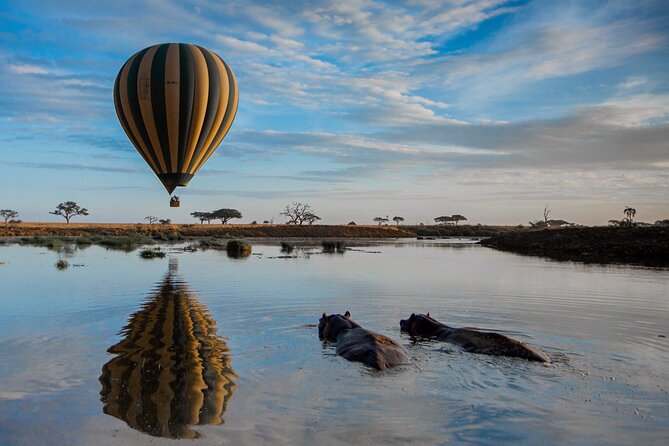
★ 5.0 · 173 reviews - Balloon Safari & Bush Breakfast in Tarangire – Miracle Experience
★ 5.0 · 169 reviews
Day 5: Ngorongoro Crater from the rim to the floor
After an early breakfast, you descend into Ngorongoro Crater. The crater floor is one of the most rewarding places on this route for concentrated wildlife viewing. Animals are easier to find in a contained area than across the wide Serengeti, and the scenery gives the game drive a strong sense of place.
The main target is the black rhino. Rhinos are among the hardest animals to spot here, so you should treat a sighting as a bonus rather than a promise. You will still have opportunities to look for many other animals during the drive.
After lunch, the safari continues before you ascend to camp. You then pack for the trip toward Fig Big Tree Lodge and campsite near Lake Manyara National Park. Swimming is mentioned as an option, so bring suitable clothing if that appeals to you, but the supplied details do not promise a swimming facility or a set swimming schedule.
This day combines some of the most dramatic views with another early start and a packed schedule. You get the crater experience, but you do not stay at its floor overnight. If your ideal trip is slow and quiet, this will feel busy. If you want to see several major parks in six days, the pace makes sense.
Day 6: Lake Manyara’s birds, hippos and tree-climbing lions
The final morning takes you into Lake Manyara National Park after breakfast. The park is known for large numbers of flamingoes on the lake and for its tree-climbing lions. The lions are rarely seen, so keep your expectations sensible, especially if they are your main reason for booking.
Manyara offers more than one headline animal. The game drive may include buffaloes, wildebeest, warthogs, monkeys, vultures and eagles. You also visit the hippo pool for a closer look at hippos and see the hot spring.
This is a good final park because it changes the pace and the type of wildlife. After the wide Serengeti and the concentrated crater floor, Manyara brings water, birds and forest animals into the picture. It also gives you one last chance to spot something unexpected before the safari ends.
What the $1,600 price really covers
At $1,600 per person, this is not a budget bus outing, but the price includes several costs that can quickly add up on a safari. Park entrances and taxes are included, as are breakfast on all six mornings, six lunches, five dinners, camping equipment, sleeping bags, sleeping mattresses, bottled water and soft drinks.
The water allowance is especially useful. You receive at least three litres of bottled water per day, which matters in an open vehicle under the sun. Having a chef with the group also reduces the need to buy meals during long park days.
Flights and visas are not included, and tips are extra. You should also read the camping and lodge wording carefully before paying if accommodation style is important to you. The route includes campsites, Simba campsite and Fig Big Tree Lodge and campsite, while the main description presents a mix of camping and lodge arrangements. Ask the provider to confirm exactly which nights are tented and which are in lodge rooms.
The strongest value comes from time rather than luxury. You are paying for access to four major parks, park fees, a guide-driver, a chef, a safari vehicle and meals over six days. You are not paying for a high-end lodge circuit with private rooms and long afternoons at leisure.
Vehicle, group size and daily comfort
The safari uses a custom jeep with a pop-up roof. That roof is important for viewing and photography because it lets you stand or sit higher than the side windows of a normal vehicle. The format also gives you a better view when several people are looking in different directions.
The maximum group size is seven. That is small enough to feel more personal than a large coach, but it is still a shared trip unless your booking arrangement says otherwise. Three published experiences praise careful organization, close wildlife encounters and strong photography opportunities. One also describes a private trip, so do not assume every booking receives a private vehicle. Confirm that point if exclusivity matters to you.
The daily schedule is active. Most listed park portions run for about six hours, and several days begin early. Pack light layers, practical walking shoes for camp, sun protection and a camera with enough storage. The supplied details do not specify a luggage limit, so ask before arrival if you have bulky bags or specialist photography equipment.
Who will enjoy this safari most
I would recommend this tour to you if wildlife is the priority and you want the major northern parks in one trip. It suits photographers, first-time safari visitors and people who prefer seeing several habitats instead of staying in one park.
It is also a good match if you enjoy simple camping, early mornings and a social small-group setting. The chef, included meals and supplied sleeping equipment make the practical side easier, though they do not turn the trip into a luxury safari.
I would think twice if you need guaranteed sightings, private rooms, minimal driving or late starts. No safari can guarantee a leopard, cheetah, black rhino or tree-climbing lion. The route gives you good chances, but wildlife remains wild and the schedule is built around finding it.
Booking confirmation is provided at the time of purchase, pickup begins at 7:30 a.m., and free cancellation is available until 24 hours before the start time. The provider is Safari G.O.A.T.S. Since the tour is often booked well ahead, with an average booking time of 74 days, securing your place early is sensible if your dates are fixed.
Should you book the six-day route?
Book it if you want a serious wildlife schedule, not a soft holiday with plenty of spare time. The three Serengeti days are the strongest feature, and the combination of elephant country, open savanna, crater viewing and lake habitat gives you a broad picture of northern Tanzania.
Before paying, confirm the exact camping and lodge split, ask if your booking is private or shared, and be ready for long drives and early breakfasts. If those conditions suit you, the $1,600 price offers solid value for a six-day safari with park fees, food, water, equipment and a small vehicle included.
FAQ
Where does the safari start?
The tour starts in Arusha, Tanzania, with pickup scheduled for 7:30 a.m.
How long does the tour last?
The safari lasts approximately six days.
How many people can join the tour?
The tour has a maximum of seven participants.
Which national parks and areas are included?
The route includes Tarangire National Park, Serengeti National Park, Ngorongoro Crater and Lake Manyara National Park.
How much time is spent in the Serengeti?
The itinerary gives you three days in the Serengeti area, including the transfer day and two additional game-drive days.
Are meals included?
Yes. Breakfast is included for six days, lunch for six days and dinner for five days.
Is camping equipment provided?
Yes. Sleeping bags and sleeping mattresses are included. The route uses campsites and also mentions a lodge and campsite near Lake Manyara.
Are park fees and drinks included?
All park entrances and taxes are included. Bottled water of at least three litres per day and soft drinks are also included.
Can I cancel the booking for a refund?
Yes. You can cancel at least 24 hours before the experience start time for a full refund. Changes or cancellations made less than 24 hours before the start time are not accepted for a refund.
More Six-Day Trips in Tarangire
- 6 Days: Classic Camping( Tarangire, Manyara, Serengeti And Ngorongoro).
★ 5.0 · 26 reviews - 6 Day Group Camping Safari Tarangire Serengeti Ngorongoro Manyara
★ 5.0 · 17 reviews - 6 Days 5 Nights lodge safari Tarangire, Manyara, Serengeti & Ngorongoro Crater
★ 4.5 · 10 reviews - 6 Days Tarangire,Serengeti, Ngorongoro & Manyara Mid-range Camping Safari Tour
★ 5.0 · 7 reviews
Just added around Tarangire
- 3 days Safari to Tarangire, Ngorongoro and Manyara from Zanzibar★ 5.0 · 12 reviews
- 3 Day – Tarangire, Ngorongoro Crater Lake Manyara- Mid – Range★ 5.0 · 16 reviews
- #1 Best Tanzania Safari Tarangire Day tour Adventure★ 5.0 · 9 reviews
- Full Day Private Safari – Tarangire National Park★ 5.0 · 5 reviews
- 5 days Safari to Tarangire, Ngorongoro, Serengeti and Lake Manyara★ 5.0 · 5 reviews
- 4 days Tarangire National park, Serengeti National park and Ngorongoro crater★ 5.0 · 3 reviews
- 4-Day Tarangire Serengeti, Ngorongoro & Maasai Guided group tour★ 5.0 · 16 reviews
- 4 Days Safari Tour at Tarangire, Serengeti and Ngorongoro Crater★ 5.0 · 7 reviews
Group Joining Safaris, compared.
4 Days Join Group tour Tarangire Serengeti and Ngorongoro crater
Read our review →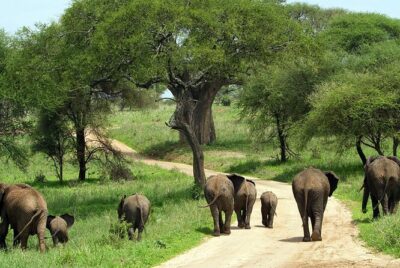
3 Days 2 Nights Group Joining Serengeti and Ngorogoro Safari
Read our review →
5 Days Tanzania Joining Safari with Pick Up Included Shared Tour
Read our review →
Amazing 4 Days Tanzania Budget Camping Group Joining Safari
Read our review →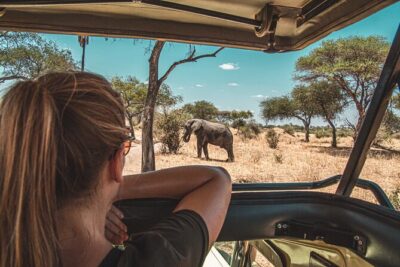
1-Day Fly in Shared Safari to Mikumi National Park from Zanzibar
Read our review →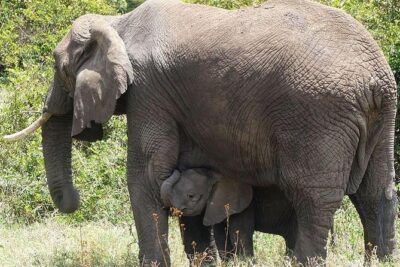
Best 3 days Tanzania shared Safari Tarangire Ngorororo Manyara
Read our review →
Discover the group joining for 5-day Tanzania safari in 2025
Read our review →
1-Day Ngorongoro Crater Special Big 5- Joining Group Safari
Read our review →Browse the lists this tour appears in