
Reviewed · MIDRANGE SAFARIS
6 Days Mid-Range Tanzania Safari
The best part of this six-day safari is its classic northern Tanzania route: Tarangire’s baobabs and elephants, the open Serengeti, and a close look into Ngorongoro Crater. You get the big three parks without joining a large group, and the private format lets you adjust stops and meals with your guide.
I like the personal airport welcome and the chance to add an Arusha town visit on arrival. I also like the choice on full Serengeti days between returning for a hot lunch or eating from a packed box in the park. The main drawback is the pace: long drives and early starts leave little room for rest, and the accommodation names are not specified before booking.
Key points to know before booking
- Private vehicle and guide: Only your group takes part, with private transportation and WiFi on board.
- Three major safari areas: Tarangire, Serengeti, and Ngorongoro Crater are all included.
- Strong guide focus: Abuu, Sway, and Emma are among the guides praised for patience, humor, family-friendly service, and clear explanations.
- Flexible safari lunches: On the Serengeti’s full day, you can choose a hot lodge lunch or a packed meal.
- Local stop at Mto wa Mbu: The final day includes a market visit before returning to Arusha.
- Price and exclusions: The cost is $2,740 per person, while flights, visa fees, insurance, and guide tips are extra.
What this six-day safari is really designed to do
This is a compact introduction to Tanzania’s northern safari circuit. In six days, you move from Arusha to Tarangire, continue through the Ngorongoro area to Serengeti, return to Ngorongoro for a crater visit, and finish with a local market stop near Mto wa Mbu.
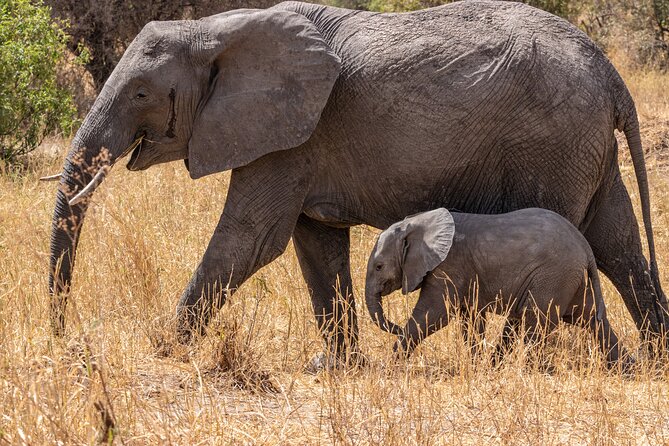
That route gives you a good spread of scenery and wildlife. Tarangire brings elephants and giant baobabs. Serengeti offers the broadest game-viewing time and the possibility of seeing migration activity, depending on the season and location of the herds. Ngorongoro gives you one of the best chances for close animal viewing in a compact setting.
You should think of this as an active safari, not a relaxed lodge holiday. Day 2 lasts about eight hours, Day 4 about eleven hours, and the drives between parks can be tiring. The reward is that you spend your limited time in three of Tanzania’s most important wildlife areas.
More Midrange Safaris in Arusha
- 5-Day Private midrange Tour in Arusha with Airport Pickup
★ 5.0 · 160 reviews - 5 Days Mid-Range Group Safari with Accommodation
★ 5.0 · 67 reviews - 6 Day Tanzania Wildlife Mid range Safari
★ 5.0 · 54 reviews
Day 1: Airport welcome, Arusha, and a Kilimanjaro view
Your first day begins with a meet-and-greet at Kilimanjaro International Airport and a transfer to your Arusha hotel. The driver also includes an Arusha town tour, giving you a useful first look at the city before the game drives begin.
The program includes a view of Mount Kilimanjaro. That sounds grand, but mountain views depend on weather and visibility, so treat it as a welcome possibility rather than a guarantee. The day is listed as lasting up to 12 hours, although much of that time depends on your arrival schedule and transfer.
The listed meeting point is Arusha Clock Tower, and pickup is offered. The published start time of 11:30 pm is unusual, so confirm the exact pickup time and location before you go. This is especially important if you are arriving at the airport rather than already staying in central Arusha.
An airport welcome can make a real difference after a long international flight. The company’s staff, including Charles and Jesca in the booking process, have been praised for quick replies and careful planning. That early communication is useful if you need to arrange a hotel night, a Zanzibar flight, or a change to the route.
Day 2: Tarangire’s elephants and baobab trees
After breakfast, you collect a packed lunch and drive to Tarangire National Park for a full-day game drive. The park lies near the western wall of the Rift Valley and covers about 2,850 square kilometers.
Tarangire has a personality of its own. Its huge baobab trees and large elephant population are the main draw, but you may also see wildebeest, hippos, lions, leopards, cheetahs, giraffes, baboons, buffalo, and many bird species. The scenery feels different from the open grasslands of the Serengeti, which makes this a useful first safari day.
The packed lunch keeps you in the park instead of breaking up the day with a long return to town. That gives you more time for wildlife watching, though you should expect a simple outdoor meal rather than a restaurant lunch.
Tarangire is also a good place to judge your guide’s style. A strong guide will help you understand animal behavior and decide when a sighting is worth lingering over. Abuu has been praised for professionalism, kindness, and patience, while Sway and Emma have also received warm personal praise. Your assigned guide may be different, but the company’s service is clearly built around close contact between guide and group.
Day 3: Across Ngorongoro to the Serengeti
After breakfast, you leave the Karatu area with a packed lunch and cross the Ngorongoro Conservation Area on the way to Serengeti National Park. The day includes game viewing along the route and an afternoon drive on the Serengeti plains.
The word Serengeti comes from the Maasai term Siringeti, often translated as endless plains. That name makes sense as the road opens into wide grassland with few obvious boundaries. The park covers about 14,763 square kilometers and is one of Tanzania’s best places to look for large predators and the Big Five.
The Great Migration is an important part of the Serengeti story, but it is not a fixed show that arrives on command. The position of wildebeest and zebra changes with rainfall and the time of year. The itinerary refers to the migration, but you should ask the operator where the herds are expected during your dates instead of booking on the assumption that a crossing will occur nearby.
The route through Ngorongoro adds variety, but it also makes Day 3 a long travel day. You are not simply driving to a camp and resting. You are transferring between major park areas while also fitting in wildlife viewing. The afternoon Serengeti drive is valuable because it gives you an initial look at the park before the longer session on Day 4.
More Safaris in Arusha
- 4 Days Group Camping Safari
★ 5.0 · 1,101 reviews - 5 Days Group Camping Safari
★ 5.0 · 730 reviews - 7-Day Premium Luxury Tanzania Safari All-Inclusive
★ 5.0 · 426 reviews - 8 Days Great Wildebeest Calving Migration Safari from Arusha
★ 5.0 · 254 reviews
Day 4: A full Serengeti day with room to choose
This is the safari’s longest wildlife day, listed at about 11 hours. You can return to your lodge or camp for a hot lunch, or take a packed lunch and spend the whole day out in the park.
I like this choice because it recognizes that different people want different safari rhythms. Returning for lunch gives you a break, a proper meal, and time to wash up. Staying out means you avoid backtracking and can follow changing animal activity across the day.
The Serengeti is the place to give your guide room to work. You may spend time looking for large cats, birds of prey, herds of grazing animals, or the Big Five. No guide can promise a particular animal, but a private vehicle lets your group discuss how long to stay at a sighting and when to move on.
For families, the private setup is especially useful. A five-year-old child has taken this type of safari with the company, with the guide making sure the family had what they needed. Still, an 11-hour game-drive day can be demanding for a young child, so ask about breaks and meal timing before you book.
Day 5: Inside Ngorongoro Crater
Today you travel to the Ngorongoro Conservation Area with a packed lunch for a crater tour. Ngorongoro is a multiple-use area where Maasai pastoralists and wildlife share the same broad ecosystem. That human presence adds important context: this is not simply a fenced animal park.
The crater formed when a large volcano exploded and collapsed into a caldera. It is described as the world’s largest unbroken, unflooded caldera. Inside, animals can often be seen at relatively close range, including the Big Five, although sightings always depend on season, conditions, and luck.
The crater is compact compared with the Serengeti, so it can offer a strong concentration of wildlife in a shorter period. That makes it a smart final game-drive area after the long Serengeti sessions. You get a different kind of safari here, with the crater walls enclosing the view and the animals often easier to locate.
There is a seasonal point worth noting. The Ndutu area, to the north and northwest of the crater, is especially associated with wildebeest and zebra calving from December through April. That does not mean the crater itself will deliver a calving spectacle, but the timing matters if young animals and migration activity are high on your list.
Day 6: Mto wa Mbu market and the return to Arusha
After breakfast, you drive to Mto wa Mbu for a local market visit. The purpose is to meet local people during their daily routines and get a feel for everyday market life, not just the wildlife side of Tanzania.
This is a useful change of pace after several days in a safari vehicle. You can see local trade and community life before returning to Arusha for a hot lunch. The itinerary then allows for a flight to Zanzibar or a flight home.
Flights are not included, so leave enough time between the return to Arusha and your onward departure. The day is listed at about five hours, but road conditions, the market visit, and airport arrangements can affect the timing. Ask for a clear handoff plan if you are flying out the same day.
The Mto wa Mbu visit also helps keep the trip from becoming only a checklist of animals. The safari is strongest when you allow room for both protected wildlife areas and the people who live around them.
Comfort, meals, and the mid-range value
The package costs $2,740 per person. That is a serious amount, but the price includes private transportation, park fees and other taxes, five breakfasts, five lunches, four dinners, and WiFi in the vehicle. You also receive airport pickup and a private trip for your own group.
The value depends heavily on the size of your group. For two people, a private six-day safari can be expensive, but you are sharing the vehicle only with your own party and can discuss the pace directly with the guide. For a family or small group, the cost may compare well with arranging separate transfers, park entries, meals, and guiding.
The mid-range label needs a little caution because the individual accommodation names are not provided. You should ask for the exact hotels, lodges, or camps, along with their locations and meal arrangements. The supplied package includes four dinners but five breakfasts and lunches, so one evening meal may not be covered, or the final night may follow a different arrangement.
WiFi on board is a useful extra, but do not make it the reason you choose the safari. Wildlife areas can have patchy service, and the main value is the guide, vehicle, park access, and route.
The guide can shape the whole experience
A safari vehicle is only part of the equation. Your guide determines how clearly you understand what you see, how well the day is paced, and how comfortable you feel when plans change.
Names associated with praised service include Sway, Emma, and Abuu. Abuu was singled out for professionalism and kindness on a couple’s private safari. Sway was appreciated for attentiveness, and Emma was remembered for being cheerful, helpful, and humorous. French-speaking guiding has also been arranged for some visitors, so ask about language needs when booking.
The company’s local base can be an advantage when you want to adjust the route. Past planning has included changes to suit individual needs, and Charles has been noted for answering questions quickly. Get any changes confirmed in writing, especially if you want to add Zanzibar, modify the hotels, or alter the first and final transfers.
Who should book this safari?
I would recommend it to a first-time safari visitor who wants Tanzania’s main northern parks in one well-organized trip. It also suits couples and families who value a private vehicle, personal guide, and some control over lunch breaks.
It is less suitable if you want slow mornings, luxury lodges, or a single park with several days in one place. The route covers a lot of ground, and the Serengeti transfer through Ngorongoro takes time.
You should also be comfortable with a moderate level of physical fitness and long hours seated in a vehicle. The trip is not described as a walking safari, but getting in and out of the vehicle, handling rough roads, and managing full game-drive days require energy.
Booking details worth checking
Confirmation is provided at booking, and cancellation is free if you cancel at least 24 hours before the local start time. Within 24 hours, the payment is not refunded, and late changes are not accepted.
The price does not include travel insurance, visa fees, flights, or tips for the driver-guide. Budget for those separately. The activity ends back at the Arusha meeting point, unless your onward transfer to Zanzibar or home is arranged as part of your broader plans.
Should you book it?
Book this safari if you want a private, classic Tanzania route with strong wildlife variety, a local market visit, and a guide-led experience rather than a large group operation. The combination of Tarangire, Serengeti, and Ngorongoro gives you a lot in six days, and the option of a hot lunch on the longest Serengeti day is a practical touch.
Before paying, confirm the accommodation names, your guide’s language, the exact pickup time, and the plan for your final flight. If you are comfortable with long drives and a busy schedule, $2,740 can be fair value for a private safari with meals and park costs included. If you want more rest or higher-end lodging, ask for a slower or upgraded version before committing.
FAQ
How long is the safari?
The experience lasts approximately six days, beginning in Arusha and returning to Arusha on the final day.
Which national parks and protected areas are included?
The route includes Tarangire National Park, Serengeti National Park, and the Ngorongoro Conservation Area, including a crater tour.
Is the safari private?
Yes. Only your group takes part, and private transportation is included.
Are meals included?
The package includes four dinners, five breakfasts, and five lunches. On the full Serengeti day, you can choose between a hot lunch at your lodge or camp and a packed lunch in the park.
Are flights included?
No. Flights, including travel to Zanzibar or onward flights home, are not included.
What does the price not include?
The $2,740 per person price does not include tips for the driver-guide, travel insurance, visa fees, or flights.
More Six-Day Trips in Arusha
- Tanzania Wildlife Encounters – 6 Days
★ 5.0 · 277 reviews - 6 Days Private Budget Safari
★ 5.0 · 163 reviews - 6 Days Tanzania Budget Camping Safari
★ 5.0 · 145 reviews - Tanzania Enticing Explorations – 6 Days
★ 5.0 · 106 reviews
Just added around Arusha
- From Arusha: 11 days The Classics Northern Tanzania safari★ 5.0 · 11 reviews
- 6-Day Mount Meru Climb through Momella Route Guided Tour★ 5.0 · 5 reviews
- Private Day Trip to Arusha National Park with a Walking Safari★ 5.0 · 4 reviews
- From Arusha : 11-day Amazing North Tanzania safari tour★ 5.0 · 4 reviews
- Walking Day Tour to Safari in Arusha National Park★ 5.0 · 5 reviews
- 2 Days Tanzania Midrange Group Join Safari★ 5.0 · 7 reviews
- Best 5 Days Tanzania Private Luxury Safari with luxury Lodges★ 5.0 · 12 reviews
- Waterfall & Coffee Walking Tour★ 5.0 · 6 reviews
Midrange Safaris, compared.
5-Day Highlights mid-Range Crater, Serengeti, Tarangire
Read our review →
5-Day Private midrange Tour in Arusha with Airport Pickup
Read our review →
4 Days Tarangire, Serengeti and Ngorongoro Mid-Range Group Safari
Read our review →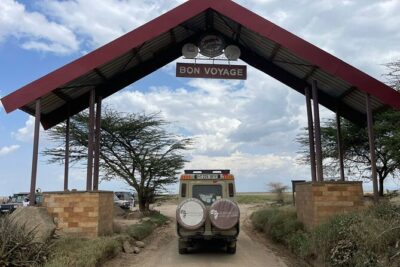
7-Day Midrange Tanzania Safari Adventures (Big 5)
Read our review →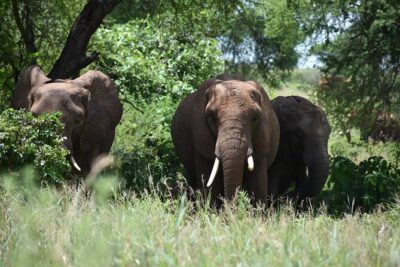
7 Days Highlight of Tanzania Mid-Range Standard
Read our review →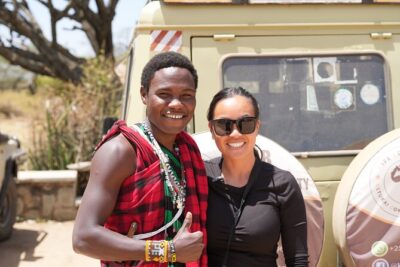
5- Days Best Mid-range Safari and Maasai Village experience
Read our review →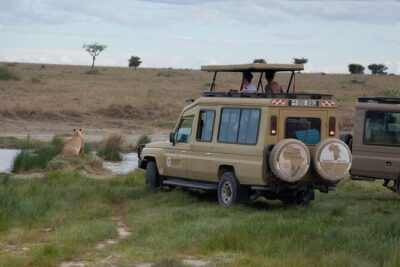
5 days Tanzania midrange lodge Private safari
Read our review →Browse the lists this tour appears in