
Reviewed · BUDGET SAFARIS
6 Days in the Wild – A Budget Safari Across Tanzania’s Icons
The best part of this six-day Tanzania safari is the range packed into one trip: elephants in Tarangire, big-cat country in the Serengeti, the wildlife-filled Ngorongoro Crater, then a coffee walk and warm-water swim near Kilimanjaro. At $1,300 per person, it gives you a lot of Tanzania for your money.
I like the small maximum group of seven and the chance to spend a full day in the Serengeti rather than racing through it. I also like the human side of the trip, from the Maasai boma visit to the Chagga lunch at Materuni. The tradeoff is a demanding schedule with early mornings, long road journeys, camping, and some unclear lodging details that you should confirm before paying.
Key points to know before booking
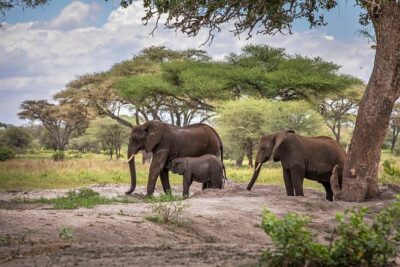
- Tarangire starts the wildlife program: Expect elephant herds, baobab country, seasonal swamps, and animals gathering near the Tarangire River.
- Two Serengeti days give you real search time: The plan includes a game drive on arrival and a full day with sunrise and afternoon drives.
- Ngorongoro adds concentrated wildlife viewing: The crater floor offers one of Tanzania’s strongest settings for close animal encounters.
- The cultural stops are not filler: Materuni includes a waterfall walk, coffee tour, village life, and a traditional Chagga meal.
- Chemka changes the pace: A swim in clear warm water gives your body a break after several days in a safari vehicle.
- Expect a simple, social trip: Camping, shared meals, and a maximum of seven people suit budget-minded visitors who value experiences over polish.
A big Tanzania safari for a modest price
Six days costs $1,300 per person, with private transportation, an English-speaking guide, park fees and taxes, five breakfasts, six lunches, and five dinners included. That is a strong package for a northern Tanzania route covering four major wildlife areas plus Materuni and Chemka.
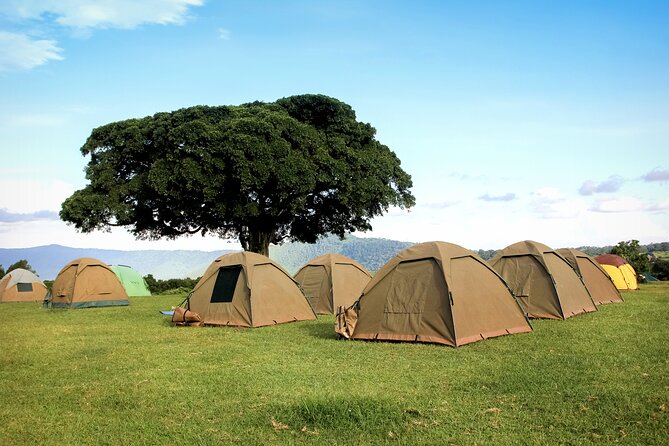
The value depends on what you want from comfort. This is not a lodge-hopping holiday. The plan includes a campsite in the Serengeti, Fig Tree Lodge after Tarangire, and a hotel night in Arusha, so the standard changes during the trip. The description also calls this a budget camping adventure, which means you should expect practical accommodation rather than a polished safari camp every night.
Food is another plus for the price. All lunches are included, and a dedicated chef named Salim is associated with the safari team. Previous bookings have also praised the food and named Simba as a guide and Amiri as a driver. Ask in advance which guide, driver, and chef will be assigned to your departure, since names should not be treated as guaranteed.
The package does not include tips, international flights, or personal items. Bring money for gratuities and any crafts or other purchases at the Maasai visit. Free cancellation is available up to 24 hours before the 6:00 a.m. start time, which gives you some useful flexibility.
More Budget Safaris in Arusha
- 5 Days Budget Private Safari, Tanzania
★ 5.0 · 191 reviews - 6 Days Private Budget Safari
★ 5.0 · 163 reviews - 6 Days Tanzania Budget Camping Safari
★ 5.0 · 145 reviews
Day 1: elephants and baobabs in Tarangire
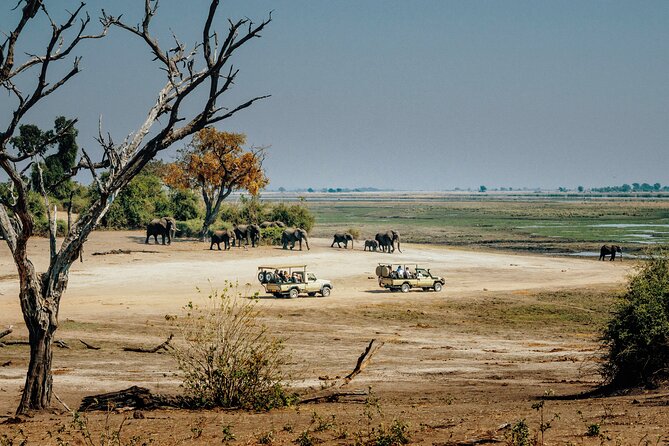
Your safari begins with hotel pickup after breakfast and roughly a two-hour drive from Arusha to Tarangire National Park. The park is known for its large elephant herds, and the open-roof vehicle gives you a high view across the savanna.
Tarangire is especially rewarding when animals gather near water. The Tarangire River and seasonal swamps draw elephants, zebra, wildebeest, buffalo, and giraffe, while the changing vegetation gives the drive more variety than a simple open-grassland route.
Plan on about six hours in the park. That is enough time for a proper game drive, but it also creates a long first day once you add the road from Arusha and the transfer to Fig Tree Lodge. You will have dinner and sleep there, with time to relax after the drive.
I like Tarangire as an opening park because it gives you a good chance to see large mammals before reaching the more famous Serengeti. The main limitation is that wildlife sightings are never promised, and the best animal activity can vary with season. Your guide’s skill in reading the area and knowing where water is found will matter.
Day 2: the long road to the Serengeti
After breakfast, you continue to Serengeti National Park with picnic lunches and a game drive. The listed drive lasts about seven hours, so this is one of the trip’s biggest travel days.
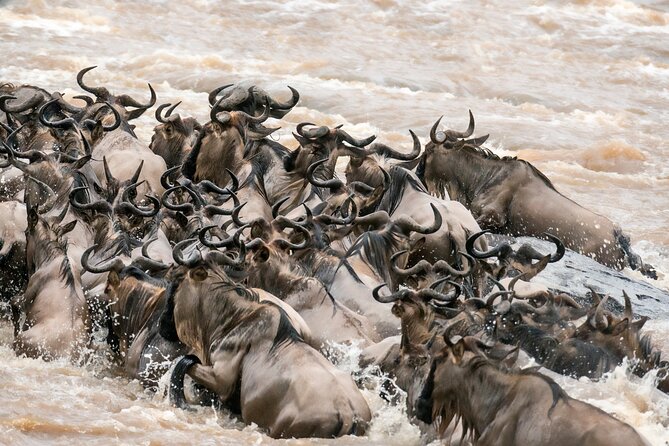
The reward is the Serengeti’s huge sweep of grassland and its role in the annual wildebeest migration. The migration is not a single event in one fixed place. It follows rainfall and grazing conditions, so your chances of seeing large herds depend heavily on the time of year and where the animals are moving.
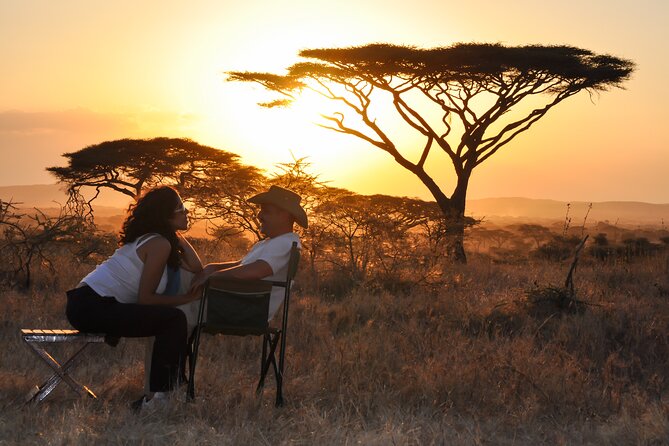
You will sleep at Seronera Campsite. Staying inside or near the central Serengeti area matters because it puts you closer to the next morning’s wildlife search. It also means camping is part of the experience, not simply a budget substitute. You will hear the sounds of the park more directly, but you should be ready for a basic night and a busy day around it.
The itinerary mentions optional ideas such as a sunrise hot-air balloon ride and Maasai rock paintings at Lobo, but they are not listed as included parts of this $1,300 package. Treat them as possible extras only, and ask about cost, timing, and availability before counting on them.
Day 3: a full day where the animals are
This is the strongest wildlife day on the schedule. You start at sunrise, return to camp for lunch, then head out again in the afternoon. Six hours are listed for the day, although the early start and return to camp make it feel longer.
The aim is to look for the Big Five: lion, leopard, elephant, buffalo, and rhinoceros. Seeing all five is never guaranteed, but the full day gives your guide more time to search than a short drive between parks. One booking associated with this trip reported seeing all five, but you should treat that as a fortunate result, not a promise.
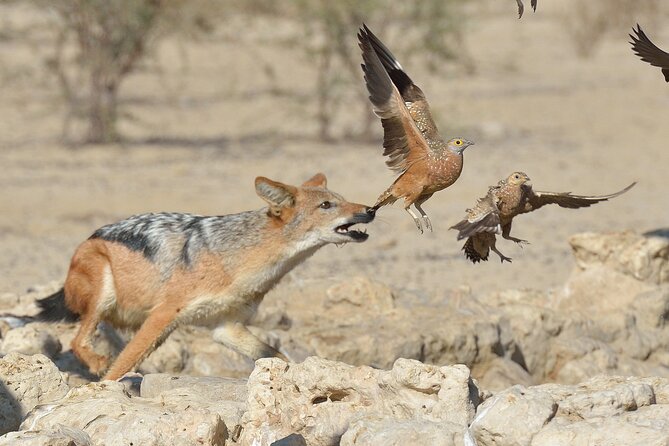
The Serengeti is not only about large mammals. You might see colorful agama lizards around the granite kopjes, rock hyraxes, ostriches, secretary birds, black eagles, and many other bird species. This matters if you enjoy small details. A good guide will help you notice life beyond the animals that attract the largest crowds.
The practical drawback is sitting in a safari vehicle for many hours over two days. Bring a hat, sunscreen, water, and a camera battery pack. Your guide’s ability to position the vehicle and explain animal behavior can make a major difference. Simba is one guide name connected with the operation, and past guests have praised his ability to find close wildlife encounters, but confirm the assigned guide before departure.
More Safaris in Arusha
- 4 Days Group Camping Safari
★ 5.0 · 1,101 reviews - 5 Days Group Camping Safari
★ 5.0 · 730 reviews - 7-Day Premium Luxury Tanzania Safari All-Inclusive
★ 5.0 · 426 reviews - 8 Days Great Wildebeest Calving Migration Safari from Arusha
★ 5.0 · 254 reviews
Day 4: Maasai culture and the Ngorongoro question
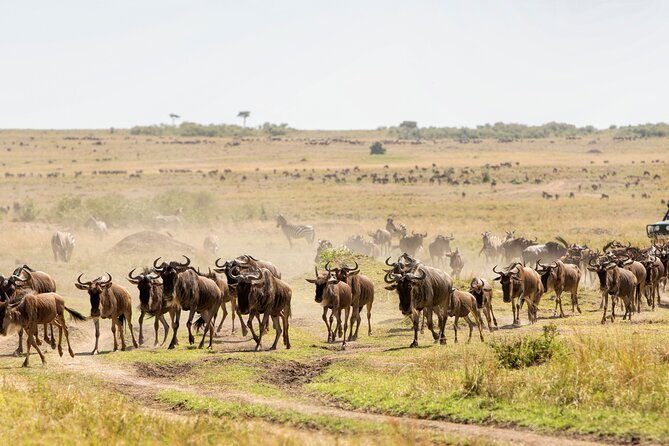
The fourth day needs clarification. The schedule places Ngorongoro Crater here, but the detailed description focuses first on a local Maasai boma and then says the guide drives back to Arusha for dinner and an overnight hotel stay. It also separately describes a crater visit without giving a clear sequence for the descent and game drive.
Ask the operator to confirm exactly what you will do at Ngorongoro. A proper crater visit normally means descending to the crater floor for wildlife viewing, while the Maasai boma is a separate cultural stop. The two may be combined, but the information supplied does not clearly say how.
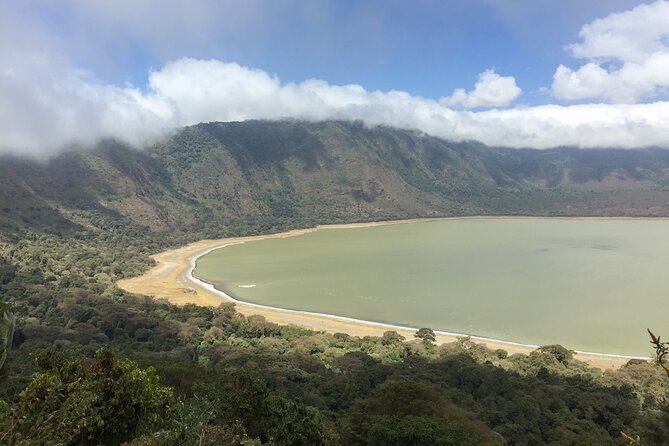
The crater itself is a major reason to choose this route. Its enclosed setting can offer close views of many species, and the scale of the volcanic caldera gives the day a very different feel from the open Serengeti. If the crater descent is included, it is one of the itinerary’s most valuable wildlife experiences.
The Maasai visit adds a human element. You may learn about pastoral life, join singing and dancing, watch or try activities such as herding, see how fires are made, and shop for handmade crafts. Approach the visit with respect. It is not a staged wildlife attraction, and the best experience comes from listening, asking thoughtful questions, and paying fairly for crafts.
The return to Arusha creates another long road day. It also suggests a change from campsite living to hotel accommodation. Because the schedule is not perfectly clear, confirm the exact overnight location, crater fees, and whether lunch at the boma or crater is included.
Day 5: Lake Manyara and a change of scenery
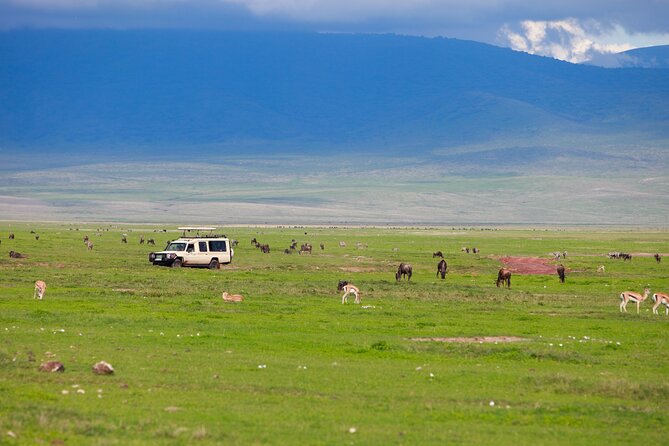
After breakfast, you drive about 30 minutes from your accommodation to Lake Manyara National Park. The visit lasts about six hours, with lunch in the park at 1:00 p.m., followed by a return to Arusha in the afternoon.
Lake Manyara is smaller than the Serengeti, but that is part of its appeal. The park brings together woodland, open areas, and lake-edge habitats beneath the Great Rift Valley escarpment. The setting changes quickly, which makes this a good photographic day.
Tree-climbing lions are the headline sight. They may lounge in acacia branches, although no guide can guarantee you will see them in the trees. You may also encounter elephants, giraffes, zebras, and large flocks of flamingos, along with birds of prey and lilac-breasted rollers.
This stop works well near the end because it offers a shorter, concentrated game drive after the long Serengeti days. The downside is that you have less time than you would at Tarangire or Serengeti, so Lake Manyara is best viewed as a varied final park visit rather than the main reason to book the safari.
Day 6: Materuni coffee, a waterfall, and Chemka water
The last day shifts from game viewing to village life and outdoor relaxation. At Materuni, you walk about 40 minutes to a waterfall with a local guide. Along the way, the guide explains village life, local plants, and the surrounding area.
The waterfall pool is described as suitable for swimming, so pack swimwear where you can reach it easily. On clear days, you might see Mount Kilimanjaro, though the view depends on weather and visibility. After the walk, you return to Materuni village for a traditional Chagga lunch and a coffee experience.
This is one of my favorite parts of the plan because it lets you meet Tanzania through food, farming, and daily life rather than only through a vehicle window. The two-hour Materuni visit is short, so do not expect an extended trek. It is a cultural excursion with a modest walk, not a full mountain hike.
Chemka Hot Springs, also called Kikuletwa Hot Springs, provides a gentler finish. The warm, clear water is surrounded by vegetation and offers time to swim and relax after several early mornings. The stop is listed at about five hours, so it is a substantial part of the final day, not a quick photo stop.
The schedule lists Chemka before Materuni, while the Materuni description begins with hotel pickup and places the waterfall and lunch first. Confirm the order and transport plan. Either way, you should bring swimwear, a towel, sun protection, and a way to keep wet clothing separate from your luggage.
Camping, transport, and group size
A maximum of seven people is a real advantage. A small vehicle group usually makes it easier to hear the guide, share sightings, and avoid the feel of a large convoy. It also suits solo visitors and couples who want to meet people without joining a very large party.
Pickup is offered, with the listed meeting point at Meru House Inn on Sokoine Road in Arusha. The stated start time is 6:00 a.m. Confirm the pickup arrangement if you are staying elsewhere. The experience ends back at the meeting point.
The six days include several long drives. You will spend time on rougher park roads, sit in an open-roof vehicle, and rise early for wildlife viewing. This suits you if you see transport as part of the adventure. It may frustrate you if you want slow mornings, private rooms every night, or a short transfer between every stop.
The inclusion list says private transportation, but the group limit is seven. Ask whether private means a vehicle reserved for this booking or simply transport arranged by the operator. That small question can affect the feel of the safari.
Who should book this safari?
I would recommend it to a first-time Tanzania visitor who wants the country’s major northern parks plus two very different local experiences. You get wildlife, a Maasai cultural visit, a Chagga village connection, coffee, a waterfall, and a hot spring in one compact trip.
It also suits budget-minded couples, solo visitors, and friends who are happy with camping and shared meals. The small group and strong guide feedback are especially useful for people who want help spotting animals and understanding what they see.
I would think twice if you need guaranteed luxury, private space, or a relaxed pace. The schedule is full, the safari days begin early, and the Day 4 and Day 6 routing needs clarification. Families can participate because most people can join, but the long drives and basic camping setup may not suit young children or anyone who dislikes rough travel.
Should you book it?
Book this safari if your priority is maximum variety for $1,300. Tarangire, two Serengeti days, Ngorongoro, and Lake Manyara give you a strong wildlife route, while Materuni and Chemka keep the trip from becoming six days of vehicle time.
Before booking, get written confirmation of the Ngorongoro crater visit, the exact lodging each night, the order of the final-day stops, and the names of your guide and driver. If those details are clear and you are comfortable with camping and long drives, this is a practical, sociable way to see Tanzania’s northern circuit without paying lodge-level prices.
FAQ
How long is the Tanzania safari?
The activity lasts approximately six days, beginning at 6:00 a.m. on the first day and ending back at the meeting point in Arusha.
What is included in the $1,300 price?
The price includes private transportation, fees and taxes, a professional English-speaking guide, five breakfasts, six lunches, and five dinners.
Is accommodation included?
The schedule includes an overnight at Fig Tree Lodge after Tarangire, Seronera Campsite in the Serengeti, and a hotel night in Arusha. Confirm the full accommodation plan because the experience is described as a budget camping trip.
How many people can join the tour?
The activity has a maximum of seven participants.
Where does the tour start?
The listed meeting point is Meru House Inn, JMGJ+9QF, Sokoine Road, Arusha, Tanzania. Pickup is offered, so confirm the exact arrangement if you are staying at another accommodation.
Can I cancel for a full refund?
You can cancel for a full refund up to 24 hours before the experience start time. Cancellations or changes made less than 24 hours before the start are not accepted or refunded.
More Six-Day Trips in Arusha
- Tanzania Wildlife Encounters – 6 Days
★ 5.0 · 277 reviews - Tanzania Enticing Explorations – 6 Days
★ 5.0 · 106 reviews - 6 days Tanzania budget safari
★ 5.0 · 65 reviews - 6 Day Tanzania Wildlife Mid range Safari
★ 5.0 · 54 reviews
Just added around Arusha
- From Arusha: 11 days The Classics Northern Tanzania safari★ 5.0 · 11 reviews
- 6-Day Mount Meru Climb through Momella Route Guided Tour★ 5.0 · 5 reviews
- Private Day Trip to Arusha National Park with a Walking Safari★ 5.0 · 4 reviews
- From Arusha : 11-day Amazing North Tanzania safari tour★ 5.0 · 4 reviews
- Walking Day Tour to Safari in Arusha National Park★ 5.0 · 5 reviews
- 2 Days Tanzania Midrange Group Join Safari★ 5.0 · 7 reviews
- Best 5 Days Tanzania Private Luxury Safari with luxury Lodges★ 5.0 · 12 reviews
- Waterfall & Coffee Walking Tour★ 5.0 · 6 reviews
Budget Safaris, compared.
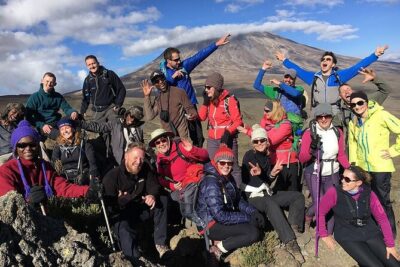
7 Days Kilimanjaro via Machame route affordable price
Read our review →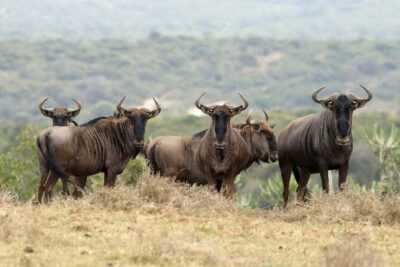
4-Day Budget Tarangire, Serengeti, Ngorongoro Safari Guided Tour
Read our review →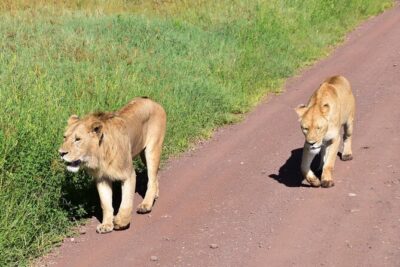
The World’s Most Affordable 5-day Serengeti Budget Camping Safari
Read our review →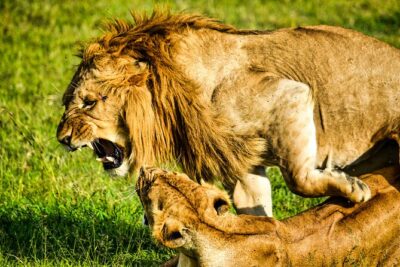
1 Day Tanzania Sharing Budget Group joining Tour to Ngorongoro
Read our review →Browse the lists this tour appears in