
Reviewed · 4-DAY EXPERIENCES
4 Days /3 nights Tarangire, Serengeti and Ngorongoro crater
Tarangire’s giant baobabs and large elephant herds make a strong opening to this four-day safari. I like the route because it pairs year-round elephant country with the wide Serengeti and the concentrated wildlife of Ngorongoro Crater. I also like the small maximum of six people, which matters when you are sharing a safari vehicle and trying to see through every window.
The main drawback is the pace. You cover three major areas in four days, with long road stretches between them and campsite nights. The price of $980 per person is appealing for a guided safari with meals and park access, but you should be comfortable with early starts, basic camping, and a schedule that leaves little spare time.
Key points to know before booking
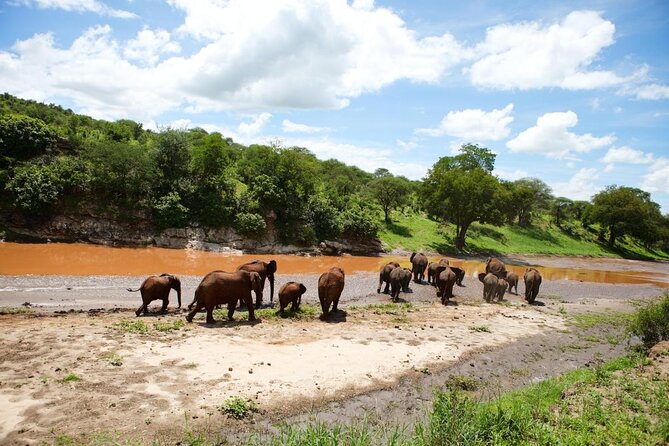
- Tarangire opens with elephants and baobabs: The park is known for large elephant numbers and ancient-looking trees that give the first game drive a distinctive feel.
- Serengeti time centers on Seronera: You reach the central area on Day 2, with an afternoon game drive after the journey from Karatu and the Ngorongoro Conservation Area.
- Ngorongoro packs wildlife into one day: The crater floor can offer buffalo, zebra, wildebeest, gazelle, hippo, elephants, predators, and possibly black rhino.
- The group is capped at six people: That is a useful limit for a safari vehicle, especially when everyone wants a clear view.
- Meals are included throughout: You receive four lunches, three breakfasts, and three dinners, though airfare and travel insurance are not included.
- Communication is a strong part of the service: Adam helped one group plan around its interests and stayed available through WhatsApp before the trip.
Why this route works in only four days
Northern Tanzania offers several famous parks close enough to combine, but not so close that the driving disappears. This itinerary gives you a useful sample of three very different settings: Tarangire’s dry woodland and baobabs, Serengeti’s open plains, and Ngorongoro’s enclosed volcanic basin.
That variety is the main value. You are not spending all four days in one park hoping conditions line up. Instead, the route gives you several chances to see animals in different habitats. The tradeoff is that some of your time is spent on the road, particularly on the transfer toward the Serengeti and the return to Arusha.
The trip begins and ends in Arusha, with pickup offered. The safari runs for about four days and three nights, and the group size is limited to six people. That is small enough to feel more personal than a large vehicle, while still keeping the per-person price below what a private safari usually costs.
More four-day trips in Tarangire:
- 4 Days Join Group tour Tarangire Serengeti and Ngorongoro crater
★ 5.0 · 219 reviews - 4-Day Safari from Arusha: Tarangire, Serengeti and Ngorongoro
★ 5.0 · 173 reviews - 4 Days Tarangire Serengeti Ngorongoro Crater
★ 5.0 · 117 reviews
Day 1: Tarangire’s elephants beneath the baobabs
After breakfast, you drive from the Arusha area toward Tarangire National Park. The first day includes a full game drive and a picnic lunch inside the park, followed by a late-afternoon drive to the campsite for dinner and the night.
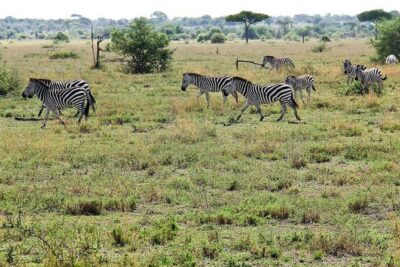
Tarangire is the most distinctive first stop because of its elephants and baobab trees. The park forms part of a wider seasonal movement involving up to 3,000 elephants, 25,000 wildebeest, and 30,000 zebras. Those figures describe the wider cycle rather than a promise of what you will see in a single drive, but they explain why Tarangire has such a strong reputation for elephant sightings.
I like beginning here. After the practical work of leaving Arusha, you quickly reach a park with a clear visual identity. Baobabs rise above the trees, and elephants are the central attraction rather than a lucky side sighting. The picnic lunch also means you spend the middle of the day in the park instead of returning to town.
The listed schedule gives about seven hours to Tarangire. That includes the game drive, park time, and movement around the day, so do not read it as seven uninterrupted hours of animal watching. Safari sightings depend on where animals are, and the guide must also manage the road, park rules, and the drive to camp.
The night is at a campsite. The supplied details do not specify the exact camp style or room setup, so ask before booking if you need a particular level of comfort. For many people, the camping element is part of the point. For others, three nights of basic accommodation may be the deciding concern.
Day 2: The long road to Seronera in the Serengeti
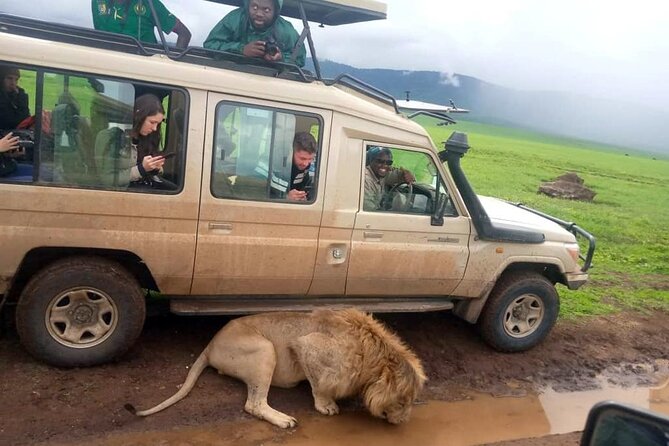
Day 2 begins after breakfast with a drive through the high farmland around Karatu and the Ngorongoro Conservation Area. You then leave the higher ground behind and continue toward the Serengeti, reaching the central Seronera area for an afternoon game drive.
Seronera is a practical base because its river helps draw wildlife. The area is described as one of the Serengeti’s strongest wildlife zones, with a broad mix of species. You have lunch after reaching the park area, then spend the afternoon looking for animals before dinner and another campsite night.
This is the day when the safari feels most like a true cross-country journey. The Serengeti’s open plains seem to stretch far beyond the vehicle, and the sense of space is very different from Tarangire’s trees and baobabs. Sunrise and sunset are also listed as highlights of the wider experience, though the exact viewing opportunities depend on the day’s driving plan and campsite location.
The catch is distance. The schedule lists about seven hours for the day, and much of that is spent getting to the Serengeti. If you want a slow safari with long periods parked beside each animal, this route may feel busy. If you want to see how the northern parks connect and have only four days, the transfer is a fair compromise.
Seronera also gives you a better chance of seeing a wide range of species than a trip focused on one narrow habitat. That does not guarantee lions, cheetahs, leopards, or other specific animals, but the central location and water source make the area a sensible choice for a short visit.
Day 3: Moving toward Ngorongoro
The Day 3 plan combines a morning game drive with the move toward Ngorongoro. You leave with boxed lunches and continue with game viewing along the way, then have dinner and spend the night at a campsite.
This day is best understood as a transition day rather than a second full day in the Serengeti. The timing gives you one more chance to look for wildlife before leaving the park, but the route also has to cover ground. That matters because the crater visit is scheduled for the following day.
The plan uses boxed lunches, which are sensible for a transfer between parks. You are not tied to a restaurant stop or forced to cut a sighting short for a formal meal. The tradeoff is that lunch is functional rather than a leisurely break.
The listed duration is about six hours. That gives you a shorter schedule than Day 2, but the road and game drive still make this a full day. If you are sensitive to long drives, keep that in mind before choosing a three-park itinerary.
There is a small wording issue in the schedule: Day 3 refers to driving to Ngorongoro with game viewing, while Day 4 is the full crater visit. The practical meaning is clear enough, but I would confirm the exact campsite and timing with Afrozone Kingdom Safaris before departure. Adam has handled detailed planning for past groups, including questions and special interests through WhatsApp, so it is worth using that communication before you leave.
A few more Tarangire trips worth comparing
- Private 6-Day Tarangire Manyara Crater and Serengeti with Mid-Range Lodges
★ 5.0 · 238 reviews - 5 Days Camping Tarangire, Serengeti & Ngorongoro crater & Visiting Maasai
★ 5.0 · 229 reviews - Balloon Safari & Bush Breakfast in Tarangire – Miracle Experience
★ 5.0 · 169 reviews - 2 Days Tarangire and Ngorongoro Group Camping Safari
★ 5.0 · 146 reviews
Day 4: Wildlife concentrated on the Ngorongoro Crater floor
After breakfast, you descend into Ngorongoro Crater with a packed lunch for a full game drive. The crater is the most concentrated wildlife stop on the route, supported by water and grazing areas throughout the year.
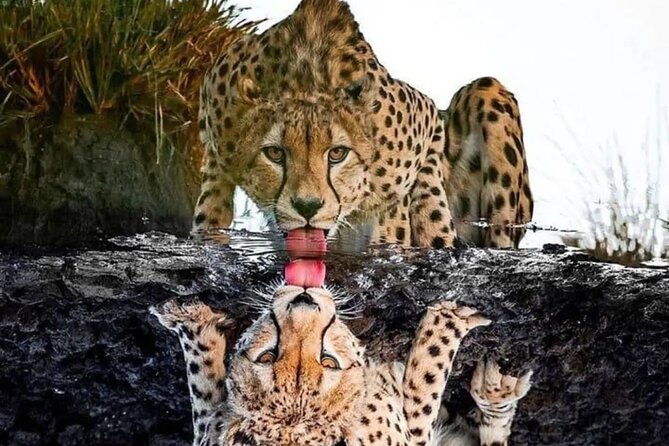
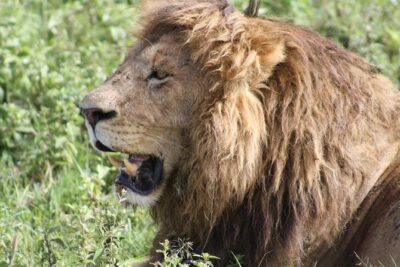
The expected animal list is impressive: wildebeest, zebra, buffalo, eland, warthog, hippo, and elephants are all associated with the crater. Predators include lions, hyenas, jackals, cheetahs, and the elusive leopard. Black rhino are also present in the area, though no safari can promise a sighting of any one species.
Lake Magadi adds another specific point of interest, with flamingos sometimes seen around the water. The crater’s enclosed shape helps you understand the setting quickly. You are not simply scanning a vast open plain. You are on a broad floor surrounded by steep walls, with animals gathered around grass and water.
I like placing Ngorongoro last because it gives the trip a strong final wildlife day. After the larger distances of the Serengeti, the crater offers a more compact setting where you may spend less time searching between sightings. It can also be busy, especially in a popular viewing area, so patience and a good guide matter.
Lunch is a picnic on the crater floor. You should expect the day to be structured around game viewing rather than a long sit-down meal. By late afternoon, you drive back to Arusha, arriving at around 5 p.m. The listed duration is about six hours, so do not plan an important evening flight or tight onward connection without checking the timing carefully.
What the $980 price gives you
At $980 per person, the package offers a practical middle ground. You receive three breakfasts, three dinners, and four lunches, along with the guided park visits and camping nights described in the schedule. Pickup is offered, and the group limit is six.
That price is strongest if you want a compact safari without organizing separate transport, meals, park entry arrangements, and a guide yourself. The three-park route also gives you more variety than a short visit to only Tarangire or only Ngorongoro.
You still need to budget for airfare and travel insurance. The supplied details do not spell out every possible extra, such as drinks, personal items, or optional activities, so ask for a full cost breakdown before paying. The accommodation details are also limited. If you need private rooms, upgraded tents, or a specific bathroom setup, confirm those points in advance.
For six people, the value improves because the vehicle and guide costs are shared. A smaller party may find the total less attractive than a larger group, though the group cap gives you more space and makes communication easier.
The guide and the human side of the trip
A safari depends heavily on the guide. Good driving matters on rough park roads, but so does the ability to explain what you are seeing, manage time, and listen to what you care about.
Adam is specifically named in the trip details as someone who answered questions, planned the days around a group’s interests, and added two tours related to local culture. Those extra tours are not part of the stated four-day itinerary, so you should not assume they are included here. Still, the planning style is useful if you have particular priorities, such as elephants, predators, birds, photography, or time in the crater.
The small group limit also helps. With no more than six people, you have a better chance of discussing plans with the guide and finding a comfortable viewing position. You should still expect shared decisions. A safari vehicle is not a private studio, and different people may want different amounts of time at each sighting.
Communication before the trip has been handled through WhatsApp, which is useful for confirming pickup, campsite details, meal arrangements, and the exact Day 3 to Day 4 schedule. The experience provider is Afrozone Kingdom Safaris.
Who should book this safari
I would recommend this trip to you if you have four days, want the classic northern Tanzania route, and care more about seeing several major parks than about having a slow schedule. It suits first-time safari visitors who want elephants, open Serengeti scenery, and a crater game drive in one package.
It also works well for friends or couples who can share a vehicle and appreciate a maximum group size of six. The included meals reduce planning during a busy route, and the pickup option makes the start simpler.
You may want a different plan if you dislike camping, long road transfers, or packed days. A longer safari would give you more time in the Serengeti and reduce the pressure of moving between parks. This four-day version is efficient, but efficiency comes with early mornings, road time, and little room for weather delays or personal detours.
Practical details to settle before departure
The activity is listed as operating Monday through Sunday, with an opening window from 8:00 a.m. to 10:30 a.m. The booking confirmation is provided at the time of reservation, and a mobile ticket is available.
Most people can participate, and the tour is near public transportation. The experience offers free cancellation if you cancel at least 24 hours before the local start time. Changes or cancellations made within 24 hours are not accepted for a refund.
I would ask four questions before booking: the exact pickup point, the campsite names, the sleeping and bathroom arrangements, and the final order of the Day 3 transfer and Day 4 crater visit. Those details will tell you if the trip matches your comfort level.
Should you book it?
Book this safari if you want a compact, good-value introduction to Tarangire, Serengeti, and Ngorongoro with meals included and no more than six people in the group. The strongest reasons are the elephant focus in Tarangire, the Seronera visit, and the concentrated wildlife of the crater.
Skip it if you need luxury accommodation, a relaxed pace, or several full days in one park. At $980, the trip makes the most sense for you as an efficient first safari, not as a slow specialist expedition. Confirm the camping setup and day-by-day timing with Adam or Afrozone Kingdom Safaris, then book if the tradeoff feels right.
FAQ
How long is the safari?
The safari lasts four days and three nights.
Where does the safari begin and end?
The tour is based in Arusha, Tanzania. Pickup is offered, and the final day includes a drive back to Arusha, with arrival planned for around 5 p.m.
Which parks are included?
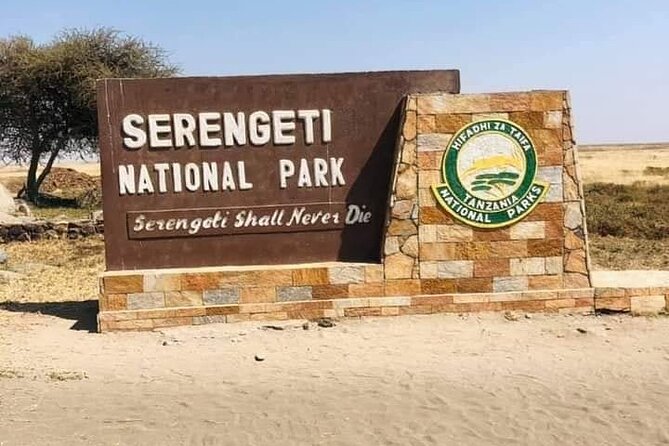
The route includes Tarangire National Park, Serengeti National Park, and Ngorongoro Crater.
How many people can join the tour?
The group has a maximum of six participants.
Are meals included?
Yes. The package includes three breakfasts, three dinners, and four lunches.
Are flights included?
No. Airfare is not included in the price.
Is travel insurance included?
No. You need to arrange travel insurance separately.
Can I cancel for a full refund?
Yes, if you cancel at least 24 hours before the experience start time. Cancellations made less than 24 hours before the start time are not refunded.
Is the tour suitable for most people?
The supplied information says most people can participate. The experience is also near public transportation.
Just added around Tarangire
- 3 days Safari to Tarangire, Ngorongoro and Manyara from Zanzibar★ 5.0 · 12 reviews
- 3 Day – Tarangire, Ngorongoro Crater Lake Manyara- Mid – Range★ 5.0 · 16 reviews
- #1 Best Tanzania Safari Tarangire Day tour Adventure★ 5.0 · 9 reviews
- Full Day Private Safari – Tarangire National Park★ 5.0 · 5 reviews
- 5 days Safari to Tarangire, Ngorongoro, Serengeti and Lake Manyara★ 5.0 · 5 reviews
- 4 days Tarangire National park, Serengeti National park and Ngorongoro crater★ 5.0 · 3 reviews
- 4-Day Tarangire Serengeti, Ngorongoro & Maasai Guided group tour★ 5.0 · 16 reviews
- 4 Days Safari Tour at Tarangire, Serengeti and Ngorongoro Crater★ 5.0 · 7 reviews
4-Day Experiences, compared.
4 Days Join Group tour Tarangire Serengeti and Ngorongoro crater
Read our review →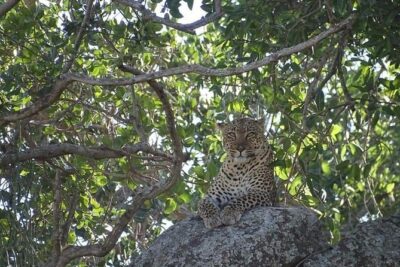
4-Day Safari from Arusha: Tarangire, Serengeti and Ngorongoro
Read our review →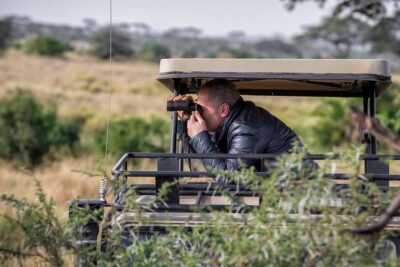
4 days Best experience Kilimanjaro Hike, Serengeti &Ngorongoro
Read our review →
4 Days lodge safari Tarangire , Ngorongoro crater & Walking
Read our review →Browse the lists this tour appears in