
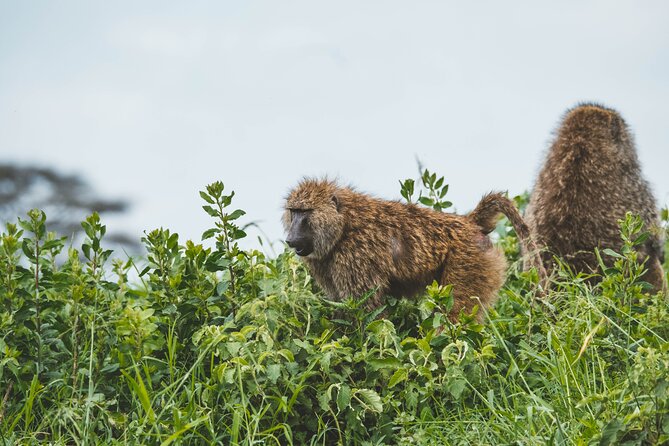
Reviewed · SAFARIS IN TARANGIRE
3-Day Tarangire, Ngorongoro & Manyara Best Tour & Safari
Tarangire’s elephant herds are the main draw on this three-day northern Tanzania safari, but the route gives you three very different wildlife settings in a short time. You cross the Masai plains, enter Ngorongoro Crater, and finish among Lake Manyara’s birds and possible tree-climbing lions.
I like the small maximum group of four, which gives you more room in the vehicle and a better chance to ask your guide for help with animal spotting. I also like the practical touches reported from the trip, including tables, chairs, and fresh coffee prepared during a bush breakfast stop. The main consideration is pace: three parks in three days means long drives and a busy schedule.
Key points to know before booking
- Tarangire opens the safari with elephants, zebras, buffalo, gazelles, eland, and oryx across the Masai plains.
- Ngorongoro Crater is the wildlife centerpiece, with possible sightings of elephant, rhino, buffalo, lion, and cheetah.
- Lake Manyara adds birdlife and variety, with a chance to see lions in trees.
- The group is capped at four people, a useful advantage on game drives.
- Park fees, camping equipment, transportation, taxes, and drinking water are included, while visas, insurance, flights, and personal expenses are not.
- Confirm the overnight campsite before departure, since the trip information names both Sunbright Campsite and Figi Big Tree Lodge and Campsite.
Why this three-day route works
This safari is built around variety rather than long stays in one park. You spend the first day in Tarangire, the second in Ngorongoro Crater, and the third in Lake Manyara. That gives you a solid first look at northern Tanzania without committing to a weeklong safari.
I would choose this route if you have limited time in Arusha and want to see several famous areas. It also suits someone who prefers a small group to a large safari vehicle. With a maximum of four people, you should have a less crowded ride and more freedom to discuss where to stop.
The tradeoff is time. You are not spending two full days in any one park. Your safari includes driving between areas, ascending and descending the crater, and returning to Arusha on the third afternoon. If you want slow mornings and long periods watching one animal family, a longer itinerary would suit you better.
The listed price is $960.71 per person. That is not a simple game-drive ticket. It covers park fees, transportation, camping equipment, taxes, drinking water, a professional guide, and the meals listed in the daily plan. For a three-day route through three well-known wildlife areas, that can be good value, especially if you would otherwise arrange each permit, transfer, and campsite yourself.
More Safaris in Tarangire
- 4-Day Safari from Arusha: Tarangire, Serengeti and Ngorongoro
★ 5.0 · 173 reviews - Balloon Safari & Bush Breakfast in Tarangire – Miracle Experience
★ 5.0 · 169 reviews - 2 Days Tarangire and Ngorongoro Group Camping Safari
★ 5.0 · 146 reviews
Day 1: Tarangire and the Masai plains
Pickup begins at 7:00 am, with transportation offered from your hotel or airport. The drive heads north from Arusha across the Masai plains toward Tarangire National Park. The road journey is part of the setting here, taking you away from the city and into a more open, rural part of Tanzania.
Tarangire is especially known for its high concentration of elephants. You may also see zebras, buffalo, gazelles, eland, and oryx. The park gives you a strong chance to see large herbivore groups, and the broad views make animal spotting easier than in thicker woodland.
The game drive takes up much of the day. A packed lunch is served at a designated picnic site, so you do not need to return to a lodge for a midday meal. That keeps the safari moving, though it also means you should be ready for a full day in the vehicle.
Late afternoon brings a drive out of Tarangire toward the Ngorongoro Highlands. The route includes views of the Great Rift Valley wall, a striking change after the open park plains. You then continue to the overnight campsite.
The accommodation information needs a quick check before you pay. One part names Sunbright Campsite, while the daily plan lists Figi Big Tree Lodge and Campsite. Both may refer to the planned camping arrangement, but the details are not consistent enough to ignore. Ask which site you will use, what type of tent is supplied, and whether beds, mattresses, and bedding are included in the camping equipment.
Camping, meals, and small comforts
Camping is not a luxury lodge stay, but it is a practical way to keep the safari cost under control. The package includes camping equipment and the planned overnight arrangements, along with dinner, breakfast, and packed lunches described in the schedule.
The strongest practical detail from the trip information is the attention to camp-style comfort. Tables and chairs were brought out for meals, and fresh coffee was prepared on the spot during a bush breakfast stop. Those touches matter after several hours on rough roads. A meal served properly at a table feels much better than balancing food on your knees beside the vehicle.
Drinking water is included all day. That is useful in a warm, dusty setting, and it saves you from arranging your own supply for every game drive. Personal items are not included, so you should budget separately for anything outside the listed meals, water, transport, and park services.
The guide team is another important part of the experience. Lucas is specifically associated with the driving and guiding on one three-day trip, while Gilbert handled communication and arrangements. The provider lists English, Spanish, and French guide services. If language support matters to you, confirm which language your assigned guide will use before departure.
Day 2: Descending into Ngorongoro Crater
The second morning begins with breakfast and a drive into the Ngorongoro Conservation Area. The main event is the descent into Ngorongoro Crater for a game drive.
The crater is a dramatic setting because its enclosed floor can hold a wide mix of animals in one area. The planned wildlife list includes the Big Five: elephant, rhino, buffalo, lion, and leopard, along with cheetah. Seeing all five is never guaranteed, but the crater gives you a good reason to keep your eyes moving from the open floor to the surrounding slopes.
This is the day when a good guide matters most. You will need help identifying distant animals and understanding where to look. A skilled driver can also make the most of the limited time on the crater floor, though the final route and sightings depend on conditions and park rules.
A packed lunch is served near the crater during the day. After the game drive, you ascend in the late afternoon and return to the campsite for dinner and another night outdoors.
The crater day can feel intense because it combines an early start, a descent, several hours of viewing, and the return uphill. You should expect a full schedule rather than a relaxed nature walk. The experience is focused on animal sightings from the vehicle, not hiking inside the crater.
More Tarangire safaris to compare:
- 3 Days Tarangire, Ngorongoro & Lake Manyara Group Camping Safari
★ 5.0 · 102 reviews - 5 Days Tanzania Group Joining Safari, Tarangire/Serengeti/Ngorongoro Crater
★ 5.0 · 85 reviews - 4 Days Tarangire, Serengeti and Ngorongoro Mid-Range Group Safari
★ 5.0 · 84 reviews - 5 day safari Tarangire Serengeti and Ngorongoro crater
★ 5.0 · 83 reviews
Day 3: Lake Manyara’s birds and tree-climbing lions
After breakfast, you leave the Ngorongoro area and continue toward Lake Manyara National Park. The route again includes views of the Great Rift Valley, giving the final day a different feel from Tarangire and the crater.
Lake Manyara is known here mainly for its birdlife. The lake draws many bird species, and the park adds a wetter setting to the trip. If you enjoy birdwatching, this stop gives the itinerary useful balance after two days centered on large mammals.
You might also see the park’s famous tree-climbing lions. The wording matters: this is a possibility, not a promise. The lions may be resting in trees, or they may be elsewhere. Your guide can help search, but wildlife remains unpredictable.
A game drive takes place in the park before the late afternoon return to Arusha. Because this is the final day, you should allow for a long ride after the park. The tour is useful for reaching Lake Manyara without arranging a separate transfer, but it leaves little spare time if you have an evening flight or another fixed appointment.
What the vehicle and group size mean
The tour uses transportation from Arusha and includes pickup. The maximum of four people is one of its clearest advantages. Smaller groups usually make it easier to share viewing space, talk with the guide, and adjust attention when someone spots an animal.
The vehicle is not described in enough detail to promise a particular model or seating setup. Ask about the vehicle before booking if window placement, roof access, or seat configuration matters to you. The limited group size is helpful, but it does not remove the normal realities of a safari road: long hours sitting, dust, jolts, and repeated stops.
The guide is both driver and wildlife interpreter. One trip was led by Lucas, whose communication and driving were specifically appreciated. A separate account describes the guide making a real effort to understand a guest who did not speak English well. That is encouraging, but you should still confirm your preferred guiding language in advance.
There is one useful suggestion for wildlife stops: ask the guide to turn off the radio while you are watching animals. Radio communication can help vehicles share sightings, but noise can take away from the quiet of the moment. A simple request may give you better listening and viewing conditions.
What is included, and what is not
The package includes:
- All national park fees
- Camping equipment
- Transportation
- A professional driver and guide
- Taxes and VAT
- Drinking water throughout the day
- The meals listed in the itinerary
You pay separately for personal expenses, a Tanzanian visa, travel insurance, and international flights. These exclusions are standard, but they matter when comparing the total cost of the trip with other safari options.
The price of $960.71 per person becomes easier to assess when you count the permits and transport. Tarangire, Ngorongoro, and Lake Manyara each add value to the route, while the small group keeps the experience more personal than a large coach-style outing. The price is less attractive if you want lodge comfort, a slow schedule, or several days in one park.
Who should book this safari
I would recommend this trip for a first safari in Tanzania when your time is limited. You get elephants in Tarangire, the crater’s concentrated wildlife, and Lake Manyara’s birdlife in one compact plan.
It is also a good fit for families and small groups that want a private-feeling arrangement without paying for a fully private vehicle. The provider describes the activity as suitable for most people, and service animals are allowed. The tour is near public transportation, although pickup is also offered.
I would be more cautious if you dislike camping, long drives, or early starts. The itinerary is active every day, and the final return to Arusha comes after the Lake Manyara game drive. It is not designed for someone who wants a resort-style break.
The schedule also deserves careful planning around flights. Since the tour starts at 7:00 am and returns to Arusha late on the third afternoon, do not place an important international departure too close to the planned return unless you have allowed plenty of extra time.
Booking details worth confirming
Confirmation is provided when you book, and cancellation is free if you cancel at least 24 hours before the local start time. A cancellation within 24 hours is not refunded, and late changes are not accepted.
Before paying, ask three direct questions. First, confirm whether your overnight site is Sunbright Campsite or Figi Big Tree Lodge and Campsite. Second, ask what the camping equipment includes. Third, confirm the guide language and pickup location.
Those questions are not fussing over small details. They tell you what sort of night and communication to expect, and they help prevent surprises on a tightly packed safari.
Should you book the three-day route?
Book it if you want a compact, small-group safari with three major stops and a strong chance of varied wildlife. The best parts are the Tarangire elephants, the crater game drive, Lake Manyara’s birds, and the practical guiding touches such as fresh coffee, tables, and chairs during bush meals.
Skip it if you need a leisurely pace, lodge accommodation, or a guaranteed late return time. You should also clarify the campsite name before booking. For the right person, this is a focused and useful introduction to Tanzania’s northern safari circuit, with the price covering many of the costly essentials.
FAQ
Where does the safari start?
The safari starts in Arusha, Tanzania, at 7:00 am.
Is pickup included?
Yes. Pickup is offered from your hotel or airport, including transportation from the Kilimanjaro area as described for the experience.
How long does the safari last?
The safari lasts approximately three days and includes two nights of camping.
How many people can join the tour?
The activity has a maximum group size of four travelers.
Which national parks and areas are visited?
The route includes Tarangire National Park, the Ngorongoro Conservation Area and Crater, and Lake Manyara National Park.
What animals might you see?
Possible sightings include elephants, zebras, buffalo, gazelles, eland, oryx, rhinos, lions, cheetahs, and many bird species. Tree-climbing lions may be seen at Lake Manyara.
Are park fees included?
Yes. All park fees are included in the listed price.
Is camping equipment provided?
Yes. Camping equipment is included, though you should confirm exactly what the equipment contains before departure.
Are meals and drinking water included?
The itinerary includes breakfast, dinner, and packed lunches, and drinking water is provided all day.
What is not included in the price?
Personal expenses, a Tanzanian visa, travel insurance, and international flights are not included.
Can I cancel for a full refund?
Yes, if you cancel at least 24 hours before the local start time. Cancellations within 24 hours are not refunded.
More Three-Day Trips in Tarangire
- 3-Day Tarangire, Ngorongoro and Lake Manyara Camping Safari
★ 5.0 · 21 reviews - 3 Days Tanzania Safari: Tarangire, Manyara and Ngorongoro Crater
★ 5.0 · 18 reviews - 3 Day – Tarangire, Ngorongoro Crater Lake Manyara- Mid – Range
★ 5.0 · 16 reviews - 3Days luxury safari to Tarangire Ngorongoro crater and Manyara
★ 5.0 · 16 reviews
Just added around Tarangire
- 3 days Safari to Tarangire, Ngorongoro and Manyara from Zanzibar★ 5.0 · 12 reviews
- 3 Day – Tarangire, Ngorongoro Crater Lake Manyara- Mid – Range★ 5.0 · 16 reviews
- #1 Best Tanzania Safari Tarangire Day tour Adventure★ 5.0 · 9 reviews
- Full Day Private Safari – Tarangire National Park★ 5.0 · 5 reviews
- 5 days Safari to Tarangire, Ngorongoro, Serengeti and Lake Manyara★ 5.0 · 5 reviews
- 4 days Tarangire National park, Serengeti National park and Ngorongoro crater★ 5.0 · 3 reviews
- 4-Day Tarangire Serengeti, Ngorongoro & Maasai Guided group tour★ 5.0 · 16 reviews
- 4 Days Safari Tour at Tarangire, Serengeti and Ngorongoro Crater★ 5.0 · 7 reviews
Safaris in Tarangire, compared.
4-Day Safari from Arusha: Tarangire, Serengeti and Ngorongoro
Read our review →
Balloon Safari & Bush Breakfast in Tarangire – Miracle Experience
Read our review →
2 Days Tarangire and Ngorongoro Group Camping Safari
Read our review →
3Days luxury safari to Tarangire Ngorongoro crater and Manyara
Read our review →Browse the lists this tour appears in