
Reviewed · MIDRANGE SAFARIS
3-Day Selous Reserve mid-Range Safari
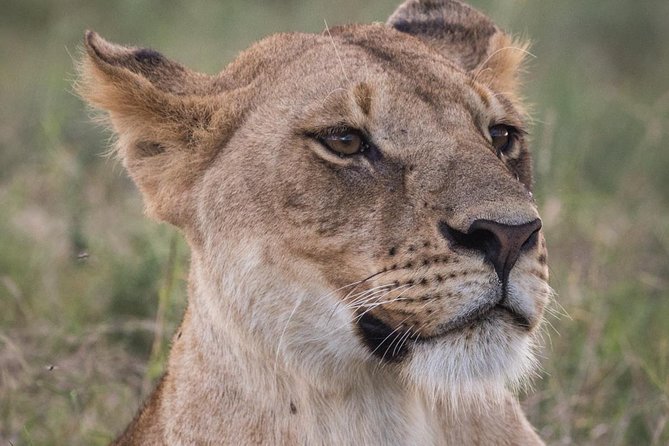
Selous gives you a very different safari from Tanzania’s famous northern circuit. The reserve is vast, remote, and lightly visited, with the Rufiji River providing the trip’s most memorable setting. Hippos, crocodiles, elephants, and hundreds of bird species gather along its banks, while game drives search for lions, wild dogs, buffaloes, zebras, and kudu.
I like two things here: the mix of a river safari and land-based game drives, and the fact that this is a private trip with your own vehicle and guide. Guides such as Laban and James have earned praise for warm, thoughtful care, with one guest even recalling a cocktail prepared in the bush. The main drawback is the long road trip from Dar es Salaam and the reserve’s remote character, so this is not a quick, easy park visit.
Key points to know before booking
- The Rufiji River is the star on day one: Expect a five-hour activity period that includes reaching camp and taking a boat safari among hippos, crocodiles, elephants, and birds.
- You get both morning and afternoon game drives: Day two is your main wildlife day, with time in the reserve rather than a rushed single outing.
- The tour is private: Only your group participates, and transport is by private vehicle.
- The road journey takes real time: Day one brings you from Dar es Salaam to the reserve, while day three is largely the return drive.
- Meals and water are covered: Breakfast, lunch, dinner, accommodation, bottled water, and transport are included, while alcoholic drinks cost extra.
- The safari needs at least two people: Children must travel with an adult, and a moderate level of physical fitness is advised.
Why Selous feels different from a northern safari
Selous is the kind of place you choose for space, quiet, and a sense of remoteness. The reserve is described as one of Tanzania’s least visited protected areas, and its sheer scale helps explain why. The supplied details cite both roughly 5,000 square kilometers and 54,600 square kilometers, so the exact figure depends on which boundary or conservation designation is being used. Either way, you should expect a very large reserve, not a compact park where one short drive covers everything.
That size changes the safari experience. Animals are not presented in a neat sequence, and sightings are less predictable than they can be in heavily visited northern parks. Selous was originally set aside as a hunting area, and wildlife here may be more cautious than in Tanzania’s northern parks.
I see that as both a strength and a limitation. You get a more solitary feel and a stronger sense of searching for wildlife. You also need patience. A safari here is not a checklist with guaranteed close views of every famous animal.
The reserve is especially associated with elephants. Lions, African wild dogs, buffaloes, bushbuck, impalas, elands, baboons, zebras, and greater kudus are also found here. Birdlife adds another layer, with about 350 species recorded in the reserve.
More Safaris in Nyerere and Selous
- From Zanzibar: Day Selous Game Reserve Safari with Flights
★ 4.7 · 1,025 reviews - Selous Luxury Day Safari with Photographer
★ 5.0 · 211 reviews - Day Safari tour to Selous Game Reserve from Zanzibar
★ 4.5 · 98 reviews
Day one: the long road to the Rufiji River
Your driver-guide picks you up in Dar es Salaam, then you set off toward Selous with a picnic lunch for the road. The transfer is part of the experience, but you should treat it as a substantial travel day rather than a quick ride to a nearby attraction.
The tour does not specify the exact driving time, road conditions, or departure hour. That means you should ask for those details before booking, especially if you are planning other activities in Dar es Salaam around the safari. A private vehicle gives your group flexibility, but it does not remove the distance.
You arrive at camp in the early afternoon, settle in, and then head out by boat on the Rufiji River. This is a smart way to begin. After the road journey, you are not immediately asked to spend the rest of the day bouncing around in a vehicle. Instead, the river provides a slower, more open view of the reserve.
The Rufiji is formed by the meeting of the Kilombero and Luwegu rivers and runs for about 600 kilometers. Along the river, you can expect to look for hippos and crocodiles. Elephants are drawn to the water, and the river also gives you a good setting for watching birds.
The boat safari is listed as part of a five-hour stop that includes admission. The exact time spent on the boat is not stated, so do not assume all five hours are on the water. Ask your operator how the afternoon is divided between arrival, camp check-in, and the river outing.
The river is likely to be the most distinctive part of the trip. A game drive places you inside a vehicle looking outward. A boat safari changes your angle. You watch the banks, channels, sandbars, and waterline, with hippos and crocodiles often easier to spot from the river than from a road.
Do not expect a theme-park ride. The appeal is the setting and the possibility of seeing animals behaving naturally around water. The river also gives you a chance to focus on smaller details, particularly birds, which can be overlooked during a busy drive.
Day two: the main wildlife search
After breakfast, you set out for morning and afternoon game drives in Selous. This is the day that gives the safari its strongest wildlife focus, and the split between morning and afternoon is useful. You have two separate chances to search for animals rather than placing all your hopes on one outing.
The provided schedule lists five hours for the Selous stop, but it does not explain how that time is divided between the morning drive, breakfast or camp time, and the afternoon drive. Ask your guide for the daily timing. Morning and afternoon conditions can differ, and your guide will manage the order around camp routines and the reserve’s operating rules.
Elephants are the reserve’s signature animal. You may also look for lions, wild dogs, buffaloes, bushbuck, impalas, elands, baboons, zebras, and greater kudus. That list covers a broad range of African wildlife, from large predators to antelope and primates.
Wild dogs are a particularly valuable possibility because they are not seen on every safari. The tour does not promise a sighting, and no responsible guide can. The right approach is to enjoy the search itself and let the sightings build naturally.
The reserve’s history as a hunting area matters to your expectations. Wildlife can be more wary than in the northern parks, so animals may keep their distance or move away before you get a close view. That can make photography harder, but it also supports the feeling that you are observing animals on their own terms.
I would bring patience and avoid judging the day only by the number of species seen. A quiet drive with one good elephant sighting, a group of wild dogs, or a close look at a bird can be more memorable than a hurried list of animals.
Your private arrangement helps here. Only your group participates, so you can discuss what you want to look for with your guide rather than adjusting to strangers in a shared vehicle. Guides named in guest feedback include Laban and James. Laban was praised for careful attention and for helping create memorable moments in the bush, while James was described as warm and attentive.
Those comments point to an important part of safari quality. The guide is not only the person driving. Your guide controls the pace, helps you understand animal behavior, and can make a long, quiet stretch feel worthwhile. Still, the tour details do not specify the exact guide assigned to your departure, so you should not book expecting Laban or James by name unless the company confirms it.
Day three: returning to Dar es Salaam
After breakfast, you drive back to Dar es Salaam with a picnic lunch for the journey. This is a simple final day, but it can be tiring. The safari is three days, not three full days inside the reserve.
You should plan your onward arrangements with care. The exact return time is not provided, and road travel can take much of the day. Avoid booking an important flight, ferry, or fixed appointment immediately after the expected arrival unless the operator gives you a reliable schedule and you allow plenty of room.
The return drive also affects the tour’s value. At $2,066.67 per person, you are paying for a private safari package with accommodation, meals, a driver-guide, a private vehicle, bottled water, and two styles of wildlife activity. You are not paying for three uninterrupted days of game drives.
For two people or a small private group, the cost may make sense if you value privacy and want to combine Selous with a Dar es Salaam stay. If you want the maximum number of hours in the reserve, a longer safari may offer better value because the road transfers take up so much of this three-day plan.
More midrange safaris in Nyerere and Selous:
- 5-Day Highlights mid-Range Crater, Serengeti, Tarangire
★ 5.0 · 296 reviews - Private 6-Day Tarangire Manyara Crater and Serengeti with Mid-Range Lodges
★ 5.0 · 238 reviews - 5-Day Private midrange Tour in Arusha with Airport Pickup
★ 5.0 · 160 reviews - 4 Days Tarangire, Serengeti and Ngorongoro Mid-Range Group Safari
★ 5.0 · 84 reviews
What the price covers, and what it does not
The package includes accommodation according to the itinerary, breakfast on two mornings, three lunches, and three dinners. Bottled water is included, as are hotel pickup and drop-off, private transport, the driver-guide, and admission fees connected with the listed activities.
That makes budgeting easier. You do not need to build separate estimates for every meal or the main park activities. You should still confirm the exact camp name and accommodation standard, since mid-range can mean different things in a remote reserve.
Alcoholic drinks are not included, though they are available to buy. If you want wine or beer with dinner, bring extra money or ask the operator about availability before leaving Dar es Salaam.
The package requires a minimum of two people per booking. This is important if you are traveling alone. The tour is private once confirmed, but it is not presented as a solo booking with no minimum.
Children must be accompanied by an adult. A moderate fitness level is advised, though the supplied information does not list a detailed accessibility plan or specific walking sections. If you have mobility, dietary, or medical needs, tell the company at booking. Specific dietary requirements should be provided in advance.
The practical tradeoff: remote, private, and road-based
This safari suits you best if you want a private experience and are willing to spend time on the road for access to a quieter reserve. It is a good match for people who already have time in Dar es Salaam and want a wildlife trip without joining a large group.
It may be less suitable if you want a short transfer, luxury accommodation, or guaranteed close animal sightings. The reserve’s remote setting is part of its appeal, but it also means less convenience and less certainty.
The private vehicle is a real benefit. You can speak directly with your guide, adjust your attention between birds and larger animals, and avoid sharing the vehicle with an unknown group. The tradeoff is that you need at least two people, and the per-person price is substantial.
Pickup and drop-off are offered in Dar es Salaam, and the activity ends back at the meeting point. The exact pickup area is not described, so confirm whether your hotel is covered before you rely on the service.
The mobile ticket is convenient, but it does not replace checking the important details. Confirm the pickup time, camp name, guide, vehicle arrangements, and expected return time. Those questions matter more here because the safari includes long transfers and remote travel.
What the guest feedback tells you about the human side
The strongest praise focuses on the guides, not on a promise of guaranteed wildlife. Laban is singled out for professional care and for creating a memorable moment with a cocktail in the middle of nowhere. That small detail says something useful: attentive service can matter just as much as the animal list on a remote safari.
James is praised for warm, family-style attention and for making the trip feel well cared for. Another account describes a first safari with striking scenery, good timing, and a guide who made the experience particularly strong. Laban is also credited with respectful treatment of animals and friendly service.
There is one unrelated feedback entry about a four-day northern Tanzania route through Tarangire, Ngorongoro, and Serengeti. Do not use that comment to judge this three-day Selous route. It does, however, suggest that the wider company handles several Tanzania itineraries, while the Selous experience should be assessed on its own schedule and setting.
The overall rating shown is 5 from five reviews, a very small sample. I would take the positive guide feedback seriously, but I would not treat it as proof that every departure will have the same guide or the same animal sightings.
Who should book this Selous safari?
I would consider this tour if you meet most of these points:
- You want a private trip rather than a shared vehicle.
- You are interested in both a boat safari and traditional game drives.
- You can accept long road transfers from Dar es Salaam.
- You prefer a less visited reserve to a busier northern park.
- You are comfortable with wildlife sightings that are possible, not guaranteed.
- You are traveling with at least one other person.
- You value meals, water, transport, and accommodation bundled into one price.
I would look for a different plan if your priority is the highest possible number of game-drive hours, a luxury camp, a short transfer, or a tightly timed return to Dar es Salaam.
Cancellation terms are worth noting before you pay. You receive a full refund if you cancel at least six full days before the start time. Cancellation two to six full days ahead brings a 50 percent refund, while cancellation less than two full days ahead is nonrefundable. Changes follow the same cutoffs, and the local time in Tanzania controls the deadline. If the minimum number is not met and the company cancels, you are offered another date or experience, or a full refund.
Should you book it?
Book this Selous safari if you want a private, road-based trip into a remote reserve, with the Rufiji River as the main attraction and a full wildlife day on land. The boat safari gives the three-day plan a strong sense of place, while the morning and afternoon drives give you a fair chance to find elephants, predators, antelope, and birds.
I would book only after confirming the transfer timing, accommodation, pickup details, and assigned guide. At $2,066.67 per person, the value depends on how much you prize privacy and the Selous setting. If you do, pack patience along with your camera. This is a safari for people who enjoy the search, not just the scorecard.
FAQ
Where does the safari start and end?
The activity starts in Dar es Salaam, Tanzania, with hotel pickup offered. It ends back at the meeting point in Dar es Salaam.
How many days does the safari last?
The safari lasts approximately three days. Day one takes you from Dar es Salaam to Selous, day two is dedicated to game drives, and day three returns you to Dar es Salaam.
What wildlife can I see in Selous?
The reserve is known for elephants. You may also see lions, wild dogs, buffaloes, bushbuck, impalas, elands, baboons, zebras, greater kudus, hippos, crocodiles, and many bird species.
Are meals and accommodation included?
Yes. Accommodation is included according to the itinerary, along with two breakfasts, three lunches, and three dinners. Bottled water is also included.
Is this a private tour?
Yes. The tour uses private transport, and only your group participates. A minimum of two people is required per booking.
What is the cancellation policy?
You can receive a full refund when you cancel at least six full days before the start time. Cancelling two to six full days ahead provides a 50 percent refund. Cancellations less than two full days before the start time are nonrefundable.
More Three-Day Trips in Nyerere and Selous
- 3 Days Selous (Nyerere National Park)
★ 5.0 · 43 reviews - From Zanzibar: 3-Day Selous Safari Trip with Flights
★ 4.4 · 22 reviews - 3 Days Safari – Selous Game Reserve
★ 5.0 · 21 reviews - 3 Days Nyerere NP [Selous GR] Game, Walking and Boat
★ 5.0 · 19 reviews
Just added around Nyerere and Selous
- Flight Package Zanzibar to Nyerere National Park (Selous GR) 3 Days 2 Nights★ 5.0 · 8 reviews
- Day Trip to Selous (Nyerere) National Park Flying from Zanzibar★ 5.0 · 8 reviews
- 3 Days Selous Game Reserve Fly From Zanzibar★ 4.0 · 5 reviews
- 2 Days Tour From Zanzibar to Nyerere National Park (Selous GR)★ 5.0 · 8 reviews
- 2 Days Morogoro- Selous Game Reserve(Nyerere national park)★ 4.5 · 8 reviews
- 5 Days Selous/Nyerere & Mikumi NP Game drive, Maasai and Walking★ 5.0 · 13 reviews
- 3 Days Explore Selous Game Reserve + Boat safari + bushman walking★ 5.0 · 5 reviews
- 3 Days Safari to Nyerere National Park (Selous Game Reserve)★ 5.0 · 8 reviews
Midrange Safaris, compared.
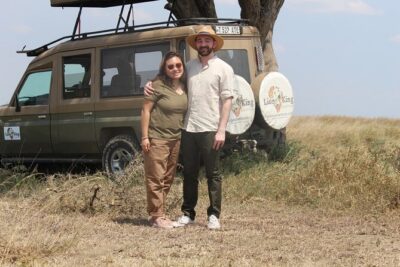
5-Day Highlights mid-Range Crater, Serengeti, Tarangire
Read our review →
5-Day Private midrange Tour in Arusha with Airport Pickup
Read our review →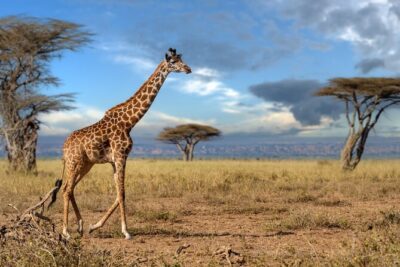
4 Days Tarangire, Serengeti and Ngorongoro Mid-Range Group Safari
Read our review →
7-Day Midrange Tanzania Safari Adventures (Big 5)
Read our review →
7 Days Highlight of Tanzania Mid-Range Standard
Read our review →
5- Days Best Mid-range Safari and Maasai Village experience
Read our review →
5 days Tanzania midrange lodge Private safari
Read our review →Browse the lists this tour appears in